
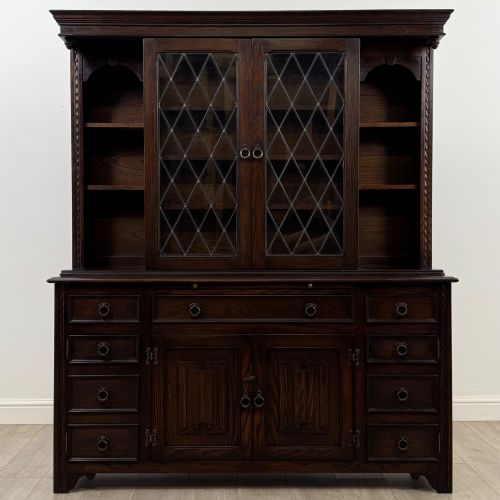
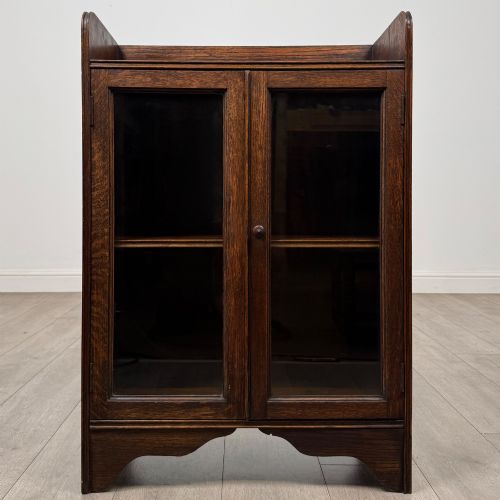
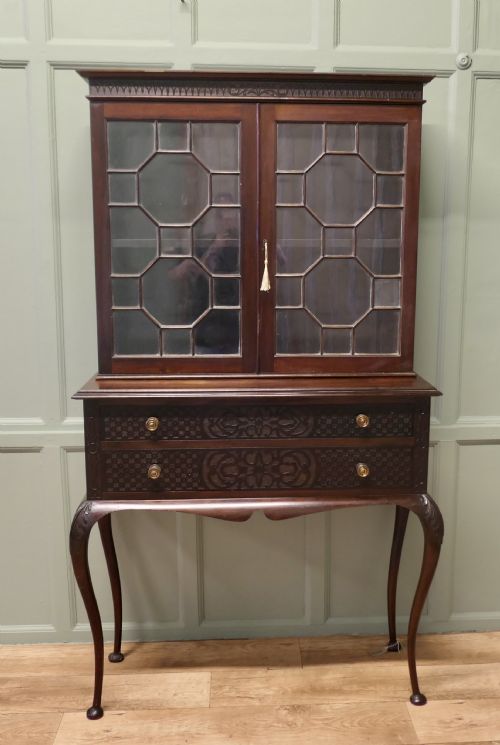
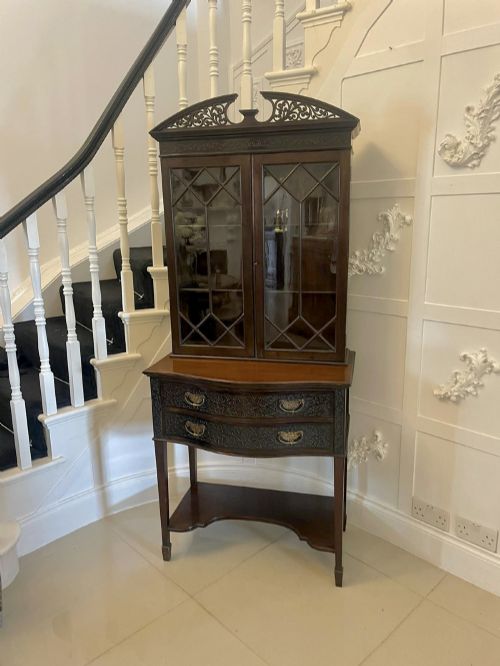


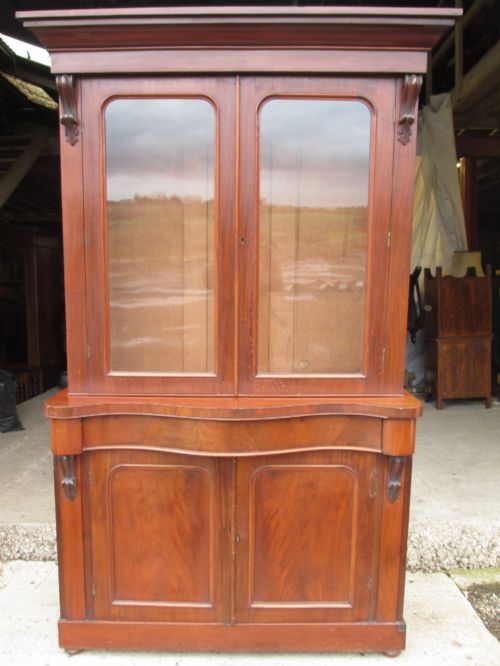
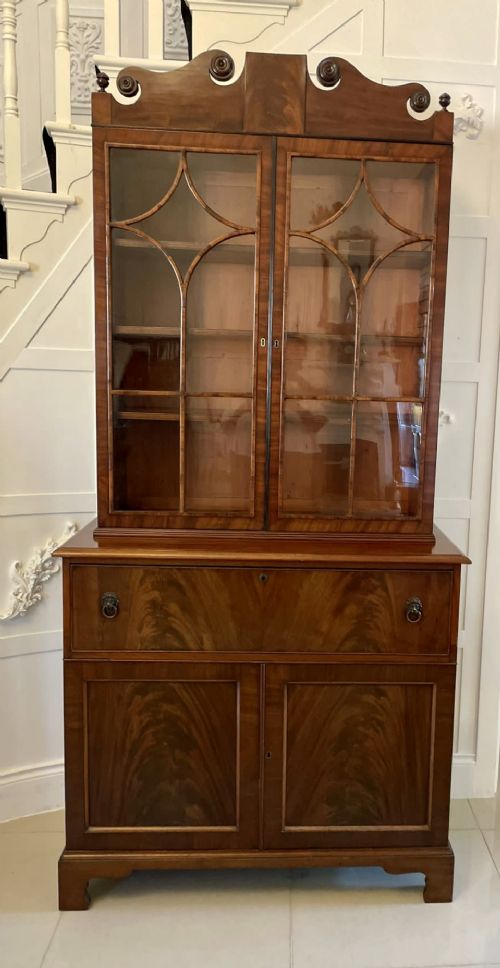
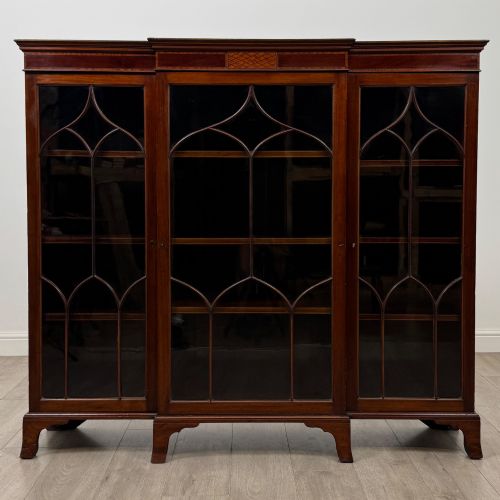
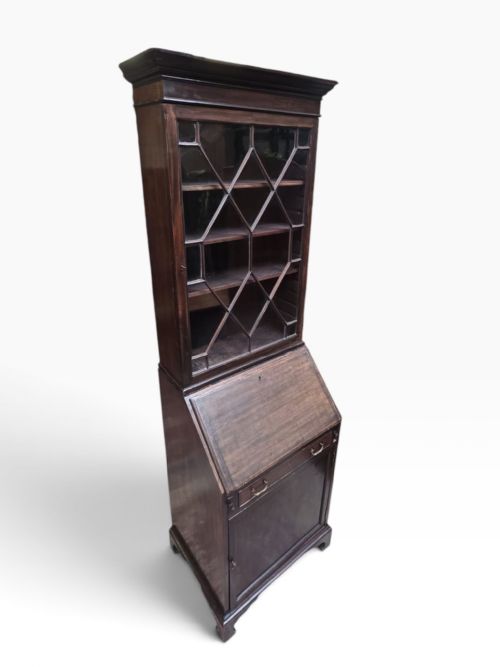
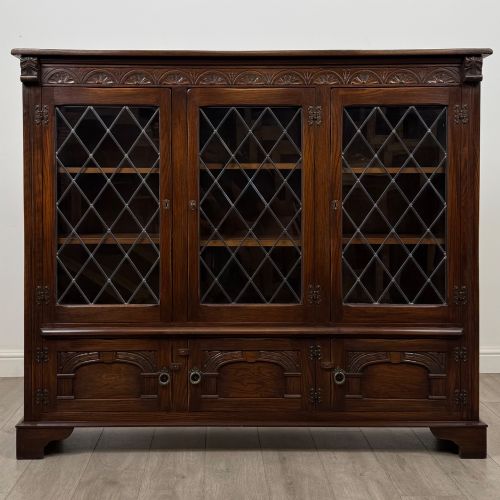
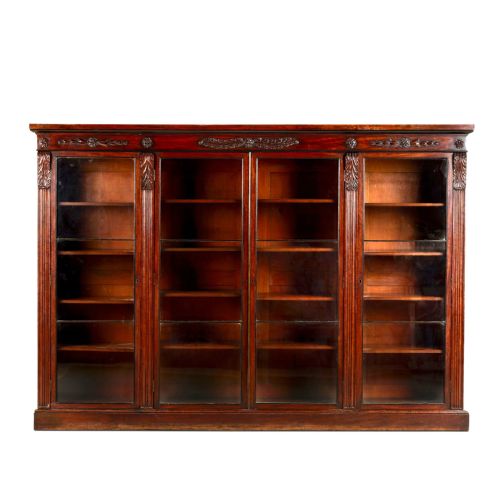
Dark Wood Glazed Bookcase
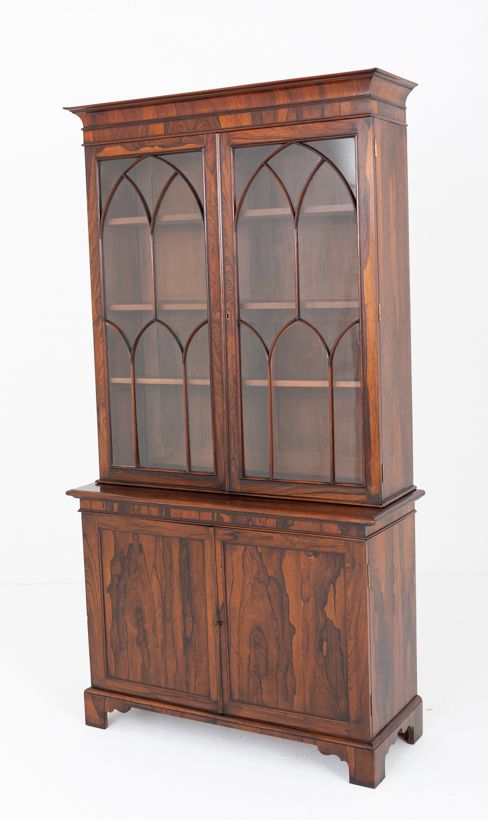
A dark wood glazed bookcase brings rich grain and clear panes to a room, holding a library while showing the volumes within.
What these pieces are
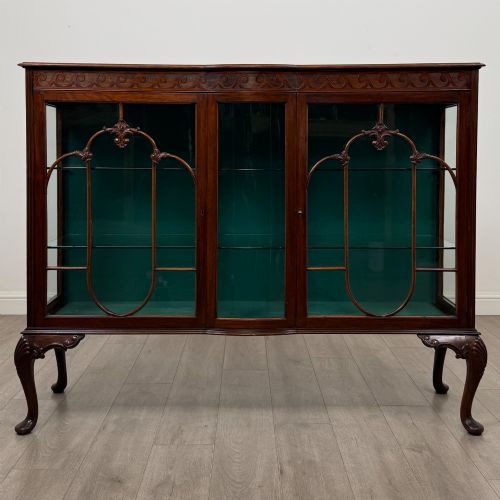
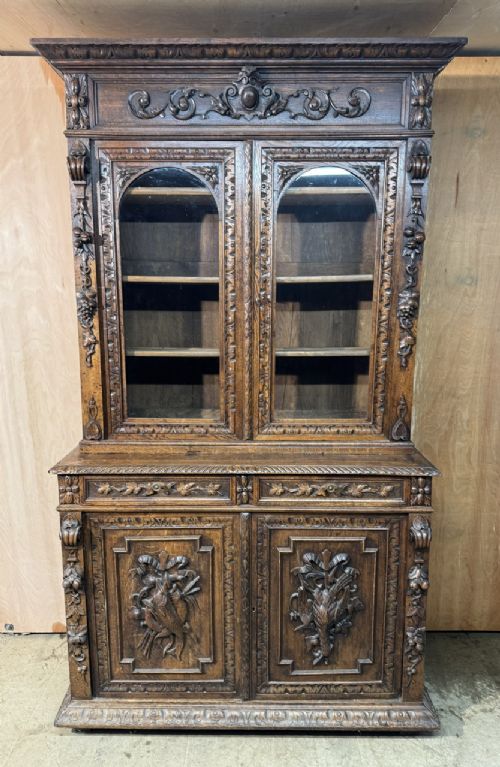
A dark wood glazed bookcase unites timber frames with glass doors to shelter and display bound volumes. The search phrase covers several distinct forms, from towering two-part library pieces to compact stacking units and side cabinets with glazed fronts.
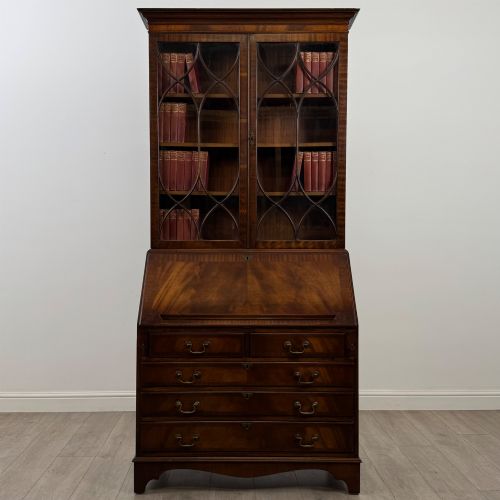
The pieces listed span multiple eras, encompassing Georgian designs alongside Victorian cabinets, 1930 creations, and Regency examples. Buyers meet various formats, including secretaire desks, display cabinets, and breakfront side furniture.
Origins stretch across British and continental workshops, incorporating rosewood, mahogany, and flame mahogany veneer. Each version provides enclosed shelving behind glass panels, balancing practical storage with display.
How they were made
Cabinet makers constructed these pieces using dense timbers such as mahogany and rosewood, often applying flame mahogany veneer to prominent surfaces for striking grain patterns. Glass panes were fitted into timber doors to protect the contents while keeping them visible.
Metal components like brass hardware appeared on doors and internal fittings, complementing the dark polished woods. Joinery techniques varied according to the period, supporting heavy shelving and glass-fronted frames.
Retail Price Guide 2026
Typical UK retail prices for dark wood glazed bookcase, calculated from the Sellingantiques database of over a million retail prices indexed since 2003. This retail price guide relies exclusively on Sellingantiques data; no external sources or auction records are used, so the figures do not describe the wider market.
Some sections slide up and vanish like magic tricks.
What varies in quality
The standard of timber selection and veneer matching defines the upper tier of these pieces, where rich grain patterns flow naturally across the facade. Simpler builds rely on plain mahogany or alternative dark woods without the same visual depth.
Glazing quality and the precision of the frame construction separate refined examples from heavier, utilitarian builds. Cabinet proportions and the integration of functional elements like secretaire drawers show the maker's hand.
Jas Shoolbred·Heal's
The Dark Wood Glazed Bookcase Glossary
- Breakfront
- A cabinet design where the central section projects forward from the flanking outer sections. This arrangement adds architectural depth to large library bookcases.
- Secretaire bookcase
- A piece incorporating a pull-down writing drawer with internal pigeonholes and small compartments behind upper glazed shelving. It combines a desk workspace with a traditional book cabinet.
- Flame mahogany veneer
- Thin slices of mahogany cut from the fork of the tree where branches meet the trunk, showing a flickering, flame-like grain pattern. Cabinet makers applied these veneers to primary doors and drawer fronts.
- Stacking bookcase
- Modular shelving units with glass doors that lift and slide into the cabinet above each shelf. These sections can be stacked together to form a custom bookcase.
Frequently Asked Questions
What is a dark wood glazed bookcase?
A dark wood glazed bookcase is a piece of furniture made from timbers like mahogany or rosewood, featuring glass doors that protect books and display objects.
These pieces range from tall Victorian library cabinets to 1930 stacking units and Georgian secretaire designs.
How do I date a glazed bookcase?
Dating depends on the stylistic details, timber types, and construction methods visible in the frame and glazing bars. Georgian and Regency pieces show classical proportions, while Victorian and later examples introduce different veneer treatments and modular formats.
Makers' marks or stamps can sometimes confirm the workshop and exact period of origin.
Where should I place a library bookcase?
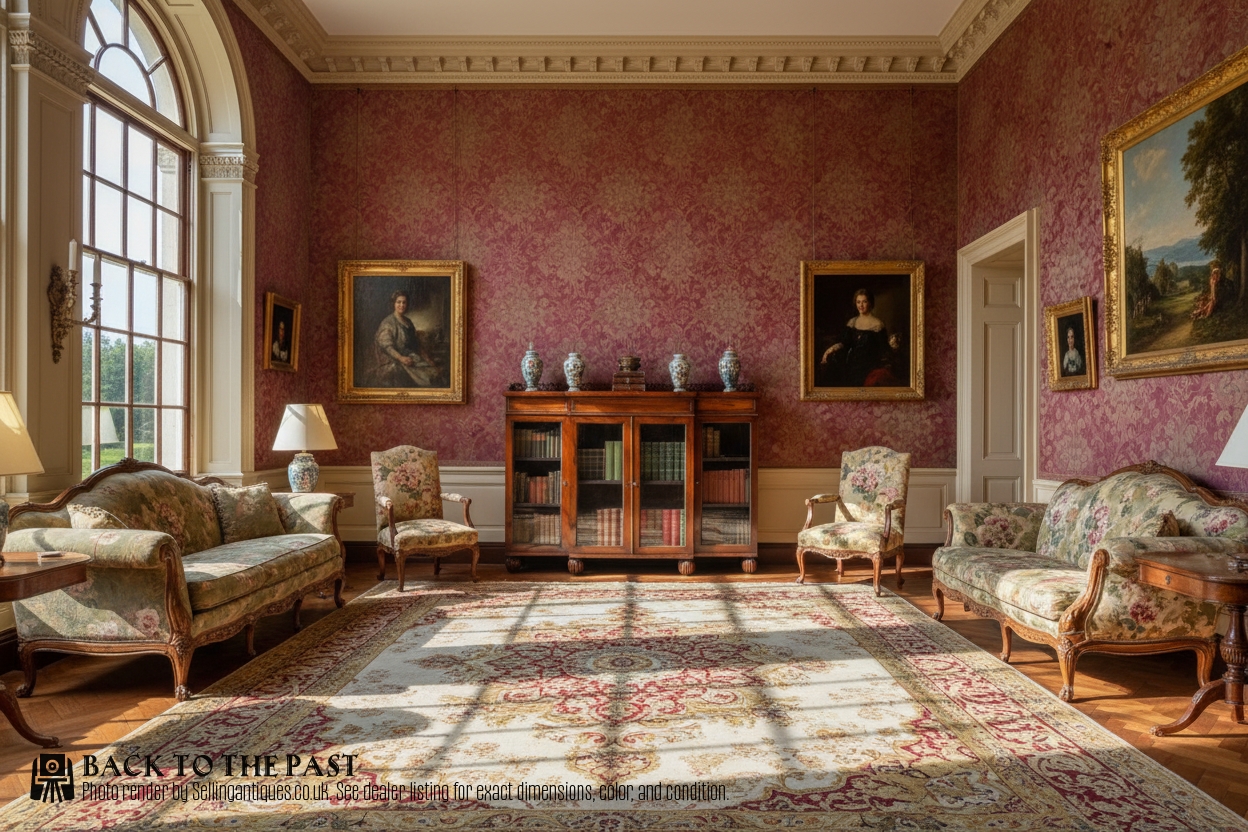
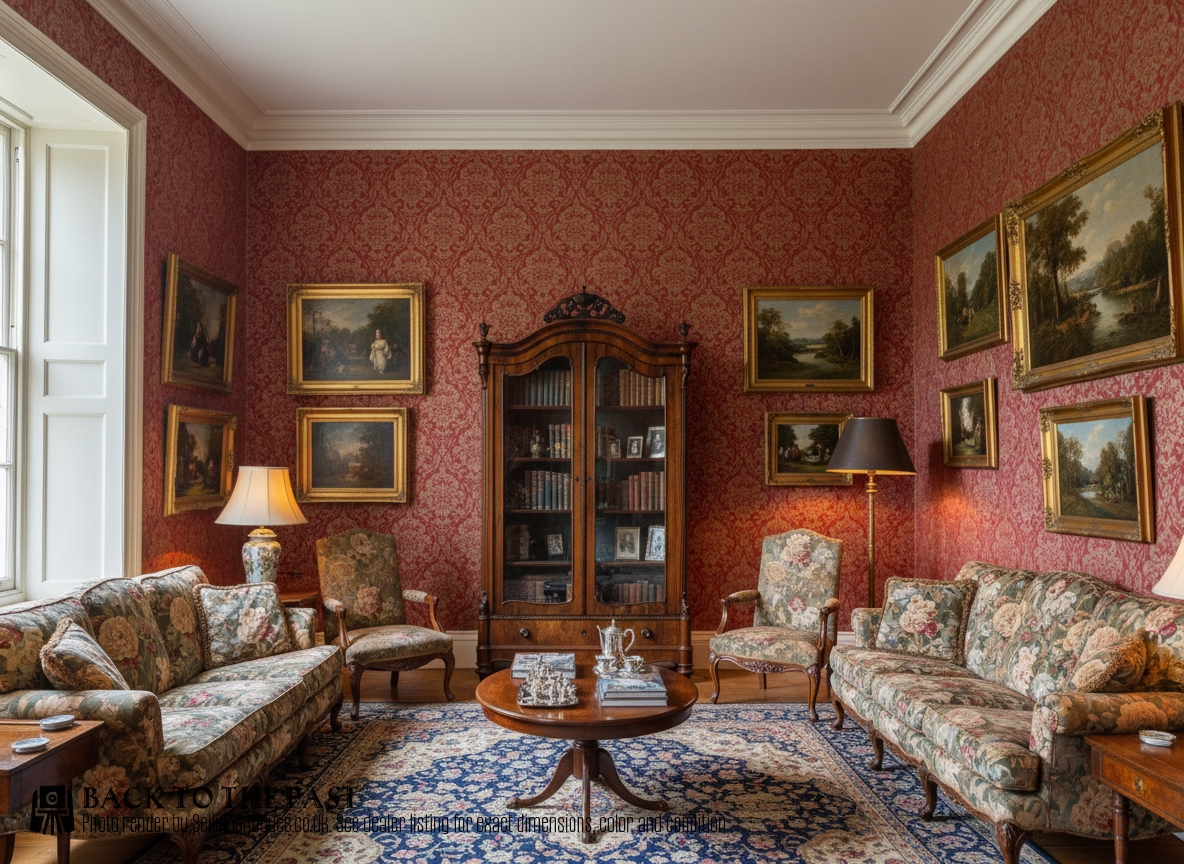
A library bookcase suits studies, living rooms, or hallways where solid timber tones can anchor the interior scheme. Positioning the piece away from direct sunlight protects the dark wood finish and the paper inside the volumes.
Allow enough clearance for doors to open fully, particularly on breakfront or wide two-part models.
How do I care for rosewood and mahogany?
Maintain the timber surface by dusting regularly with a soft, dry cloth and avoiding silicone-based polishes. Keeping the piece in a stable environment with consistent humidity prevents the wood and veneer from warping.
Check brass fittings and hinges periodically to ensure doors hang correctly against the frame.