


18th Century Secretary Desk
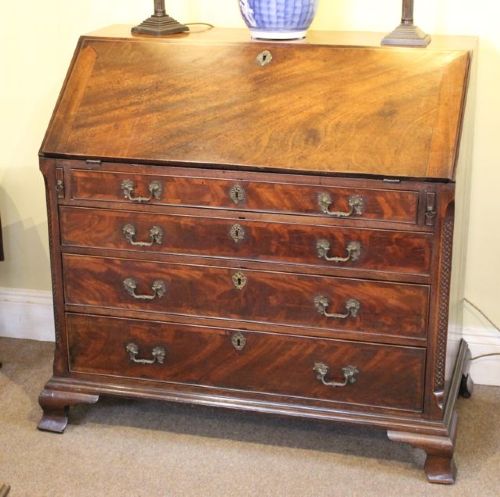
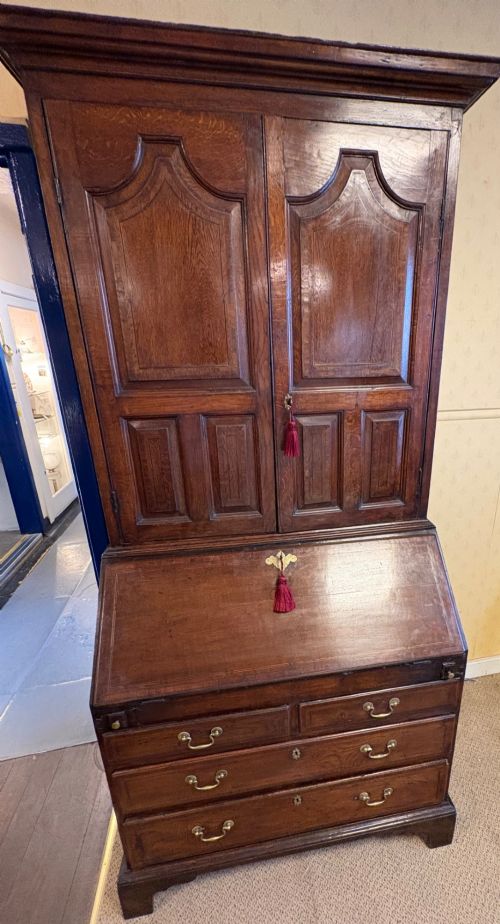
An 18th century secretary desk is a commanding walnut or mahogany bureau bookcase that organises papers and displays volumes with architectural authority.
What an 18th century secretary desk is
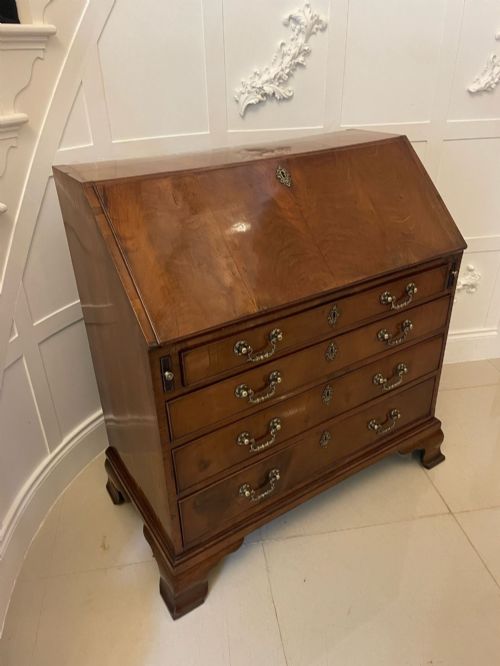
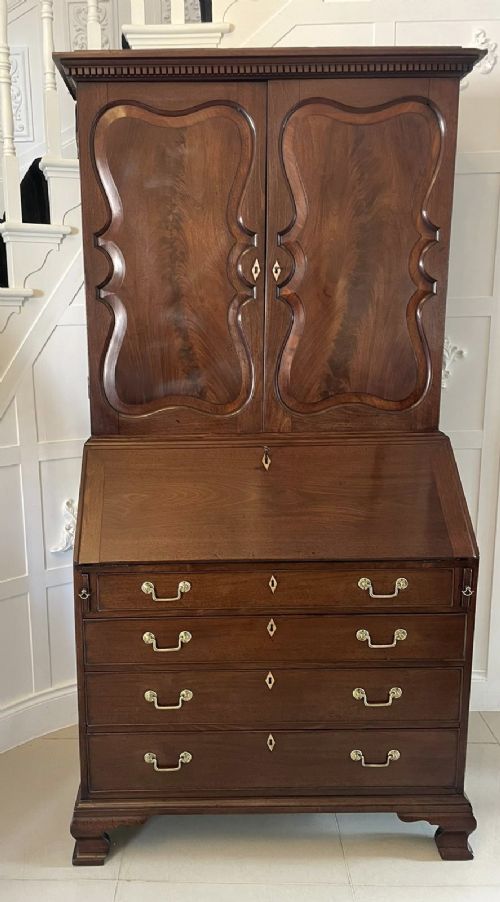
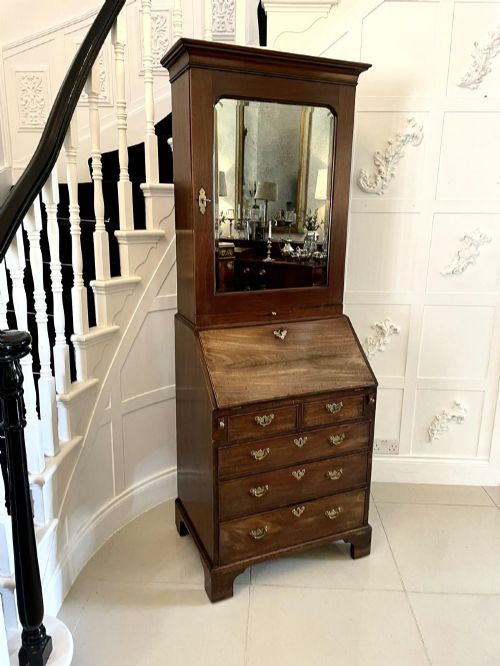
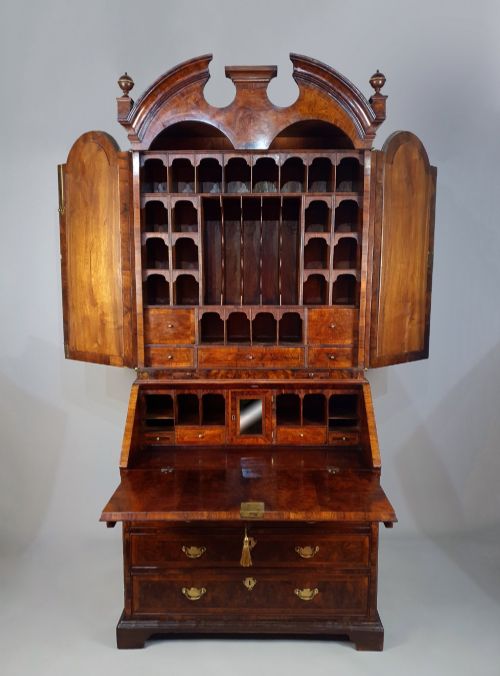
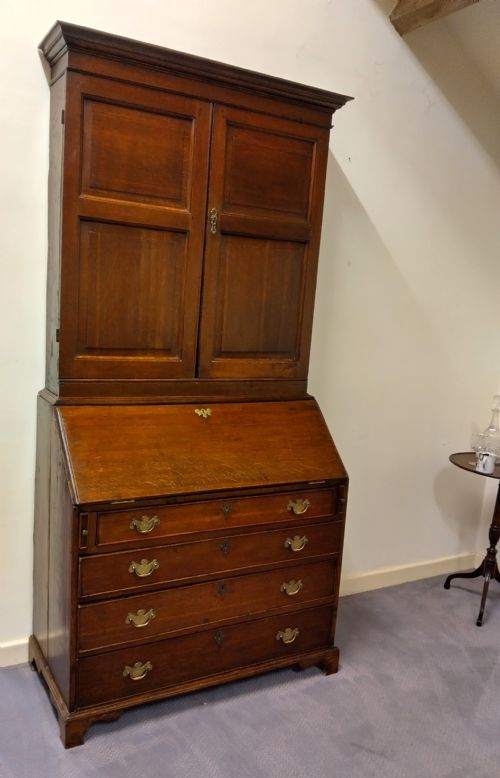
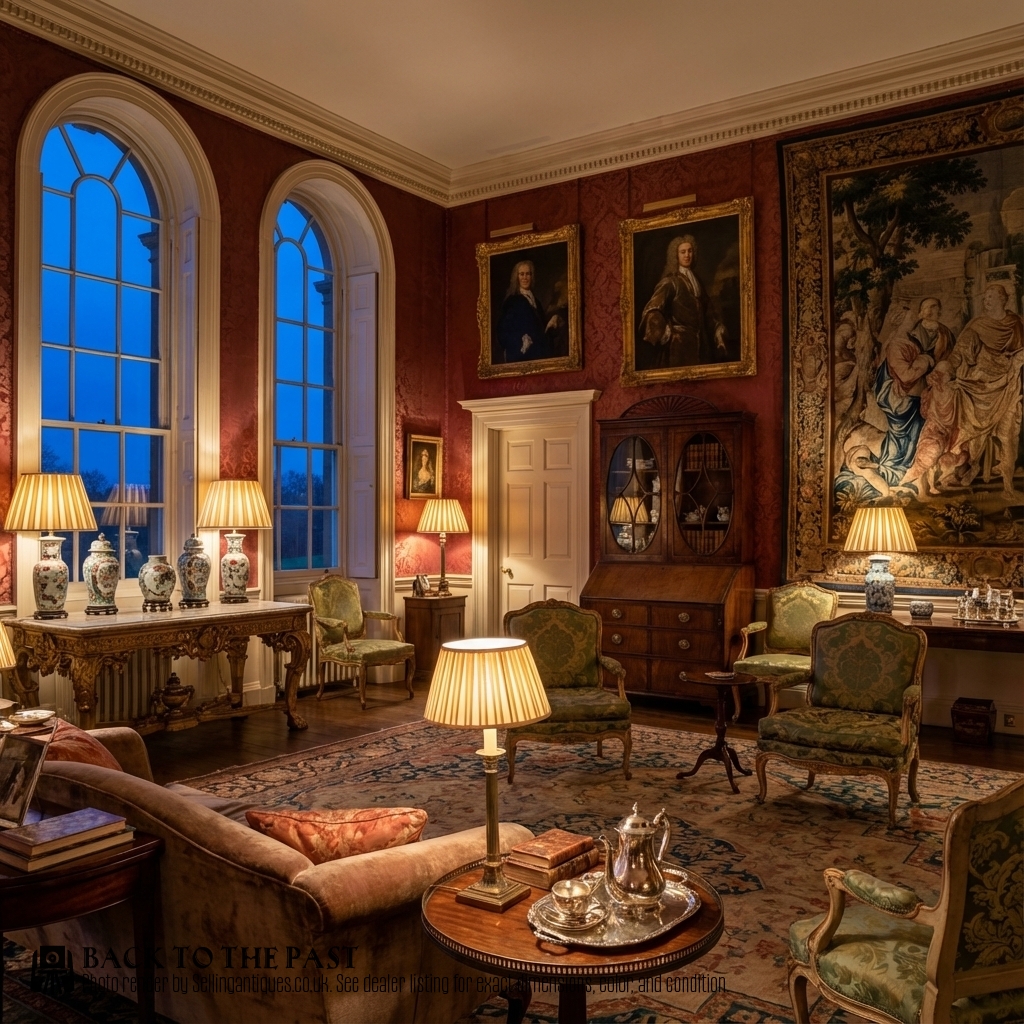
An 18th century secretary desk unites a sloping writing flap with a fitted desk interior and an upper bookcase cabinet. These dual-purpose case pieces dominate a room with their height and presence.
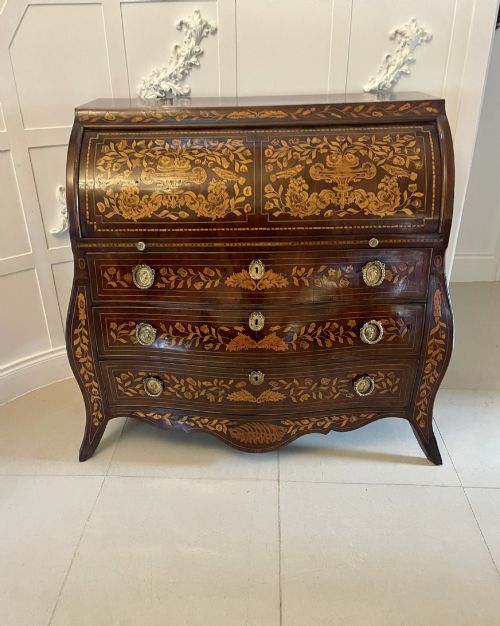
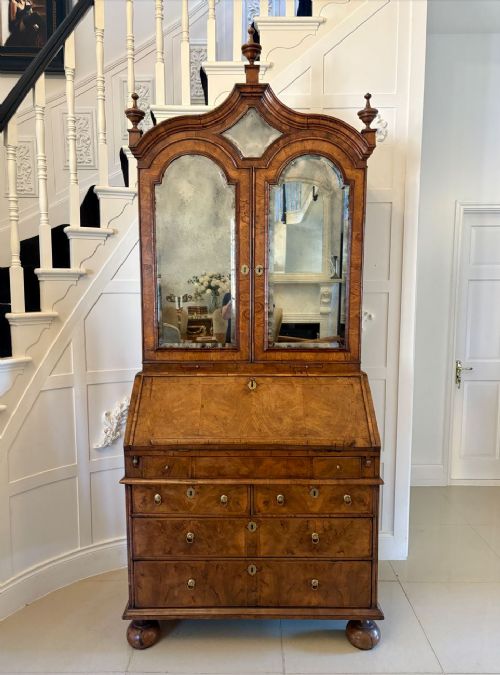
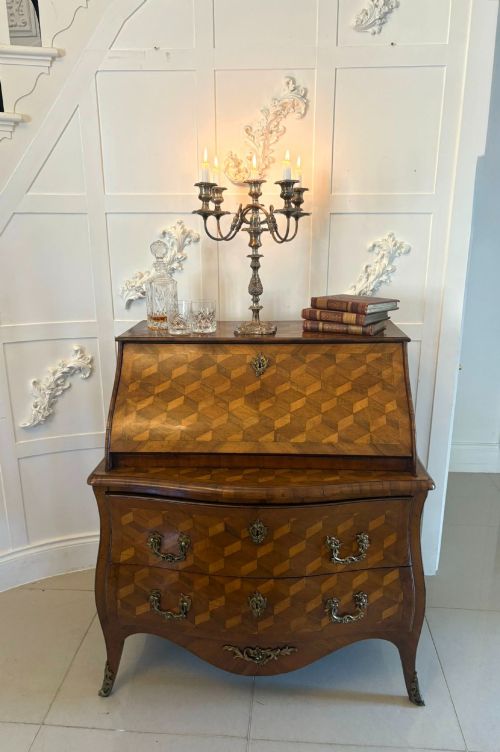
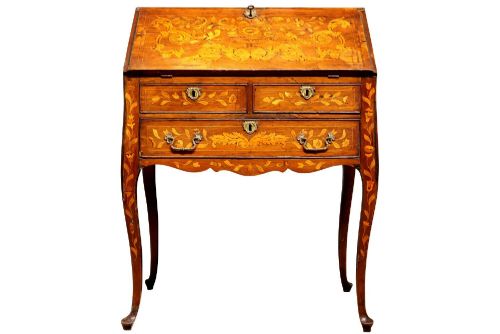
The versions met on this page belong to the Georgian and Queen Anne eras, spanning George I and George III reigns. Cabinetmakers constructed these forms in burr walnut, plain walnut, mahogany, and occasional marquetry.
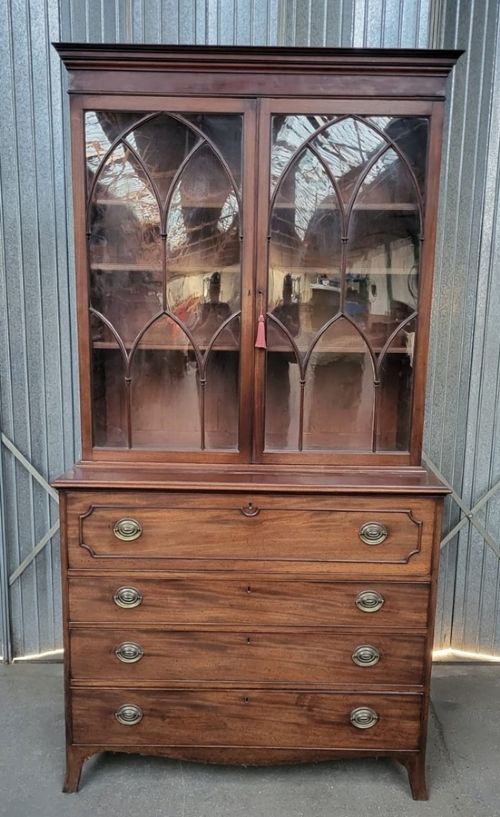
Many examples incorporate glazed doors, mirrored glass panels, or fall-front writing surfaces. Their interior arrangements include pigeonholes, small drawers, and secret compartments designed for private papers.
Materials and construction
Cabinetmakers constructed carcass frames in solid timbers such as mahogany and walnut, applying figured veneers to principal drawer fronts and fall-front writing flaps. Burr walnut and fruitwood added decorative contrast and rich grain movement to early examples.
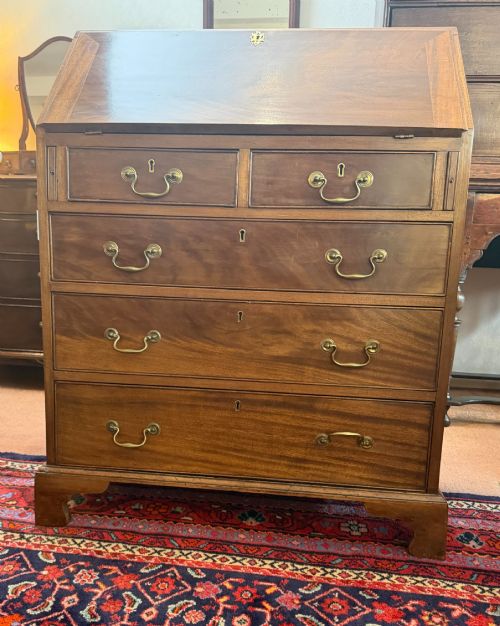
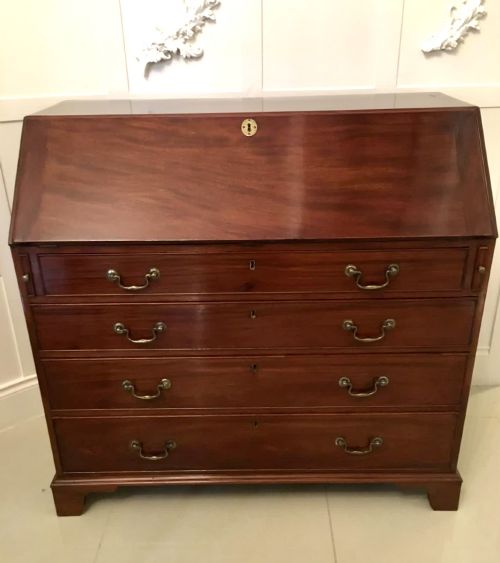
Joinery techniques relied on dovetailed drawer construction and framed-panel doors to house glass and mirror plates securely. Brass hardware, including drop handles and escutcheons, fastened firmly to the primary timbers.
Retail Price Guide 2026
Typical UK retail prices for 18th century secretary desk, calculated from the Sellingantiques database of over a million retail prices indexed since 2003. This retail price guide relies exclusively on Sellingantiques data; no external sources or auction records are used, so the figures do not describe the wider market.
Listings on this site span the 18th Century and Georgian periods, utilising walnut, burr walnut, mahogany, fruitwood, brass, glass, and mirror glass.
Distinctions in quality
Quality separates ordinary joinery from exceptional cabinet work through the choice of veneer symmetry and timber figuring. Burr walnut and marquetry demand meticulous matching across large expanses, whereas plain walnut or mahogany displays simpler grain patterns.
The complexity of the internal desk fittings dictates the level of craftsmanship invested in the piece. Elaborate pigeonholes, shaped small drawers, and fine secondary woods indicate a workshop of higher standing than one producing plain, utilitarian interiors.
The 18th Century Secretary Desk Glossary
- Bureau bookcase
- A two-part furniture form combining a slant-front desk base with an upper bookcase or cabinet. This term appears frequently in 18th century British furniture records.
- Fall-front
- A hinged writing flap that pulls down to create a horizontal desk surface. It conceals the inner drawers and pigeonholes when closed.
- Burr walnut
- A highly figured timber veneer taken from the warted growths of walnut trees. Cabinetmakers prized it for its swirling, decorative patterns on grand 18th century facades.
- Marquetry
- The art of applying veneer slices in floral or geometric patterns onto a furniture carcass. This decorative technique distinguishes elaborate bureau bookcases from plain ones.
- Mirror glass
- Silvered glass plates fitted into upper cabinet doors to reflect light and display refined interiors. Georgian makers utilised these panels to brighten panelled rooms.
Frequently Asked Questions
What is an 18th century secretary desk?
An 18th century secretary desk is a tall dual-purpose furniture piece combining a lower writing bureau with an upper bookcase. It served as both a private writing cabinet and a display case for bound volumes.
Most examples feature a hinged writing flap that opens above a set of graduated drawers. The upper section typically encloses adjustable shelving behind panelled, glazed, or mirrored doors.
How were these desks used?
Owners used these desks for correspondence, record-keeping, and storing valuable ledgers or books. The fitted interior provided secure compartments for private papers and writing materials.
The upper bookcase protected treasured libraries from dust while displaying fine bindings in principal reception rooms. The fall-front flap dropped down to offer a sturdy writing surface when needed.
How do I date a bureau bookcase?
Dating relies on identifying stylistic shifts in timber choice, hardware, and structural proportions. Pieces associated with Queen Anne and George I periods frequently employ walnut veneers and marquetry.
Later Georgian examples from the George III era commonly utilise solid or veneered mahogany. Secondary woods inside the drawers also help confirm the period of manufacture.