



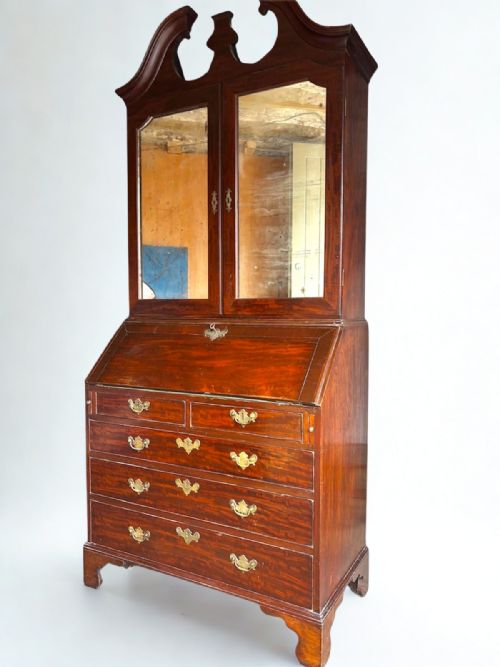


Chippendale Bureau Bookcase
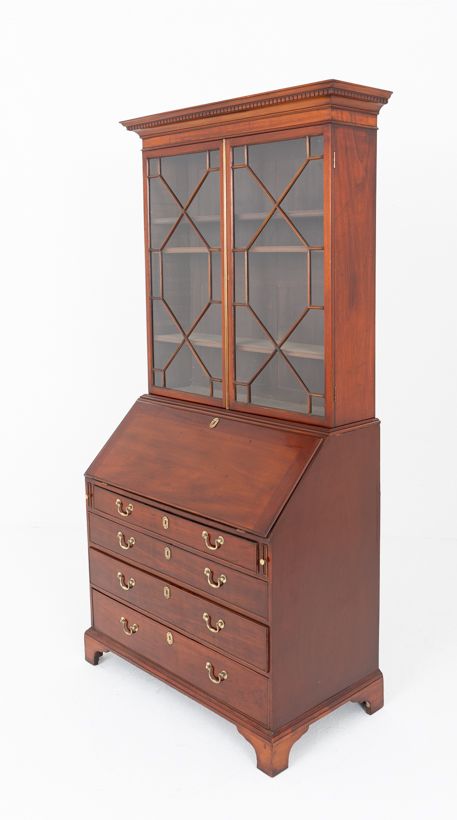
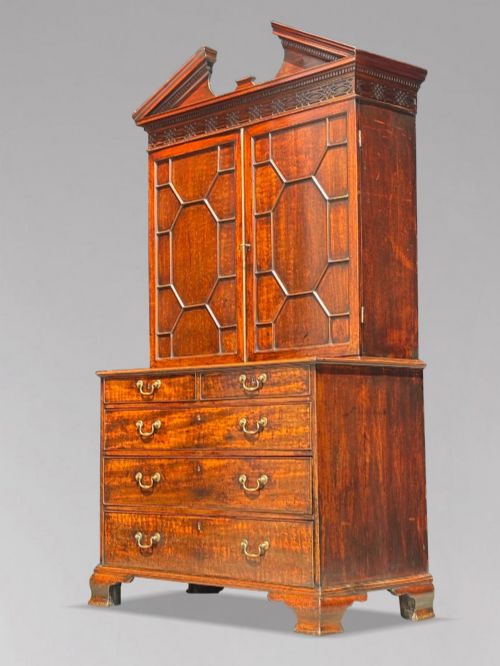
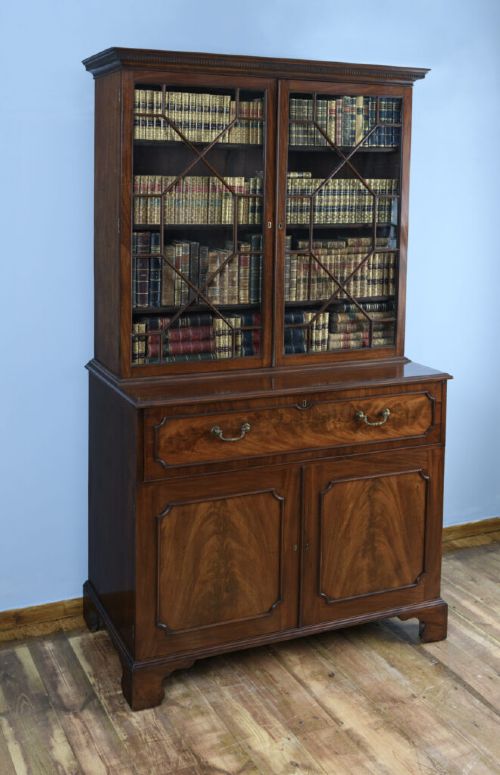
A Chippendale bureau bookcase offers fitted writing space and shelved storage, built to anchor a room with architectural dignity.
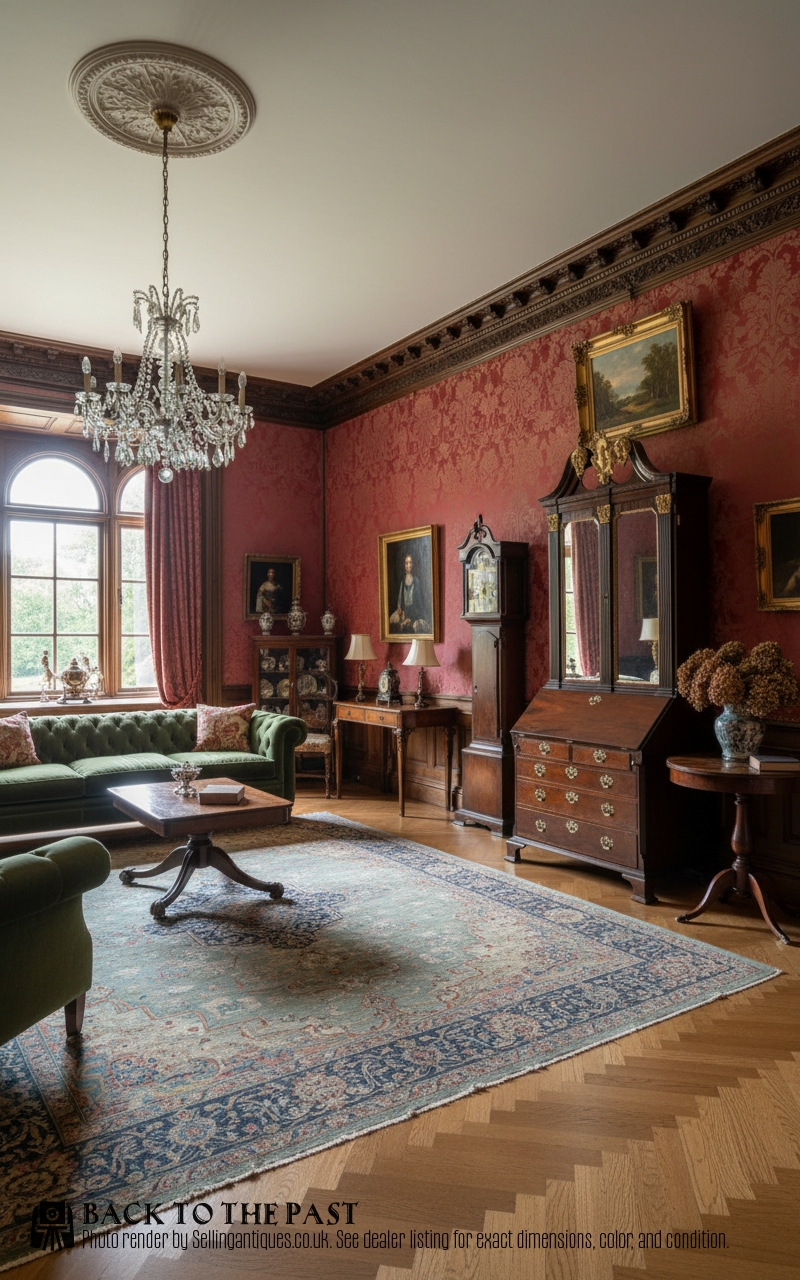
Chippendale Bureau Bookcase Forms
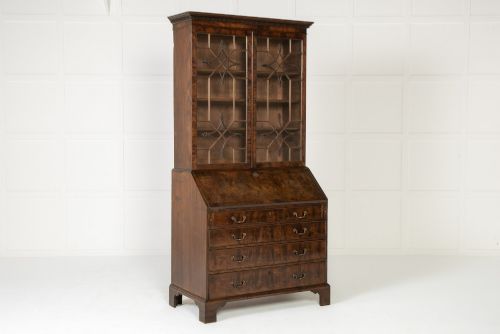
A chippendale bureau bookcase combines a writing desk with a shelved upper cabinet, serving multiple domestic functions in a single stately piece. Buyers encounter examples spanning the eighteenth century through to later revival periods.
Materials and Construction
These pieces rely heavily on mahogany timber, complemented by glass for upper cabinet doors and brass for handles and escutcheons. Oak frequently appears in internal drawer construction.
Makers utilised traditional joinery methods to build the robust carcase required to support both heavy book collections and daily writing tasks.
Retail Price Guide 2026
Typical UK retail prices for chippendale bureau bookcase, calculated from the Sellingantiques database of over a million retail prices indexed since 2003. This retail price guide relies exclusively on Sellingantiques data; no external sources or auction records are used, so the figures do not describe the wider market.
Some bureau bookcases feature secure Bramah locks, ensuring private letters remained strictly confidential.
Judging Quality
Quality rests in the precision of the timber selection and the sophistication of the cabinetwork. Grain continuity across drawer fronts and the refinement of internal fittings separate superior examples from standard production.
Period execution shows in the hand-cut dovetails and the crispness of mouldings, whereas revival pieces demonstrate the standards of later cabinetmakers working in historical idioms.
Bramah
The Chippendale Bureau Bookcase Glossary
- Fall-front
- A hinged writing flap that drops forward to provide a horizontal surface for correspondence. This element conceals the interior pigeonholes and small drawers.
- Escutcheon
- A protective brass plate surrounding a keyhole. It prevents the timber from wearing around the lock.
- Dovetail
- An interlocking joint used in drawer construction. Hand-cut variations indicate earlier period work.
- Cornice
- The decorative mouldings running along the top of the upper bookcase section. It crowns the entire piece.
Frequently Asked Questions
What is a bureau bookcase?
A bureau bookcase combines a sloping or fall-front writing desk with an upper shelving cabinet enclosed by doors. It provides dedicated workspace alongside storage for books and papers.
Historically placed in studies or reception rooms, these dual-purpose pieces allowed owners to write and organise correspondence while keeping their library close at hand.
How do I date a bureau bookcase?
Dating relies on examining timber species, construction methods, and hardware styles. Eighteenth-century pieces show hand-cut joinery and period brasses, while revival pieces from later eras imitate these historical forms.
Secondary woods used inside drawers and the weight of the glass panels offer further clues to whether a piece originates from the Georgian period or a later revival.
How do I care for mahogany furniture?
Mahogany benefits from stable indoor humidity and protection from direct sunlight, which can fade the rich reddish-brown tones of the timber. Regular dusting with a dry, soft cloth maintains the finish.
Avoid placing these heavy wooden pieces near heat sources that might dry out the timber and cause splitting in the large panels.
What is Chippendale style?
Chippendale style derives from the designs published by Thomas Chippendale in the eighteenth century, drawing on Gothic, Rococo, and Chinese motifs. The revival eras later resurrected these distinct aesthetic markers.
Pieces in this tradition emphasise substantial mahogany construction, balanced proportions, and careful attention to architectural details.