
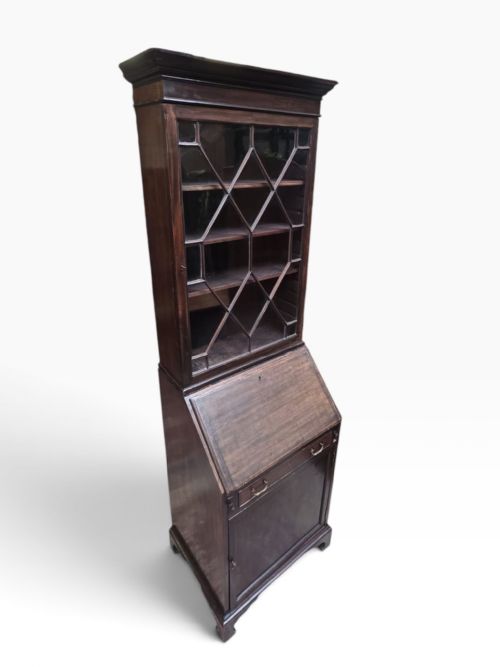
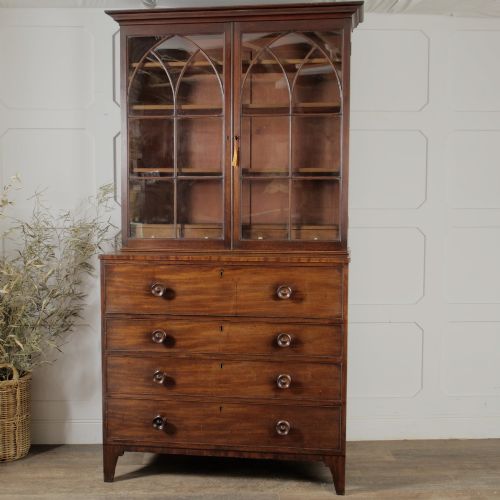
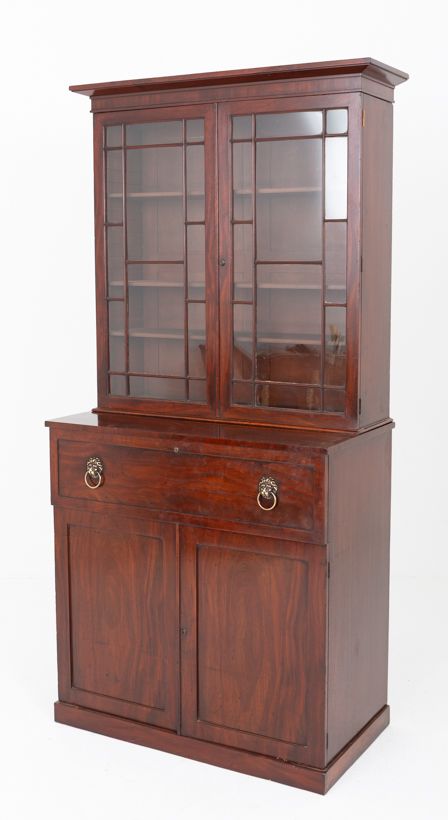
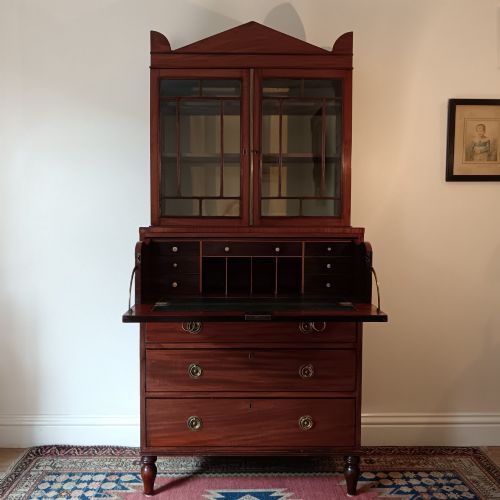
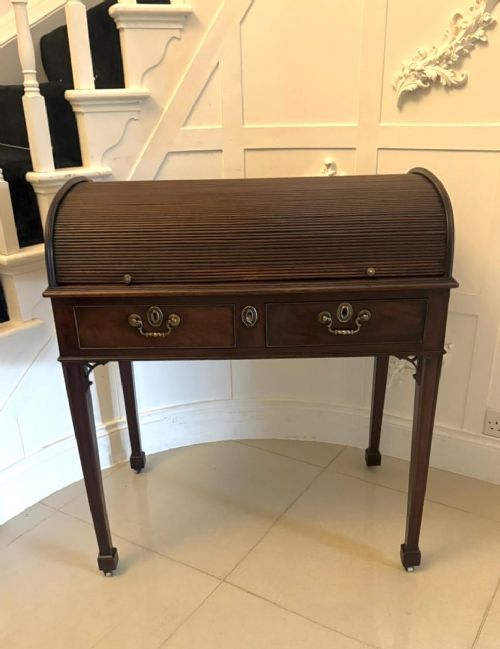
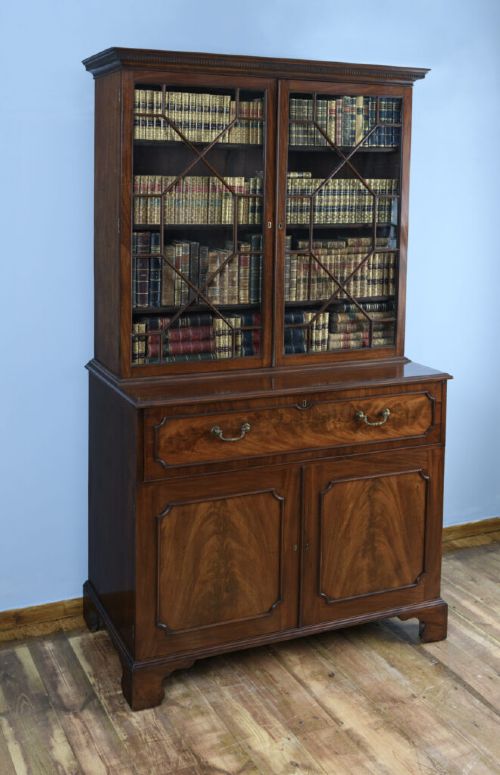
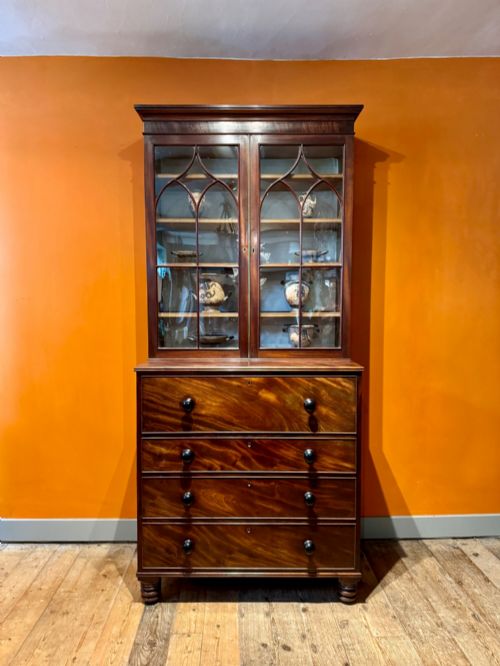
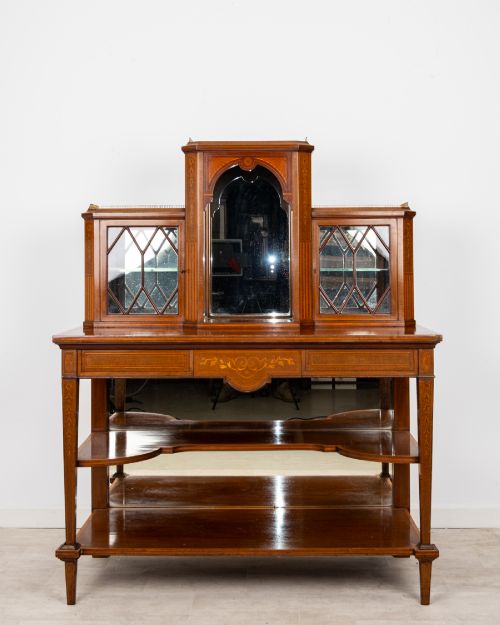
Dark Mahogany Secretary Desk
A dark mahogany secretary desk brings substantial presence and practical workspace to a room, offering enclosed storage and a fitted writing surface in rich timber.
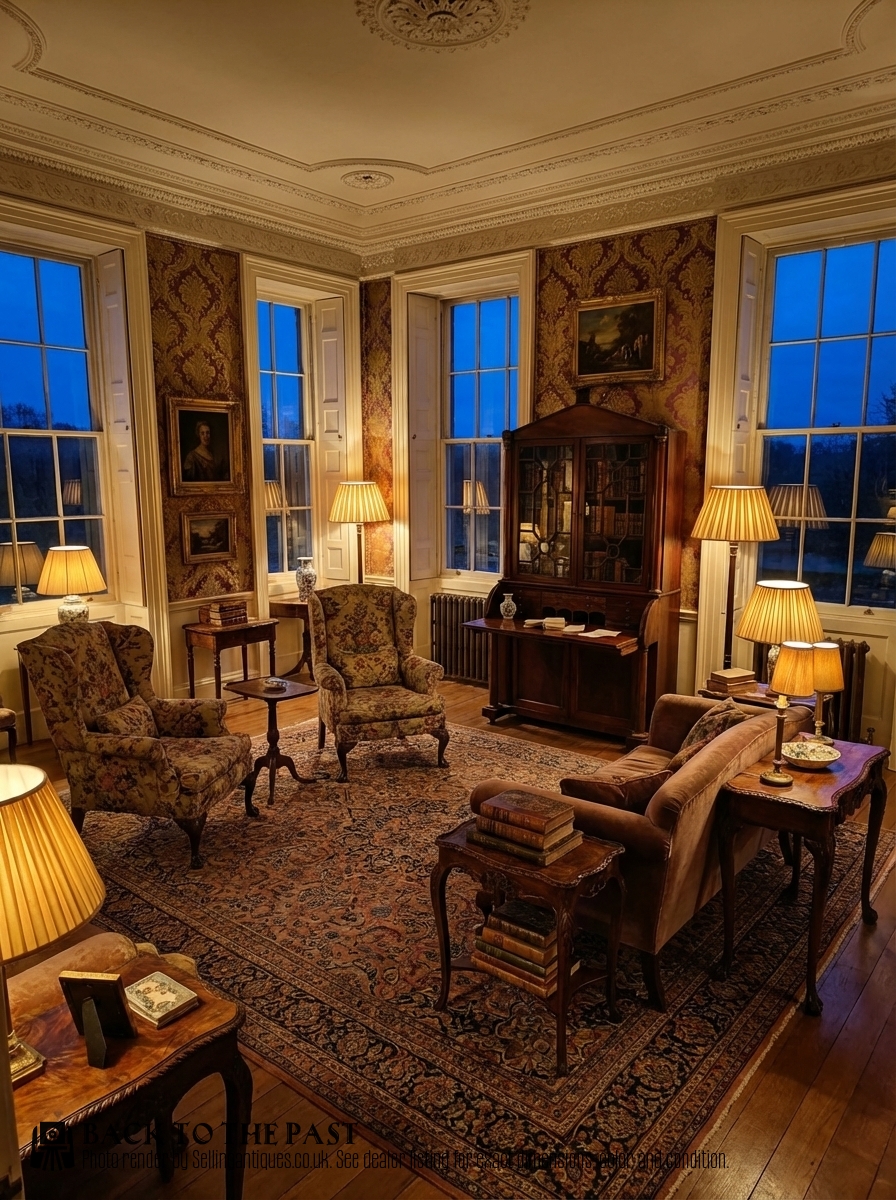
What They Are
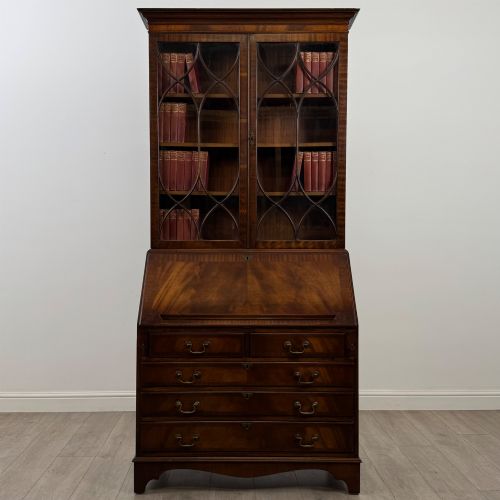
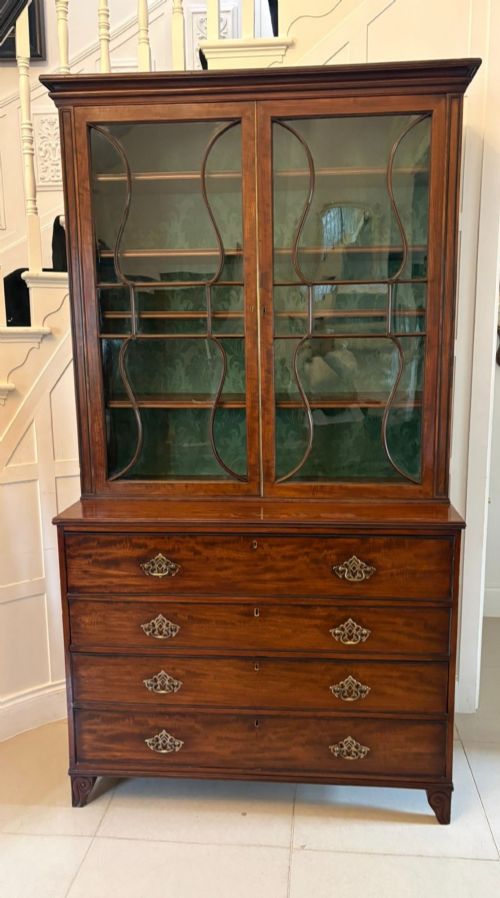
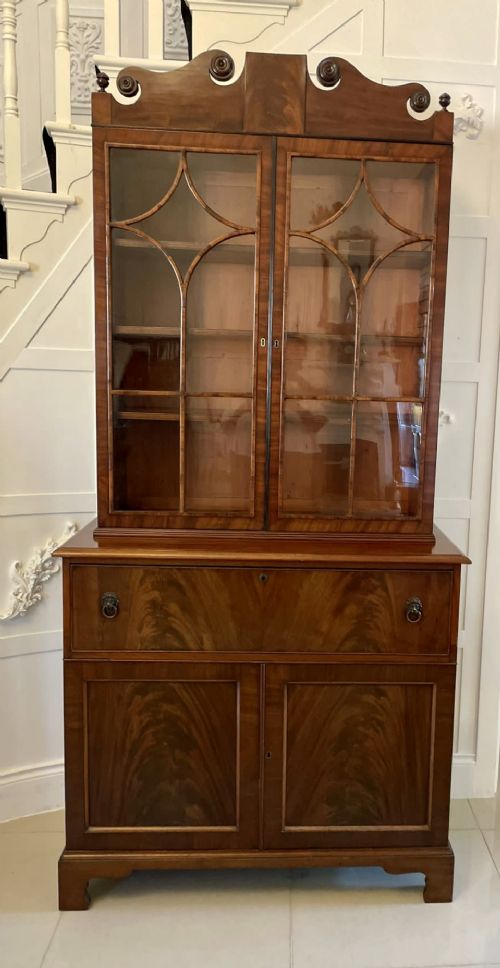
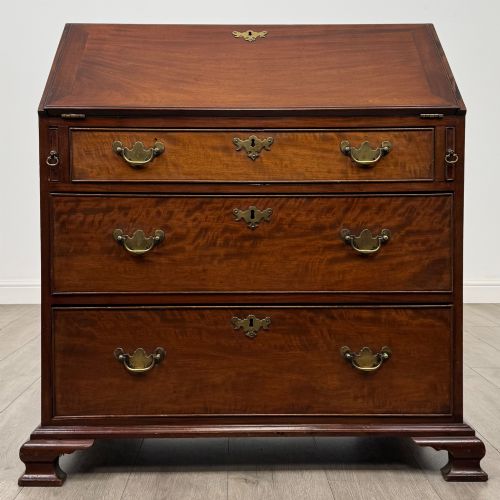
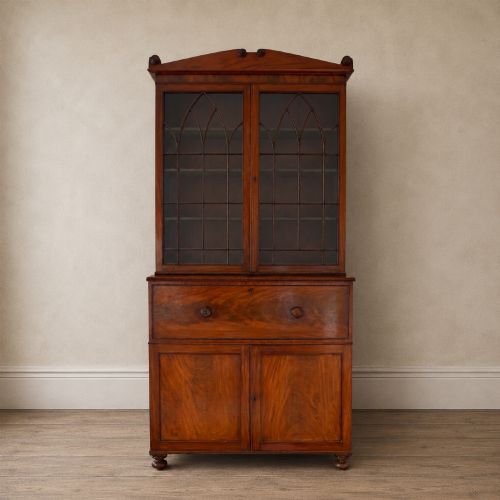
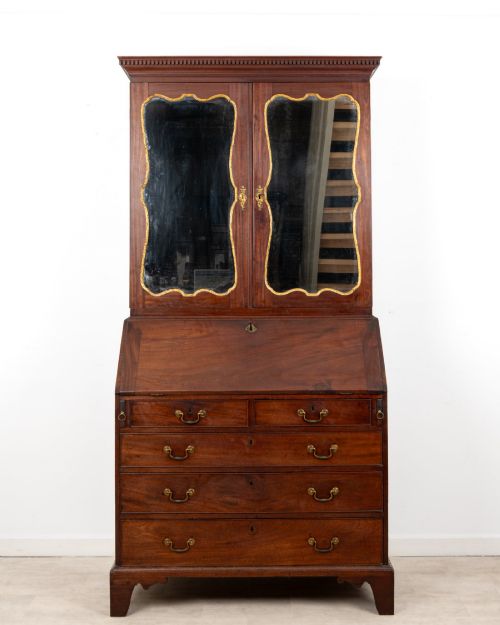
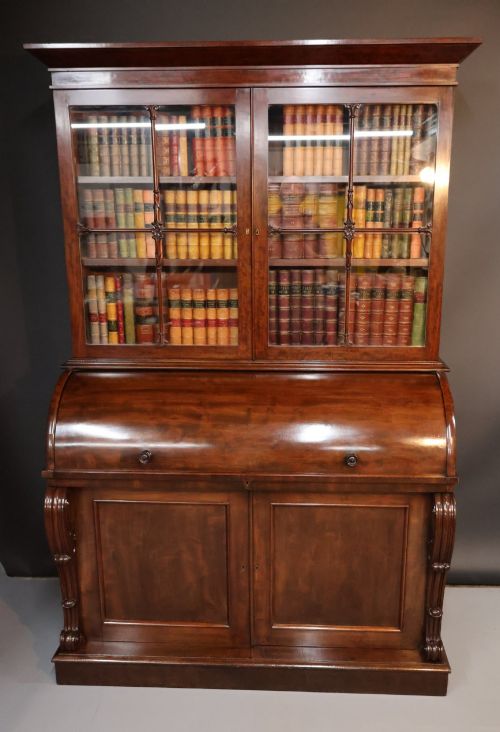
When buyers search for a dark mahogany secretary desk, they encounter large dual-purpose furniture pieces designed for storage and writing. The selection spans bureau bookcases, secretaire bookcases, and bureau cabinets on stand.
The pieces on this page originate from distinct eras including the Georgian period, the 18th century, the 19th century, and the Regency era. Examples range from George II and George III designs to Irish Georgian and early 19th-century variants.
Most items combine a lower writing cabinet with an upper bookcase section, often featuring glazed doors. The primary form functions as a bureau or desk with fitted compartments below shelving.
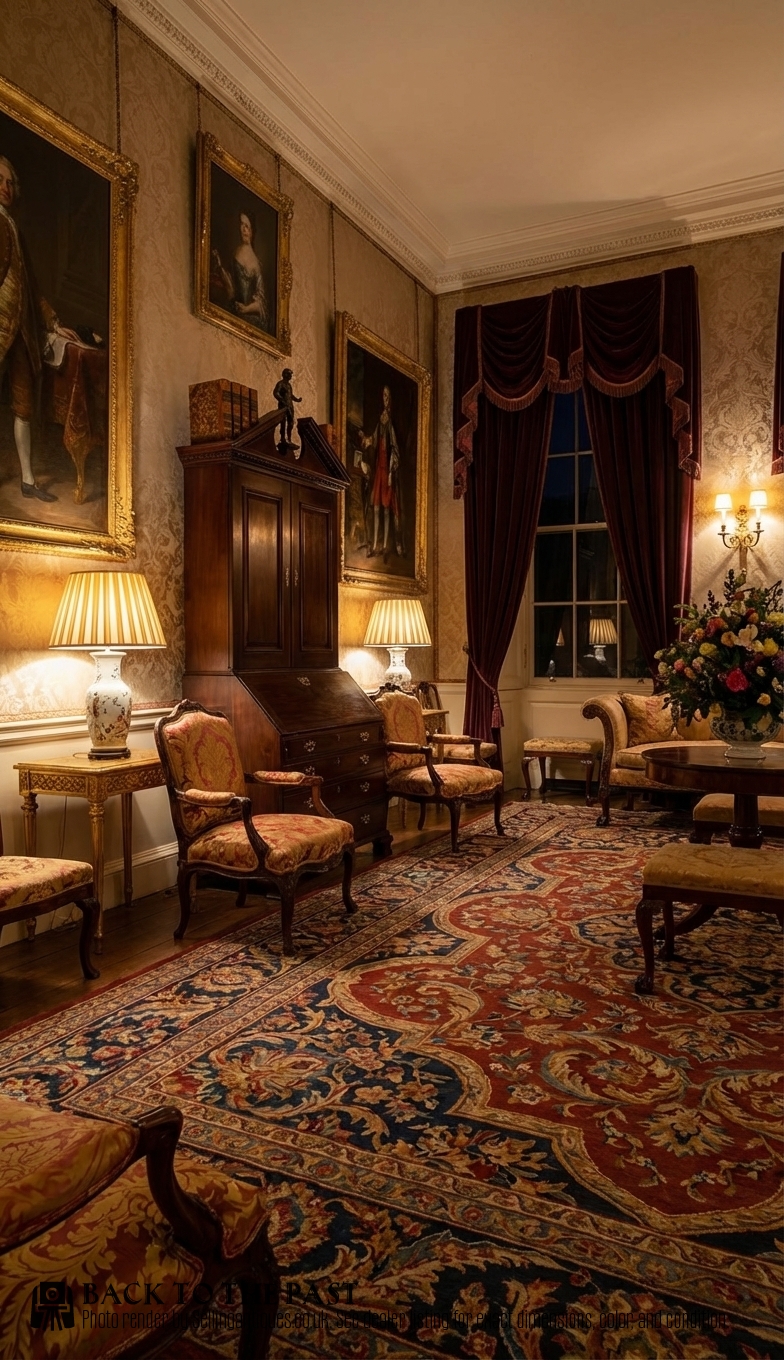
How They Were Made
Construction relies heavily on mahogany as the principal timber, supplemented by oak for secondary framing elements. Brass hardware provides functional hinges and pulls across the cabinet doors and drawers.
Glazing appears on upper bookcase sections, utilising glass panes often styled with astral bars. Workshops combined cabinetmaking and joinery techniques to house the complex bureau interiors and heavy top sections.
Retail Price Guide 2026
Typical UK retail prices for dark mahogany secretary desk, calculated from the Sellingantiques database of over a million retail prices indexed since 2003. This retail price guide relies exclusively on Sellingantiques data; no external sources or auction records are used, so the figures do not describe the wider market.
Current listings span the Georgian, 18th century, 19th century, and Regency periods, utilising mahogany, oak, brass, and glass.
What Varies in Quality
The refinement of the timber and the sophistication of the internal stationery fittings dictate the standing of each piece. Superior examples display carefully selected mahogany grain patterns and precise joinery across the writing compartments.
Stylistic flourishes such as astral glazed doors and regional cabinetmaking traits, including Irish Georgian characteristics, separate standard bureau bookcases from more ambitious workshop productions.

George III Gillows
The Dark Mahogany Secretary Desk Glossary
- Bureau bookcase
- A dual-purpose furniture form combining a sloping or fall-front writing desk with an upper shelving cabinet. This piece provides both enclosed display space and a functional writing surface.
- Astral glazed
- A method of dividing glass panes in cabinet doors using slender wooden bars. This technique creates geometric patterns across the front of the upper bookcase.
- Secretaire
- A dedicated writing cabinet or drawer featuring a drop-front mechanism that conceals internal pigeonholes and small drawers. It forms the core writing area of the desk.
- Cabinet on stand
- A distinct furniture configuration where a storage cabinet rests upon a separate supporting frame with legs. This form appears in earlier 18th-century pieces.
Frequently Asked Questions
What is a dark mahogany secretary desk?
A dark mahogany secretary desk is a large storage and writing combination piece, typically featuring a bureau base and an upper bookcase.
These items utilise rich mahogany timber and often include glazed upper doors for displaying books or objects.
How do I date a mahogany bureau bookcase?
Dating relies on stylistic indicators such as Georgian, Regency, or specific 18th and 19th-century design markers.
Construction methods, timber selection, and hardware styles also help distinguish between periods like George II and the early 19th century.
What materials are used in these desks?
The primary timber is mahogany, frequently paired with oak for internal linings and drawer construction.
Brass hardware and glass panes for astral glazed doors complete the primary material palette.
Where were these pieces made?
The pieces originate from British and Irish workshops spanning the 18th and 19th centuries.
Regional variations, such as Irish Georgian styling, introduce distinct local cabinetmaking characteristics.