
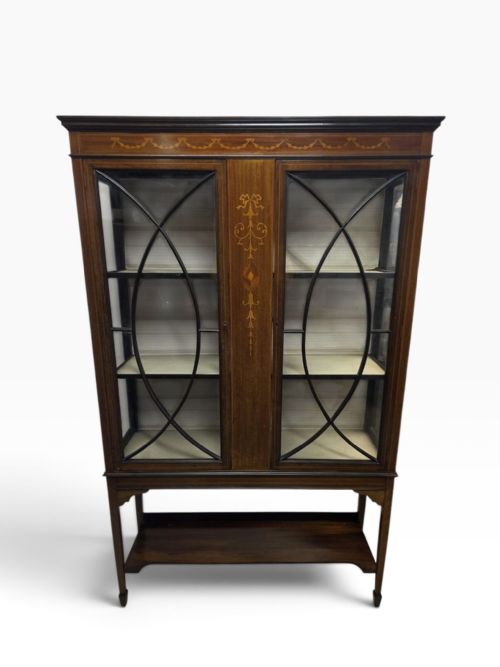
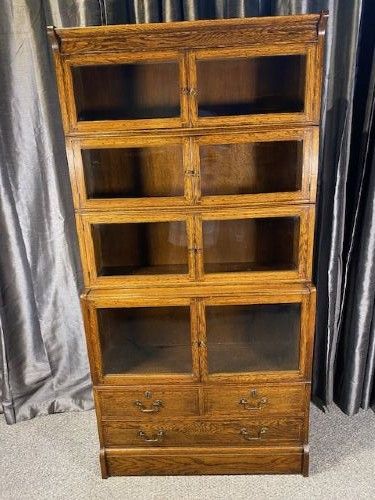
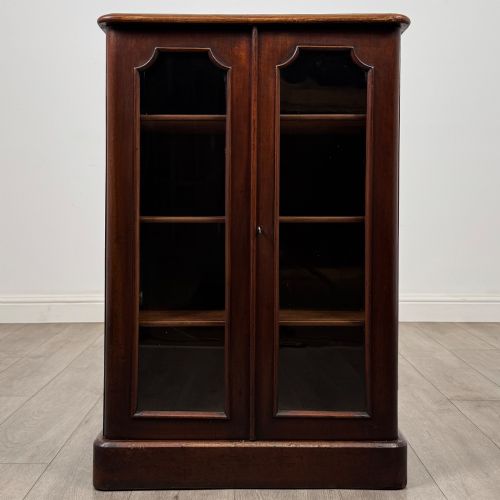
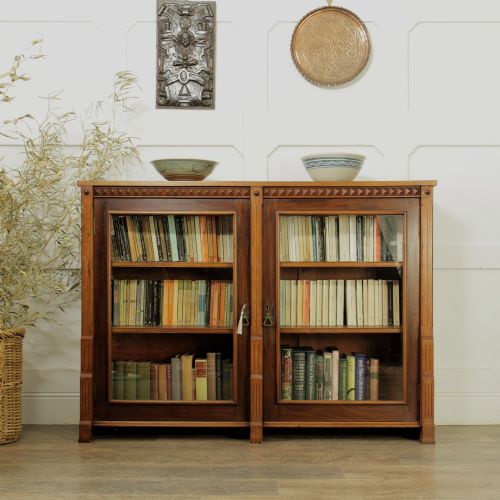
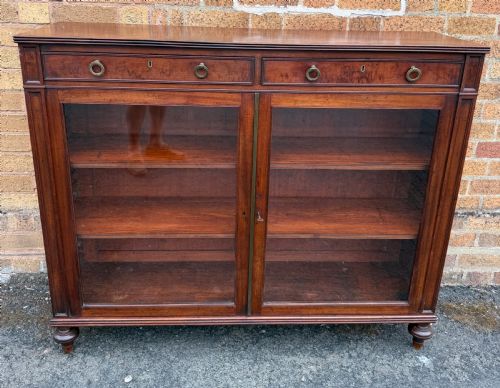
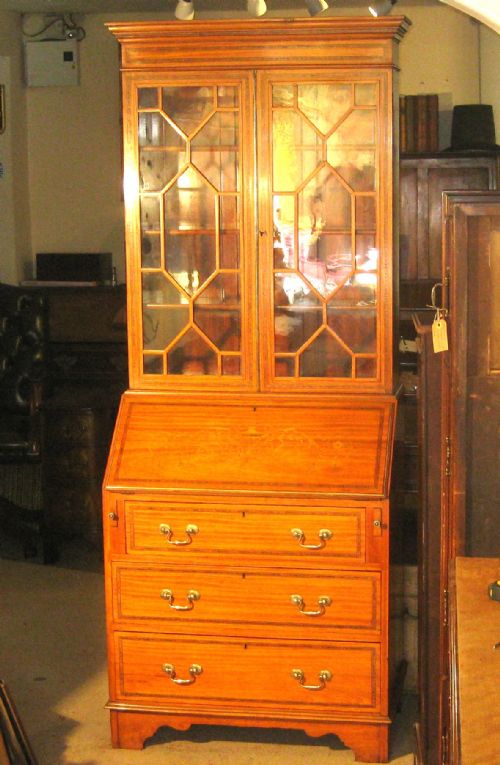
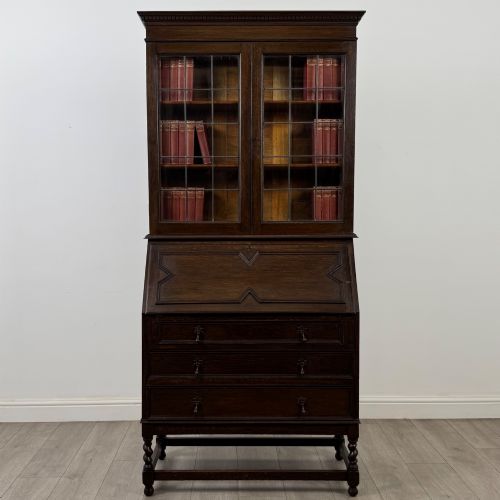
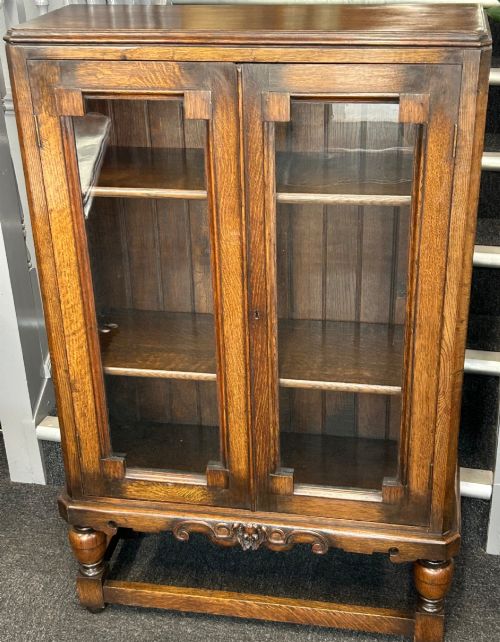
Vintage Glass Front Bookcase
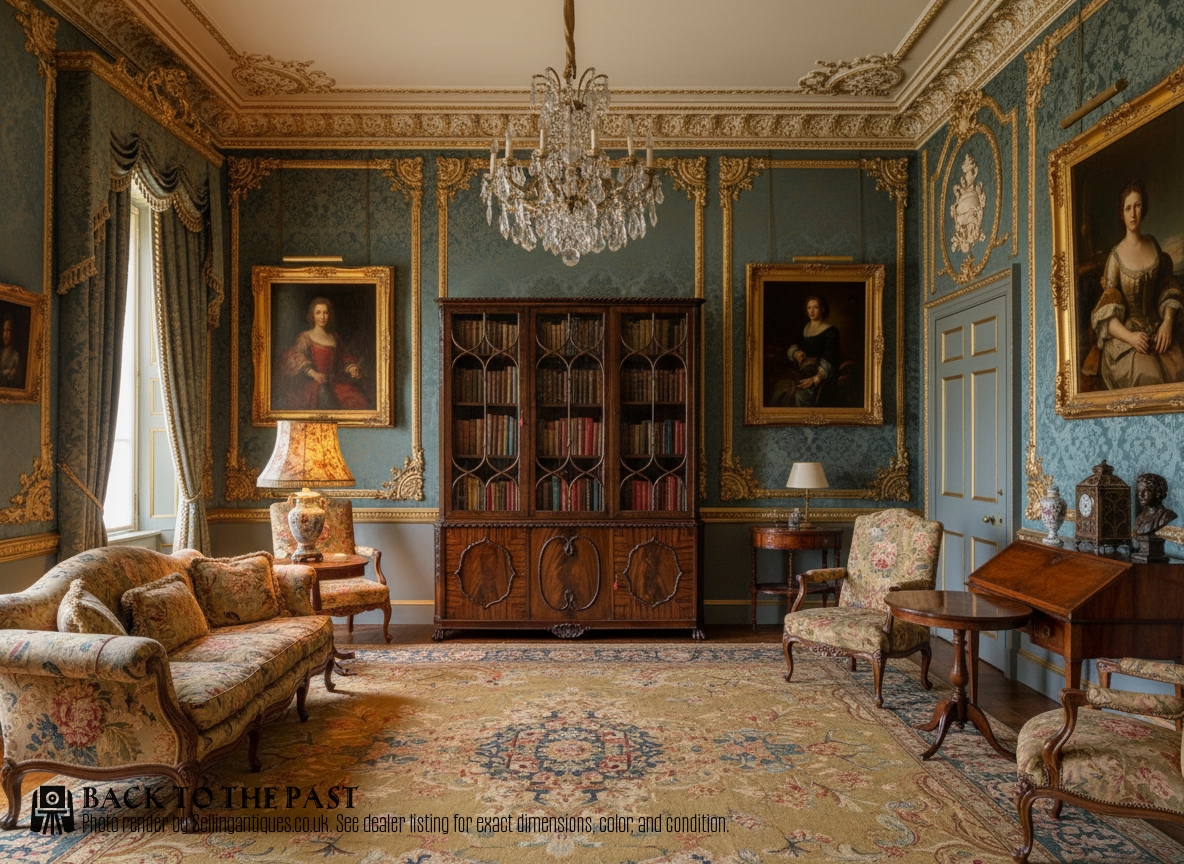
A vintage glass front bookcase stores a library while framing volumes behind glazed doors, offering practical protection alongside the warmth of polished timber.
Vintage Glass Front Bookcase
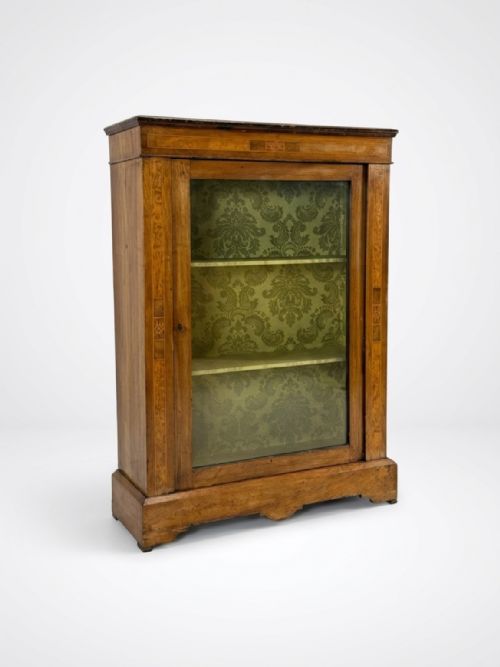
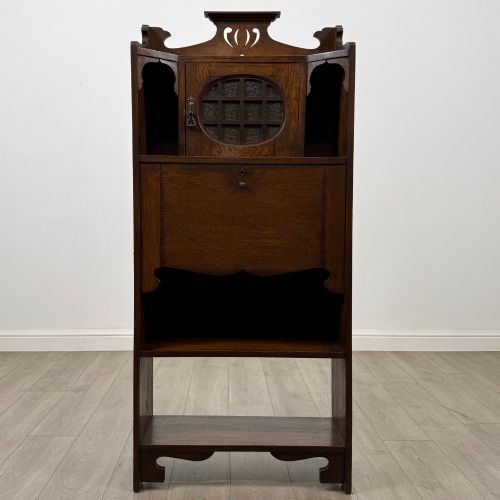
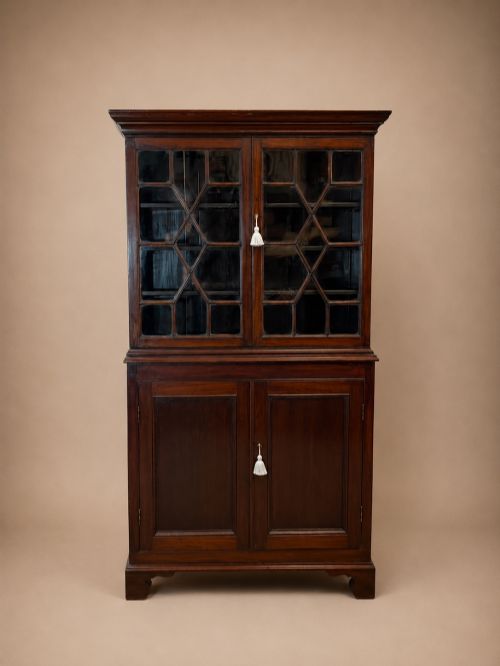
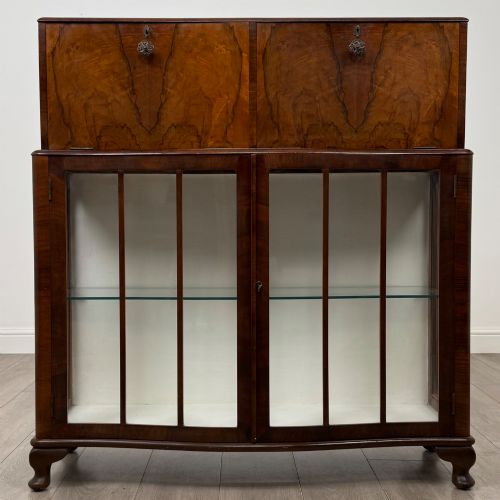
A vintage glass front bookcase provides visible storage for books and display items, appearing frequently in Edwardian and Victorian forms across these listings. Buyers seek these pieces to house libraries while keeping volumes free from dust behind glazed panels.
The selections range from tall double-glazed library pieces and bureau bookcases with fitted writing desks to sectional barrister designs and corner cabinets. Mahogany and oak dominate the forms, supplemented by walnut, satinwood and painted finishes.
Originating across the nineteenth and early twentieth centuries, these cabinets reflect periods including the Georgian era, Victorian reign, Edwardian years and the 1930s. The assortment spans simple utilitarian stacking sections to elaborate inlaid display cabinets.
How they were made
Cabinet makers constructed the primary carcasses of these bookcases using solid and veneered timbers such as mahogany, oak and walnut. Grain patterns were selected carefully for prominent display doors and drawer fronts.
Glass panes are fitted into timber frames or secured with lead cames, whilst brass hardware operates hinges, locks and dropping desk sections. Inlaid details utilise contrasting satinwood and other fine timbers to form decorative borders.
Vintage Glass Front Bookcase Retail Price Guide 2026
Typical asking prices for vintage glass front bookcase among the pieces listed under this phrase on Sellingantiques today, from the lower quarter to the upper quarter. They describe what is for sale here now, not the wider market.
Early lawyers stacked their legal volumes in modular boxes so they could move their entire library to the next courthouse in one trip.
What varies in quality
Quality shows in the selection of timber veneers and the precision of inlaid stringing. Finely figured walnut and richly grained mahogany distinguish superior examples from plain utility pieces.
Construction methods determine durability, visible in the snugness of glazed door joints, the integrity of brass mounts and the smooth operation of stacking modular sections or bureau drawers.
Maple & Co.·Globe Wernicke·Lebus
The Vintage Glass Front Bookcase Glossary
- Bureau bookcase
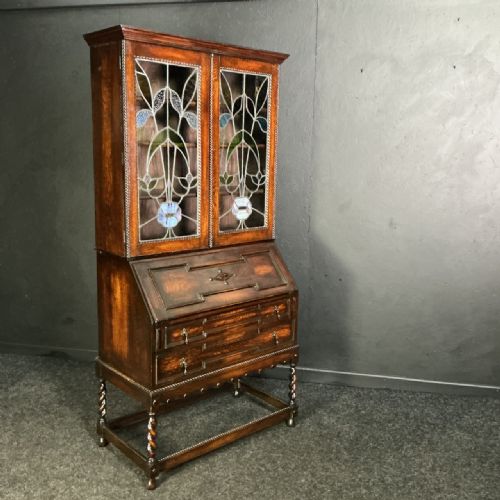
- A combination furniture piece featuring a sloping writing flap above shelving enclosed by glass doors. It provides both a working desk surface and upper storage.
- Barrister bookcase
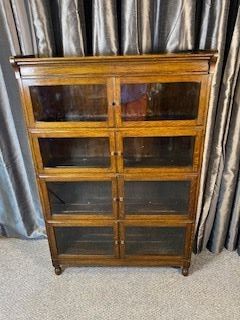
- A modular sectional bookcase featuring glass-fronted tiers that lift and slide inward on pivot mechanisms. This design allows sections to stack vertically without permanent fixings.
- Astragal glazed
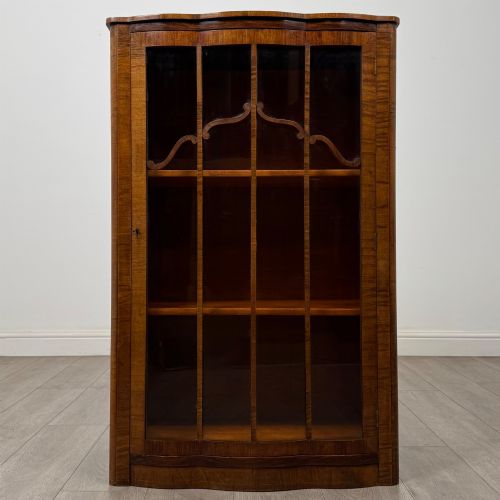
- A window or door frame divided into smaller glass panes by narrow timber mouldings known as astragals. This technique creates a geometric grid pattern across the front.
- Secretaire bookcase
- A tall storage unit containing a pull-out drawer fitted with a drop-front writing surface and small internal compartments. Above this desk section sit glazed shelving doors.
- Vitrine
- A glass-sided display cabinet designed primarily for exhibiting porcelain and ornaments rather than holding heavy books. These items often feature glazed side panels as well as front doors.
- Pier cabinet
- A low nineteenth century display cabinet designed specifically to stand against the narrow wall space between windows. These pieces frequently incorporate satinwood inlay and brass mounts.
Vintage Glass Front Bookcase: Frequently Asked Questions
How do sectional barrister bookcases work?
Sectional barrister bookcases consist of individual stacking tiers, each fitted with a glass door that lifts and slides back into the cabinet above the books. This modular design allowed lawyers and offices to add tiers as their libraries grew.
The separate units rest one upon another without heavy fixings, making them simple to transport and rearrange. Individual sections usually lock together using internal pins or side brackets.
What is the difference between a vitrine and a bookcase?
A vitrine is primarily a display cabinet featuring glass panels on both the front and the sides to showcase decorative objects and porcelain from multiple angles. A bookcase is built specifically for holding books, typically with solid timber sides and a glazed front.
While both offer glass protection, bookcases often incorporate adjustable wooden shelving for heavy volumes, whereas vitrines tend to use lighter internal fittings suited to fragile ornaments.
Can I adjust the shelves in these cabinets?
Many Edwardian and Victorian bookcases feature fixed internal shelving supported by permanent timber ledges or traditional tongue-and-groove construction. Later sectional and modular designs use independent tiers where shelf placement is fixed by the height of each individual box.
Where adjustable wooden shelving appears, it relies on traditional brass rack strips or wooden sawtooth supports set into the interior sides. Buyers planning to store unusually large volumes should check the internal clearance heights.
How should I care for antique glass and timber?
Maintain the timber surfaces of these cabinets by applying natural beeswax periodically to nourish the grain and preserve the polish. Avoid placing pieces in direct sunlight or near heat sources to prevent the wood from splitting and veneers from lifting.
Clean the glass panes gently with a mild cloth and standard glass cleaner, taking care not to let moisture seep into timber frames or lead cames. Periodically check brass hinges and locks to ensure smooth movement without forcing stiff mechanisms.