

Georgian Secretary Bookcase
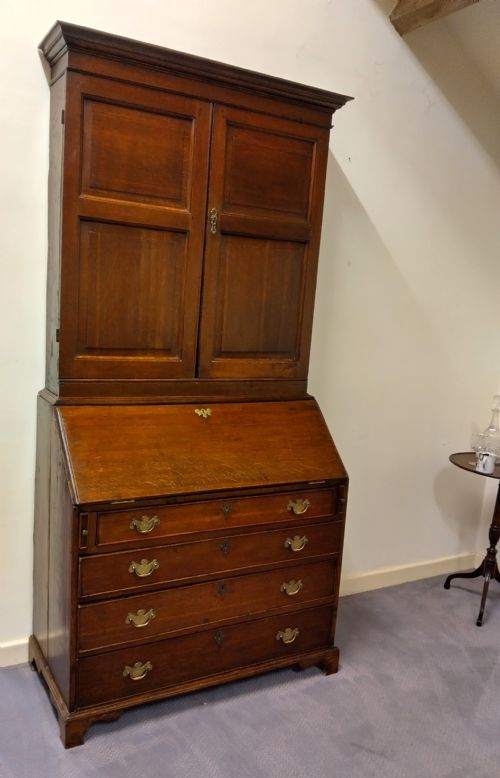
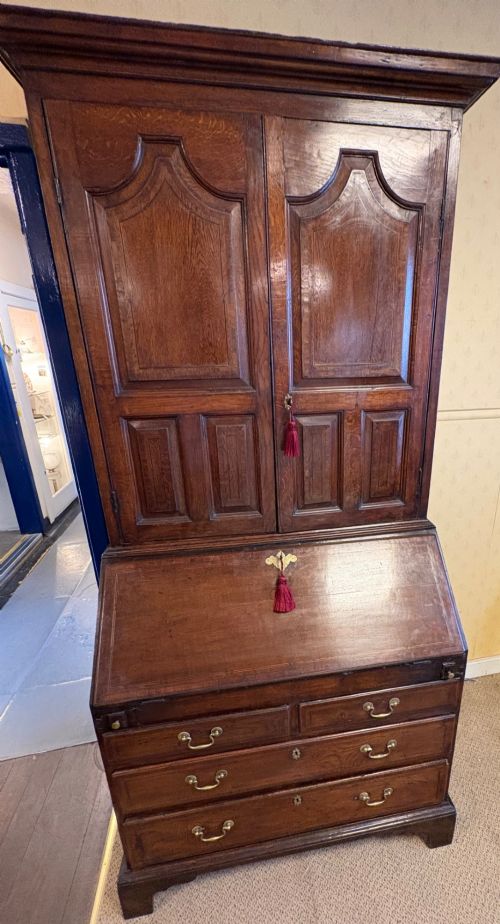
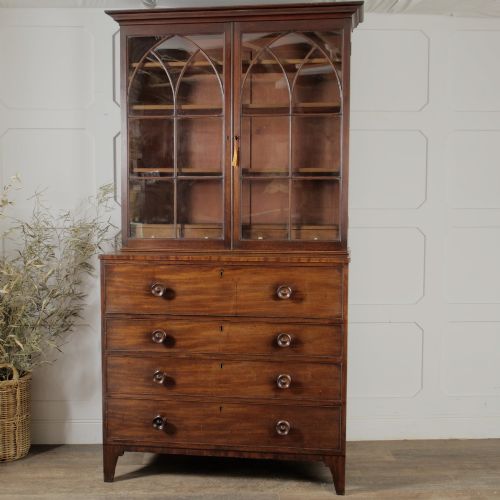
These heavy timber cabinets combine a sloping writing drawer with a glazed upper bookcase to house libraries and correspondence alike.
Georgian Secretary Bookcase
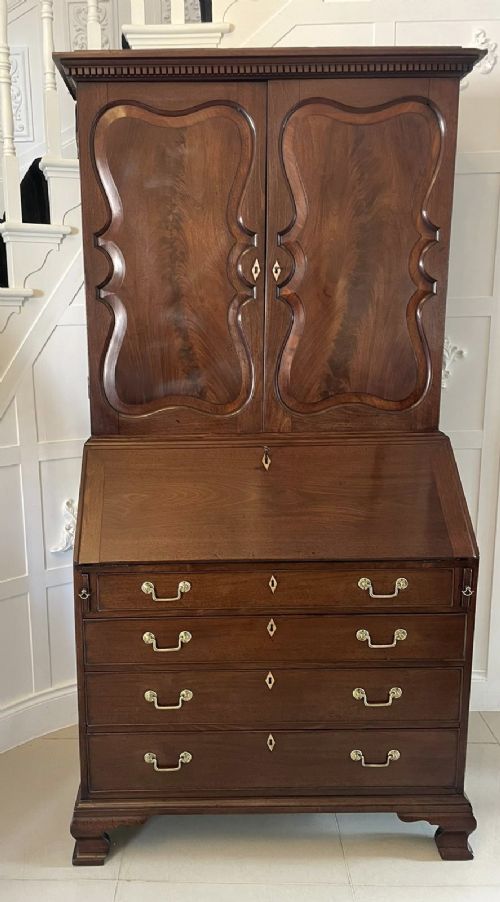
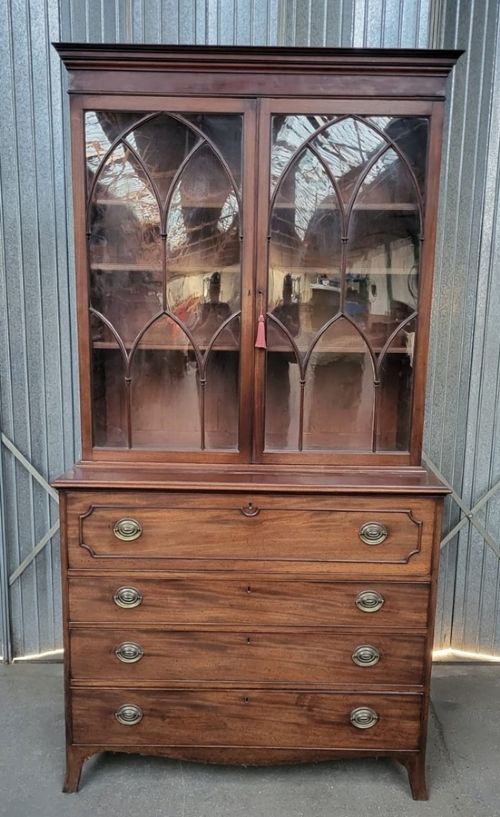
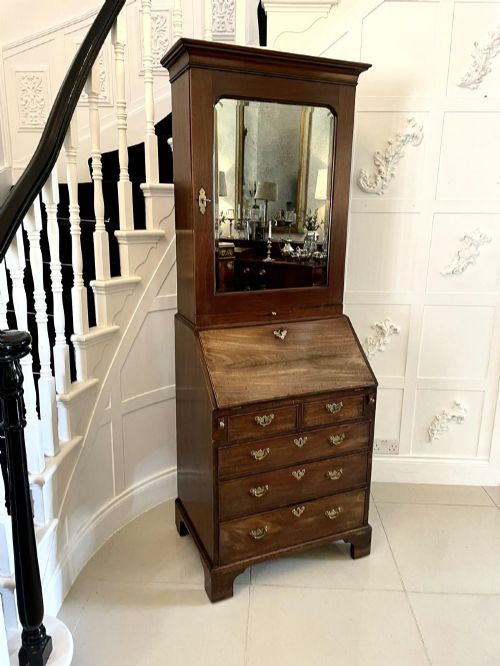
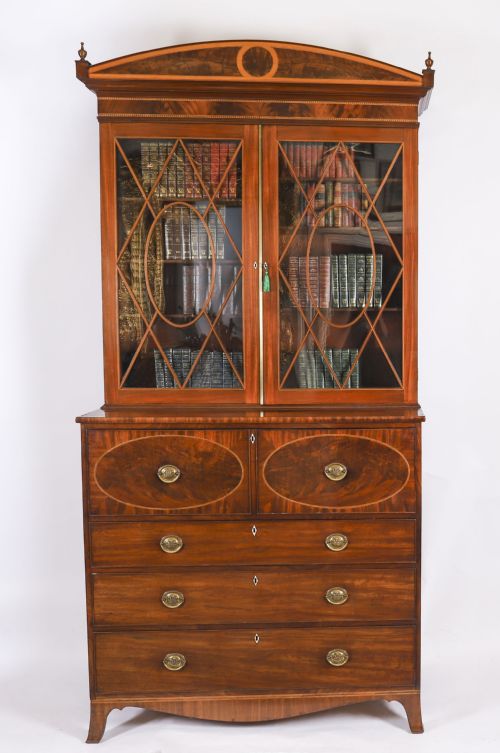
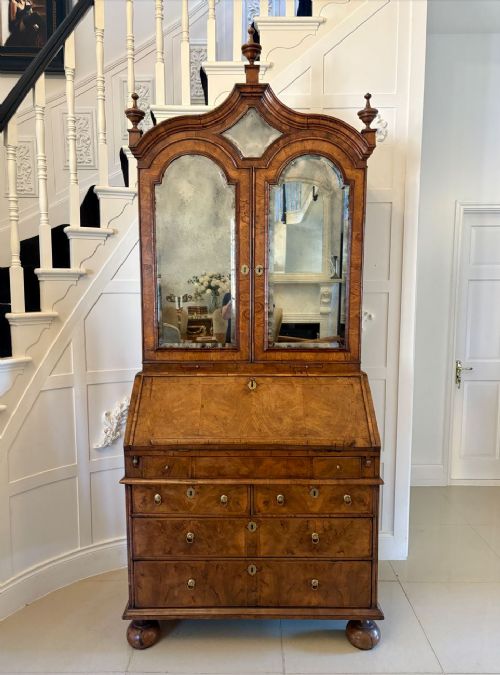
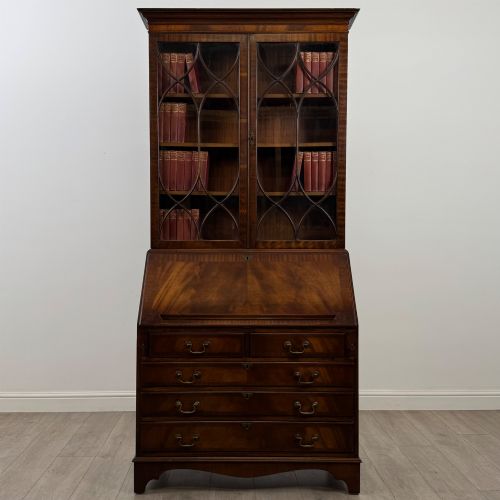
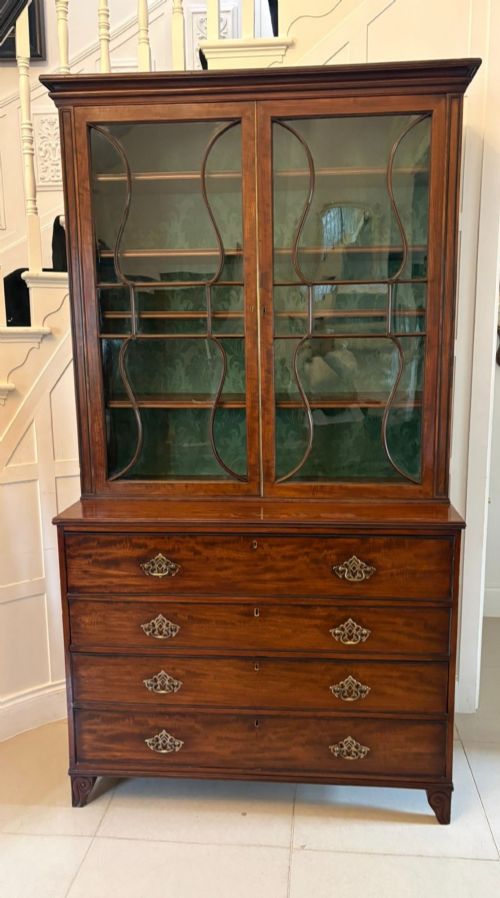
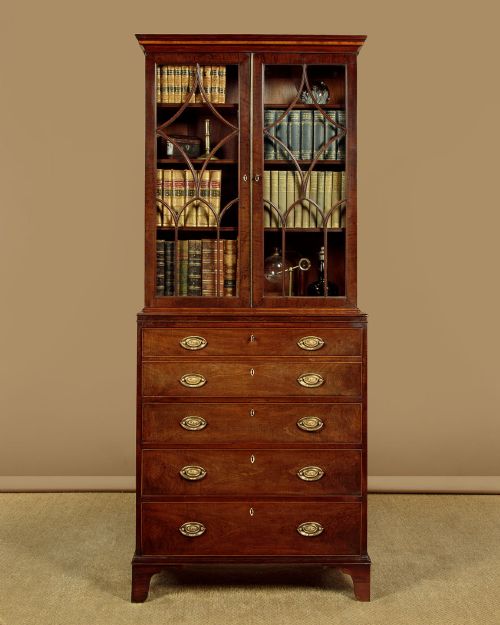
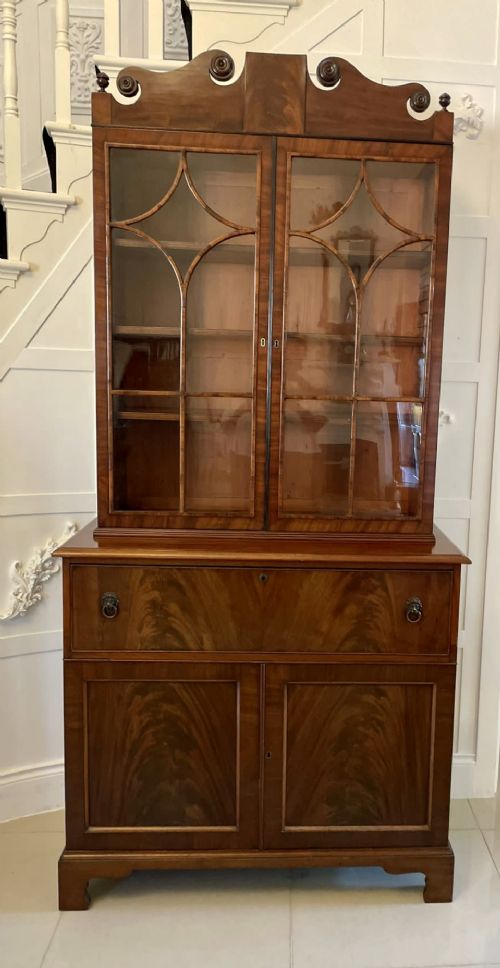
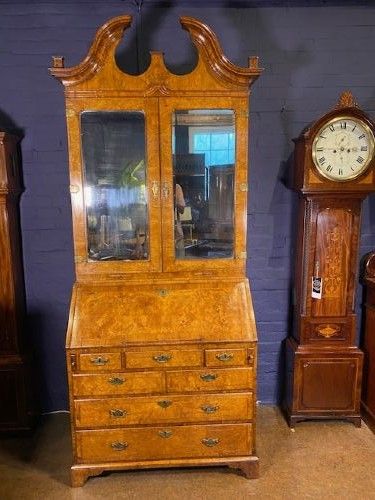
A georgian secretary bookcase is a towering two-part furniture form uniting a lower desk component with an upper shelved cabinet enclosed by glass doors. Buyers searching for this phrase encounter examples spanning the eighteenth and nineteenth centuries, alongside later Edwardian interpretations built in historic styles.
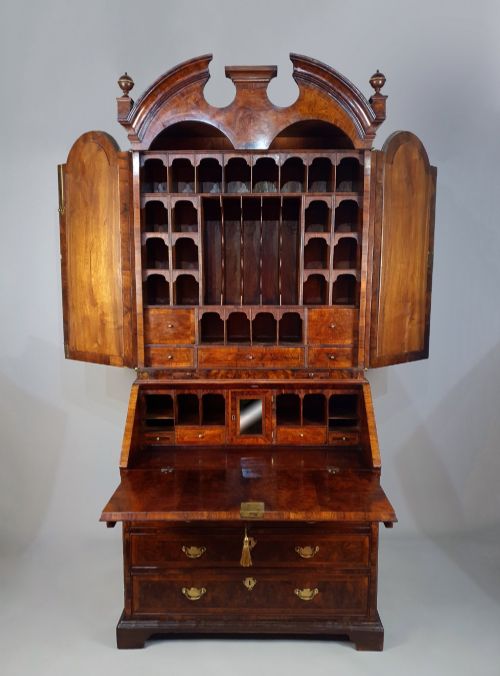
The lower section typically deploys a fall-front desk flap or a pull-out secretaire drawer that conceals pigeonholes, small drawers, and secret compartments. Above this writing surface sits the tall bookcase section, frequently fitted with adjustable wooden shelving and glazed panes.
Mahogany and burr walnut dominate the pieces listed here, appearing alongside earlier oak examples and occasional decorative treatments like yew wood and Chinoiserie. Proportions range from tall, imposing library cabinets down to smaller domestic bureau bookcases designed for compact chambers.
Materials and Construction Methods
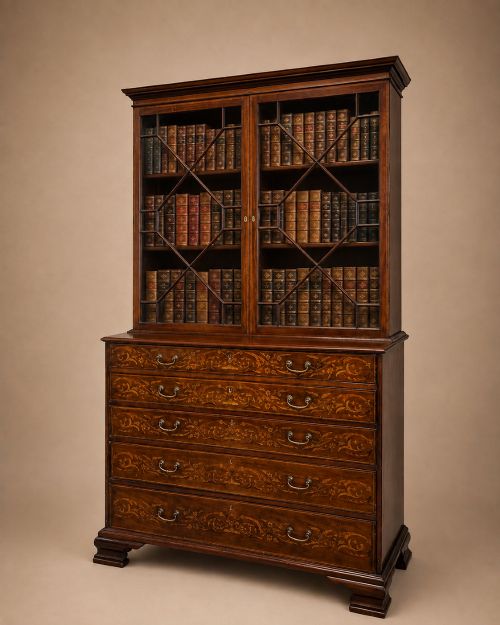
Cabinetmakers constructed these pieces using solid timbers for structural frames combined with matched veneers across prominent drawer fronts and fall flaps. Mahogany and burr walnut provide the primary decorative surfaces, often enhanced with featherbanding, inlay, or marquetry details.
Upper glazed doors utilise slender timber astragals to hold individual panes of glass securely within the frame. Brass hardware, including drop handles, escutcheons, and hinges, secures the doors and drawers while providing functional contrast to the dark wood.
Interior compartments feature closely fitted pigeonholes and miniature drawers assembled with traditional dovetail joints. Candle slides pull out beneath the upper cabinet doors on select walnut and mahogany models to illuminate the writing desk below.
Georgian Secretary Bookcase Retail Price Guide 2026
Typical asking prices for georgian secretary bookcase among the pieces listed under this phrase on Sellingantiques today, from the lower quarter to the upper quarter. They describe what is for sale here now, not the wider market.
One early oak bureau bookcase arrived with a past television adaptation, proving that even historic library furniture eventually embraces modern entertainment.
Distinguishing Quality and Execution
The grade of timber selection dictates the visual impact, separating plain boards from richly figured flame mahogany and highly burred walnut veneers. Master cabinetmakers aligned grain patterns carefully across multiple drawer fronts to create balanced, symmetrical facades.
Internal joinery standards reveal the maker's hand, particularly in the complexity of the fitted desk interior and secret compartments. Cleanly cut dovetails, finely moulded astragals on glazed doors, and original brass hardware denote superior workshop execution.
Thomas Chippendale·Tudor and Burrey Shrewsbury·Gillows of Lancaster·Gillows
The Georgian Secretary Bookcase Glossary
- Secretaire drawer
- A pull-out drawer fitted with a drop-down front that conceals an internal writing surface and small storage compartments. This mechanism allows the user to write without lowering a bulky desk flap.
- Astragal
- A small wooden moulding used in the upper doors to divide glass panes into geometric patterns. Fine astragals require precise joinery to maintain structural integrity.
- Burr walnut
- Timber harvested from walnut tree growths, producing swirling, highly decorative grain patterns. Cabinetmakers sliced this wood into thin veneers for high-status furniture.
- Featherbanding
- A decorative banding technique using small pieces of veneer arranged in a herringbone pattern to outline drawer edges. It requires exceptional precision from the marquetry cutter.
- Candle slide
- A pull-out wooden board mounted beneath the upper bookcase doors to hold lighting fixtures. These slides illuminated the desk surface before the advent of gas and electric lighting.
Georgian Secretary Bookcase: Frequently Asked Questions
How do I tell periods apart?
Early eighteenth-century pieces often utilise burr walnut with featherbanding and candle slides, reflecting Queen Anne and George I tastes. Mid to late-century examples lean towards figured mahogany with architectural pediments and fine inlay.
Nineteenth-century variants, including Regency and William IV iterations, incorporate bolder grain figures and heavier proportions. Edwardian pieces reproduce these earlier styles while sometimes employing alternative timbers such as yew wood.
How were they used historically?
Owners used the drop-front desk or secretaire drawer for writing letters, managing household accounts, and storing private documents. The interior pigeonholes kept stationery organised while lockable doors secured valuable papers.
The upper shelves held prized book collections, keeping volumes free from dust while displaying them to visitors. Candle slides provided direct illumination onto the writing surface during evening hours.
Will they fit in modern rooms?
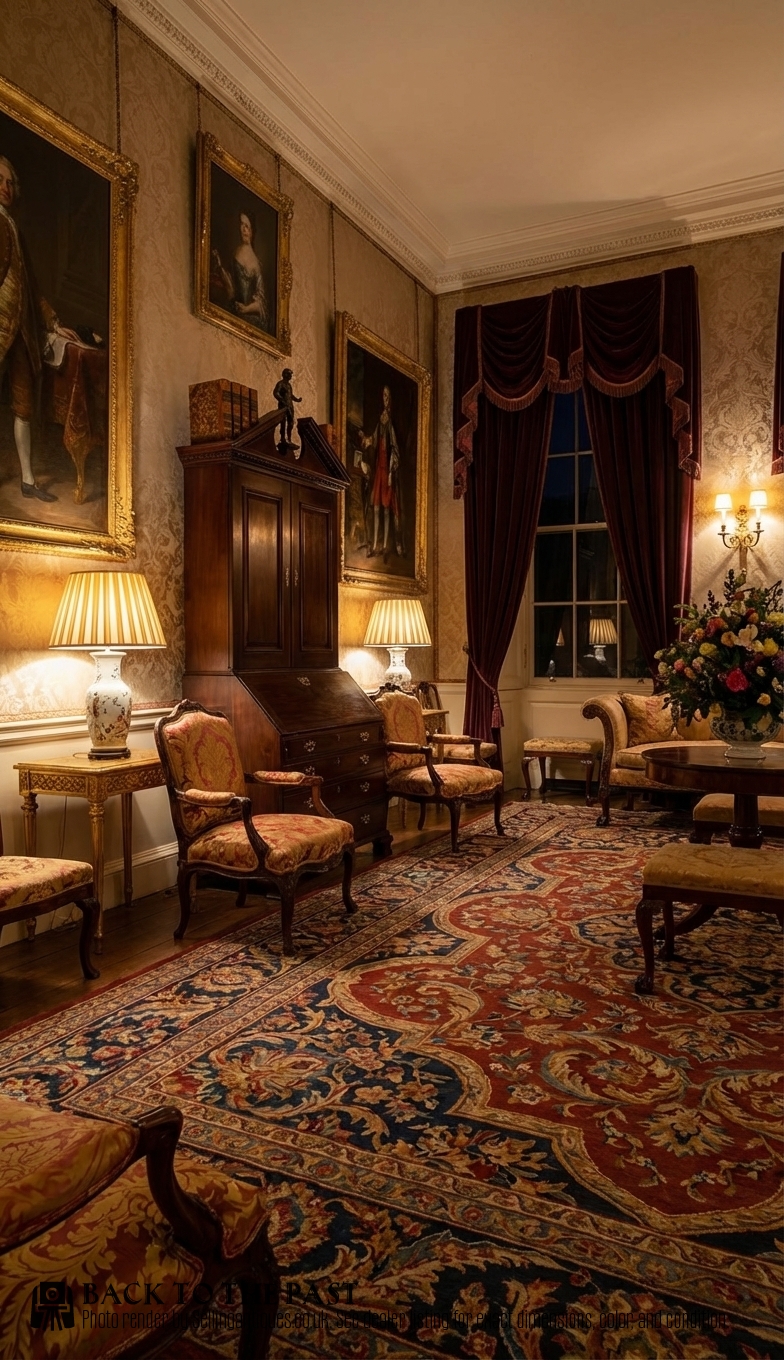
These pieces are tall and deep, requiring adequate wall space and vertical clearance. Measuring ceiling height and floor area before acquisition ensures the cabinet fits comfortably within a domestic room.
While imposing, their slim profiles and compartmentalised storage make them practical for organising books and papers today. The lower desk surface continues to function as a compact writing space.