
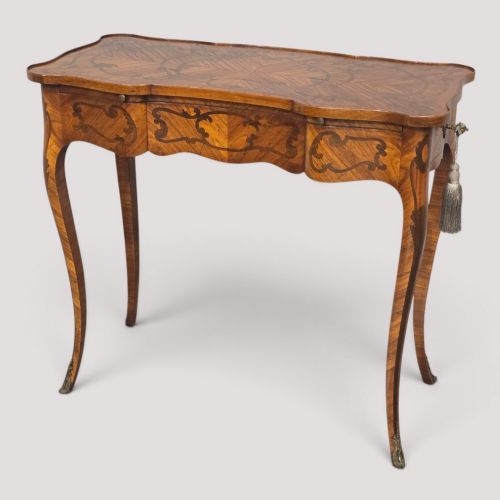
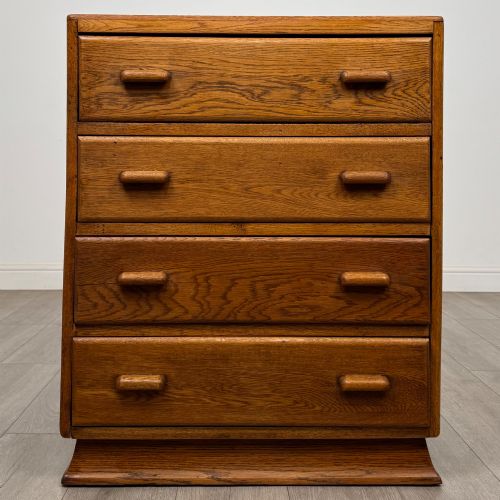
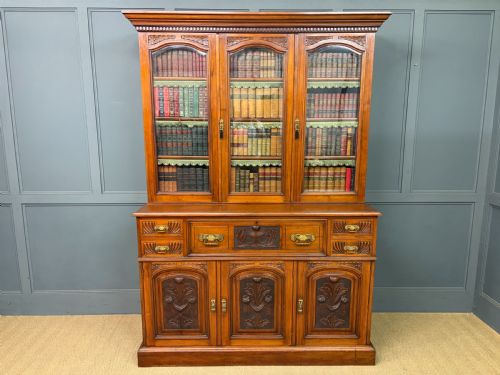
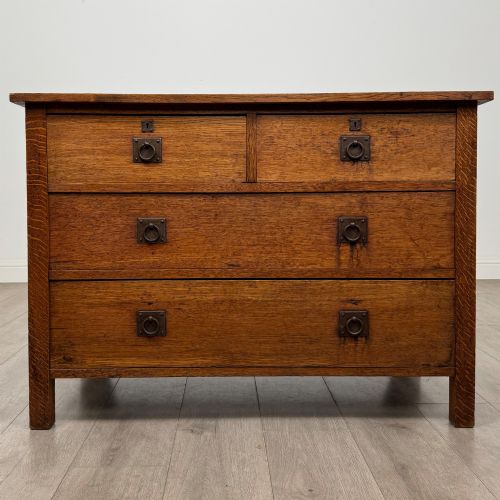
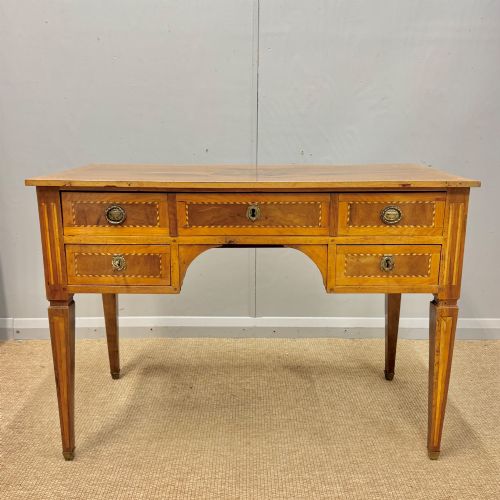
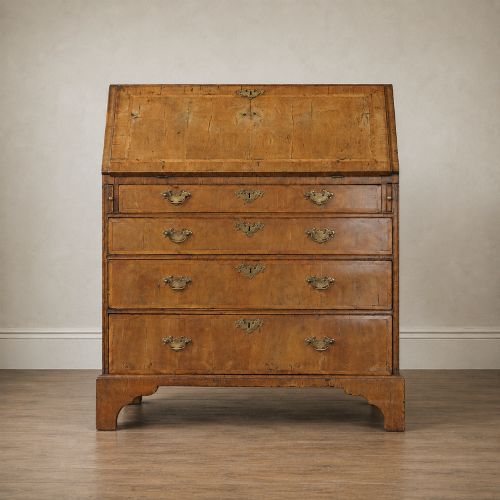
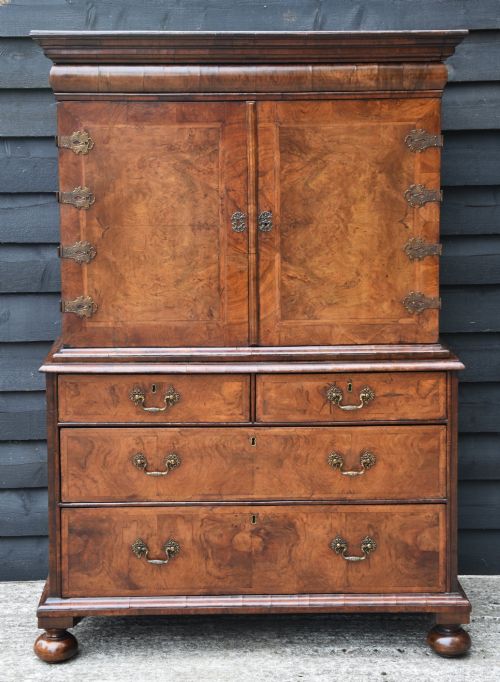
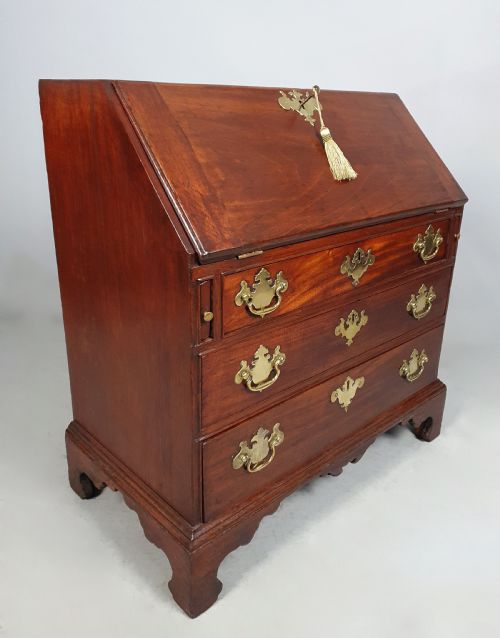
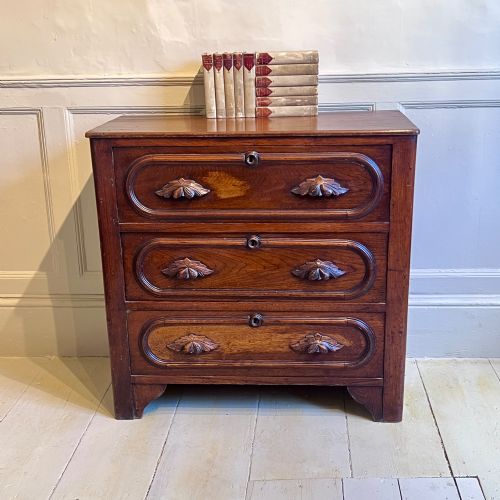
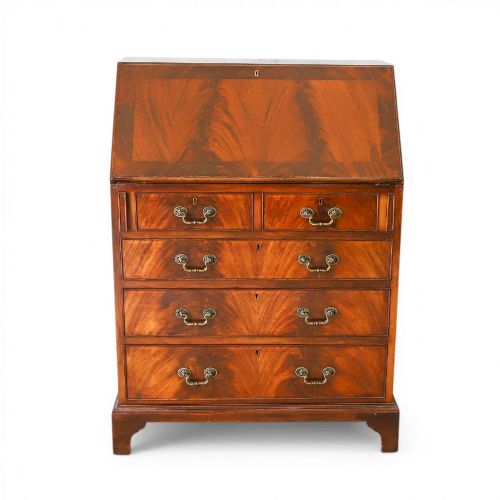
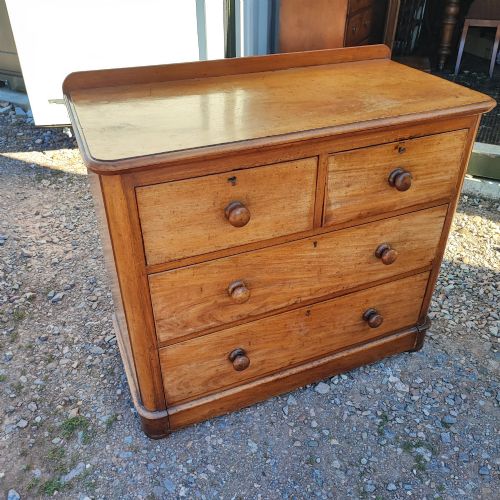
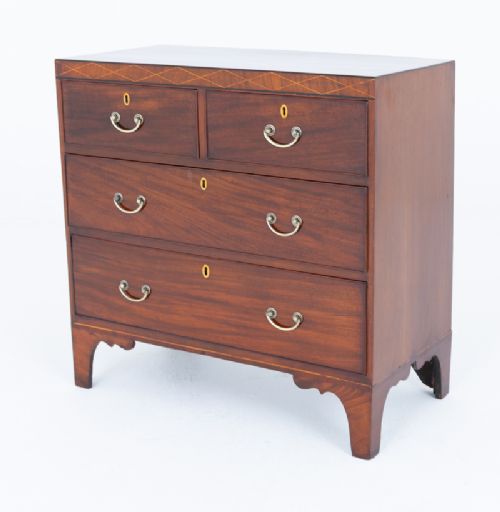
Warm Brown Bureau
These warm brown bureau examples offer practical writing spaces rooted in centuries of cabinetmaking tradition.
What a warm brown bureau is
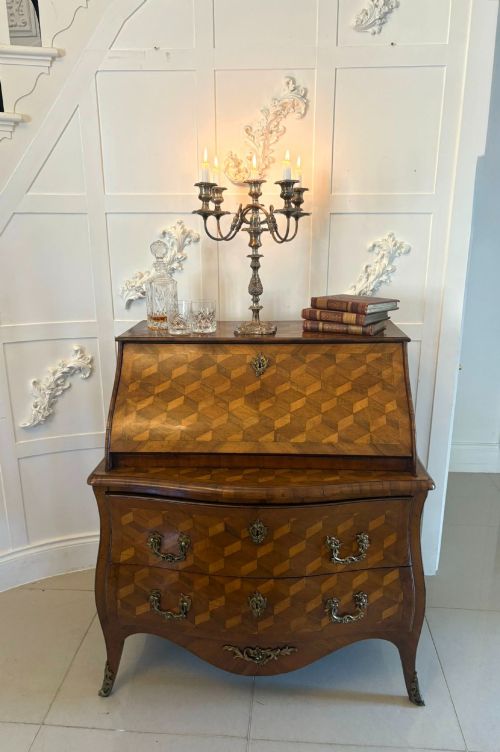
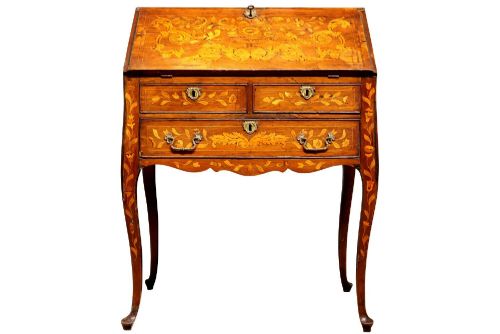
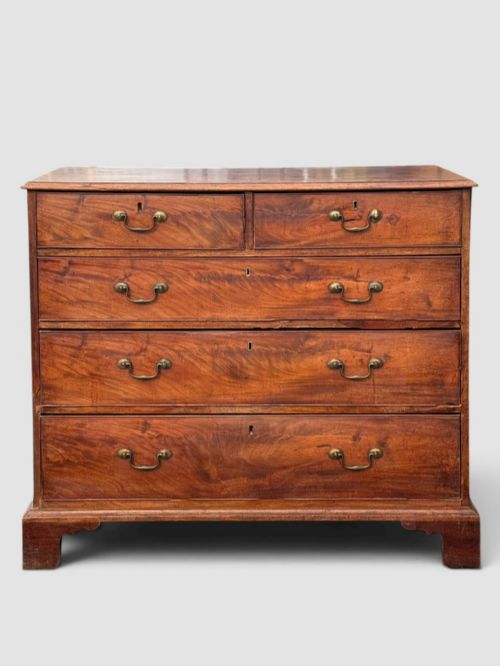
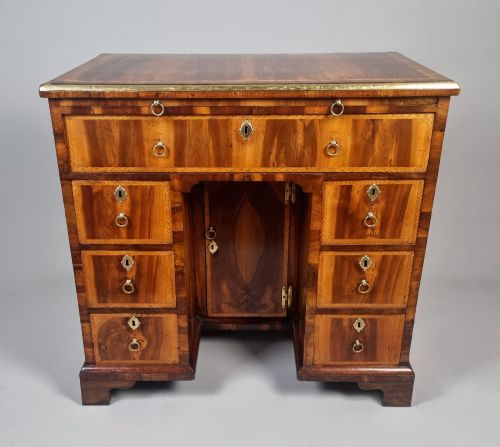
A warm brown bureau provides a dedicated writing surface combined with enclosed drawer storage, forming a functional centrepiece for the home. The pieces found here span several distinct periods, including the eighteenth century, Georgian era, and later Edwardian and revival years.
Forms range from compact fruitwood examples to larger bureau bookcases and secretaire bookcases featuring upper glazed shelving. Walnut, mahogany, and elm appear frequently, reflecting the changing tastes in cabinet timbers across different centuries.
Buyers will encounter both simple writing desks and more complex architectural bureau bookcases. Each variant brings its own combination of fitted internal drawers and pigeonholes designed for correspondence.
How they were made
Cabinetmakers utilised dense timbers such as mahogany, walnut, fruitwood, cedarwood, elm, and satinwood to construct these pieces. Secondary woods like cedarwood and fruitwood provided sturdy interior carcases, while choice veneers created figured exterior surfaces.
Advanced construction techniques included parquetry inlay and bombe shaping, requiring precise hand-cutting of veneers and solid woods. Interiors were carefully fitted with small drawers, pigeonholes, and secret compartments surrounding the central writing flap.
Retail Price Guide 2026
Typical UK retail prices for warm brown bureau, calculated from the Sellingantiques database of over a million retail prices indexed since 2003. This retail price guide relies exclusively on Sellingantiques data; no external sources or auction records are used, so the figures do not describe the wider market.
Materials documented across the pieces include walnut, mahogany, satinwood, fruitwood, cedarwood, elm, brass, and glass.
What varies in quality
The sophistication of the timber figure largely dictates the distinction between standard examples and superior pieces. Highly figured burr walnut and carefully matched mahogany veneers indicate a more ambitious commission from the cabinetmaker.
Internal joinery and the complexity of the fitted desk compartments reveal the original maker's skill. Elaborate pigeonhole arrangements, sliding wells, and secondary secret drawers demonstrate a higher tier of workshop execution than plain utilitarian interiors.
The Warm Brown Bureau Glossary
- Bureau
- A sloping front desk that opens to reveal a writing surface and small interior compartments. It typically sits above a chest of drawers.
- Secretaire bookcase
- A tall piece combining a upper section of shelves with a lower writing drawer or drop-front desk. This dual-purpose form served libraries and studies.
- Parquetry
- Geometric wood inlay patterns assembled from small veneer tiles. It creates decorative surfaces on cabinet fronts and tabletops.
- Bombe
- A swelling or convex curved shape characteristic of advanced continental furniture design. This profile requires skilled shaping of solid timbers or thick veneers.
- Burr walnut
- Timber taken from a tree growth that produces swirling, highly decorative grain patterns. Cabinetmakers prized this material for drawer fronts and primary panels.
Frequently Asked Questions
What is a bureau bookcase?
A bureau bookcase combines a sloping desk compartment with an upper section enclosed by doors, usually glass-fronted for books.
This form provides both workspace and shelving within a single tall item of furniture.
How do I date a walnut bureau?
Dating relies on examining construction methods, timber choices, and hardware styles across different historical periods.
Earlier eighteenth-century pieces often feature distinct cabinet proportions and specific secondary woods compared to later revivals.
Where were these desks used?
These pieces served primarily in private studies, libraries, and drawing rooms for managing correspondence and keeping accounts.
The enclosed writing flap kept private papers secure when not in use.
How do I care for antique timber?
Protect the wood by maintaining stable room humidity and keeping furniture away from direct heat sources.
Regular dusting with a dry cloth preserves the natural polish without building up heavy wax layers.