





Satinwood Inlaid Chest
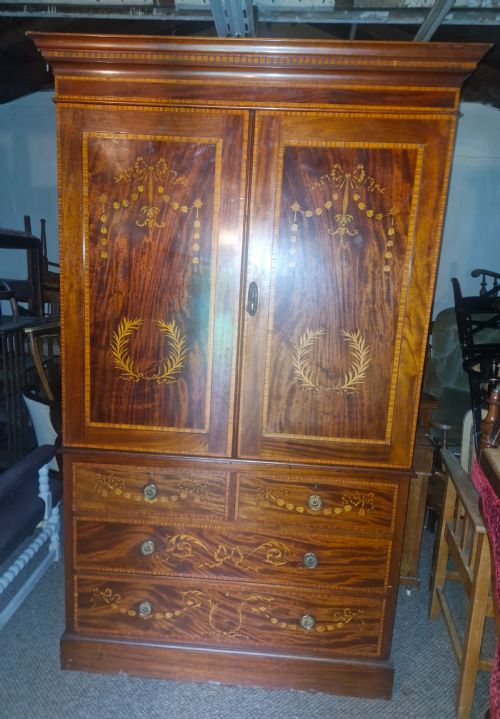
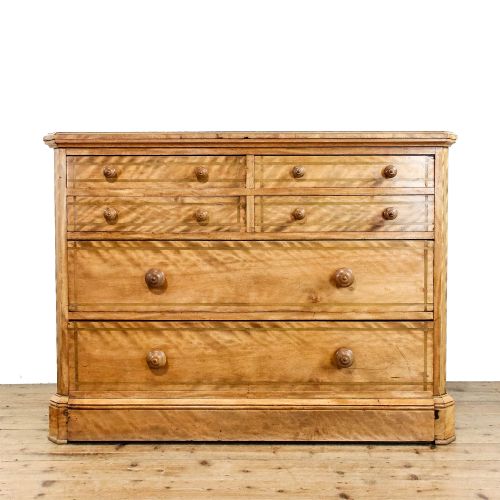
Satinwood inlaid chests combine rich cabinet timbers with crisp contrasting banding, offering practical storage with distinct visual warmth.
Identifying the satinwood inlaid chest
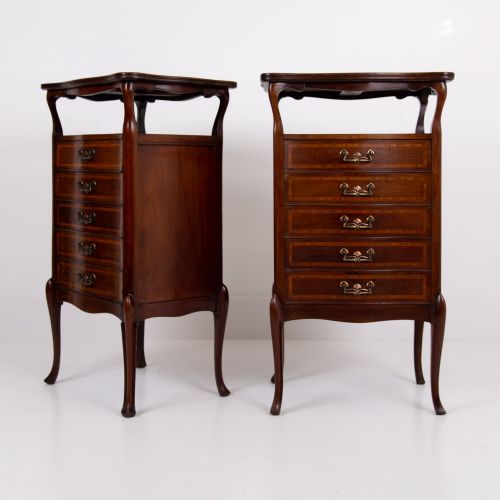
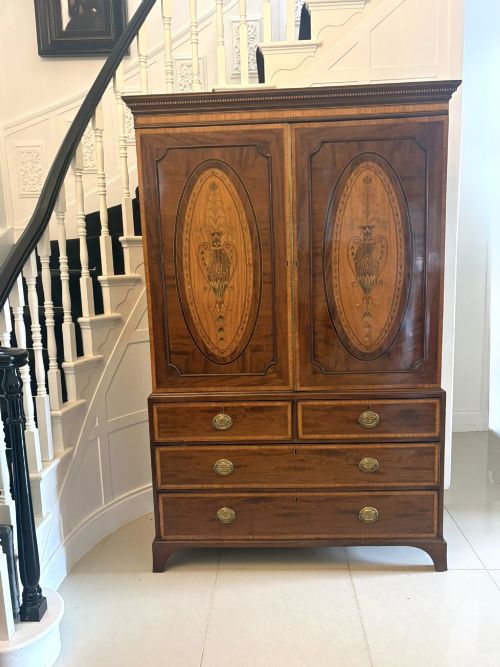
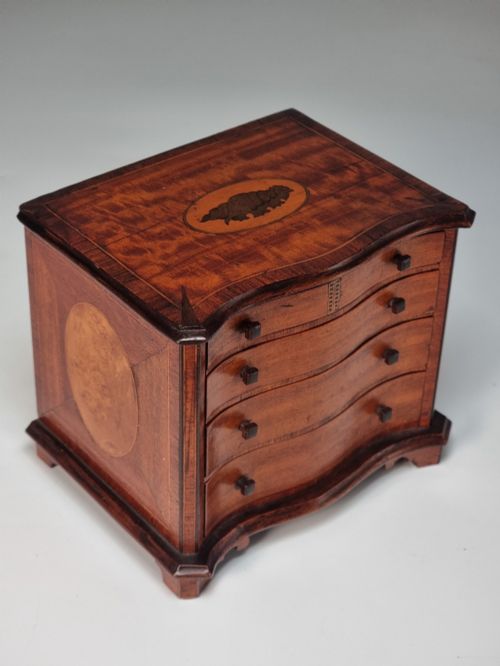
A satinwood inlaid chest provides sturdy storage through multiple drawer configurations, ranging from small bowfront variants to larger proportions. These pieces primarily date from the Georgian, 19th Century, and Edwardian eras, incorporating classic forms such as the pillar chest and the Wellington chest.
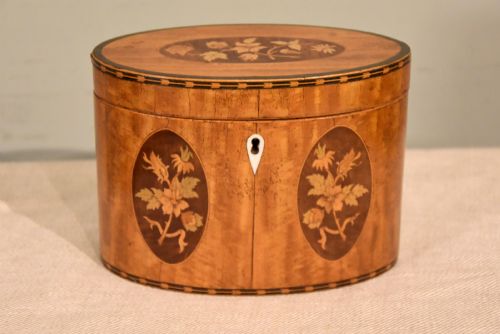
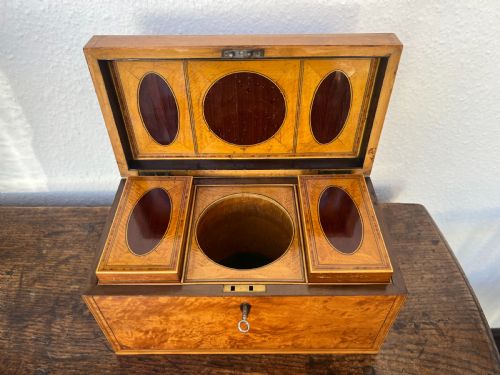
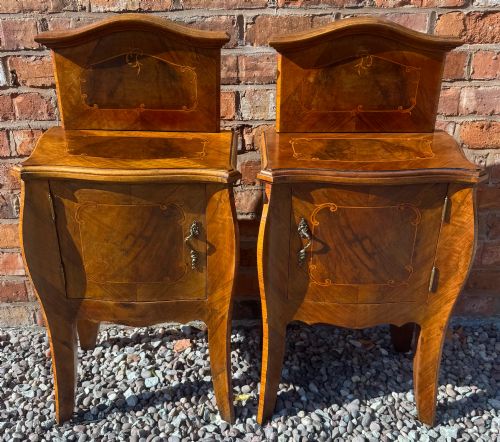
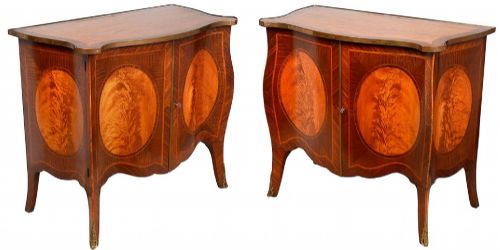
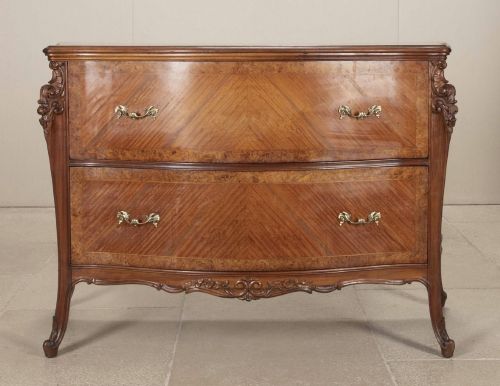
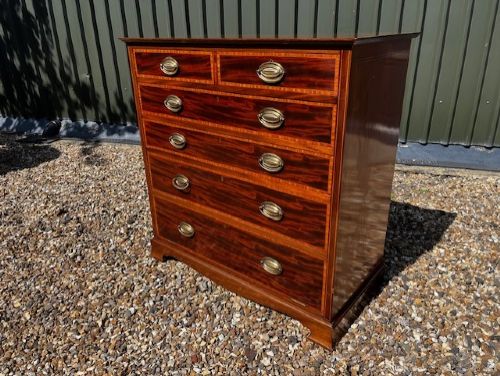
The version most commonly encountered on this page pairs a mahogany carcase with striking satinwood inlay, often complemented by bracket feet or bowfront profiles. Examples also appear in solid walnut or pure satinwood, occasionally featuring painted decoration or oak-lined interiors.
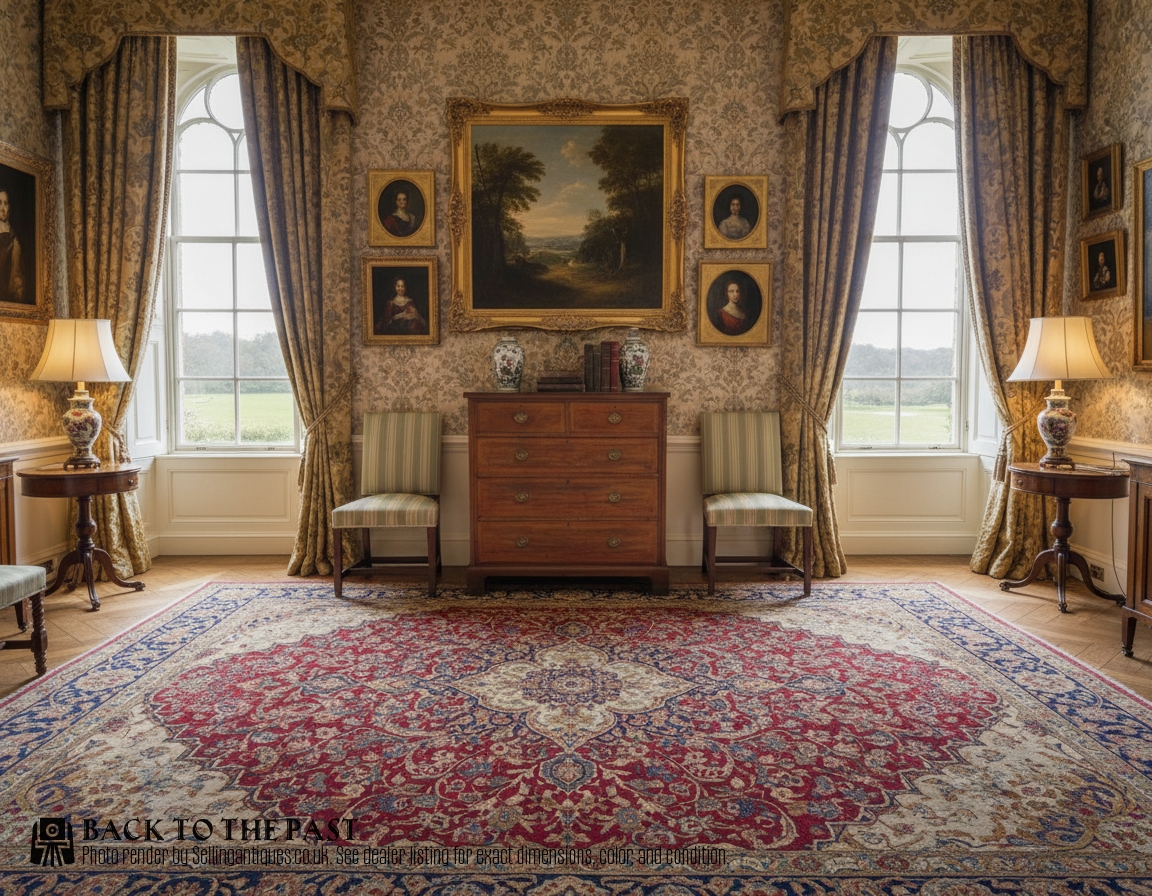
Construction and materials
Cabinetmakers built these chests using foundational timbers like mahogany, walnut, and oak for structural integrity and drawer linings. Surface decoration relies on fine satinwood veneers and contrasting stringing or banding, meticulously fitted into the primary wood.
Drawer construction frequently employs solid oak linings alongside traditional dovetail joints. Metal elements such as brass handles and escutcheons complete the hardware assembly on period pieces.
Retail Price Guide 2026
Typical UK retail prices for satinwood inlaid chest, calculated from the Sellingantiques database of over a million retail prices indexed since 2003. This retail price guide relies exclusively on Sellingantiques data; no external sources or auction records are used, so the figures do not describe the wider market.
Several chests feature secret side-locking bars, proving that Victorians loved hiding their valuables behind unassuming satinwood drawers.
Assessing quality and execution
The distinction between standard production and superior work rests on the precision of the timber selection and the complexity of the cabinetry. Flame mahogany veneers and intricate satinwood banding demonstrate a higher level of artisan skill than plain surfaces.
Structural refinement shows in the crispness of the inlay work, the tightness of the drawer joints, and the retention of original brass hardware. Regional variations in drawer configuration and foot styles also influence the overall character of the piece.
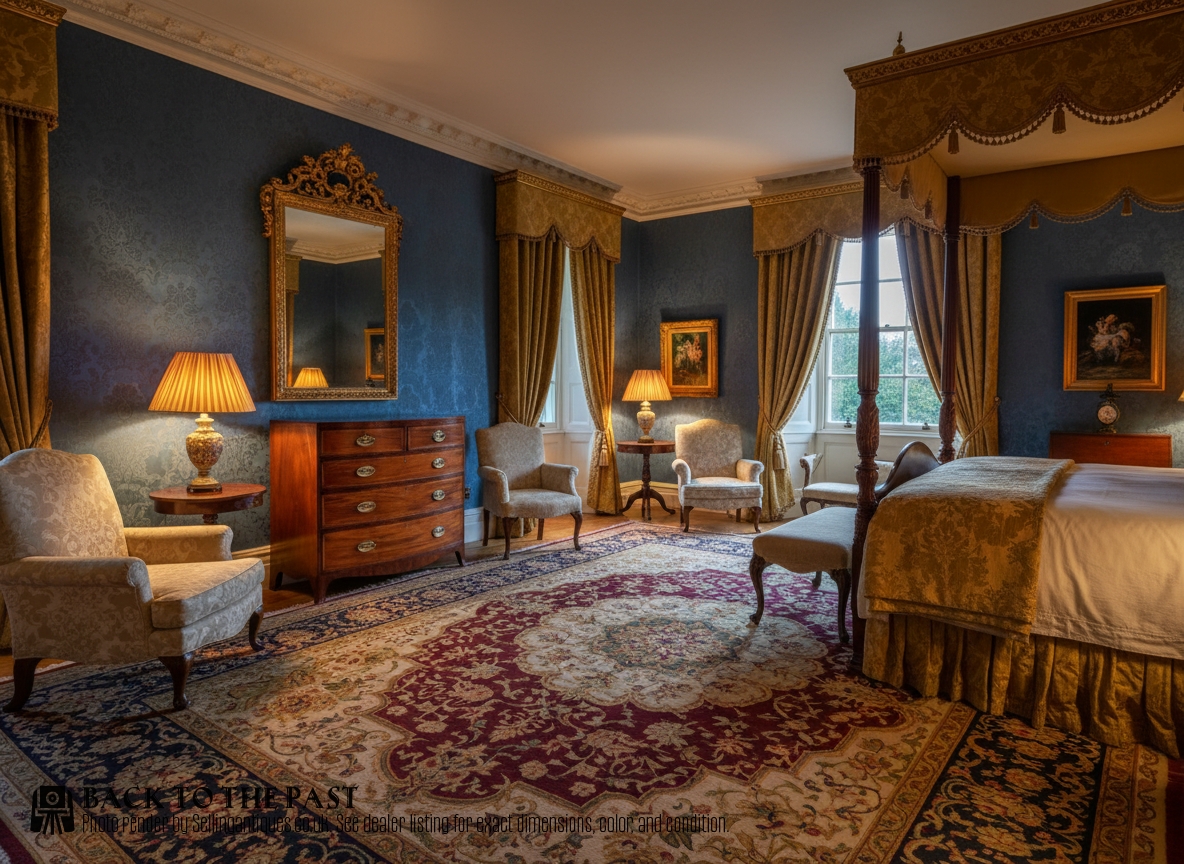
Maple & Co.·S & H Jewells
The Satinwood Inlaid Chest Glossary
- Satinwood
- A durable tropical timber known for its pale, golden lustre and smooth grain. It provides a bright contrasting element in stringing and veneer panels.
- Bowfront
- A curved front profile that swells outward in the centre. This shape softens the geometric lines of a standard chest.
- Wellington chest
- A tall, vertical chest of drawers secured by a locking side flap. This form typically contains multiple shallow drawers.
- Stringing
- Thin lines of contrasting wood inlay used to outline drawer fronts and top edges. It creates a refined linear framework.
- Bracket foot
- A structural support foot shaped like a bracket, commonly found on Georgian furniture. It elevates the carcase cleanly from the floor.
Frequently Asked Questions
How do I care for satinwood?
Keep these chests away from direct sunlight and excessive heat sources to prevent the veneers from drying out. Regular dusting with a soft, dry cloth maintains the polished surface without the need for heavy chemical polishes.
Apply a quality wax periodically to nourish the timber and preserve the contrast between the satinwood and the surrounding mahogany or walnut carcase.
Where were these chests used?
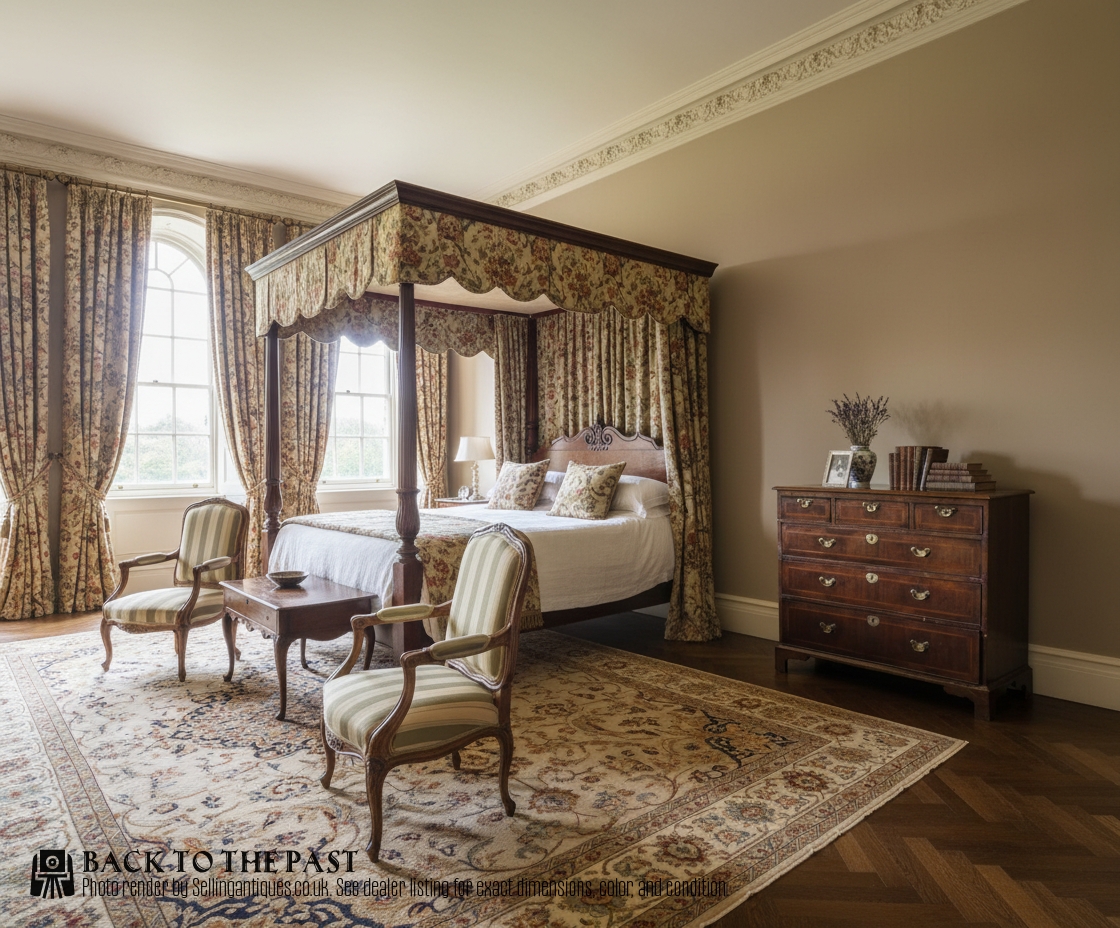
These pieces served primarily in bedrooms and dressing rooms for storing garments and personal linens. Their decorative front panels allowed them to sit prominently against walls in domestic chambers.
Today, they function equally well in hallways and living spaces, providing surface display area alongside concealed drawer storage.
Are the drawers oak lined?
Many period examples feature solid oak drawer linings, which contributed to structural stability and durability over centuries of use. The presence of oak linings indicates careful workshop execution during the Georgian and Edwardian periods.
Buyers should examine the interior sides and bottoms of the drawers to observe the dovetailing and timber consistency.