

Georgian Inlaid Furniture
Georgian inlaid furniture brings rich timber and crisp contrast into a room, offering practical storage alongside sharp cabinet work.
What these pieces are
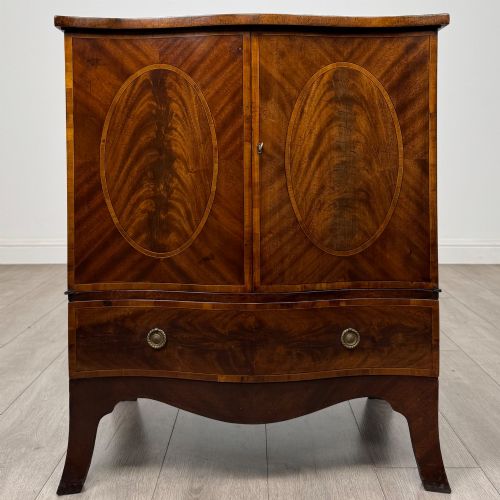
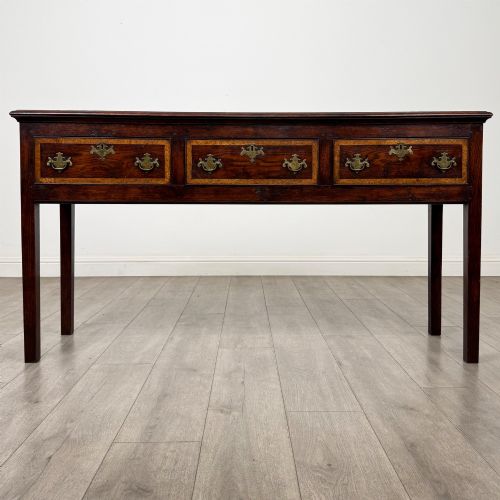
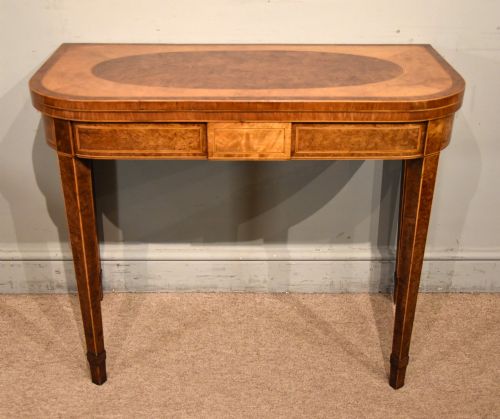
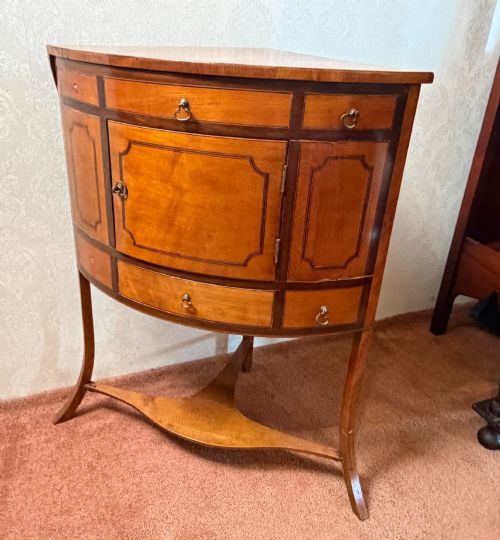
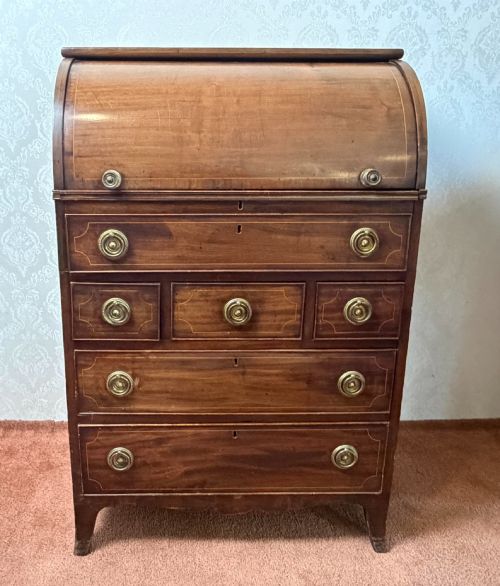
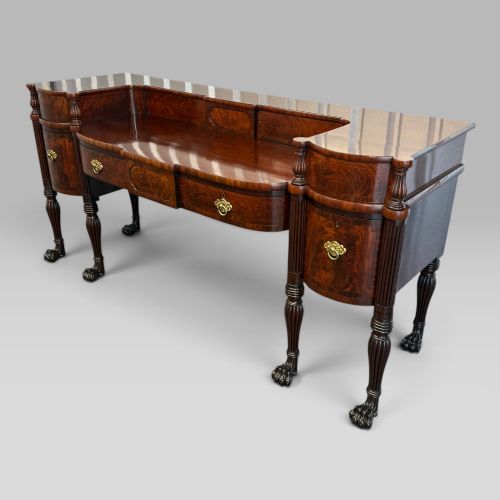
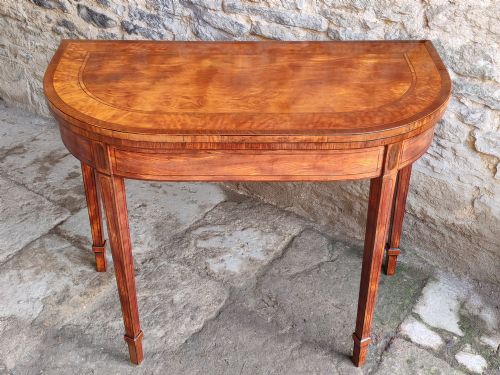
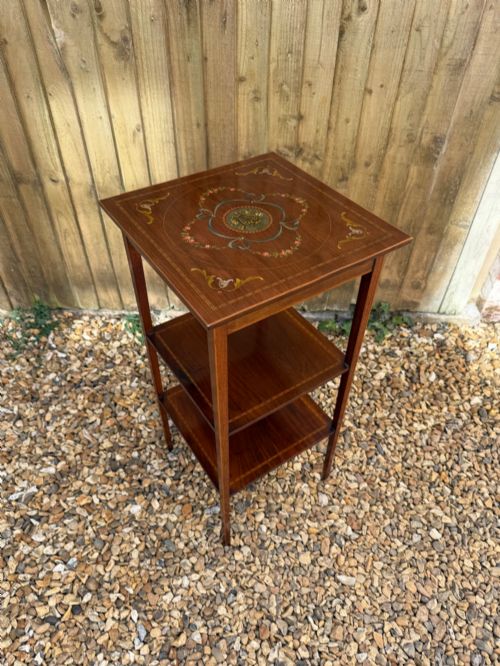
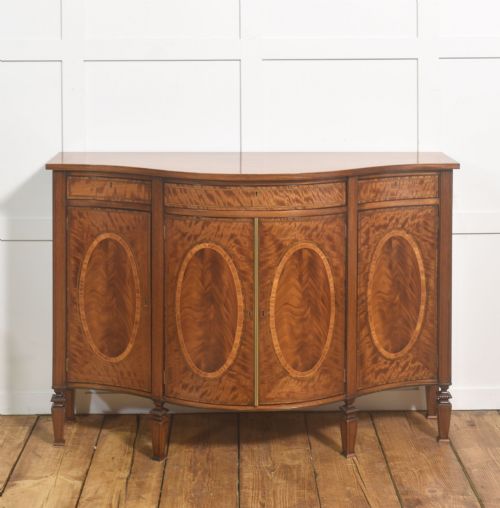
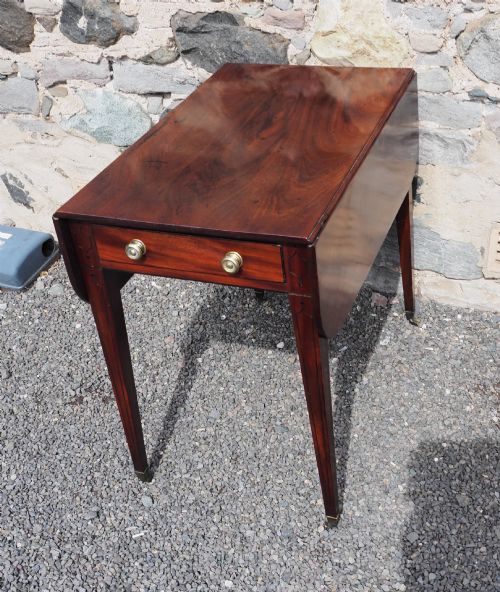
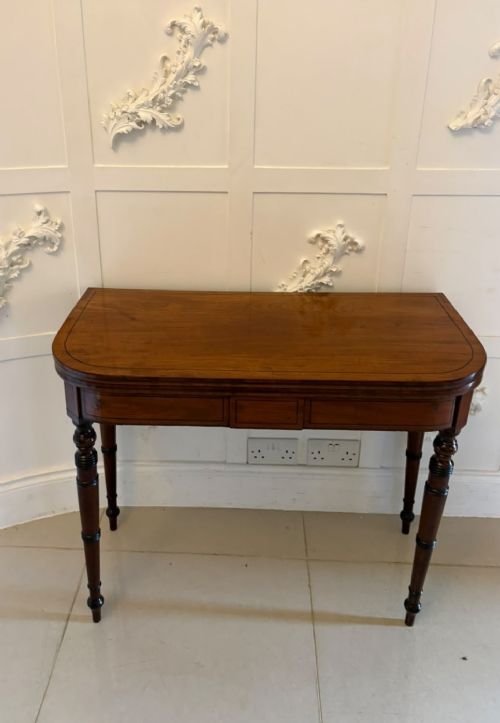
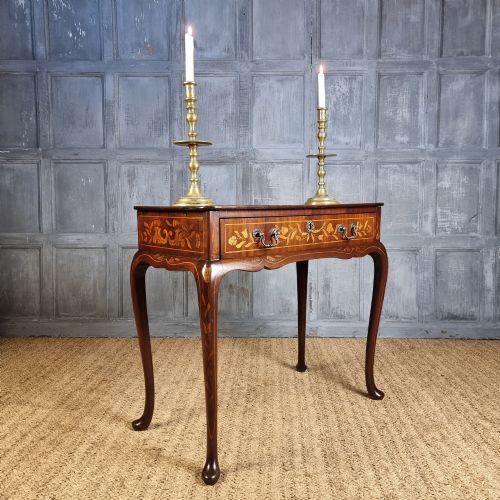
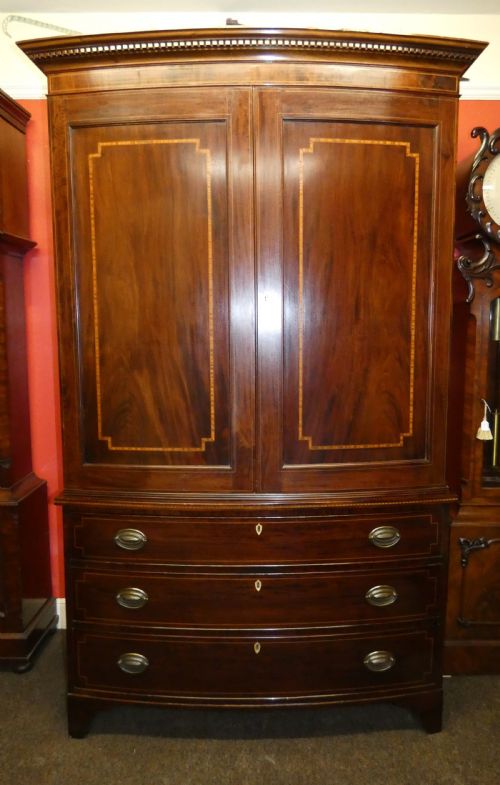
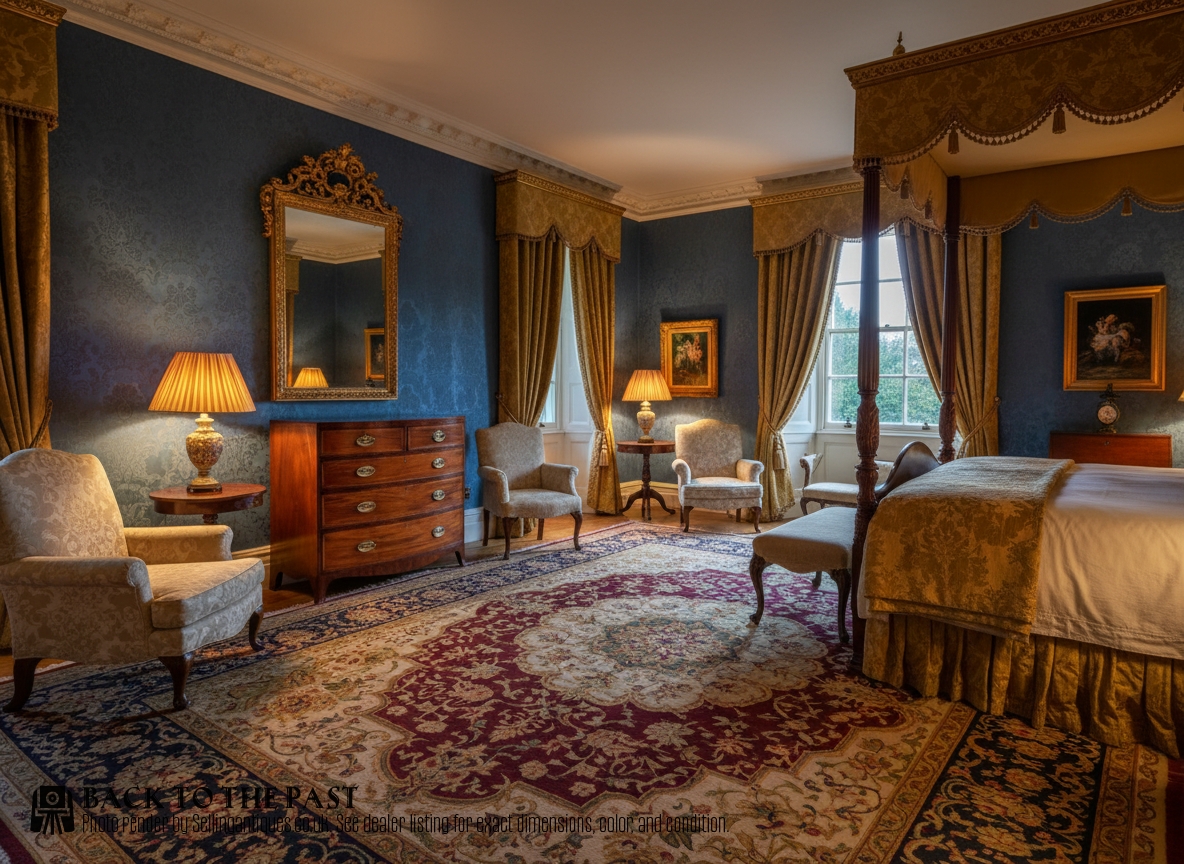
Georgian inlaid furniture comprises case pieces and tables built during the eighteenth and nineteenth centuries, spanning eras from the George III period down to eighteen hundred. Buyers seeking georgian inlaid furniture typically encounter mahogany chests of drawers, sofa tables, and bureaux constructed with contrasting wood details.
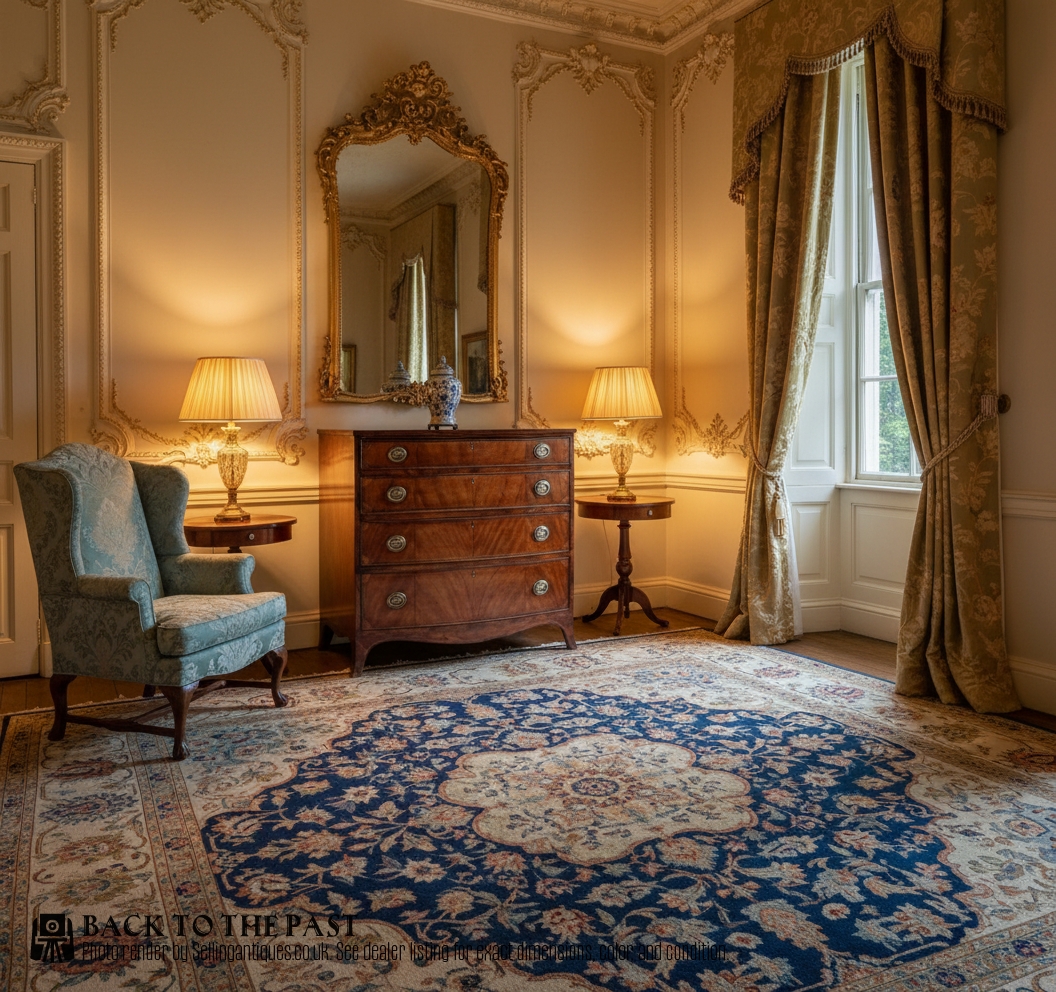
The selection centres on substantial storage forms and occasional tables rather than small decorative objects. A bow fronted bachelors chest or a satinwood inlaid bureau represents the domestic utility demanded by households of the period.
How they were made
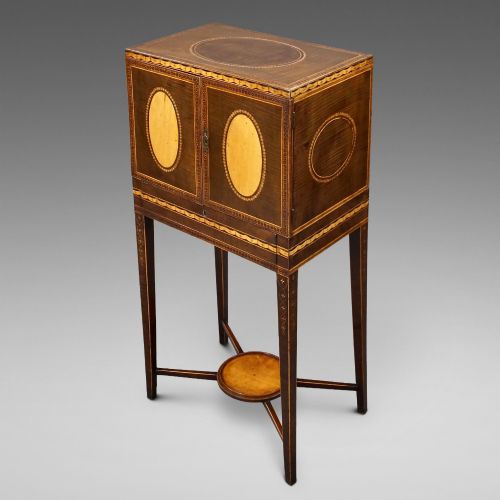
Cabinet makers utilised solid timbers and selected veneers, grounding their carcases in mahogany, walnut, and occasional softer woods. Surfaces received decorative enrichment through contrasting insertions of satinwood and boxwood.
Inlay work required precise hand-cutting to set light-toned woods into darker primary carcases, often framed by dark stringing lines. Hardware typically involved cast brass handles and escutcheons secured directly to the drawer fronts.
Retail Price Guide 2026
Typical UK retail prices for georgian inlaid furniture, calculated from the Sellingantiques database of over a million retail prices indexed since 2003. This retail price guide relies exclusively on Sellingantiques data; no external sources or auction records are used, so the figures do not describe the wider market.
Current site listings feature mahogany, walnut, satinwood, and boxwood across eighteenth and nineteenth-century chests, bureaux, and sofa tables.
What varies in quality
Quality rests upon the crispness of the inlay and the selection of the primary timber figures. Pieces displaying tight mahogany grains and sharply defined boxwood and satinwood insertions sit far above simpler vernacular examples.
Proportion and structural honesty separate better workshops from ordinary production. Fine execution shows in the seamless integration of secondary woods and the careful alignment of contrasting borders across drawer tiers and table tops.
The Georgian Inlaid Furniture Glossary
- Baton
- A rigid strip of timber used to reinforce internal panel construction or drawer runs. It provides necessary structural stability to large carcases.
- Bow front
- A convex curved front profile popular on chests of drawers during the Georgian period. This shape softens the room presence of heavy case furniture.
- Satinwood
- A lustrous yellow-gold timber imported for high-status cabinet work and detailed inlay panels. Its bright tone creates strong contrast against dark mahogany.
- Stringing
- A narrow, thin strip of contrasting wood inlaid into a channel on a drawer front or table top. It forms delicate linear borders around primary panels.
- Veneer
- A thin layer of figured wood applied over a stable secondary timber carcase. This technique allowed makers to display rich grain patterns without risking the stability of solid boards.
Frequently Asked Questions
How do I date a Georgian chest?
Examine the construction methods of the drawer linings and the timber selection visible on the interior frames and backboards. Secondary woods and hand-cut dovetails often point towards specific decades within the eighteenth or nineteenth century.
Hardware changes also provide clues, though original brasses remain uncommon. Look at the sharpness of the inlay and the overall proportion to establish the likely manufacturing period.
What is satinwood inlay?
Satinwood inlay involves cutting pale, yellow-toned wood into recessed channels or shaped pockets within a darker primary timber such as mahogany or walnut. This creates decorative banding and pictorial motifs.
Cabinet makers relied on this technique to brighten case fronts and highlight structural lines. The contrast remains a defining characteristic of fine Georgian cabinet work.
Where were sofa tables used?
Sofa tables stood in principal reception rooms as versatile pieces for writing, sewing, or serving tea near seating furniture. Their drop leaves allowed them to expand when needed.
Their finished backs meant they could sit freestanding in the middle of a room rather than pressed against a wall. The inclusion of drawers added practical storage to an occasional table format.
How do I care for antique mahogany?
Keep wooden furniture away from direct sunlight and sudden humidity shifts to prevent timber shrinkage and veneer lifting. Gentle dusting with a dry cloth preserves the polished surface.
Avoid modern silicone polishes that build up over historic finishes. Occasional applications of traditional wax help nourish the dry grain without harming the patina.