



18th Century Bachelors Chest
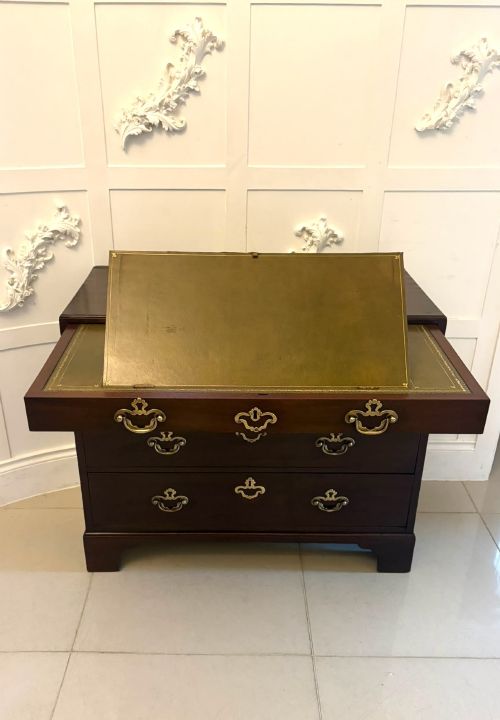
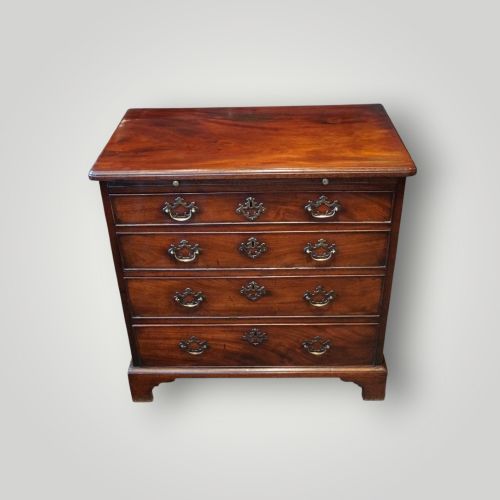
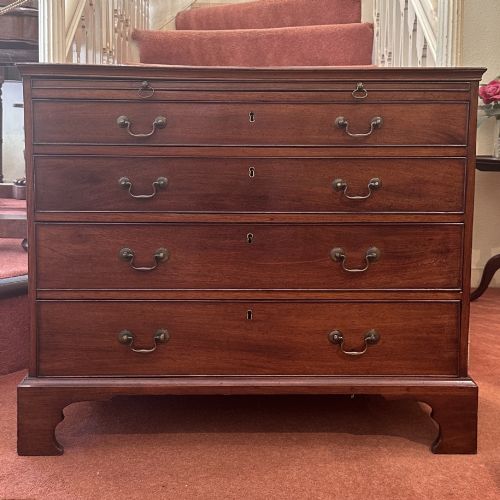
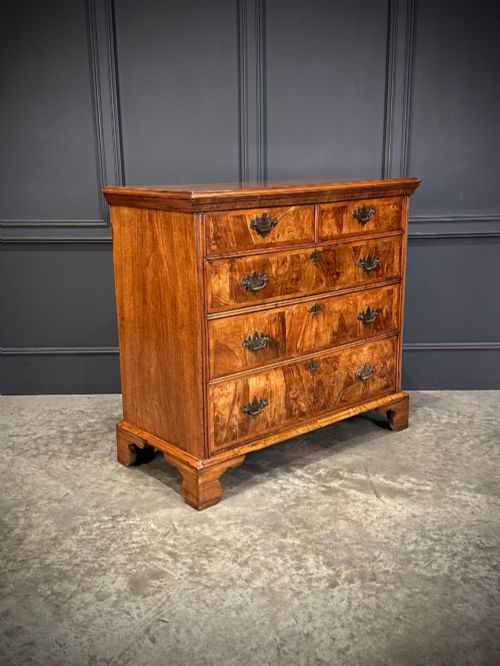
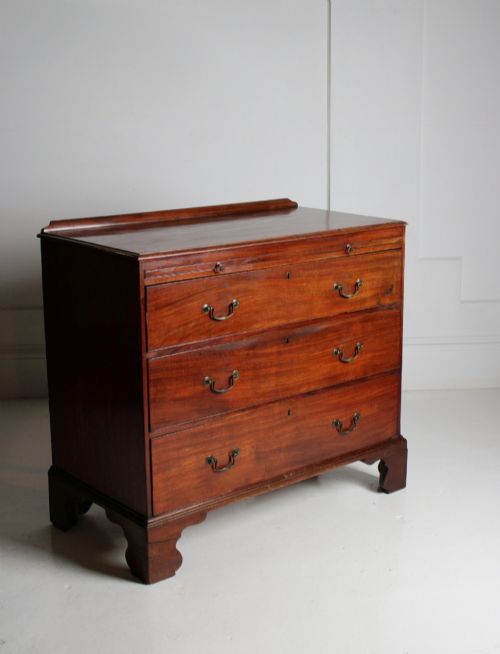
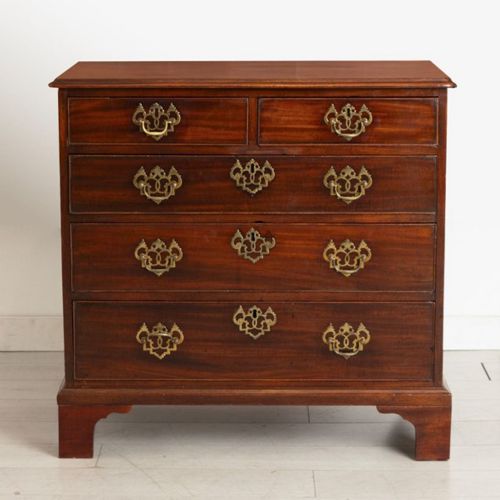
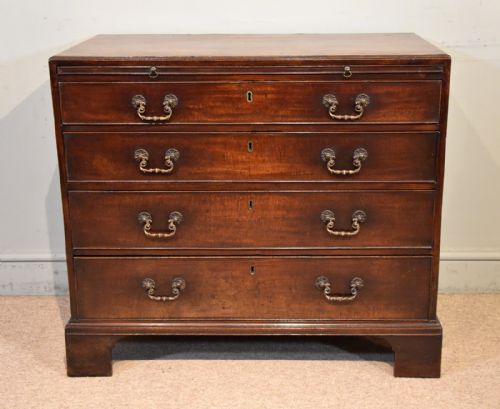
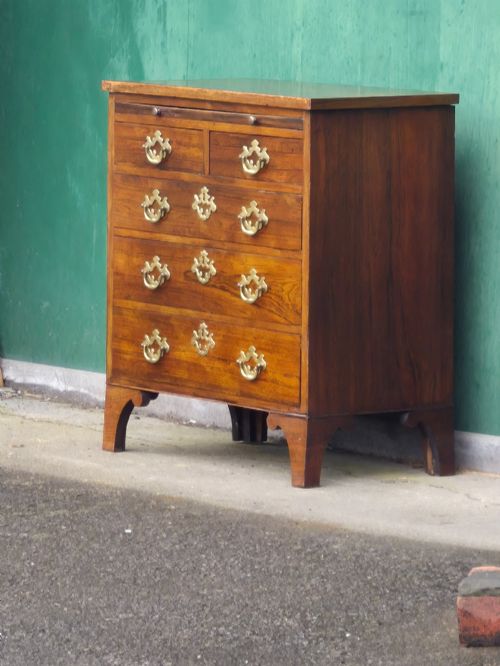
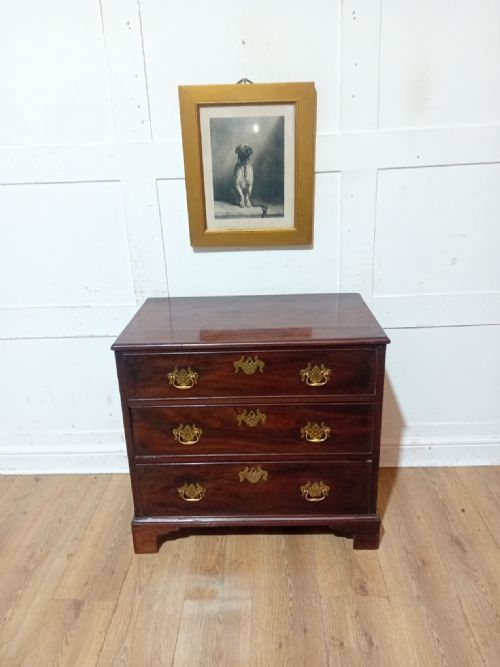
An 18th century bachelors chest offers compact proportions and a fold-over top, serving both as a writing surface and a set of drawers.
What an 18th century bachelors chest is
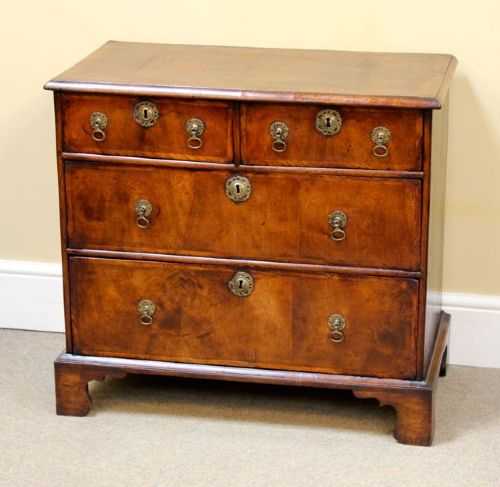
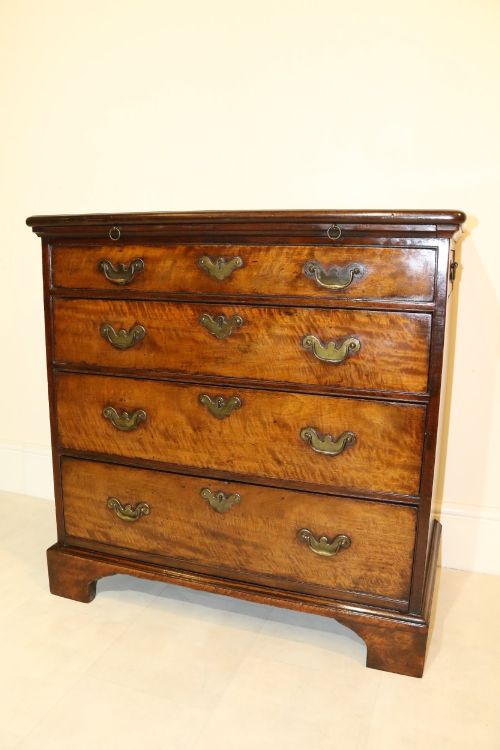
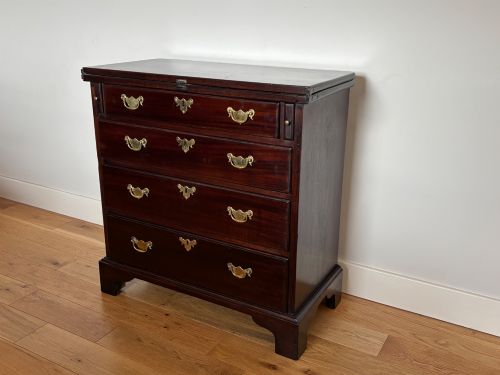
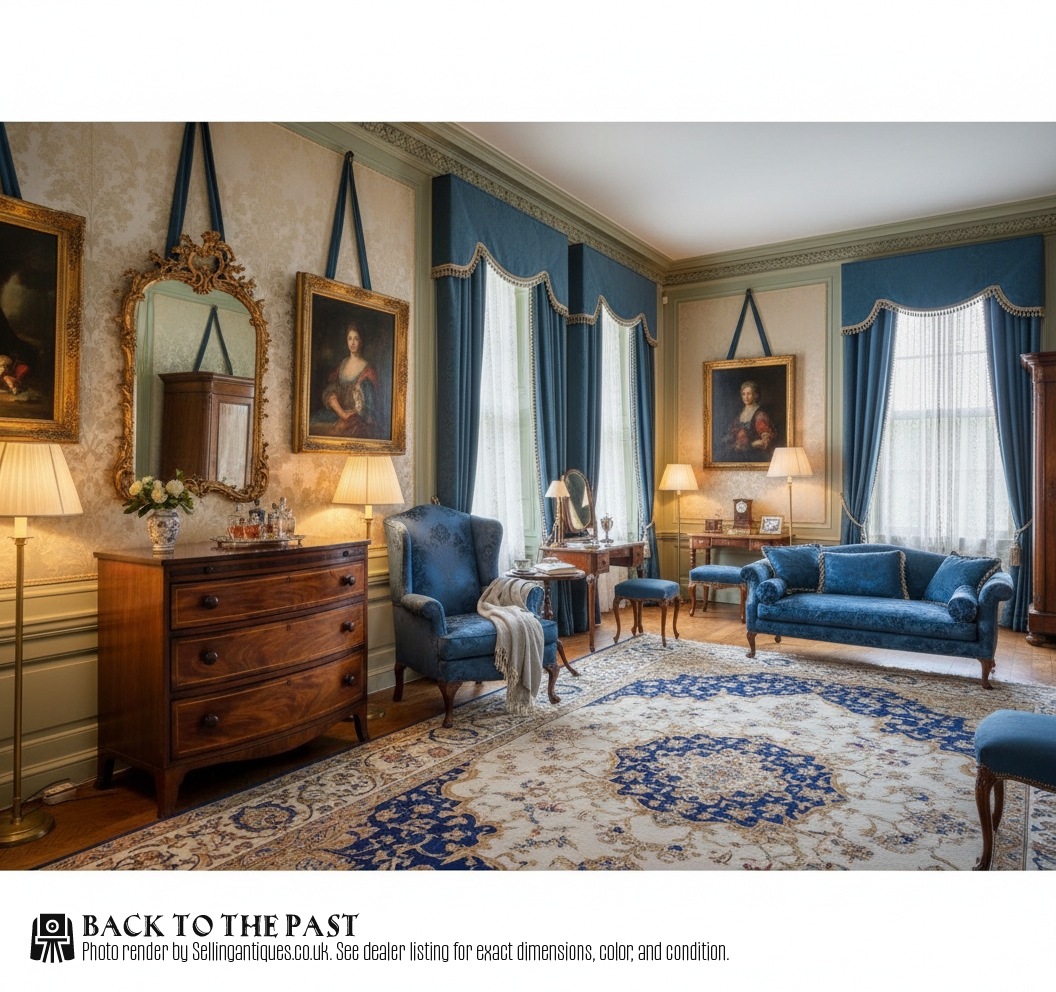
An 18th century bachelors chest is a domestic storage piece built during the Georgian period, typically taking the form of a compact chest of drawers featuring a fold-over writing flap.
The pieces appearing on this page span the 18th century and the Georgian style, constructed primarily from timbers such as mahogany, Cuban mahogany, and oak.
These chests provide a functional surface above several graduating drawers, designed to meet the demands of compact living spaces in earlier centuries.

Materials and construction
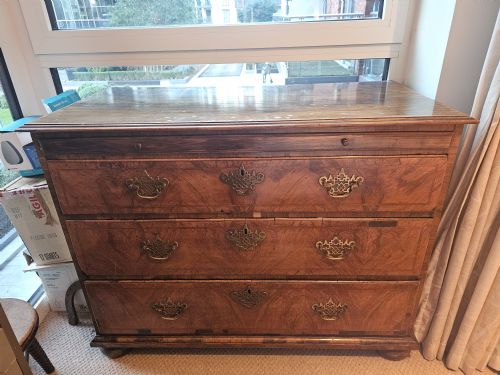
Cabinet makers constructed these chests using solid and veneered timbers including oak, walnut, and dense Cuban mahogany, occasionally incorporating boxwood inlay for decorative contrast.
Joinery techniques involved precise dovetailing for the drawers and framing for the carcase, paired with brass handles and escutcheons secured to the drawer fronts.
Retail Price Guide 2026
Typical UK retail prices for 18th century bachelors chest, calculated from the Sellingantiques database of over a million retail prices indexed since 2003. This retail price guide relies exclusively on Sellingantiques data; no external sources or auction records are used, so the figures do not describe the wider market.
Materials recorded across these listings include oak, walnut, mahogany, Cuban mahogany, and boxwood inlay.
Judging quality in these chests
The refinement of the timber grain largely distinguishes finer examples, particularly where figured Cuban mahogany or burr walnut shows consistent pattern across the front.
Subtleties in the execution of boxwood inlay and the crispness of the drawer mouldings separate standard workshop production from higher-status commissions.
The 18th Century Bachelors Chest Glossary
- Bachelors chest
- A small chest of drawers featuring a hinged top that folds open to create a writing surface. This dual purpose made the form popular for smaller bedchambers.
- Cross-banded
- A border technique where thin strips of veneer are laid perpendicular to the surrounding grain. This frames the drawer fronts or top surface with a contrasting border.
- Cuban mahogany
- A dense, dark timber imported from the Caribbean during the 18th century. Cabinet makers prized it for its deep colour and heavy weight.
- Secret drawers
- Concealed compartments built behind removable partitions or within the frieze of a chest. These spaces provided secure storage for documents and valuables.
Frequently Asked Questions
How were these chests used originally?
These chests functioned primarily for clothing storage in the lower drawers while the upper surface folded out for writing letters or keeping accounts.
The concealed compartments often found within these pieces held private papers, money, or small valuables.
What woods are typical for these chests?
The listings show mahogany, Cuban mahogany, oak, and walnut used in the construction of these chests. Boxwood inlay frequently appears as a decorative addition.
Timbers were chosen for their durability and figured grain patterns, which became more pronounced with polishing.
How do I identify a Georgian chest?
Georgian chests are identified through their 18th-century proportions, traditional joinery methods, and the use of primary timbers like mahogany and oak.
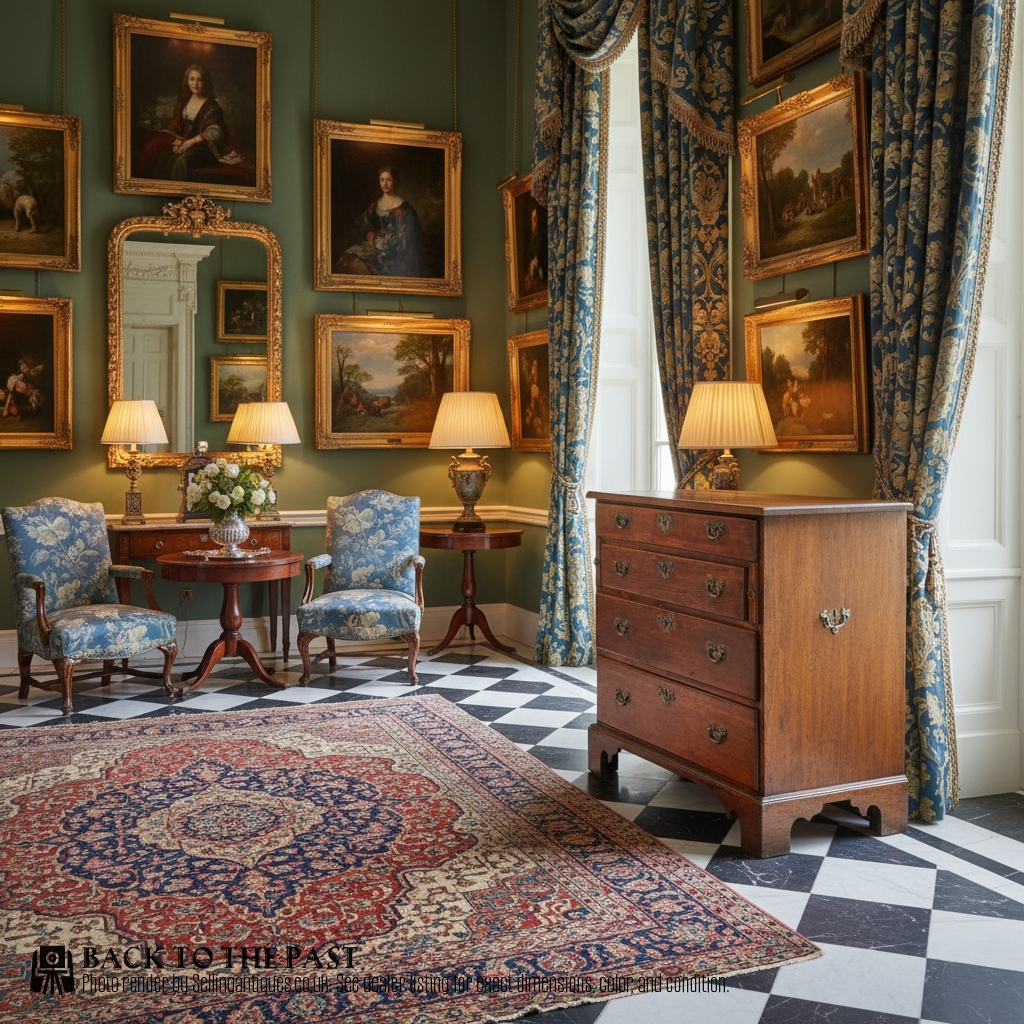
Stylistic details such as brass hardware, bracket feet, and cross-banded veneers help date these pieces to the period.