
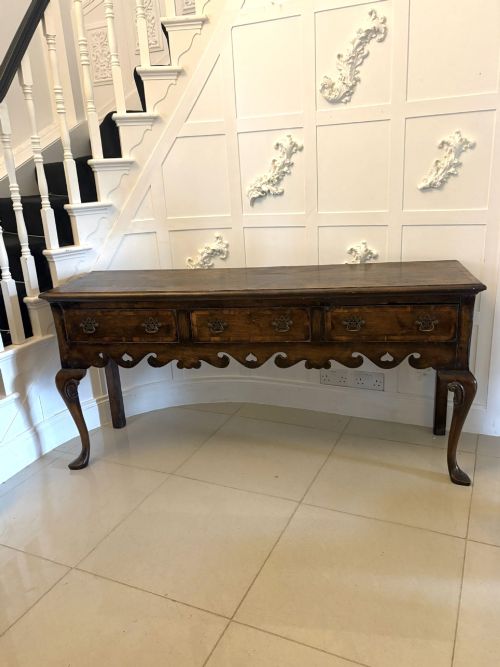
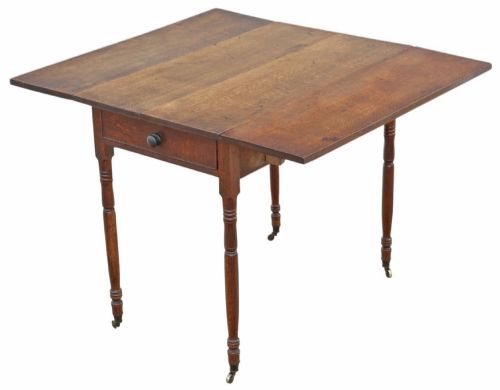
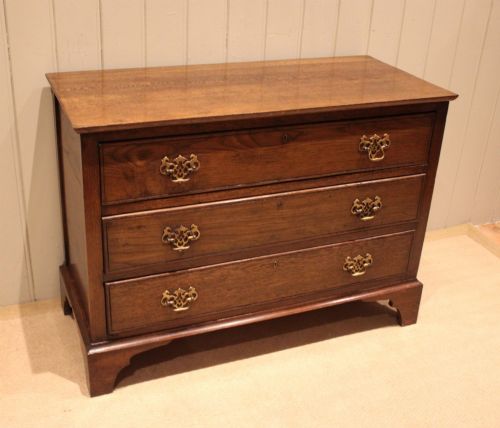
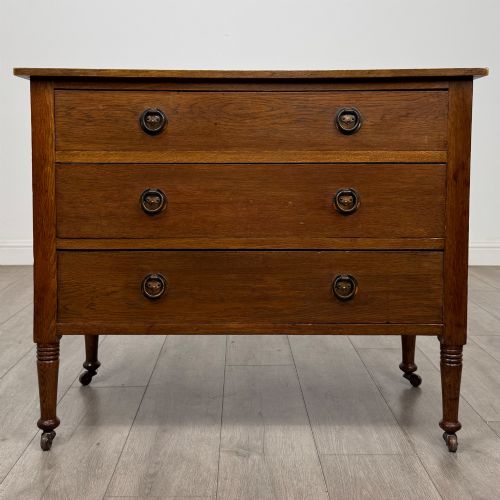
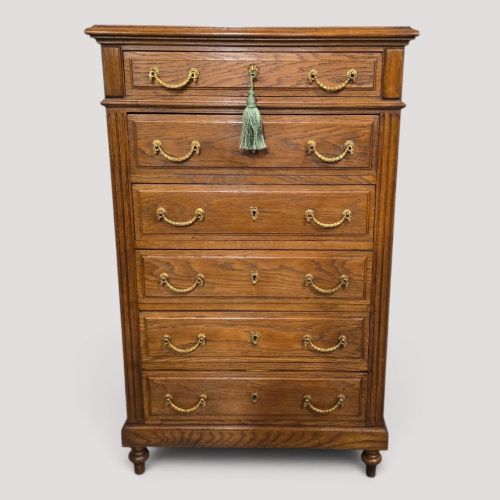
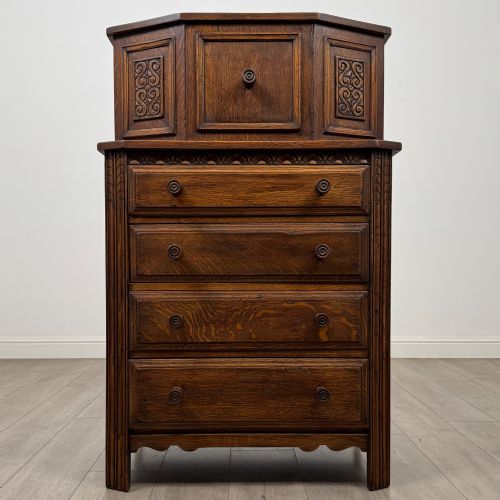
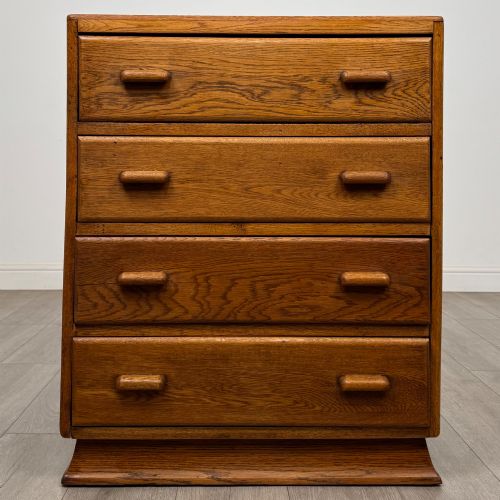
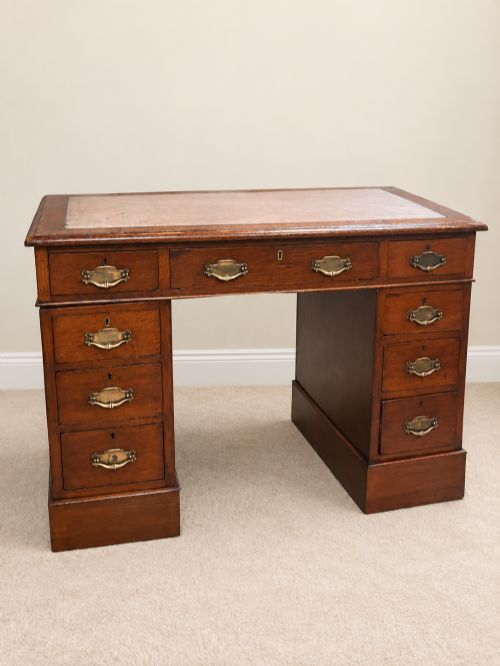
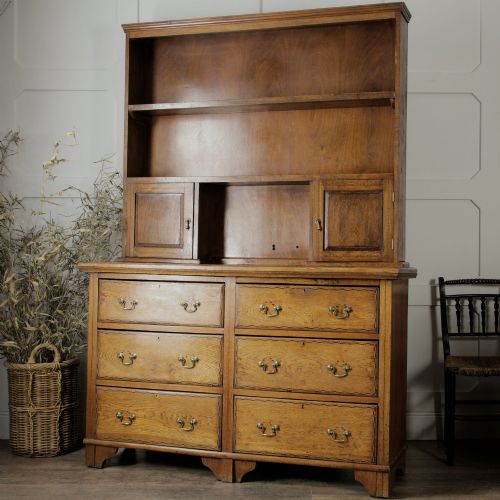


Brown Oak Drawers
Brown oak drawers combine rich, deep-toned timber with robust construction, offering storage grounded in centuries of British cabinet-making.
What these pieces are
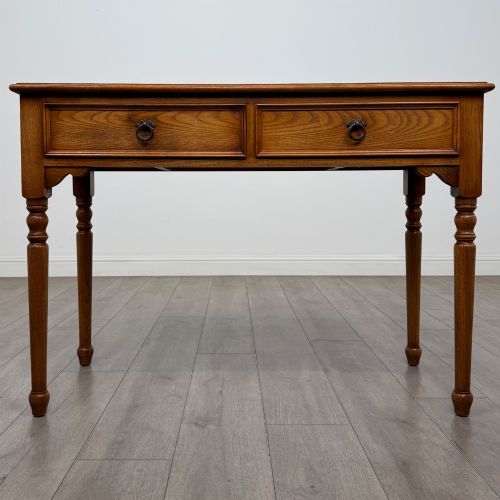
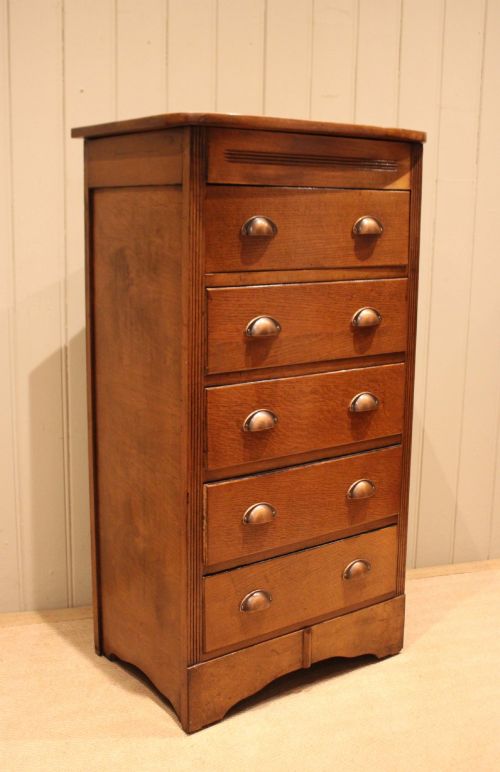
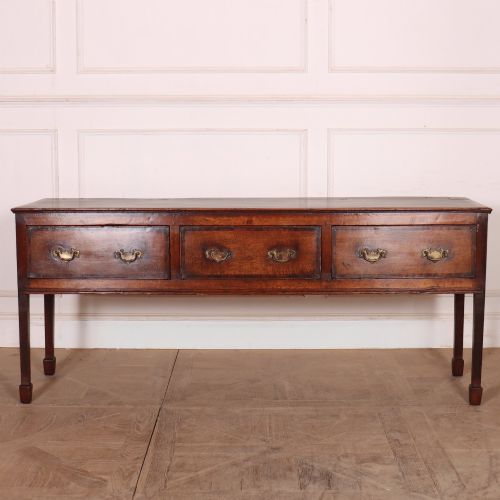
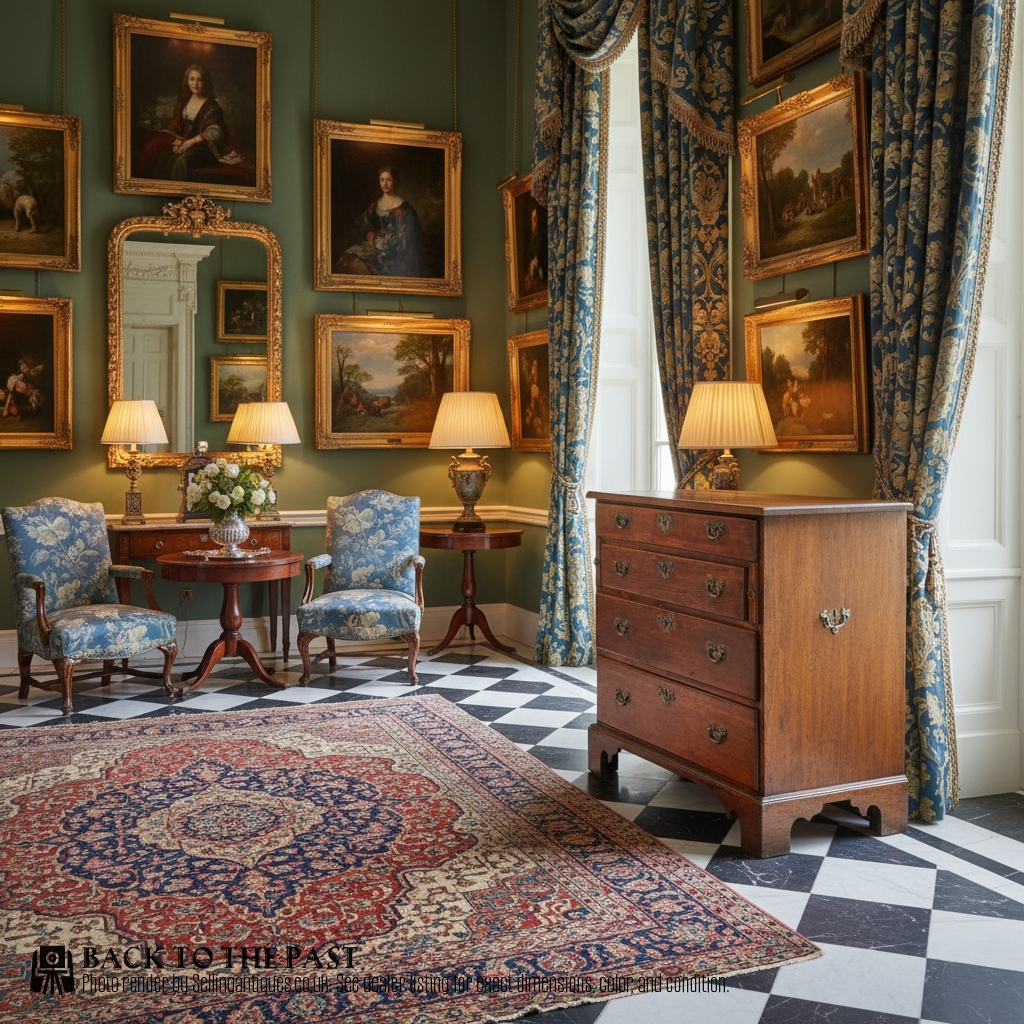
When you search for brown oak drawers, you are looking at substantial storage furniture built primarily from native oak, often showing the deep, rich colour that develops with age. The pieces appearing here span several centuries, including examples from the seventeenth, eighteenth, and twentieth centuries. These range from simple vernacular chests to refined bachelor's chests featuring cross-banding.
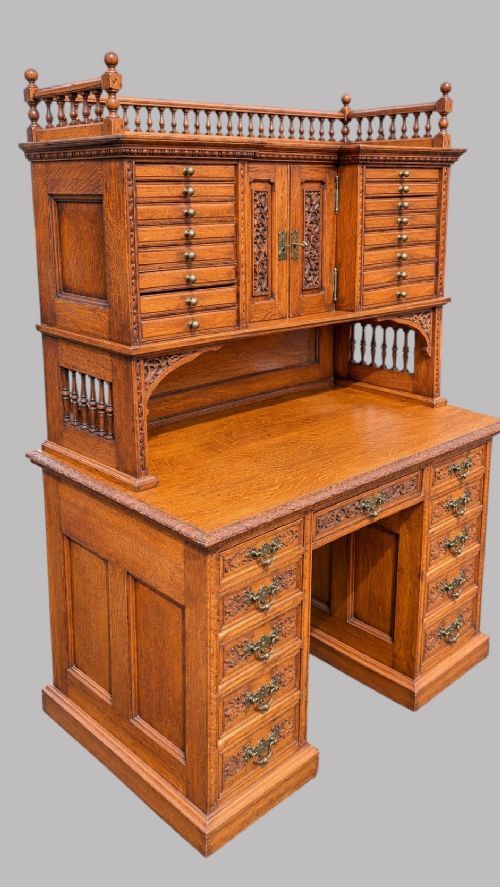
The forms on this page include standard chests of drawers, cabinets, and collectors' chests. Among these, eighteenth-century chests and bachelor's variants are the versions most frequently encountered. Each piece demonstrates the functional utility prized by domestic households across Georgian and Edwardian eras.
How they were made
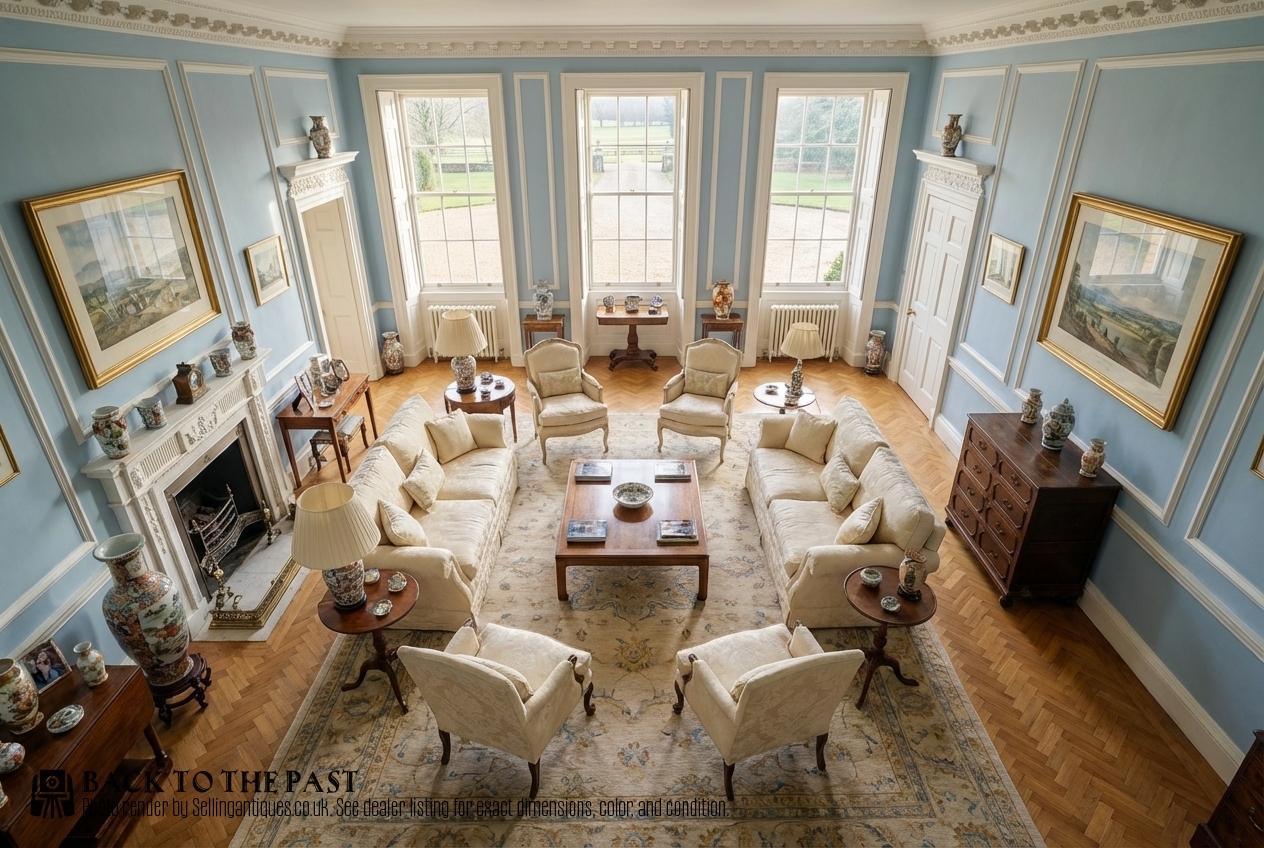
Cabinet-makers built these brown oak drawers using solid native timber, sometimes combining oak carcases with contrasting secondary woods such as mahogany for cross-banding details. Construction relied on traditional joinery methods that allowed the timber to move naturally over decades of use.
Hardware played an essential structural and decorative role, with brass fittings secured to drawer fronts. Surfaces were finished to highlight the distinctive grain patterns and warm brown tones inherent in mature oak.
Retail Price Guide 2026
Typical UK retail prices for brown oak drawers, calculated from the Sellingantiques database of over a million retail prices indexed since 2003. This retail price guide relies exclusively on Sellingantiques data; no external sources or auction records are used, so the figures do not describe the wider market.
Collectors' chests hide dozens of shallow compartments originally intended for beetles, coins, or botanical specimens.
What varies in quality
The distinction between standard utility pieces and finer examples rests largely on the selection of timber and the precision of decorative details like cross-banding. Early seventeenth-century work displays heavier framing and distinct regional carving, whereas later Georgian pieces lean towards restrained elegance and balanced proportions.
Finer construction is evident in the tightness of the joinery and the harmonious grain matching across drawer tiers. Pieces that retain original brass hardware and untouched surface patination stand apart from those altered by later restorations.
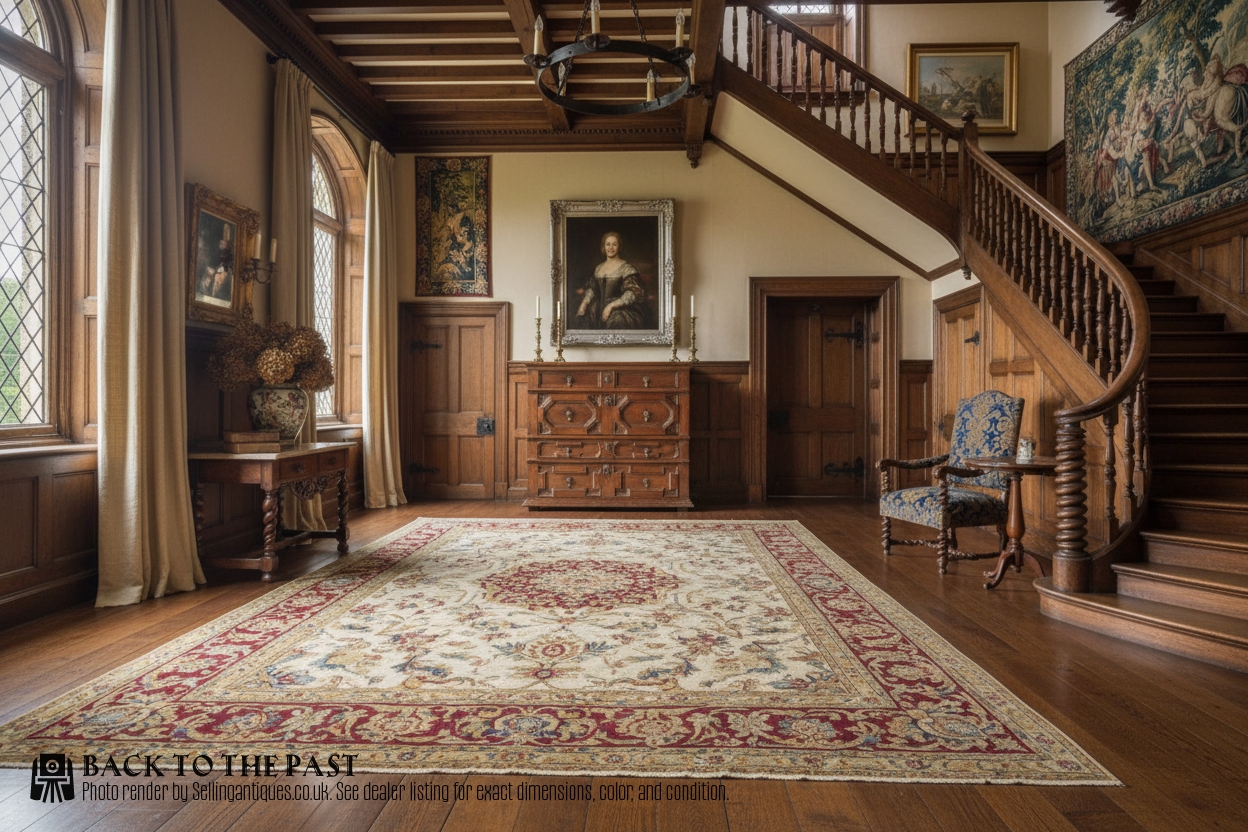
The Brown Oak Drawers Glossary
- Bachelor's chest
- A small chest of drawers featuring a fold-over top that creates a writing surface. This form gained popularity during the eighteenth century.
- Cross-banding
- A decorative border technique where veneer strips are laid across the grain of the primary timber. It frames drawer fronts on finer Georgian furniture.
- Collectors' chest
- A specialised cabinet fitted with multiple shallow drawers designed to house specimens or small objects. These examples often date from the nineteenth or twentieth centuries.
- Vernacular furniture
- Pieces made by regional craftsmen for local use rather than high-end metropolitan workshops. This work often employs solid oak without elaborate veneer work.
Frequently Asked Questions
What is a bachelor's chest?
A bachelor's chest is a compact chest of drawers equipped with a hinged top that folds out to form a writing ledge. These pieces date predominantly from the eighteenth century.
They provided versatile functionality for writing and storage in smaller domestic spaces, combining practicality with refined cabinet-making.
How do I date an oak chest?
Dating relies on observing construction techniques, hardware styles, and overall proportions. Earlier seventeenth-century pieces display heavier framing and hand-riven panels.
Later Georgian and Edwardian examples shift toward lighter scantlings, dovetailed drawer construction, and standardised brass handles.
Are these drawers made of solid oak?
The primary timber across these listings is oak, occasionally paired with mahogany for specific decorative elements like cross-banding on drawer fronts.
Cabinet-makers utilised solid boards for structural carcases and drawer dividers to ensure long-term durability.
Where were these chests made?
These items originate primarily from British workshops, reflecting regional building traditions across the seventeenth, eighteenth, and twentieth centuries.
Makers worked with native timber to produce robust storage solutions for domestic households.