




Gillows Chest of Drawers
A gillows chest of drawers brings workshop precision and cabinet-making heritage straight into a room through honest timber.
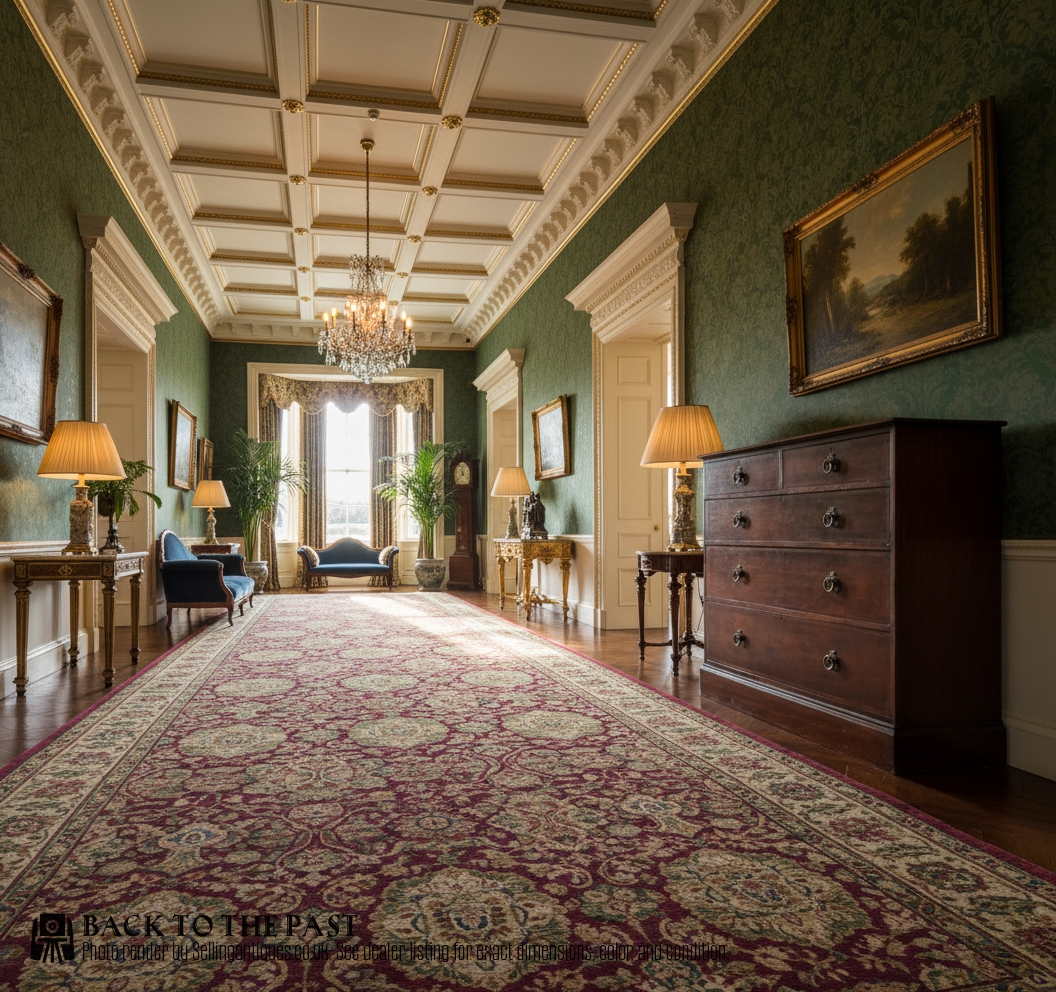
Gillows Chest of Drawers
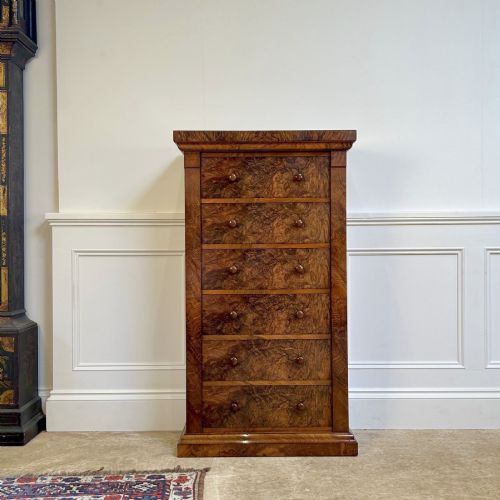
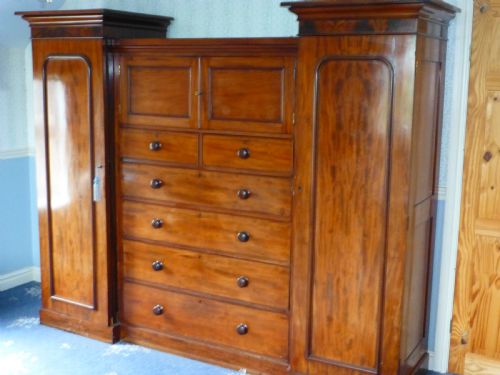
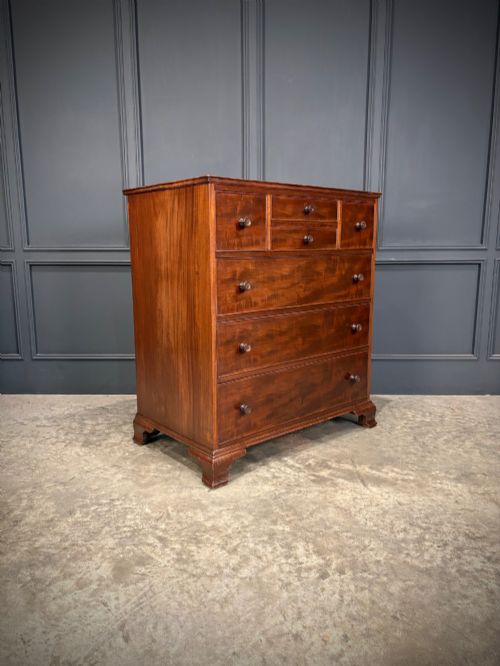
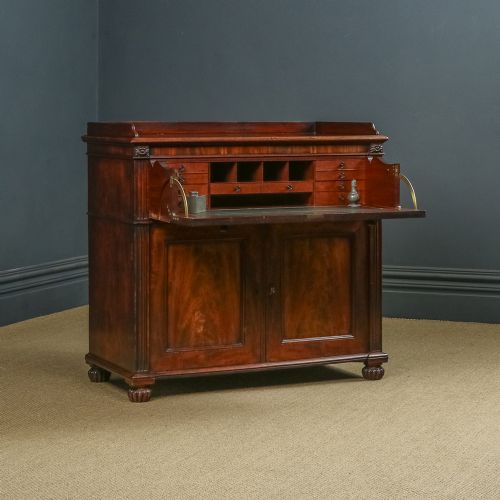
When you search for a gillows chest of drawers, you are looking at utilitarian storage elevated by documented Lancashire craftsmanship dating from the eighteenth century onwards. The pieces on this page span Georgian, Regency, and Victorian periods, appearing in forms that range from classic straight fronts to bow fronts, compactums, and secretaire desks.
You will most commonly meet mahogany examples alongside pieces rendered in burr walnut, oak, and maple. The makers and workshops produced both formal city furniture and robust country house pieces, often bearing stamps or recognizable structural signatures.
The enduring appeal lies in the straightforward proportions and substantial weight of the timber. These chests were built for daily use in bedrooms and dressing rooms, surviving centuries because the underlying joinery remained steadfast.
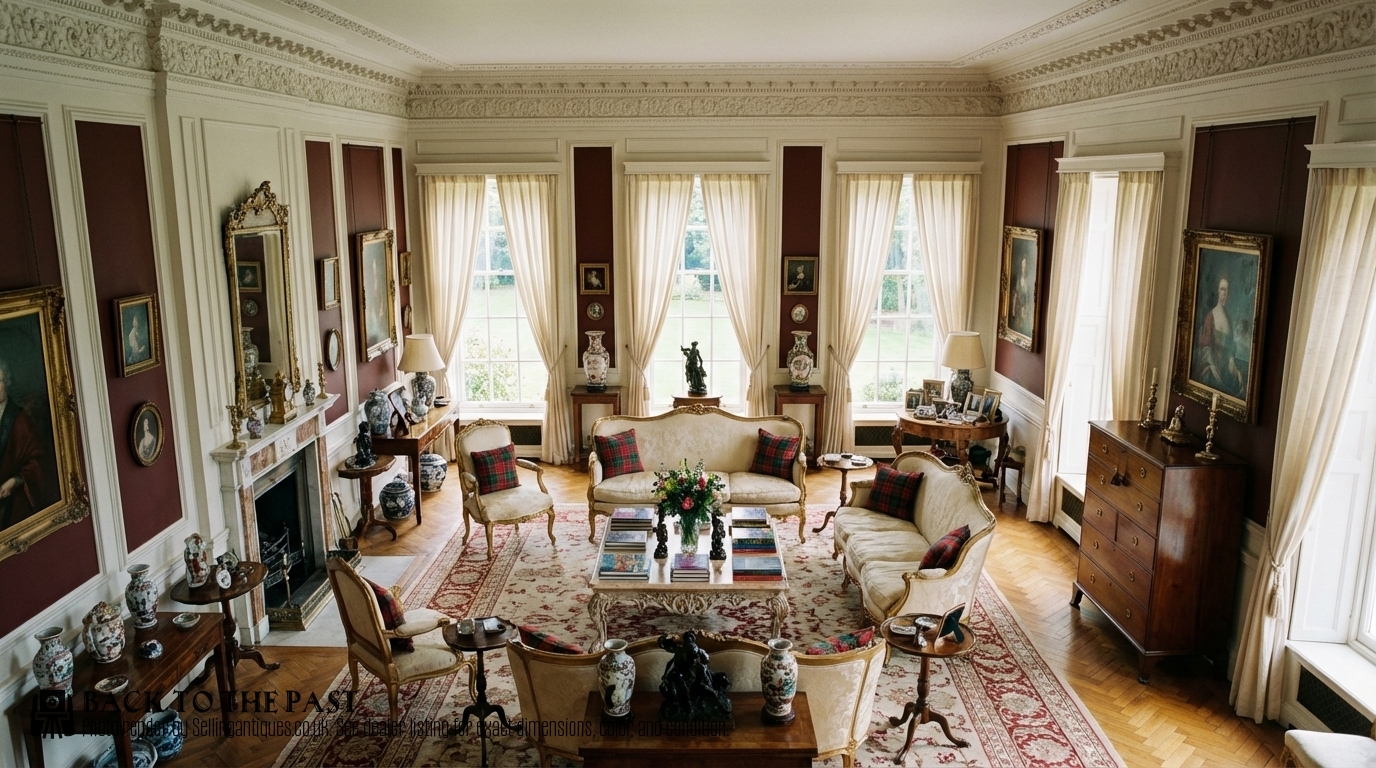
Materials and Construction
Cabinet makers relied heavily on solid mahogany, flame mahogany, and occasionally satinwood or kingwood, lining the interiors with oak or pine. Surfaces often display meticulous boxwood inlay, highly figured veneers, and brass hardware that was cast specifically for the workshop.
Gillows Chest of Drawers Retail Price Guide 2026
Typical asking prices for gillows chest of drawers among the pieces listed under this phrase on Sellingantiques today, from the lower quarter to the upper quarter. They describe what is for sale here now, not the wider market.
Listings feature eighteenth-century, nineteenth-century, and early twentieth-century pieces utilising mahogany, burr walnut, satinwood, and oak.
Quality Variations
The standard of a piece rests on the selection of the timber grain and the crispness of the secondary details. Highly figured veneers, such as plum pudding mahogany or burr walnut, distinguish the upper tiers of production from standard domestic stock.
Makers elevated certain chests through integrated writing compartments, secretaire drawers, and stamped maker marks that confirm the workshop origin. The integration of fine boxwood inlay and retained original brasses separates workshop masterpieces from provincial interpretations.
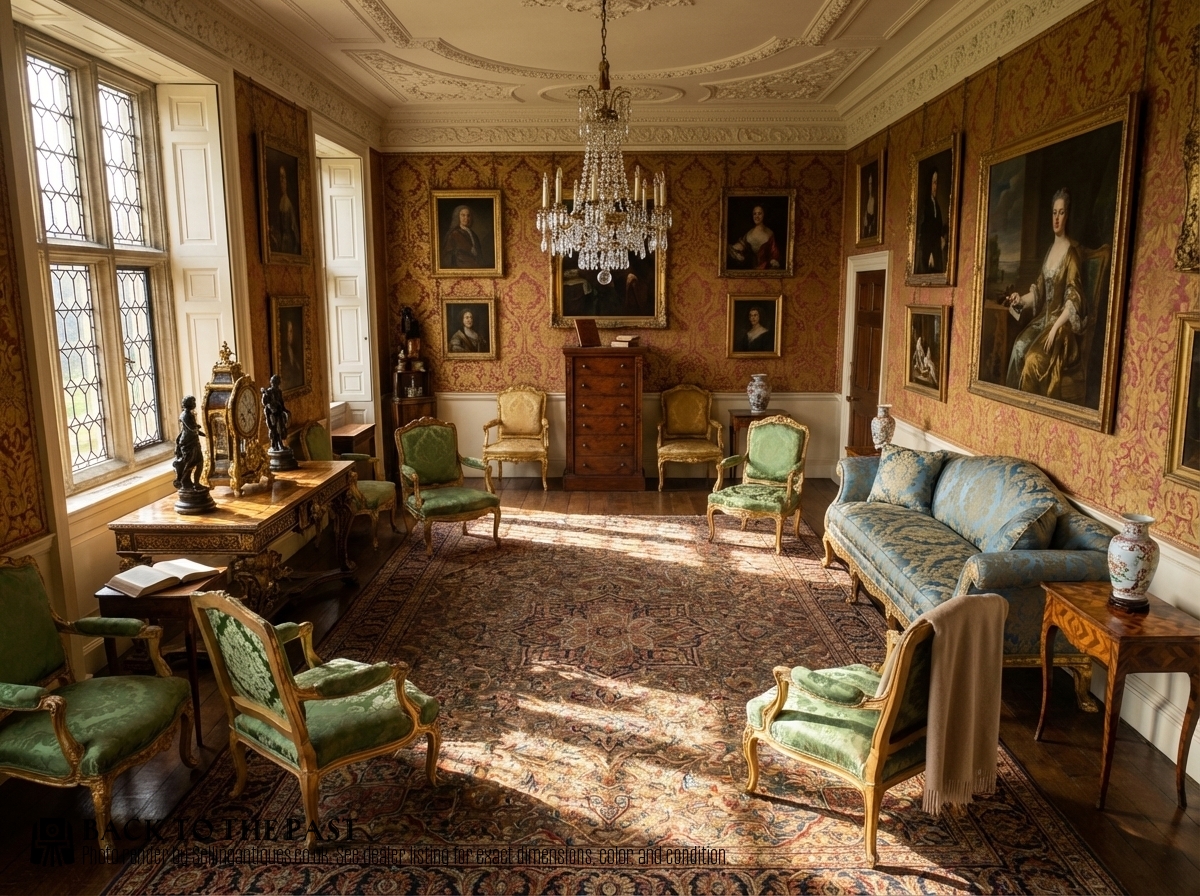
Gillows of Lancaster·Waring and Gillow·Robert Gillows II
The Gillows Chest of Drawers Glossary
- Secretaire chest
- A form containing a fitted writing drawer that drops down to reveal small compartments and pigeon holes. It combines the storage of a chest with the utility of a desk.
- Wellington chest
- A tall, slender cabinet secured by a single locking side-stile that holds the drawer fronts in place. This vertical format originated in the early nineteenth century.
- Compactum
- A large combination wardrobe and chest unit designed to house various types of clothing in one piece. They often feature central banks of drawers flanked by hanging spaces.
- Bow front
- A convex curved front facade popular during the Georgian and Regency periods. It softens the room and showcases figured mahogany veneers to advantage.
- Dovetail
- A traditional interlocking joint used to connect drawer sides to drawer fronts and backs. Hand-cut variations help indicate the period and skill of the maker.
Gillows Chest of Drawers: Frequently Asked Questions
How do I identify a authentic Gillows piece?
Look for workshop stamps on the top drawer edges or drawer sides, alongside timber linings of solid oak or pine. The presence of documented Lancaster construction methods helps confirm the origin.
Compare the internal secondary woods and dovetailing against known examples from the firm. Distinctive hardware and high-grade veneers often support attribution when stamps are absent.
What is a secretaire chest used for?
A secretaire chest provides both standard drawer storage and a fold-down writing surface concealed within the upper section. It was designed for correspondence and household administration.
When closed, the piece maintains the appearance of a standard chest of drawers. Opening the fall-front reveals small drawers and pigeonholes for stationery.
How should I care for antique mahogany timber?
Keep the wood away from direct heat sources and strong sunlight to prevent the mahogany finish from drying out. Maintaining stable room humidity protects the structural joints.
Apply traditional beeswax occasionally to nourish the grain and preserve the surface sheen. Avoid modern silicone sprays that can penetrate the historic finish.
Are these chests suitable for modern bedrooms?
The standard proportions and deep drawers make these pieces practical for storing modern clothing and linens. Their sturdy construction handles daily domestic use easily.
Placing an antique chest against a plain wall allows the figured timber grain to stand out. The traditional height also provides a useful surface for lamps or mirrors.