




Light Oak Dresser
A light oak dresser brings warmth and practical storage to a room, spanning rustic potboards and refined Arts and Crafts forms.
Light Oak Dresser
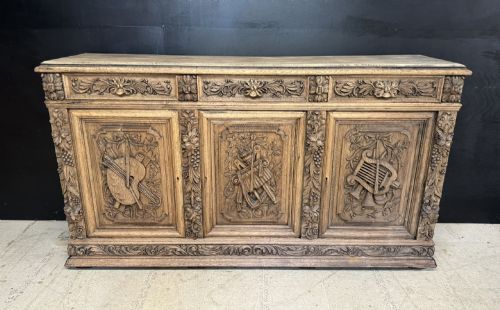
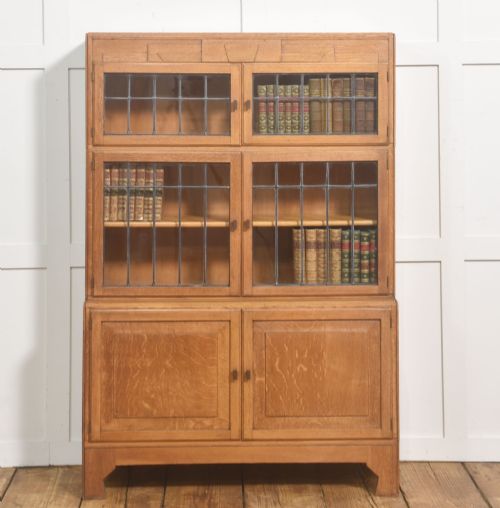
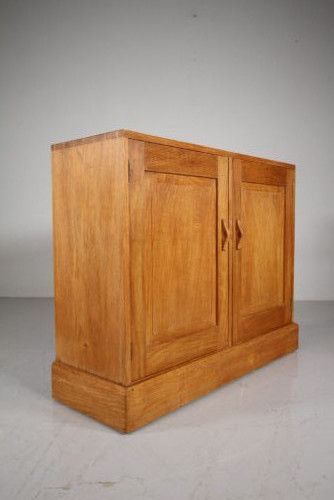
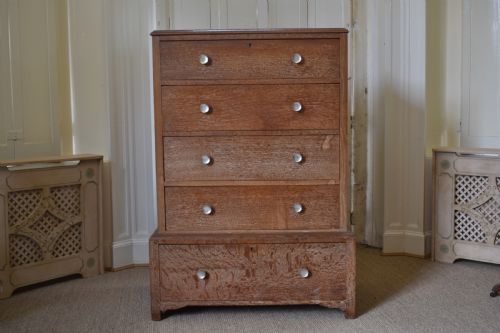
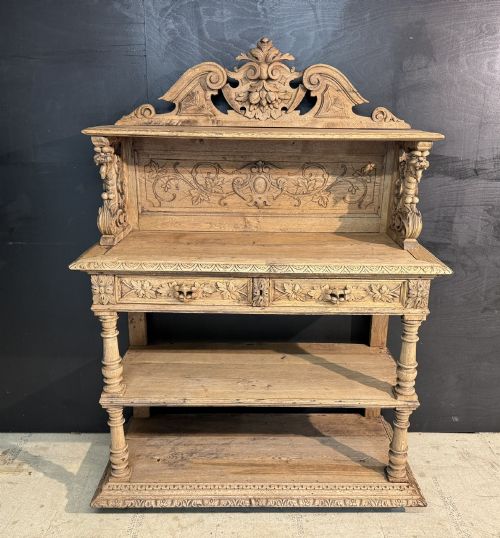
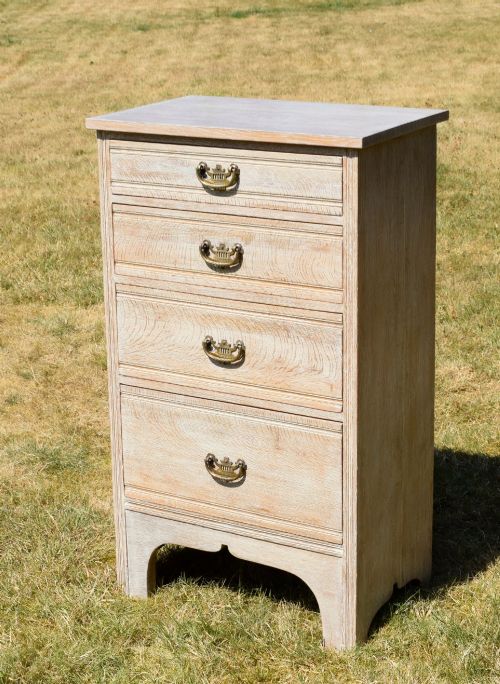
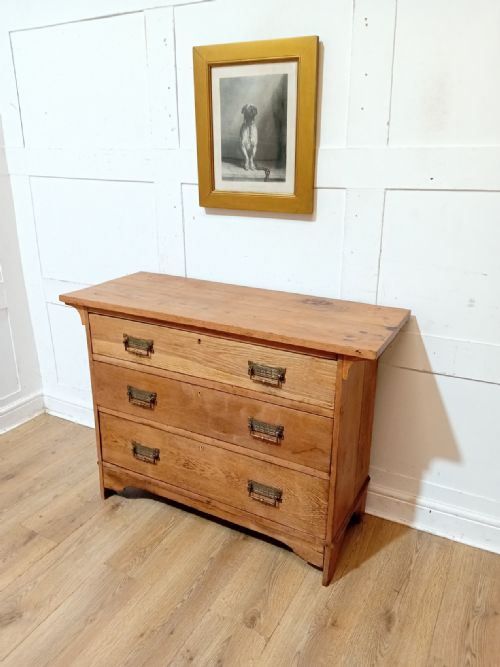
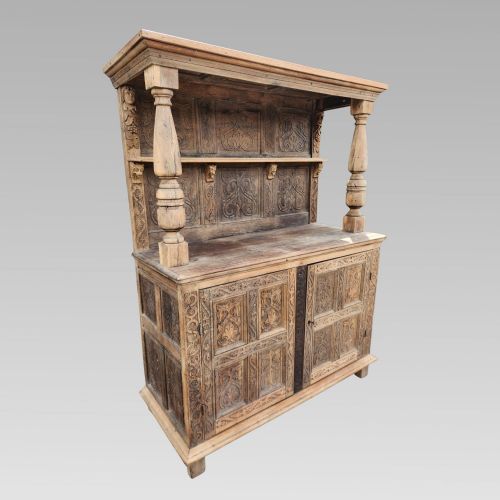
The versions met here range from sturdy provincial French buffets and rustic kitchen dressers to restrained Edwardian and 1930s Cotswold School interpretations. They combine open shelving or display cabinets with lower cupboards and drawers, designed for utility and understated visual weight.
How they were made
Makers constructed these pieces primarily from solid oak, sometimes employing ash, pine, or brass fittings to complement the timber carcase. Surfaces show distinct treatments across different eras, including liming, bleaching, and traditional carving.
Glazing takes the form of plain, leaded, or stained glass within bookcase and cabinet doors. Construction relies on pegged joints, dovetail drawers, and heavy paneling suited to daily domestic service.
Listings feature oak, brass, glass, and lead materials across Victorian, Edwardian, and 1930s periods.
What varies in quality
Quality rests upon the crispness of the carving, the selection of figured oak timber, and the integrity of the original construction. Regional vernacular pieces rely on honest joinery and practical proportions.
Later twentieth-century workshops and named modernist makers introduce refinement through balanced joinery and pared-back surfaces. The handling of bleached or limed finishes defines the visual success of the piece.
Heals of London·Peter Waals
The Light Oak Dresser Glossary
- Potboard dresser
- A traditional dresser featuring an open lower shelf, known as a potboard, used originally for storing heavy kitchen earthenware. This open base distinguishes it from enclosed cupboards.
- Limed oak
- Timber treated with a specialised white-pigmented finish to highlight the open grain of the wood. This technique gained popularity during the early twentieth century.
- Bleached oak
- Oak that has undergone a chemical lightening process to reduce its natural golden warmth. It produces a pale, neutral surface favoured by Arts and Crafts and modernist designers.
- Cotswold School
- An influential twentieth-century woodworking movement centered around traditional hand-craftsmanship and simple forms. Makers from this circle produced unpretentious furniture with visible construction details.
- Serpentine commode
- A chest of drawers or cabinet featuring a gently undulating front profile. This curvaceous silhouette appears frequently in continental pieces.
Light Oak Dresser: Frequently Asked Questions
How do I date a light oak dresser?
Dating relies on observing construction methods, handle hardware, and stylistic cues such as Arts and Crafts chamfering or Art Deco geometry. Tool marks and timber preparation often point to specific decades.
Later twentieth-century examples display cleaner machine milling, whereas eighteenth and nineteenth-century pieces show hand-cut dovetails and pegged frame joints.
Where should I place a dresser?
These pieces suit dining rooms, kitchens, and living spaces where their combination of display shelving and enclosed storage proves useful. Ensure adequate wall clearance for taller mirror-backed variants.
Keep them away from direct heat sources and strong sunlight to protect the lighter oak tones and prevent timber movement.
What is the difference between a Welsh dresser and a sideboard?
A traditional Welsh dresser typically incorporates upper plate racks or shelving above a lower base of drawers and cupboards. Sideboards and dresser bases omit the upper superstructure entirely.
Both formats utilise the same pale oak timbers and vernacular construction methods.
How do I care for limed or bleached oak?
Dust surfaces regularly with a dry cloth and avoid harsh chemical polishes that can strip specialised surface treatments. Protect the pale timber from spills and moisture.
Maintaining stable room humidity prevents the solid oak carcase from shrinking or splitting over time.