

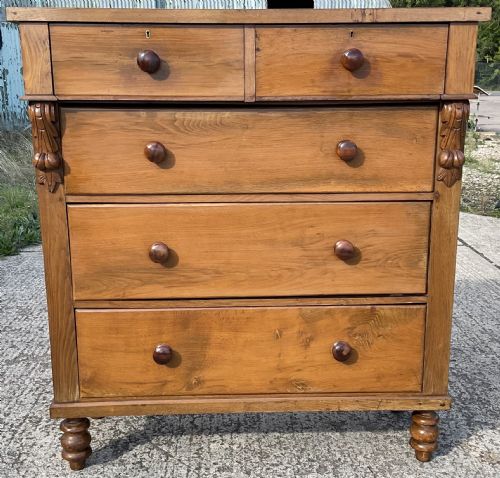
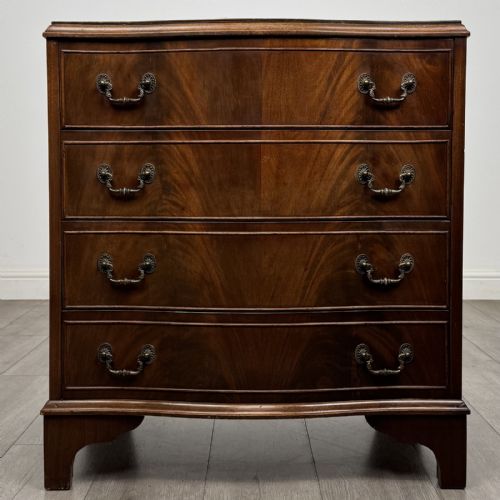
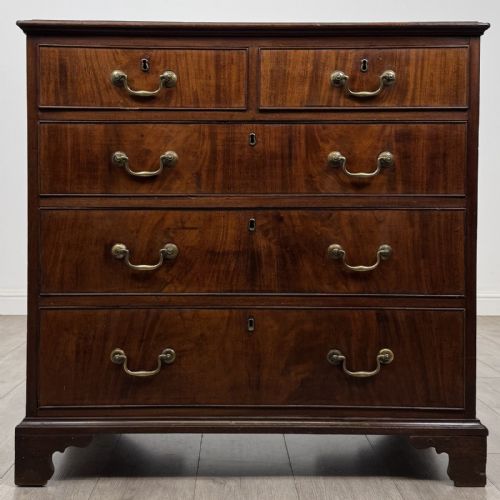
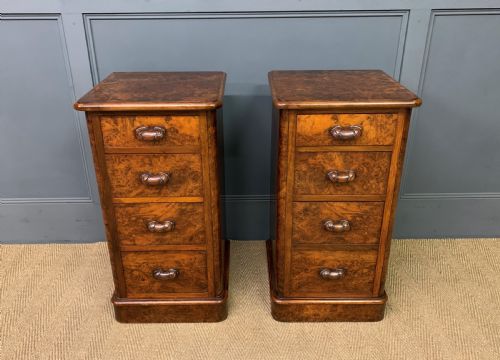
Wooden Drawer Chest
A wooden drawer chest brings tactile warmth and enduring storage to a room, spanning periods from robust Georgian oak to refined Victorian mahogany.
Wooden Drawer Chest
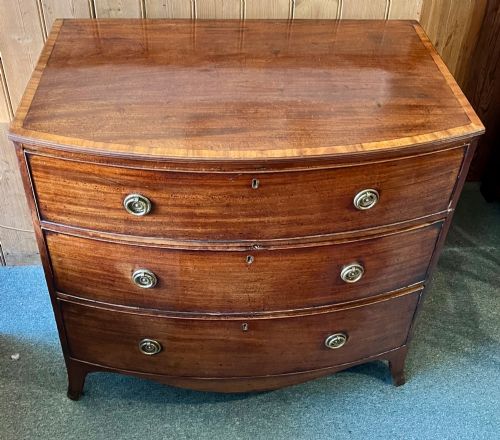
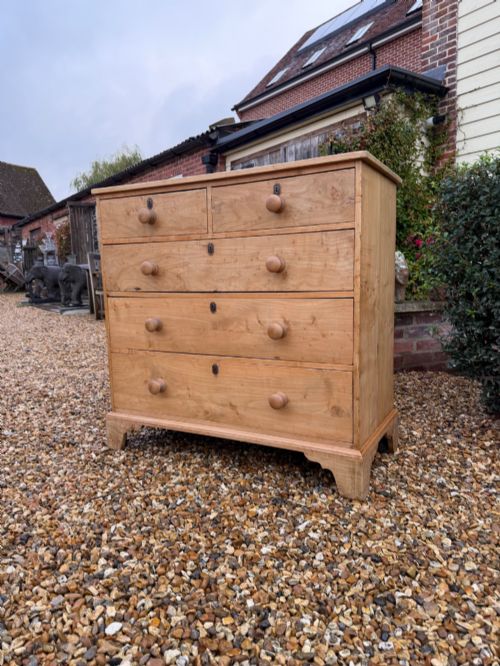
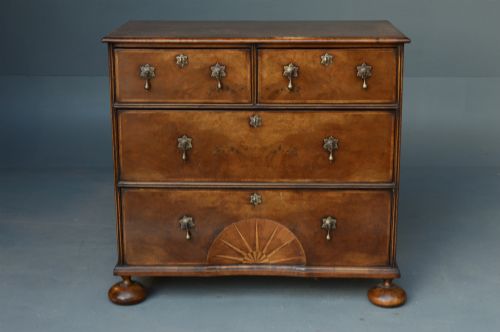
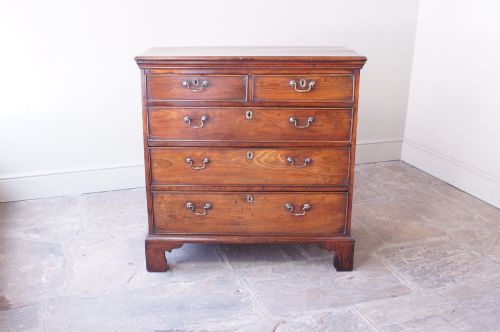
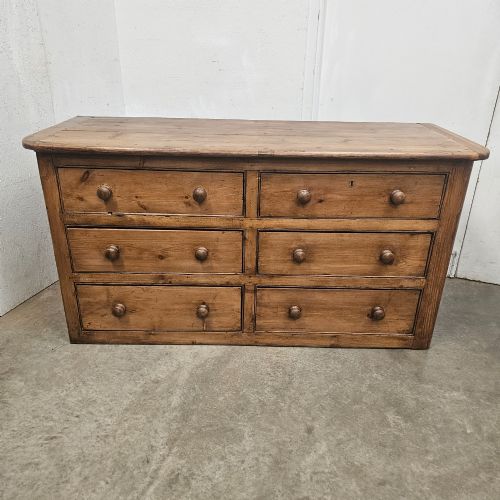
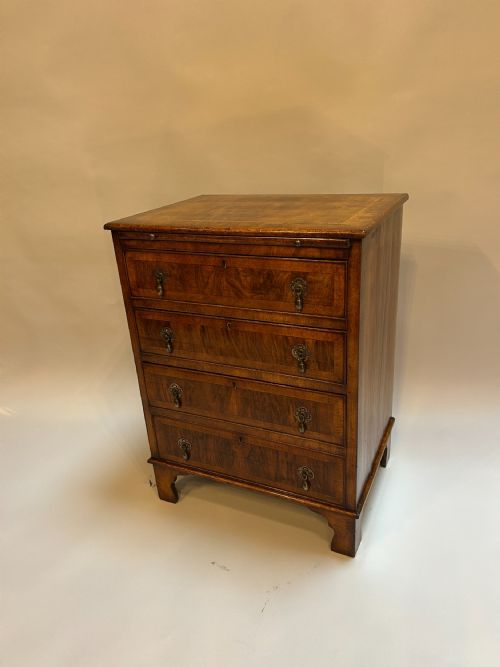
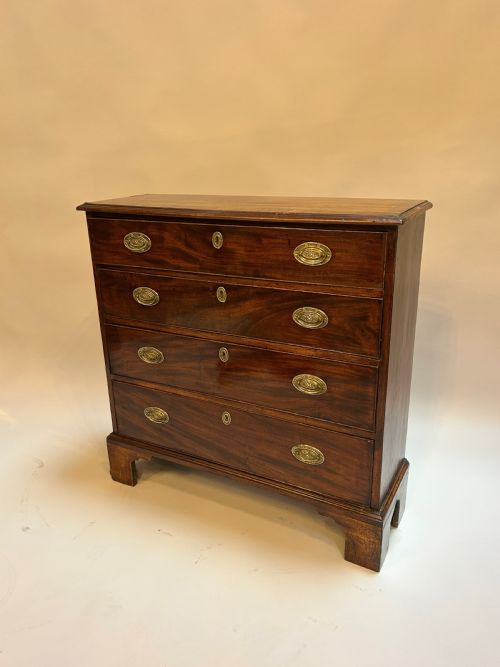
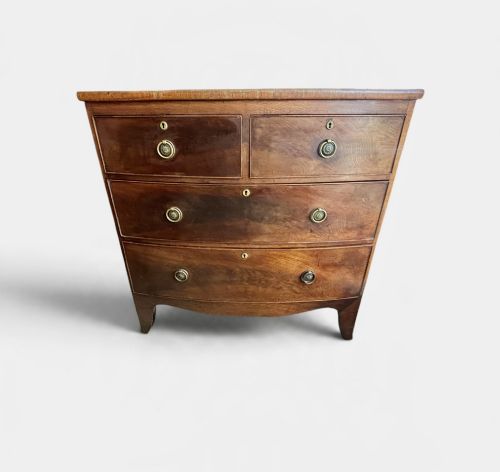
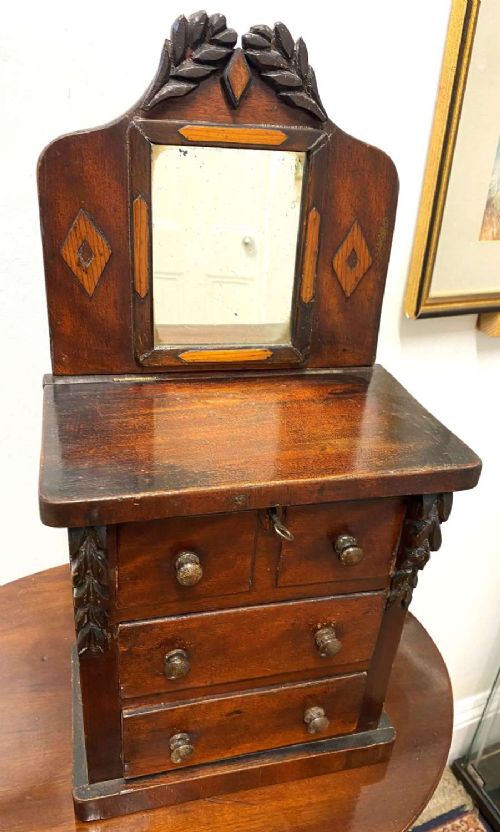
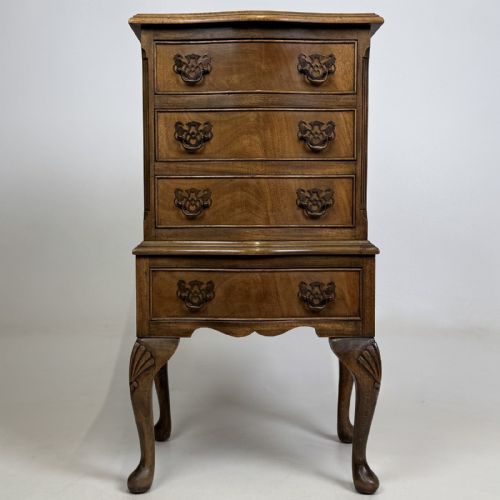
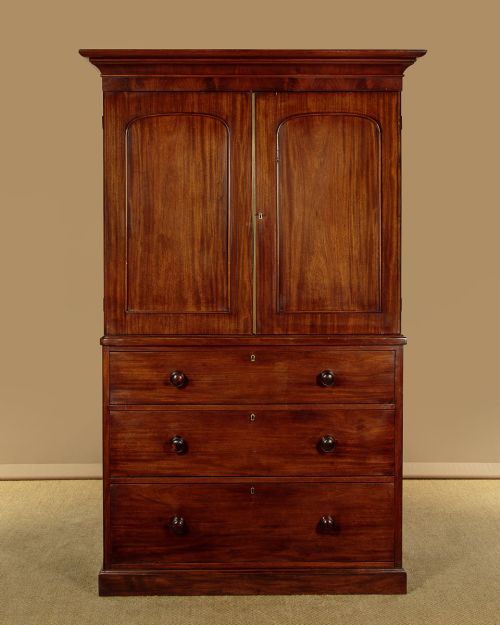
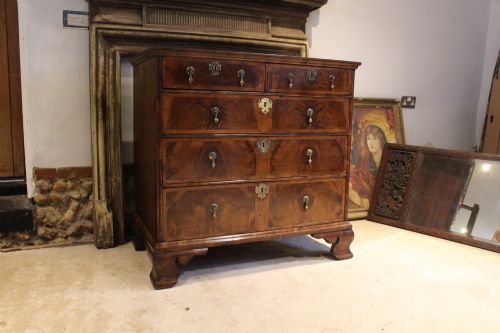
A wooden drawer chest provides functional storage through stacked compartments set within timber carcases, appearing across domestic interiors from the eighteenth century into the twentieth century. When you search for a wooden drawer chest, you encounter diverse forms ranging from compact miniature pieces and tall chests on chests to broad bow-fronted designs.
The material palette reflects centuries of cabinet-making traditions, drawing upon robust native woods like oak and elm alongside imported hardwoods such as mahogany and walnut. Pieces span Georgian, Regency, Victorian, and Edwardian periods, each period bringing distinct proportions and decorative treatments to the storage form.
Domestic requirements dictate the scale and internal arrangement, producing configurations like the classic two-over-three drawer layout, fitted collector cabinets, and sideboards with multiple drawers. Regional variations incorporate local timbers, resulting in country pieces with distinct character alongside urban cabinet-making.
Materials and construction
Timber selection dictates the structural integrity and surface figure of each piece, utilising solid oak, mahogany, walnut, pine, and ash, often enhanced by decorative wood veneers and satinwood details. Cabinet-makers joined carcases using traditional techniques suited to the particular timber, pairing dense hardwoods with resilient internal framing.
Metal hardware plays an essential role in daily function and visual balance, incorporating brass handles, cup handles, and iron elements that anchor the timber drawers. Surface finishes range from polished mahogany and golden oak to painted treatments, protecting the wood while accentuating its natural grain.
Wooden Drawer Chest Retail Price Guide 2026
Typical asking prices for wooden drawer chest among the pieces listed under this phrase on Sellingantiques today, from the lower quarter to the upper quarter. They describe what is for sale here now, not the wider market.
Some chests incorporate hidden compartments designed to guard secret letters from curious household eyes.
Distinctions in craftsmanship
The standard of execution reveals itself in the precision of the drawer joints and the smooth action within the carcase, separating utilitarian storage from accomplished cabinet-making. Superior examples exhibit careful timber selection, where figured mahogany or walnut veneers align harmoniously across the drawer fronts.
Proportion and restrained detail separate finer pieces from heavier utility furniture, seen in the balance of cornices, bracket feet, and brass fittings. The integrity of secondary timbers inside the drawers and backing boards further indicates the original workshop standards.
Army & Navy Stores
The Wooden Drawer Chest Glossary
- Bow-front
- A convex, curved front profile popular on Regency and Georgian chests. This shape softens the room's angles while increasing internal capacity.
- Chest on chest
- A tall storage unit formed by stacking one cabinet directly on top of another. This vertical configuration maximises storage space without enlarging the floor footprint.
- Wellington chest
- A tall, narrow Victorian locking chest featuring a hinged vertical side pilaster that secures all the drawers simultaneously. It offers secure storage for valuables in a compact footprint.
- Apprentice piece
- A miniature or small-scale chest created by a learner craftsman to demonstrate skill to a guild. These smaller items replicate full-scale construction methods in miniature.
- Bracket foot
- A structural foot supporting the corners of a case piece, shaped in an L-form. It lifts the carcase slightly off the floor.
- Secret drawer
- A concealed compartment hidden within the internal structure of a cabinet or chest. It provides discreet storage accessed by subtle mechanical releases.
Wooden Drawer Chest: Frequently Asked Questions
How do I date a wooden drawer chest?
Dating relies on observing construction methods, timber choices, and hardware styles across different periods. Georgian pieces often show hand-cut dovetails and native hardwoods, while Victorian examples frequently introduce machine assistance and darker finishes.
Secondary woods inside the drawers provide further clues, as pine and oak usage shifted over the decades. Examining the handles and locking mechanisms helps align the piece with documented stylistic eras.
What is an apprentice chest?
An apprentice chest is a small-scale model built by a craftsman in training to prove proficiency to master joiners. These pieces mirror the exact construction details, drawer linings, and stylistic proportions of full-sized furniture.
Collectors prize them for their meticulous detail and uncommon scale. They function effectively as tabletop storage or decorative focal points.
Where should I place a chest in my home?
A wooden drawer chest adapts easily to bedrooms, hallways, or living rooms, providing practical surface space and concealed storage. Taller configurations like chests on chests suit rooms with high ceilings where floor space is limited.
Lower bow-front or serpentine designs work well beneath mirrors or artwork in reception spaces. Placing them away from direct heat sources preserves the antique timber and polished finishes.
How do I care for antique wood?
Maintaining antique timber involves dusting with a soft cloth and avoiding silicone-based sprays that build up over time. Applying natural wax occasionally helps nourish dry wood and preserves the sheen of the polish.
Keeping the piece in a stable environment with moderate humidity prevents the timber from warping or cracking. Gentle handling of original brass hardware ensures the mechanisms remain secure.