




Arts Crafts Storage Drawers
These arts crafts storage drawers unite honest utility with simple timber construction, offering a sturdy place to keep household belongings.
Arts Crafts Storage Drawers
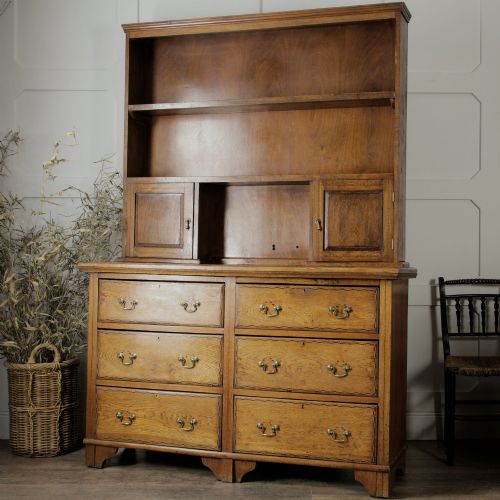
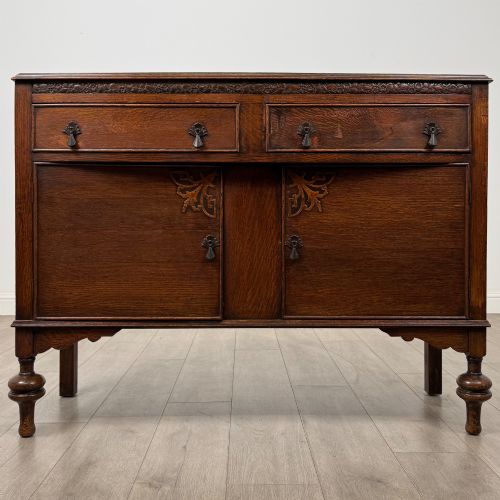
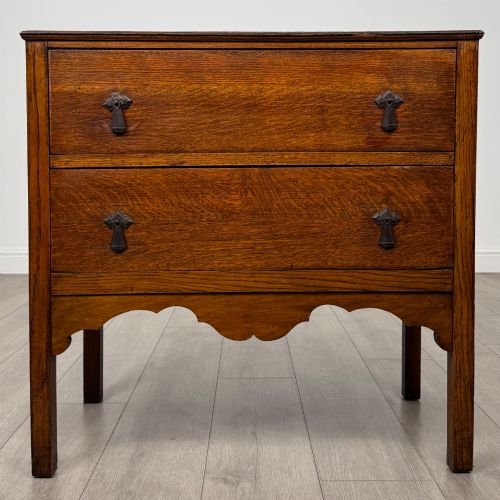
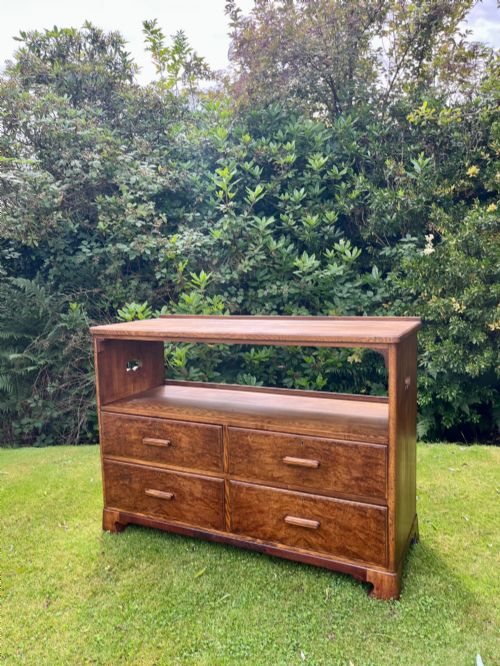
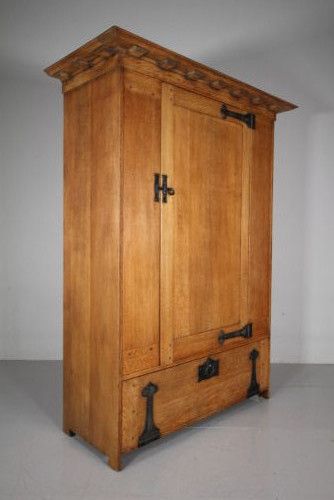
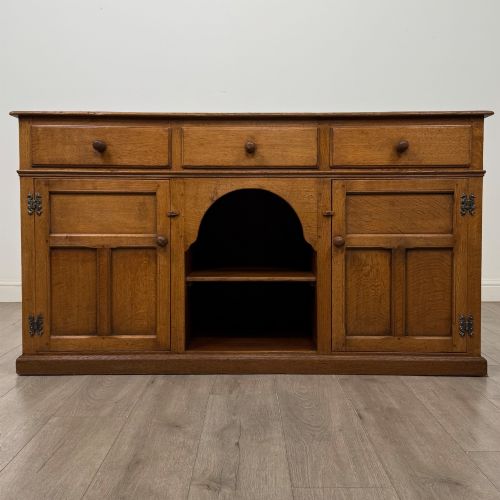
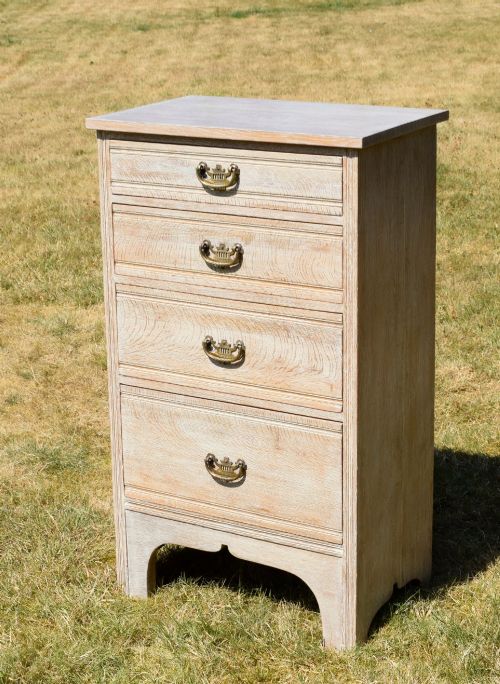
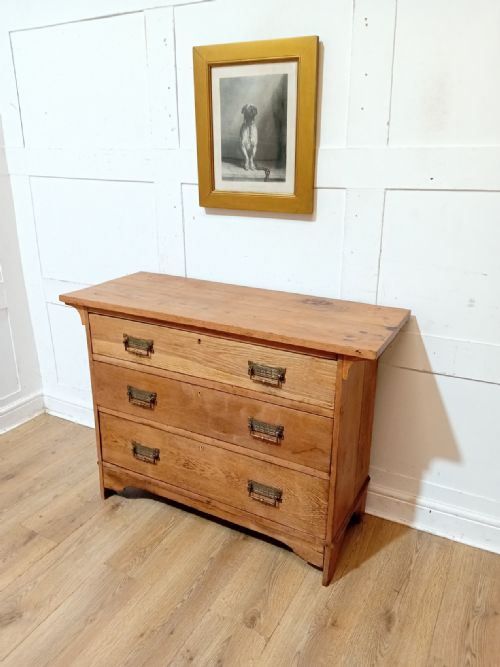
When searching for arts crafts storage drawers, buyers encounter sturdy storage furniture built around the turn of the twentieth century. These pieces include chests of drawers, music cabinets, sideboards, and dressers shaped by the design movements of the late nineteenth and early twentieth centuries.
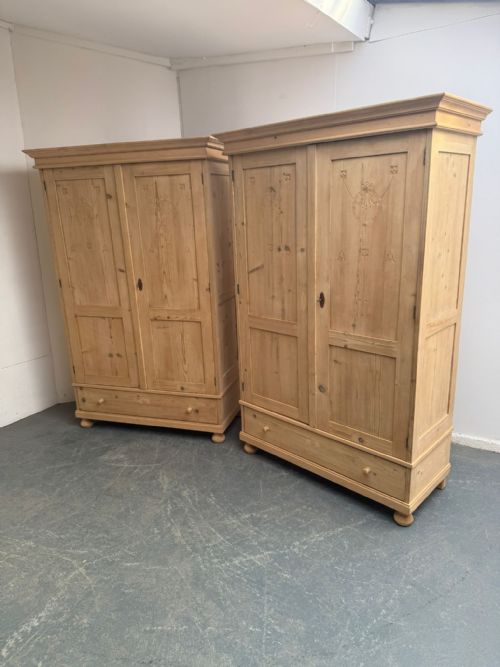
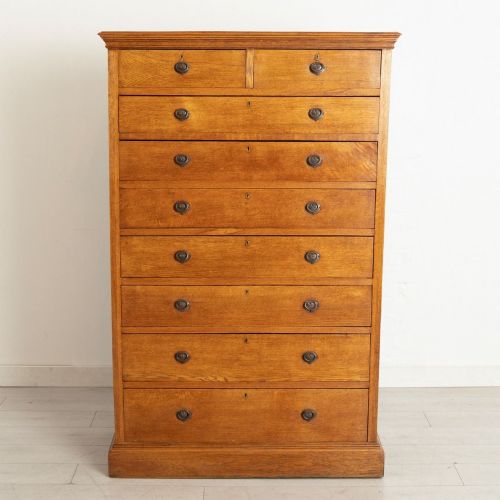
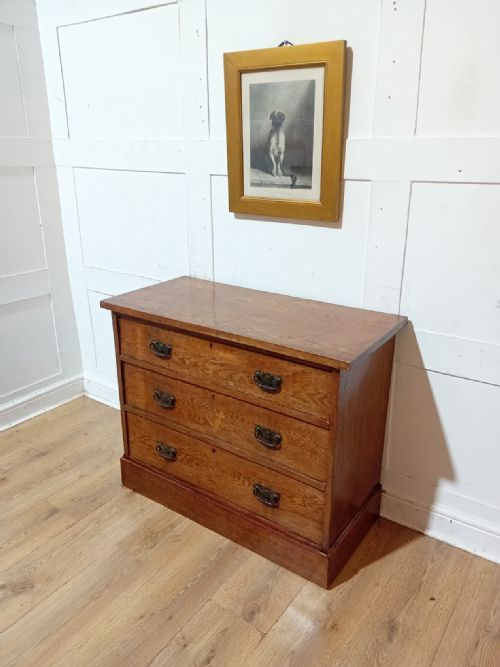
The most common examples on this page are oak chests of drawers and dressers reflecting the Arts and Crafts and Edwardian periods. Pieces range from simple pine wardrobes to sophisticated limed oak and satinwood designs made by notable workshops.
Makers often embraced plain surfaces that highlighted the natural grain of solid timber rather than hiding it beneath heavy veneer. This focus on utility and material honesty makes these storage items practical additions to contemporary rooms.
Materials and Construction
Makers relied primarily on solid oak, pine, and ash, complemented by accents in brass and metal hardware. Woods were frequently waxed, polished, or limed to protect the surface while accentuating the natural figure of the timber.
Construction methods prioritised durability and structural integrity, using solid timber boards for drawer construction and cabinet frames. Metal handles, often in brass or iron, were chosen for both utility and quiet decorative effect.
The listings show periods ranging from the nineteenth century through the 1940s, with a strong concentration of Edwardian and early 20th-century examples.
Judging Quality
Quality rests upon the selection of timber and the integrity of the cabinetmaker's construction. Superior examples utilise solid hardwoods such as oak, ash, or satinwood throughout the frame and drawer linings rather than relying on secondary softwoods.
Design nuance and maker attribution separate standard utility furniture from exceptional pieces. Stamped makers' marks, thoughtful proportions, and refined handling of materials elevate certain chests and cabinets above everyday workshop output.
Harris Lebus·Whytock and Reid·Heals·Peter Waals
The Arts Crafts Storage Drawers Glossary
- Limed oak
- Timber treated with a finish that leaves a white pigment in the open pores of the wood. This technique highlights the grain and lightens the overall tone of the piece.
- Dresser base
- The lower section of a kitchen or dining dresser featuring cupboards and drawers without upper shelving. These pieces serve as versatile sideboards in modern interiors.
- Music cabinet
- A specialised storage piece fitted with internal shelves or shallow drawers designed for sheet music. They often feature fall-front doors or small panelled doors.
- Cotswold School
- A twentieth-century design movement focused on handcrafted furniture made from solid English timbers. Practitioners favored traditional joinery and visible construction details.
Arts Crafts Storage Drawers: Frequently Asked Questions
How do I date these drawers?
Dating relies on timber choices, construction techniques, and stylistic markers such as hardware and finish. Pieces from the late nineteenth and early twentieth centuries often display characteristic oak or ash construction alongside simpler decorative motifs.
Makers' stamps and labels, where present, offer the clearest indication of origin and period. Comparing the structural framing to known workshop styles helps narrow the date of manufacture.
Are these drawers suitable for daily use?
Solid timber construction makes these pieces robust enough for everyday storage in modern homes. The drawers operate on traditional wooden runners that require simple maintenance with wax.
Placing them away from direct heat sources helps prevent timber movement and keeps the drawers running smoothly. Regular polishing preserves the original waxed or polished finish.
What woods were used?
Makers predominantly utilised oak, pine, ash, and satinwood for these storage pieces. Solid timber construction ensured longevity and allowed the natural grain to remain visible.
Secondary woods were occasionally employed for internal drawer linings, whilst brass and iron provided durable hardware.
How do I care for the timber?
Maintaining the finish involves occasional application of quality beeswax to nourish the wood and protect the surface. Avoiding excess moisture and sudden temperature changes prevents the timber from warping.
Gentle cleaning with a soft, dry cloth removes dust without harming the historic wax or polished surface.