

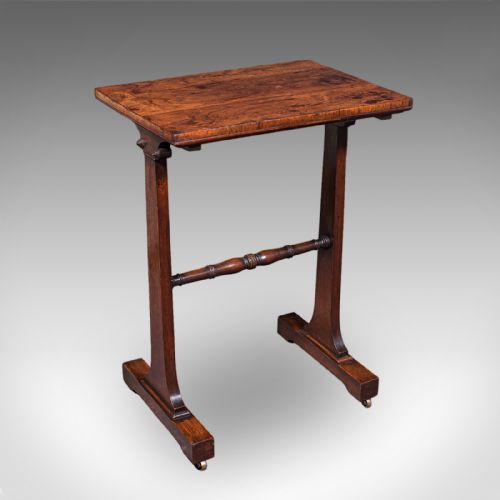
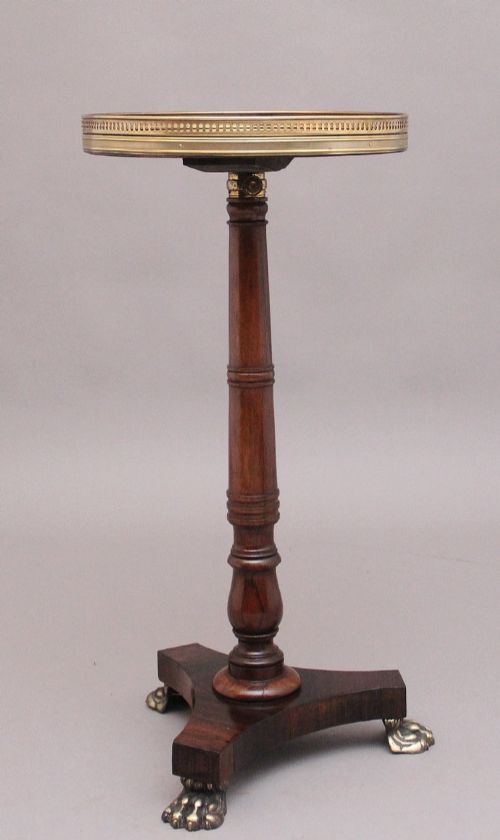
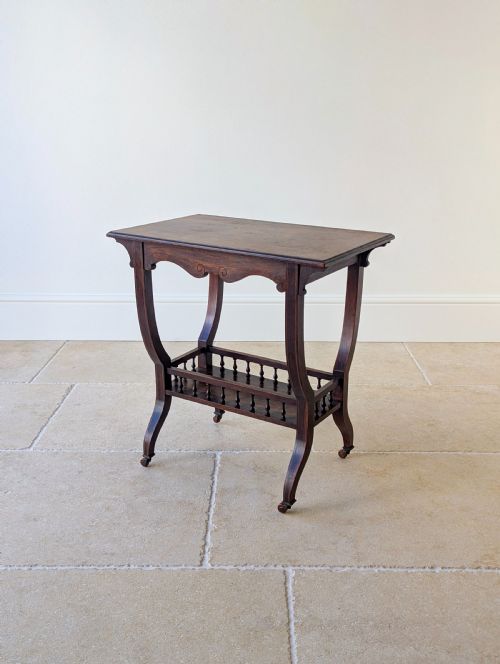
Small Rosewood Table
When you look for a small rosewood table, you are searching for timber with deep grain and rich warmth shaped into compact furniture.
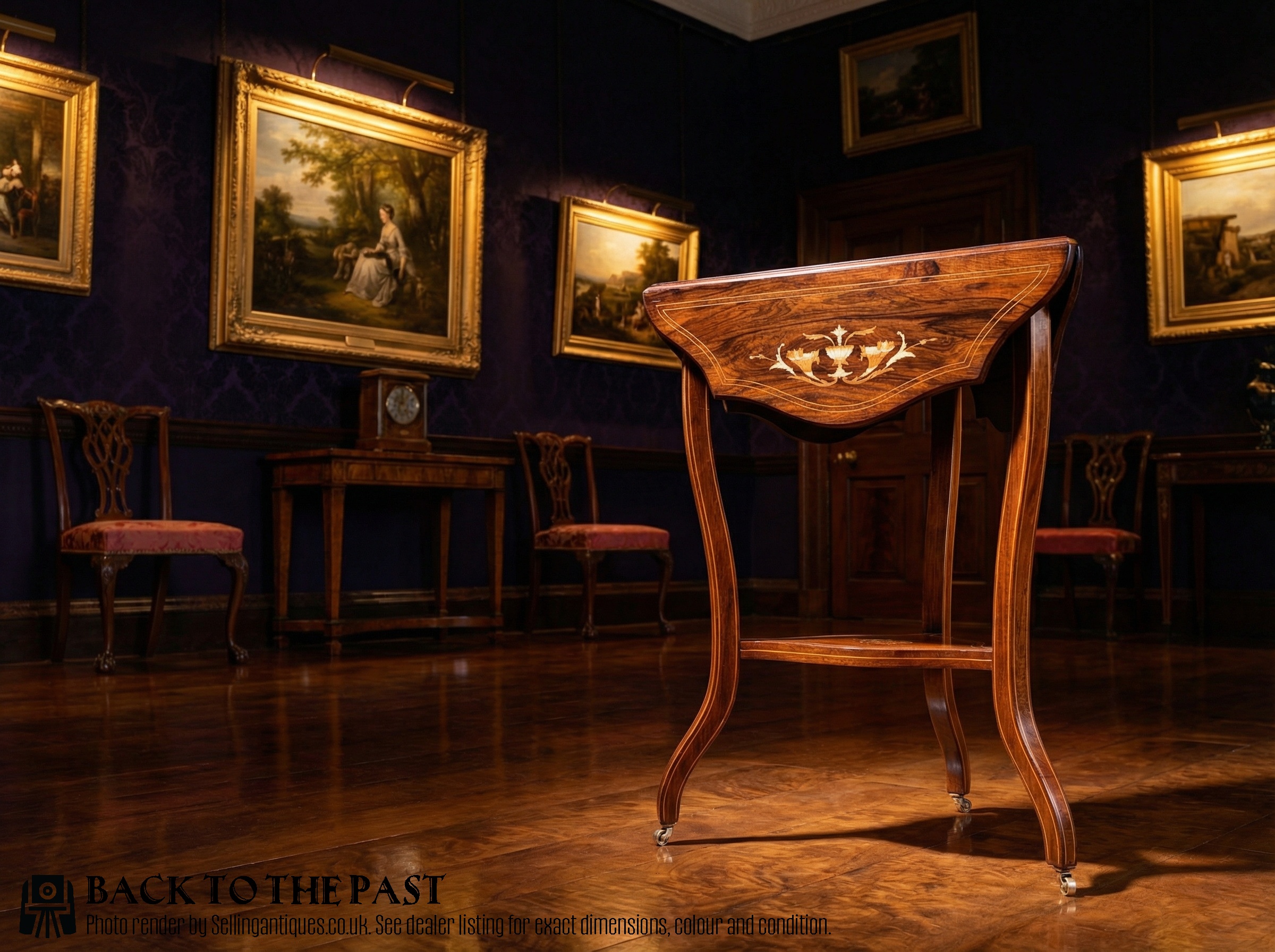
Small Rosewood Table
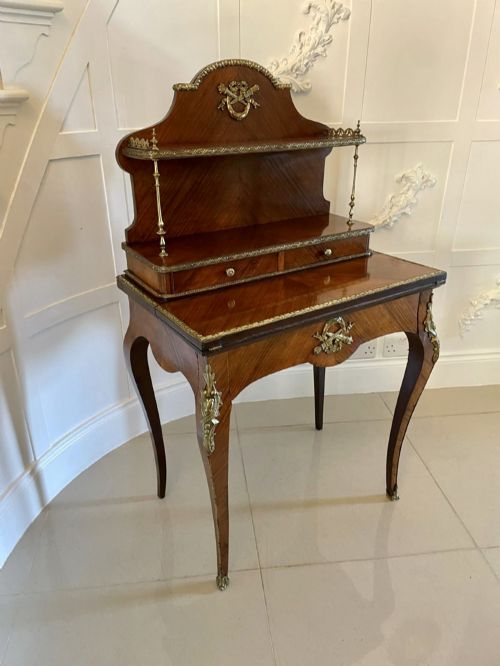
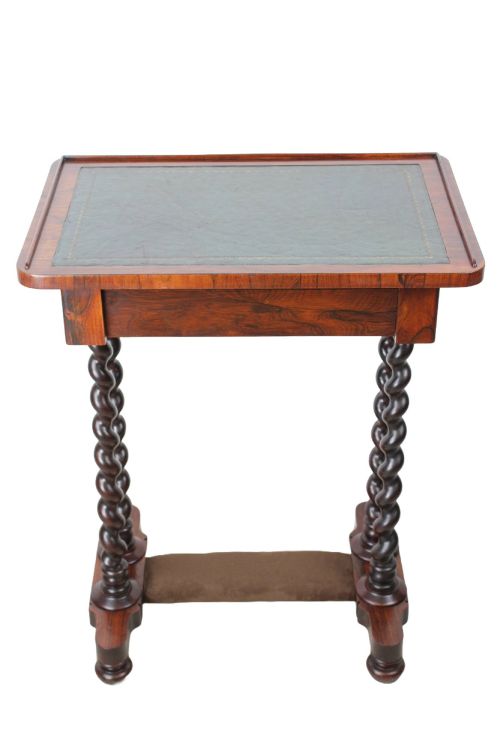
A small rosewood table serves multiple domestic roles across the nineteenth and early twentieth centuries, appearing most frequently as side pieces, occasional stands, and compact writing desks.
The Regency and Victorian eras dominate the selection, bringing refined proportions and rich dark timber to smaller rooms.
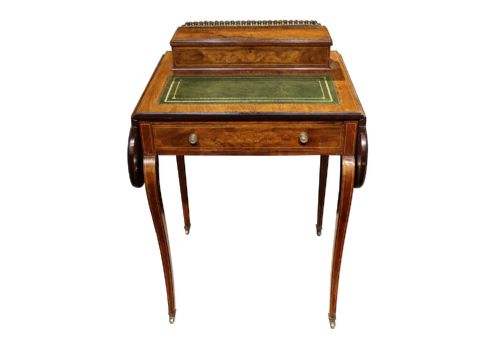
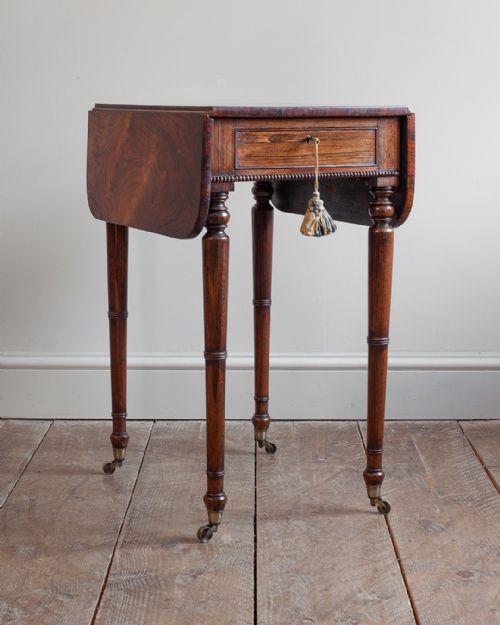
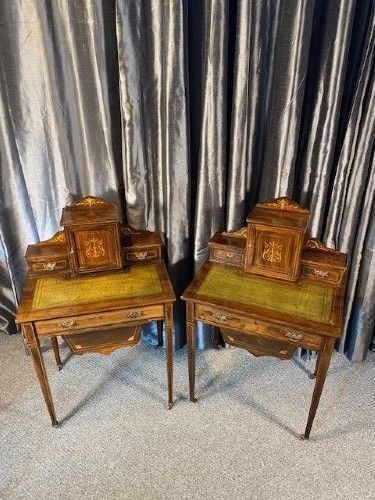
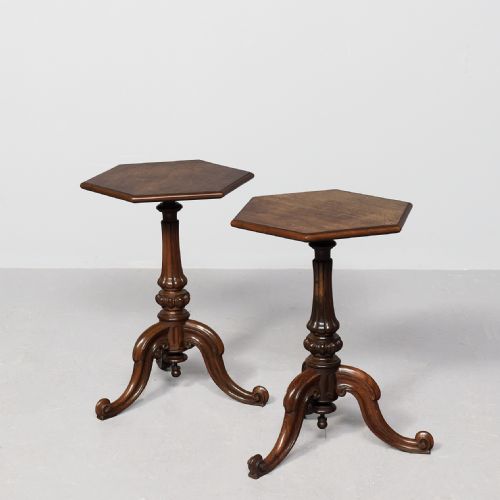
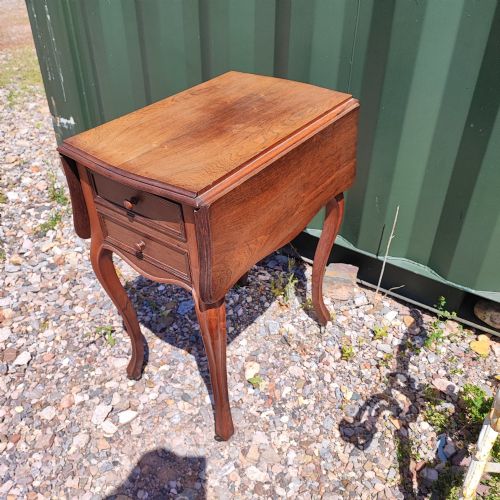
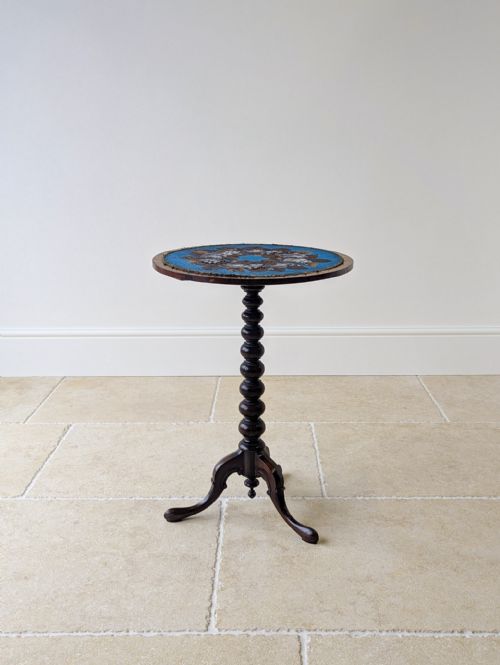
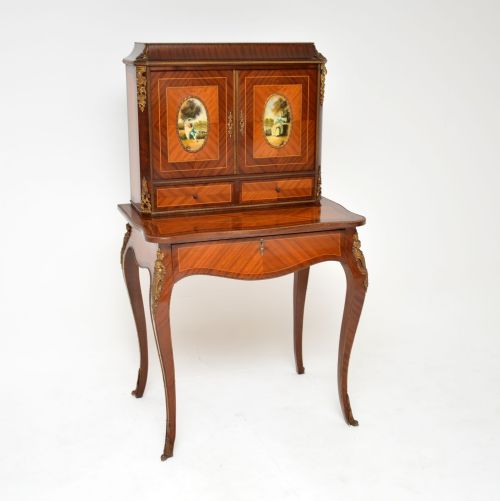
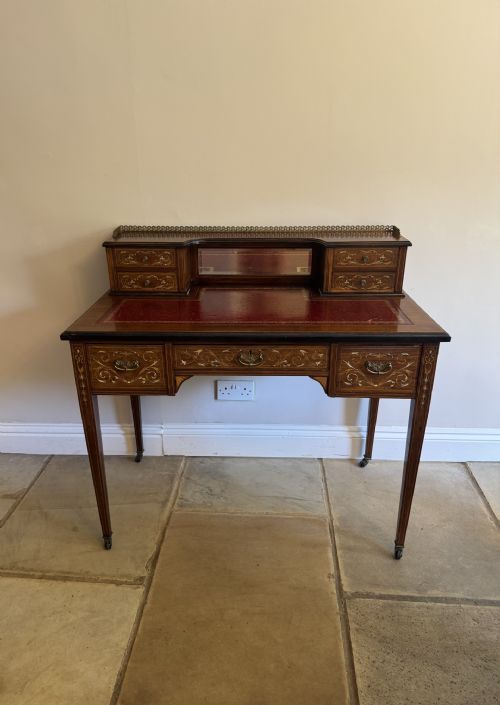
Buyers encounter forms ranging from simple tripod wine tables and pembroke drops to elaborate bonheur du jour writing cabinets and multi-tiered étagères.
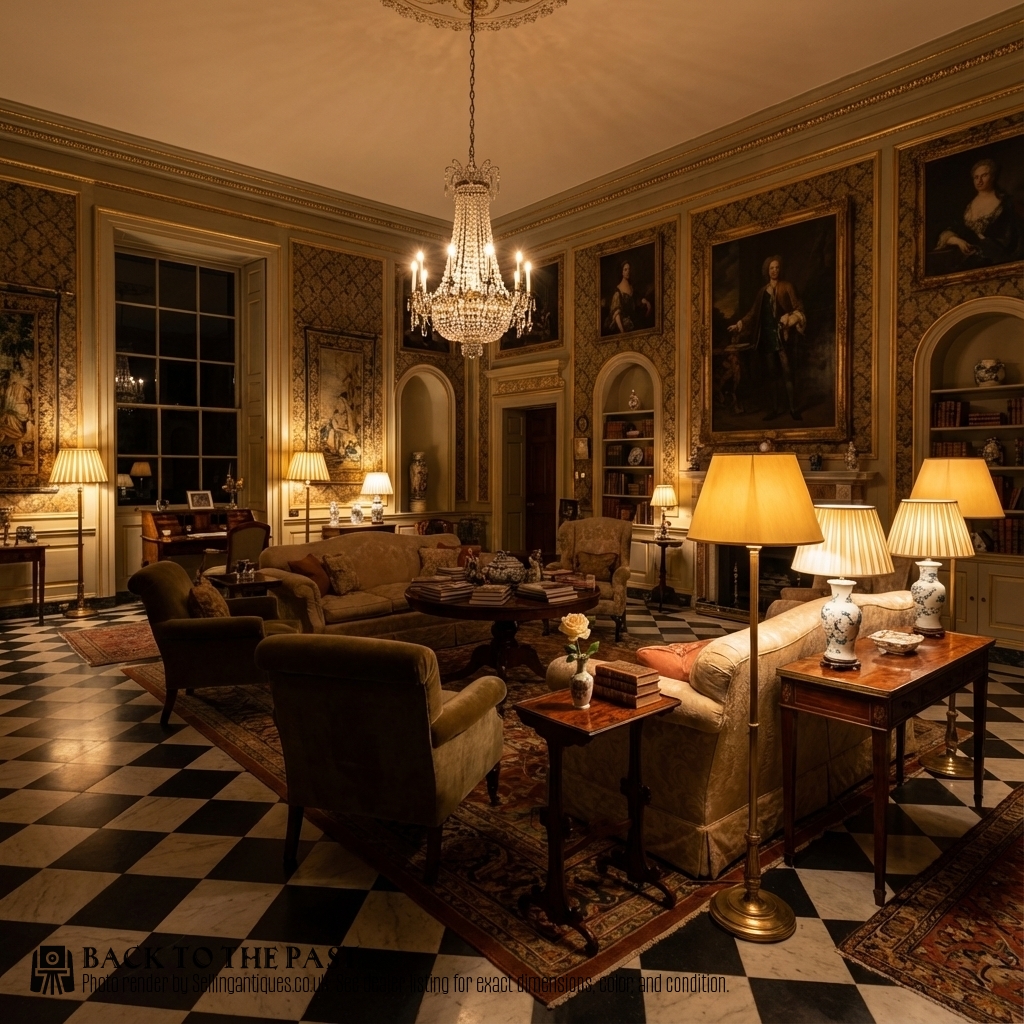
How they were made
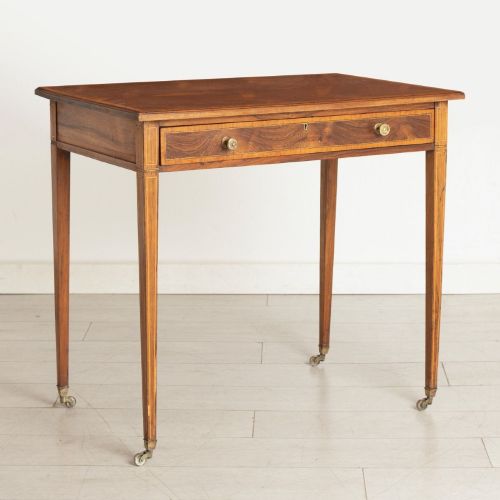
Cabinet makers utilised dense, richly figured rosewood veneers applied to solid framing timbers, often enhancing surfaces with contrasting satinwood or amboyna inlay.
Metal mounts in brass and ormolu add structural detail and decorative contrast, while leather inserts define writing surfaces on desks and games tables.
Small Rosewood Table Retail Price Guide 2026
Typical asking prices for small rosewood table among the pieces listed under this phrase on Sellingantiques today, from the lower quarter to the upper quarter. They describe what is for sale here now, not the wider market.
Listings feature extensive nineteenth-century pieces spanning the Regency, Victorian, and Edwardian periods in rosewood, mahogany, and satinwood.
What varies in quality
The depth and uniformity of the rosewood grain set apart superior examples, particularly where book-matched veneers create symmetrical patterns across tabletops.
Finely cast brass inlay, precise dovetailing in small drawers, and retained original mounts elevate individual pieces well above standard utilitarian production.
Gillow·Edwards and Roberts
The Small Rosewood Table Glossary
- Bonheur du jour
- A light lady's writing desk featuring a small cabinet or superstructure with drawers and pigeonholes above the main writing surface.
- Ormolu
- Gilded bronze mounts and decorative trimmings applied to the corners and legs of finer tables.
- Pembroke table
- A drop-leaf table with hinged flaps on opposing sides designed to expand surface area when needed.
- Satinwood
- A pale, lustrous exotic timber frequently utilised for contrasting inlay and stringing on dark rosewood surfaces.
- Étagère
- An open tiered shelving unit utilised for displaying small decorative objects or books.
Small Rosewood Table: Frequently Asked Questions
Where were these tables used?
These compact pieces found places in morning rooms, bedrooms, and parlours where space was at a premium yet decorative elegance remained essential. Owners utilised them for writing letters, serving tea, or displaying small ornaments.
Their portable nature allowed servants to move them about the house depending on the social activity of the afternoon.
How do I identify a Regency piece?
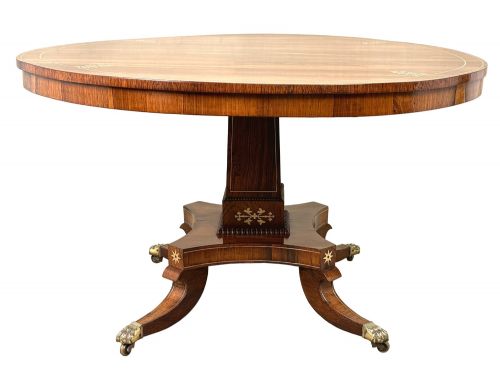
Regency examples display classical restraint, clean geometric lines, and frequently incorporate fine brass stringing or inlay directly into the rosewood top.
Turned pedestals resting on sabre legs with brass paw feet also point firmly to this early nineteenth century period.
How do I care for rosewood?
Rosewood benefits from stable indoor humidity and protection from direct sunlight, which can fade the deep natural colour of the timber over time.
Gentle dusting with a dry cloth preserves the polished finish without requiring heavy modern chemical polishes.