
Regency Period Side Table
A regency period side table brings clean architectural lines and rich timbers into a room, offering both surface space and understated elegance.
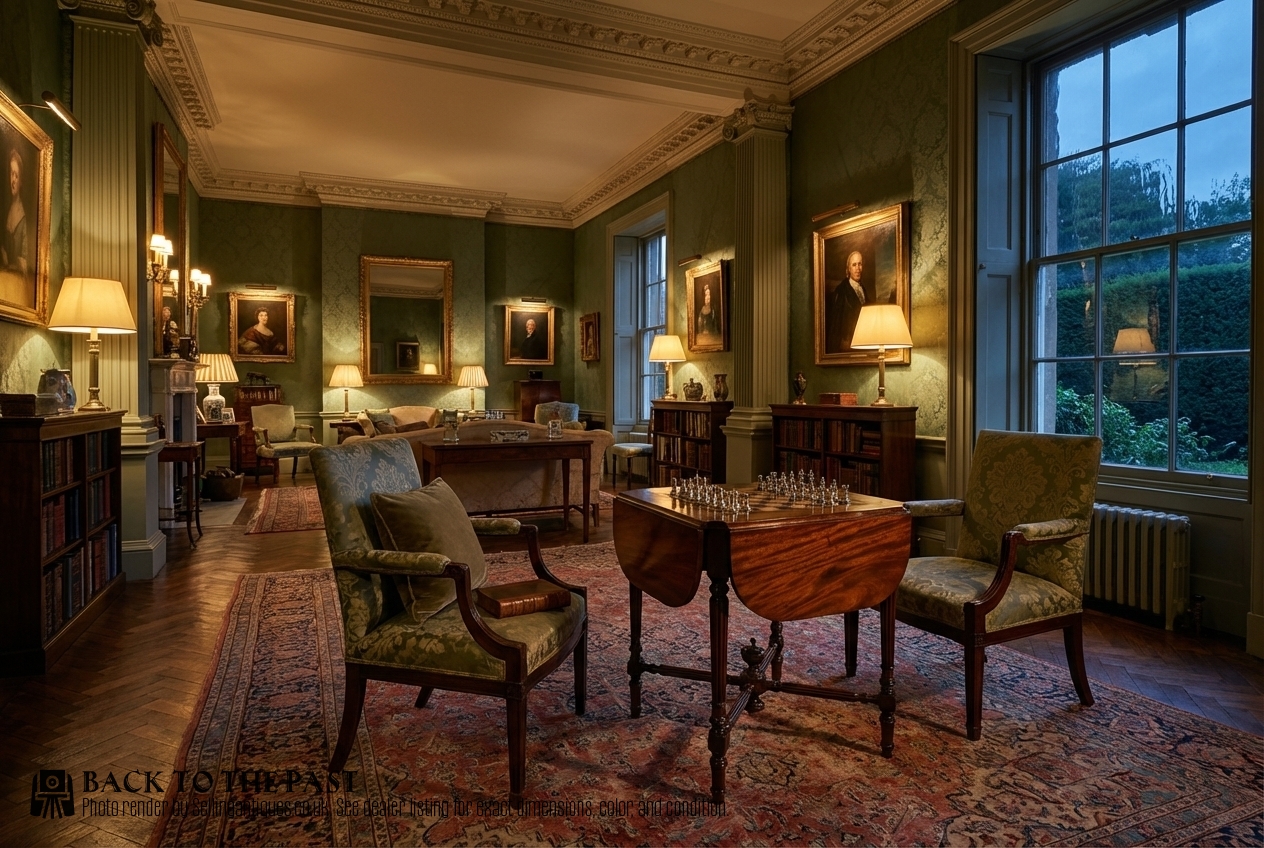
What these tables are
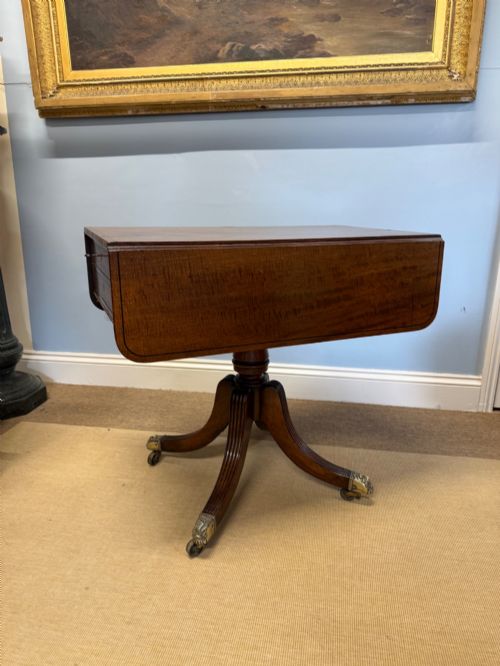
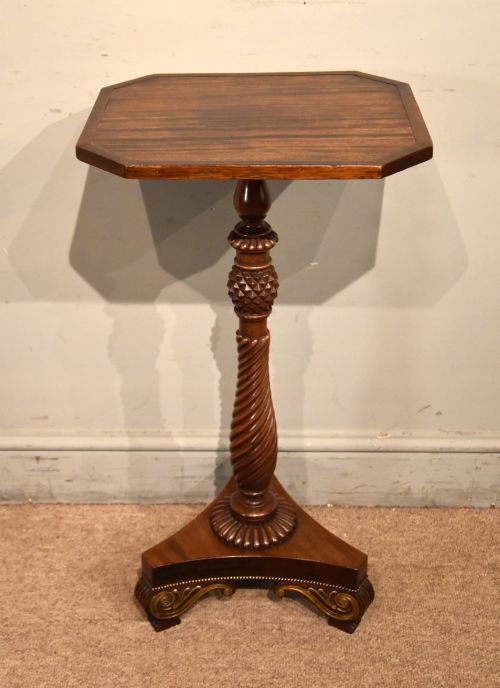
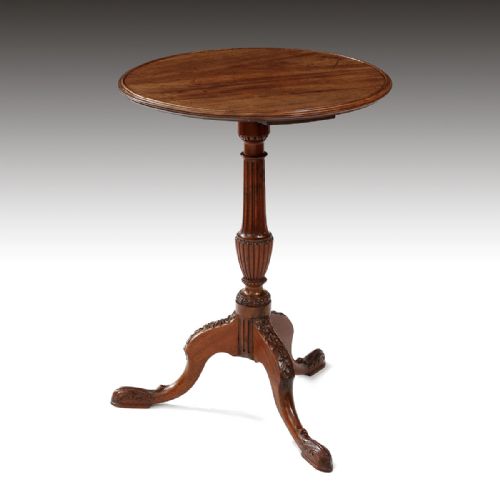
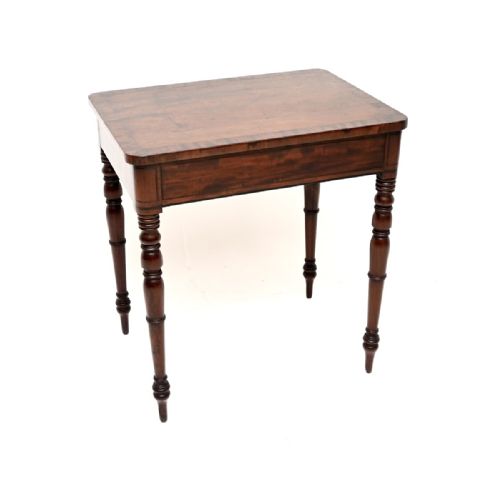
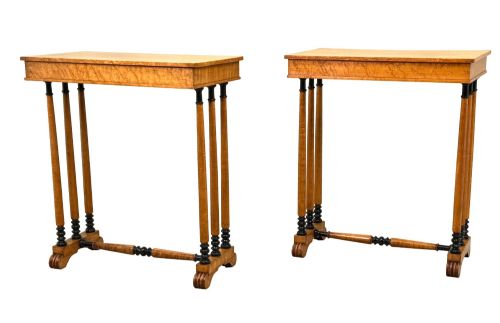
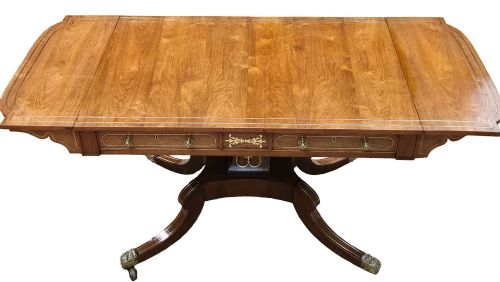
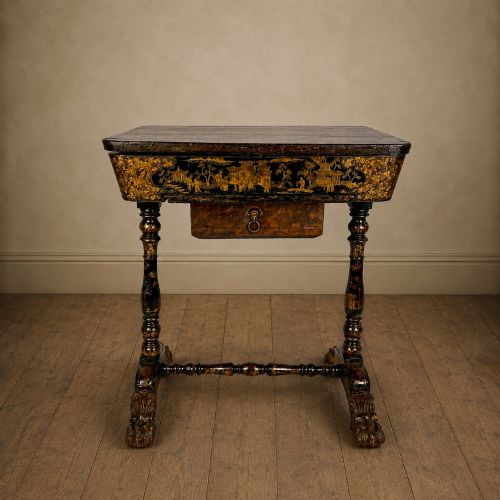
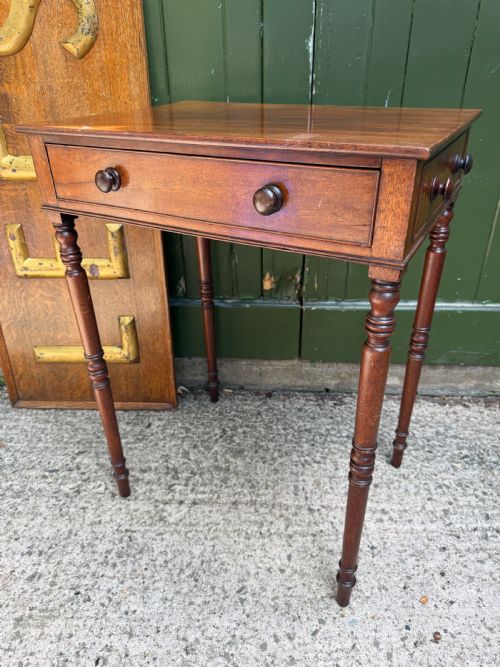
A regency period side table spans several forms within the evidence, appearing most frequently as standard side tables alongside related pieces such as Pembroke tables, games tables, and sofa tables. These items date primarily from the Regency era and the wider nineteenth century, reflecting the neoclassical tastes of the period through restrained ornament and balanced proportions.
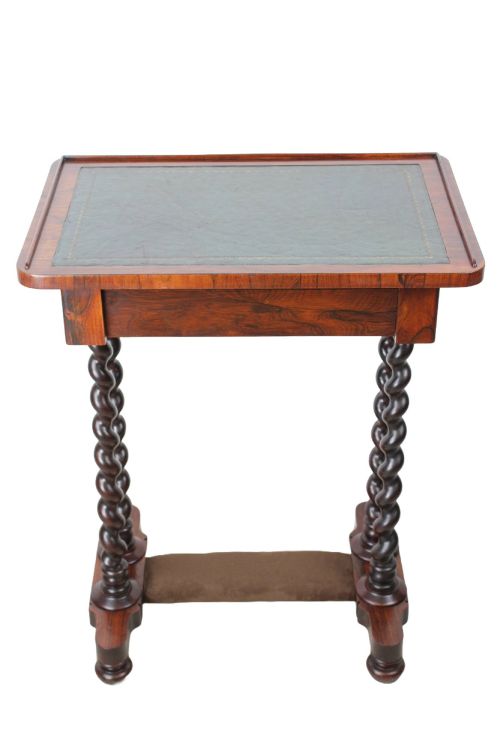
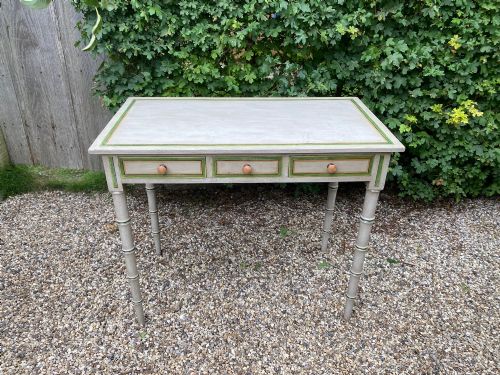
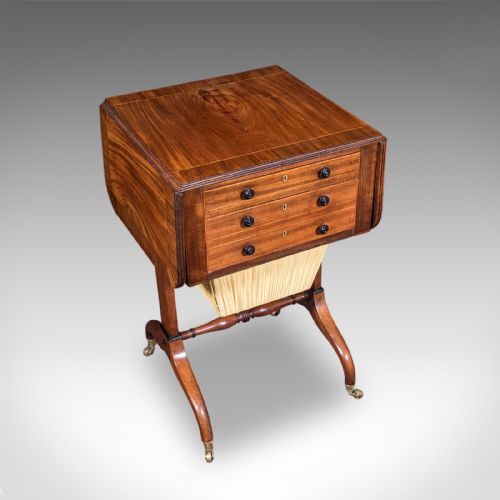
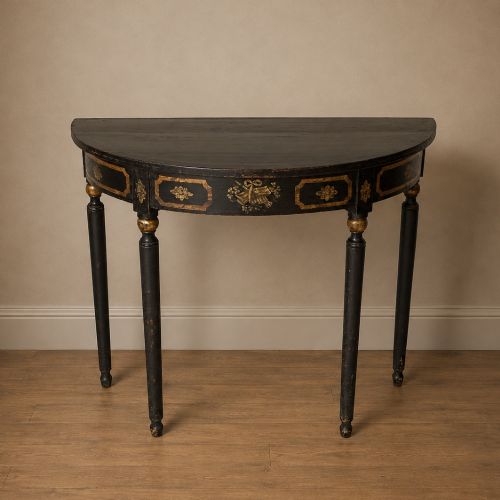
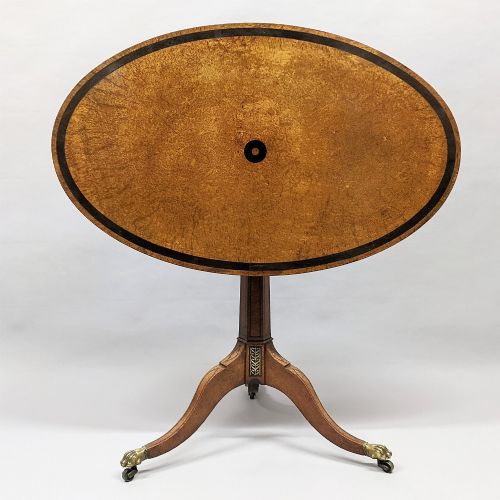
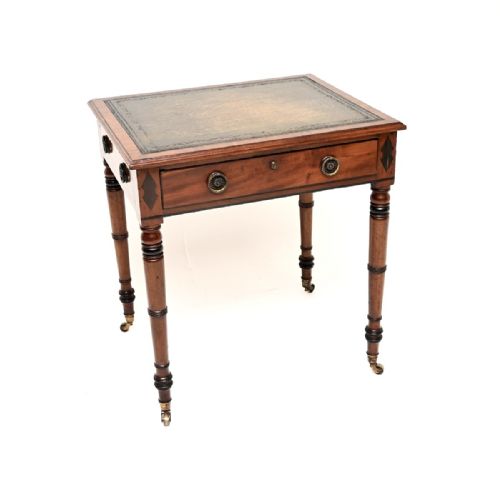
The selection here encompasses variations with drawers, drop leaves, and specialised surfaces like penwork chess boards, alongside forms incorporating brass fittings and inlaid boxwood or ebonised wood details. Many pieces utilise rich timbers, most notably mahogany and rosewood, which dominate both the current listings and the historical archive.
How they were made
Cabinet makers during this era built these tables using solid and veneered timbers, selecting mahogany and rosewood for their grain and depth. Inlay work frequently incorporated lighter woods such as boxwood to create contrasting stringing or geometric patterns on the surfaces.
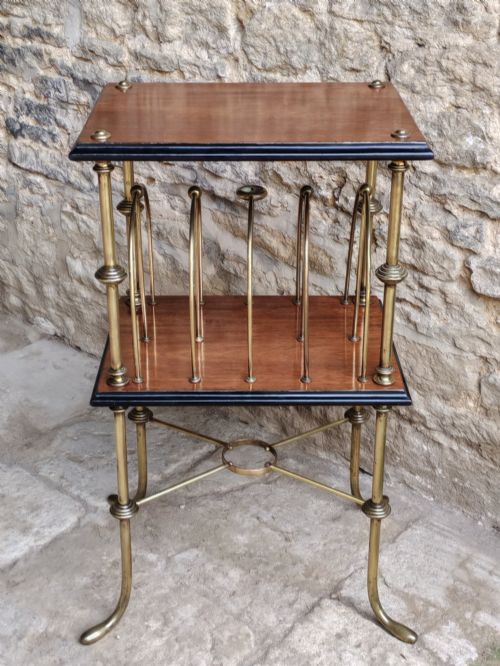
Metal components played a practical and decorative role, with brass used for handles, castors, and structural mounts. Finishes relied on traditional methods including varnish and ink, particularly for penwork decoration found on specialised gaming surfaces.
Retail Price Guide 2026
Typical UK retail prices for regency period side table, calculated from the Sellingantiques database of over a million retail prices indexed since 2003. This retail price guide relies exclusively on Sellingantiques data; no external sources or auction records are used, so the figures do not describe the wider market.
The archive records side tables combined with games functions, tea poys, and music stands.
What varies in quality
Quality in these pieces rests heavily on the selection of timber and the execution of grain figures, such as flamed mahogany or figured rosewood. Superior examples display thoughtful deployment of contrasting boxwood inlay and retained original brass hardware.
The refinement of the joinery and the balance of proportions distinguish the finer tables from simpler utilitarian forms. Subtle details like the crispness of turned legs and the integrity of drop-leaf mechanisms separate workshop output.
Gillows Of Lancaster
The Regency Period Side Table Glossary
- Pembroke table
- A small table with hinged drop leaves on two opposing sides, designed to stand against a wall when closed. These often feature single or dummy drawers.
- Sofa table
- A rectangular occasional table intended to stand in front of or beside a sofa, typically fitted with two drawers and end supports.
- Penwork
- A decorative technique utilising India ink drawn onto a prepared timber surface to create intricate motifs, often seen on games tables.
- Dumb waiter
- A tiered revolving stand utilised for serving food or holding items without the need for attendants during meals.
- Stringing
- Thin lines of contrasting wood inlaid into the surface of a piece to outline drawers, borders, or tabletops.
Frequently Asked Questions
What is a regency period side table?
A regency period side table is a nineteenth-century freestanding or wall-adjacent surface designed for domestic utility and display. These items reflect the classical design influences of the Regency era through balanced proportions and restrained ornamentation.
They appear in various formats including drop-leaf, multi-drawer, and specialised game tables. The form adapts easily to contemporary rooms while retaining historical character.
How were regency tables used?
These tables served multiple functions within period homes, acting as surfaces for lamps, writing, serving, or playing games. Drop-leaf and Pembroke versions offered expandable surface space when required for specific activities.
Drawers provided storage for small household items, writing materials, or gaming pieces. Their versatility allowed them to move between parlours, libraries, and bedrooms.
How do I live with one?
Living with a antique side table involves placing it in spaces where its timber and form can be appreciated without direct exposure to extreme heat or moisture. Regular dusting with a dry cloth helps maintain the polished surface of the wood.
Using coasters and pads protects the antique varnish and inlay from daily wear. These tables integrate well into modern interiors as lamp stands or accent pieces.