

Antique Writing Table Drawers
Antique writing table drawers bring period utility and craftsmanship into daily workspace routines, offering fitted storage alongside traditional writing surfaces.
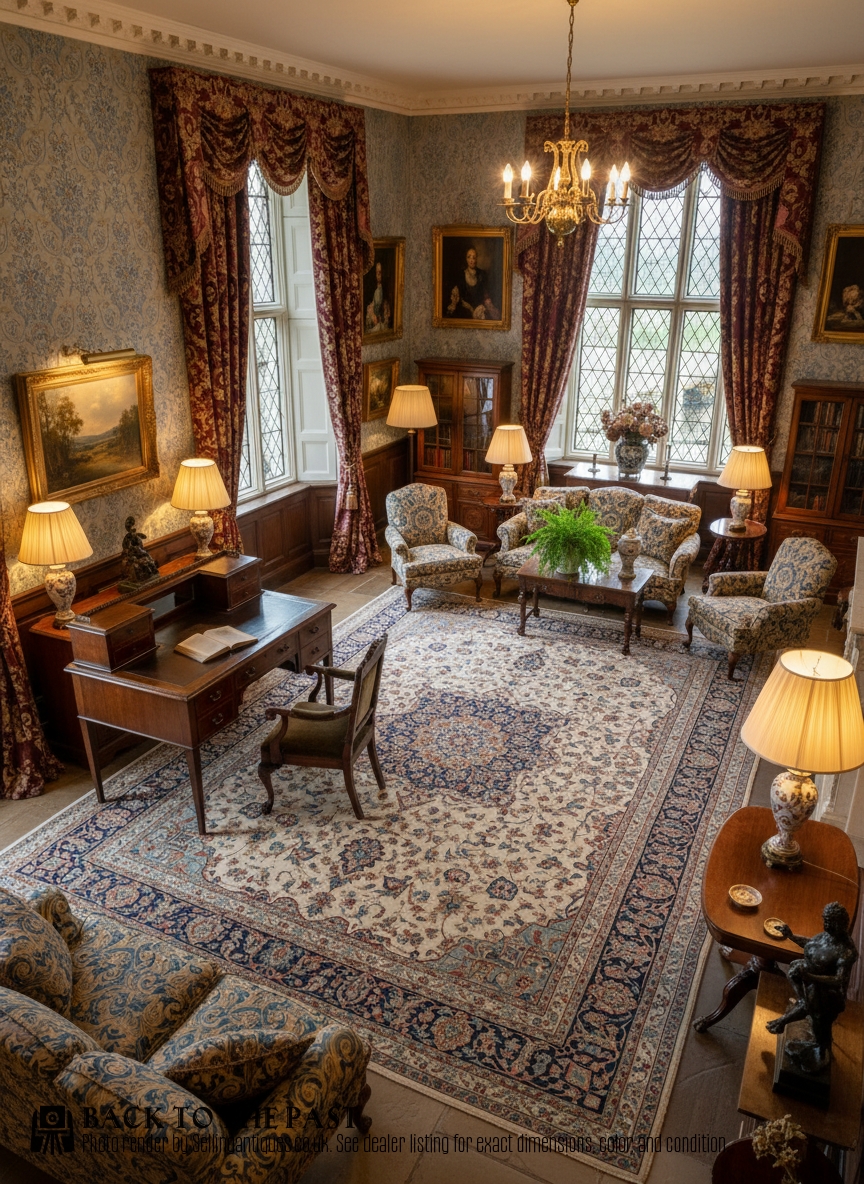
Antique Writing Table Drawers
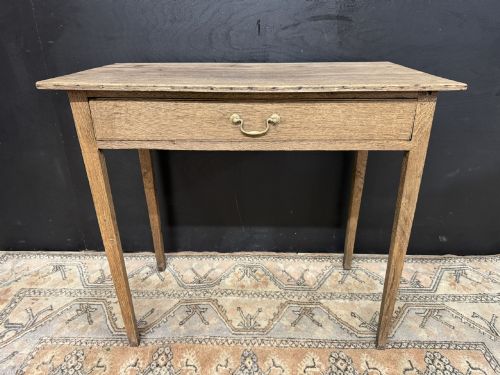
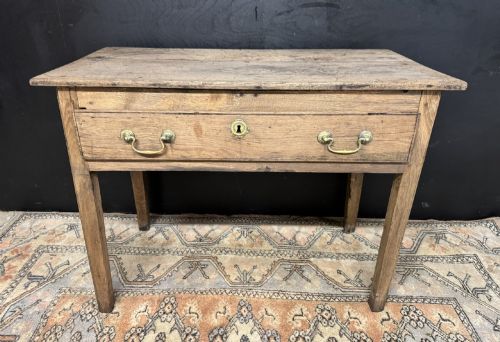
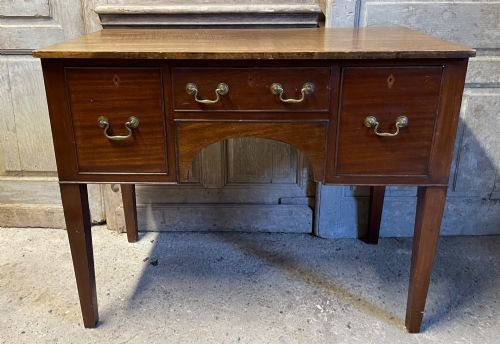
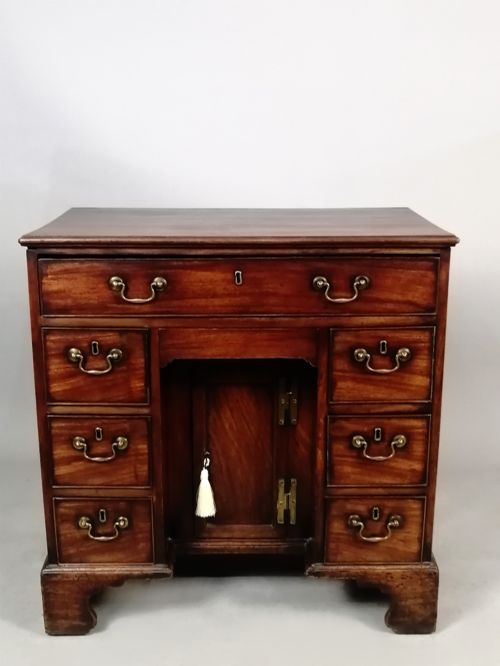
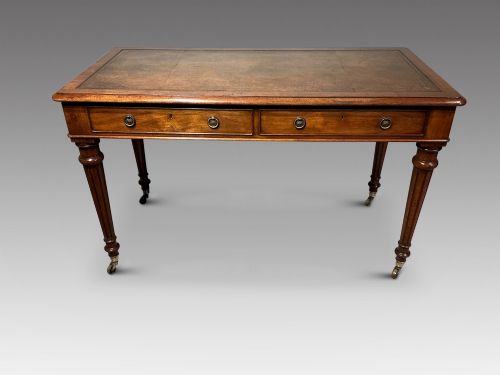
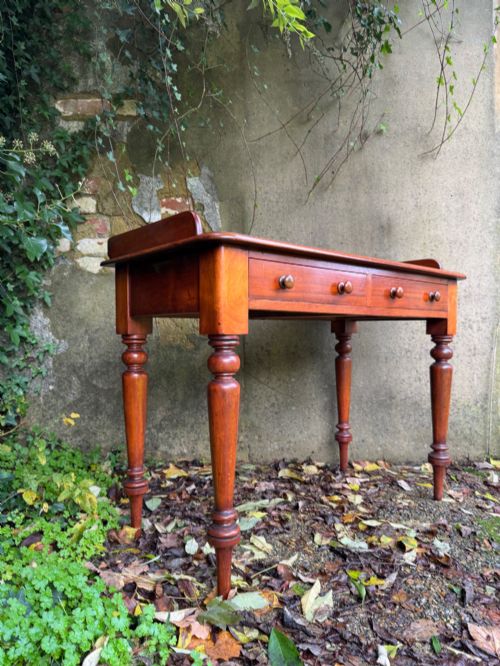
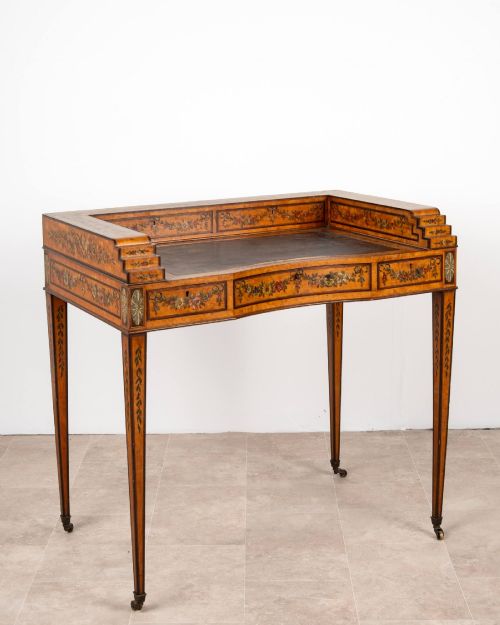
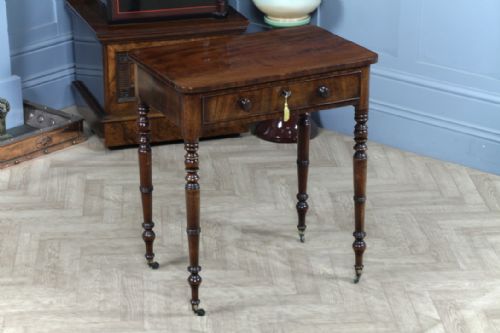
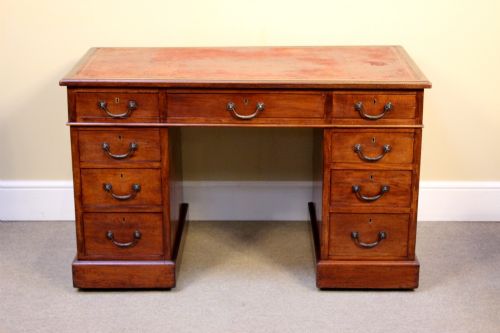
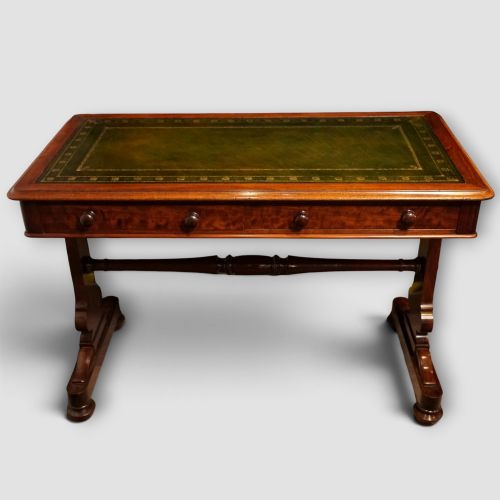
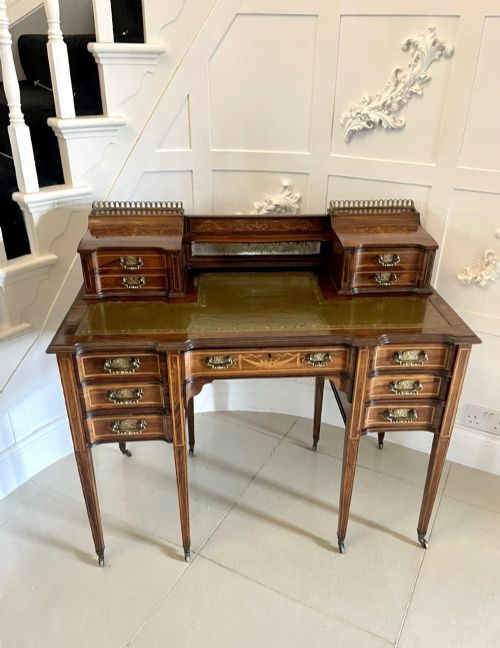
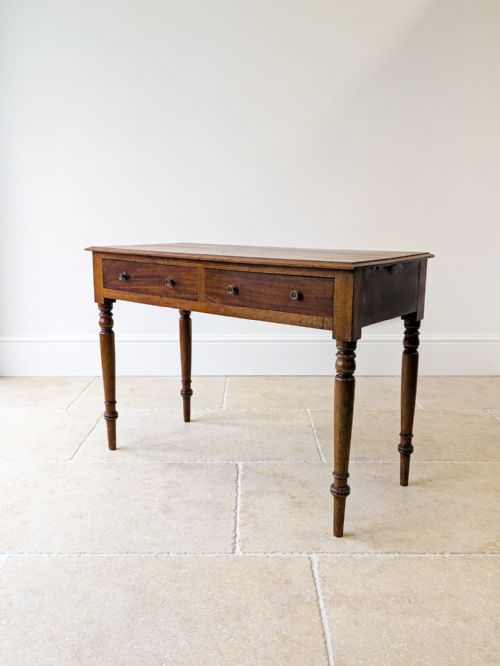
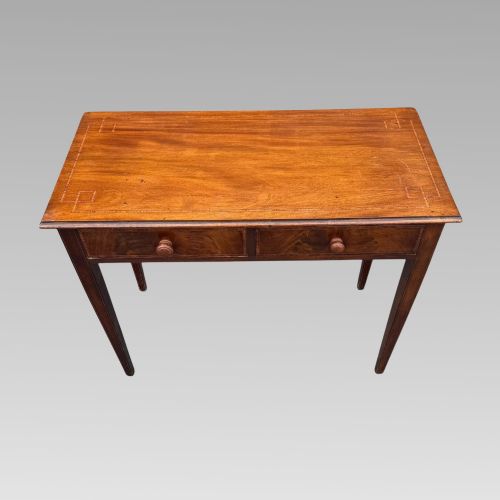
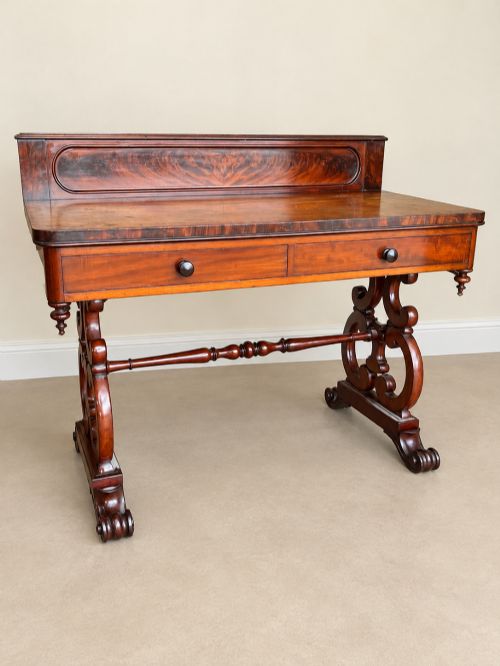
When searching for antique writing table drawers, buyers encounter pieces primarily spanning the Georgian, Victorian and Edwardian periods. These items encompass varied forms such as pedestal desks, side tables, library tables and bureaux.
The most common configurations on this page include mahogany and oak side tables or pedestal desks featuring single or multiple fitted drawers. Makers constructed these pieces in styles ranging from Regency to Rustic Farmhouse.
Origins trace through the nineteenth and early twentieth centuries, capturing shifts in domestic workspace design from formal library tables to compact domestic writing desks.
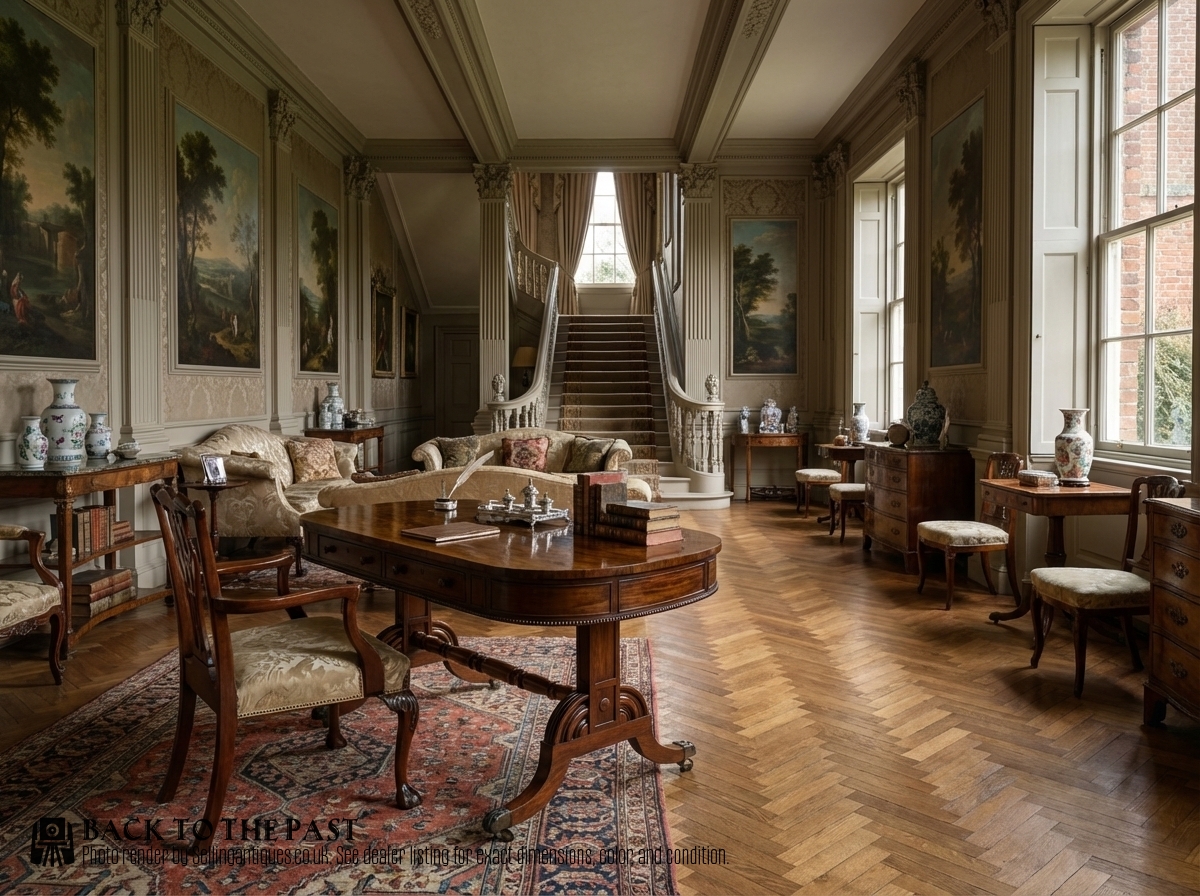
Materials and Construction
Cabinet makers utilised dense hardwoods including mahogany, oak and walnut alongside softer timbers like pine and pitch pine. Burr walnut and yew wood appear frequently for decorative surfaces.
Hardware additions incorporate brass handles and detailed carving, while inset writing surfaces often employ leather inserts to provide a durable writing plane.
Construction techniques rely on solid timber framing paired with dovetailed drawer construction to ensure durability in everyday utility.
Antique Writing Table Drawers Retail Price Guide 2026
Typical asking prices for writing table drawers among the pieces listed under this phrase on Sellingantiques today, from the lower quarter to the upper quarter. They describe what is for sale here now, not the wider market.
Listings span the eighteenth to the twentieth centuries, featuring mahogany, oak, walnut, and pine across pedestal desks, side tables, and bureaux.
Markers of Distinction
Distinction rests upon the selection of timber figures, such as flame mahogany or burr walnut, and the crispness of carved details or inlaid motifs. Superior examples maintain original brass handles and integrated leather writing inserts.
Structural integrity reveals itself in smooth drawer operation and tight joinery throughout the carcass and frieze. Lesser pieces exhibit replaced hardware or utilitarian secondary timbers lacking decorative grain.
Heal and Son·Edwards and Roberts
The Antique Writing Table Drawers Glossary
- Pedestal desk
- A freestanding desk comprising two supporting banks of drawers beneath a main writing surface. These units often feature central kneeholes and multiple working drawers.
- Frieze
- The horizontal band running directly beneath the tabletop, frequently housing one or more integrated drawers. In many side tables, this architectural section defines the primary storage space.
- Bureaux
- A sloping writing cabinet enclosing small interior drawers and pigeonholes above a set of external drawers. This form combines a secure writing flap with substantial lower storage.
- Sofa table
- A rectangular occasional table traditionally designed to stand before a sofa, featuring drop leaves and small opposing frieze drawers. These pieces often exhibit graceful trestle or pedestal supports.
- Kneehole
- The central recessed space beneath a desk or table designed to accommodate the user's legs. Tables with this feature typically balance flanking banks of drawers.
Antique Writing Table Drawers: Frequently Asked Questions
How do I use a pedestal desk?
A pedestal desk serves as a primary workstation, offering a broad writing surface supported by dual banks of drawers for document organisation.
The flanking drawers provide ample space to keep modern writing instruments and papers neatly stored away while maintaining a traditional aesthetic in a study.
What is a low boy?
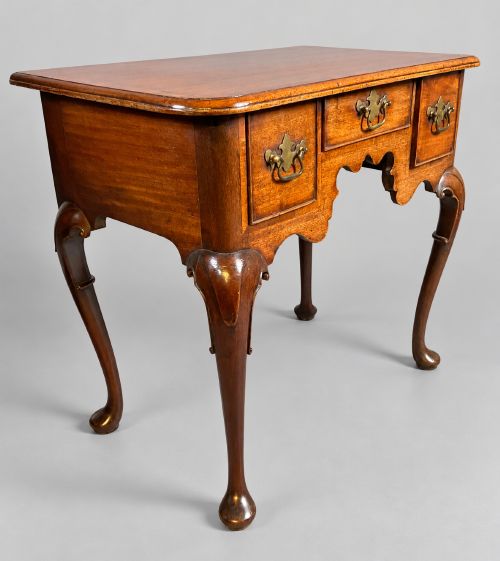
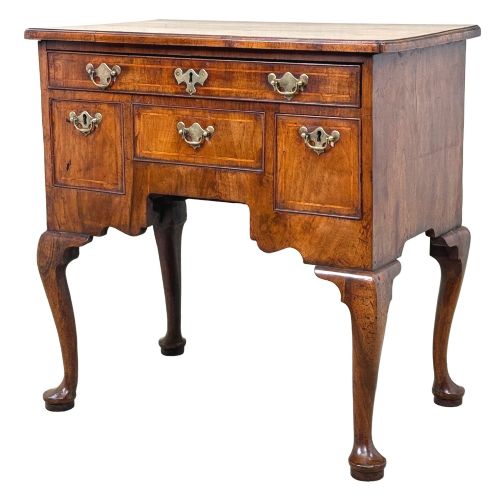
A low boy is a traditional small table with drawers, typically originating from the eighteenth century in oak or walnut. It functions as a compact side table or dressing surface.
The low proportions and fitted frieze drawers make these pieces versatile for placement in hallways or bedrooms as accent furniture.
How do I identify Victorian desks?
Victorian desks generally feature heavier proportions, darker mahogany or oak timbers, and robust construction methods suited to nineteenth-century domestic life. Details often include brass hardware and functional drawer arrangements.
Later Victorian examples may incorporate Arts and Crafts influences, showing simpler lines and lighter oak construction compared to earlier formal pieces.
Are writing tables practical today?
Writing tables accommodate laptops and writing tasks efficiently while offering built-in drawer storage for daily essentials. Their compact footprints suit contemporary room layouts.
The inclusion of leather tops and fitted compartments provides a functional surface that preserves historic character within a modern home.