


Regency Linen Press
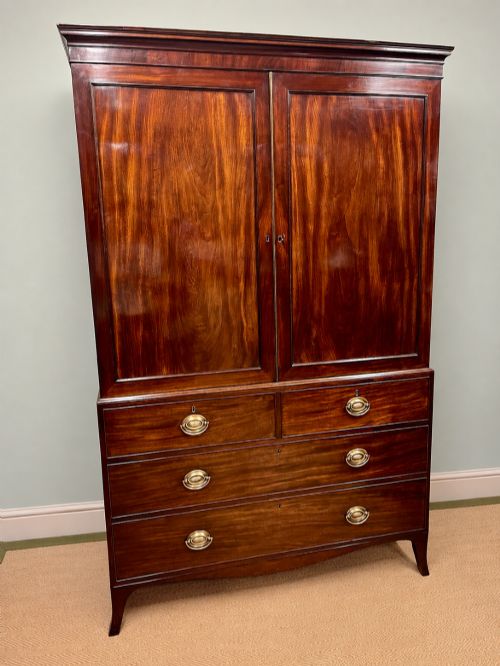
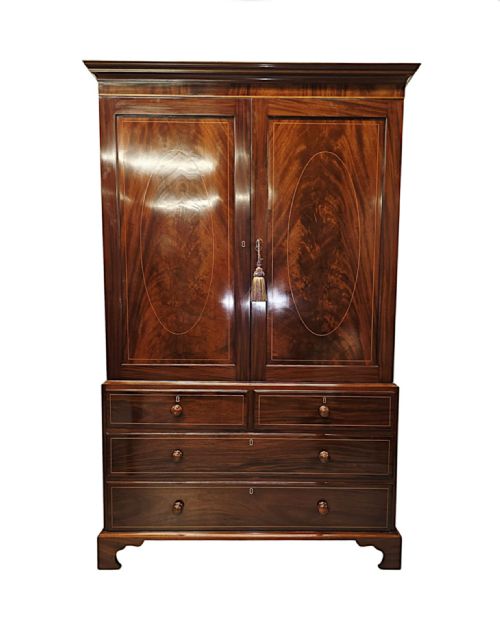
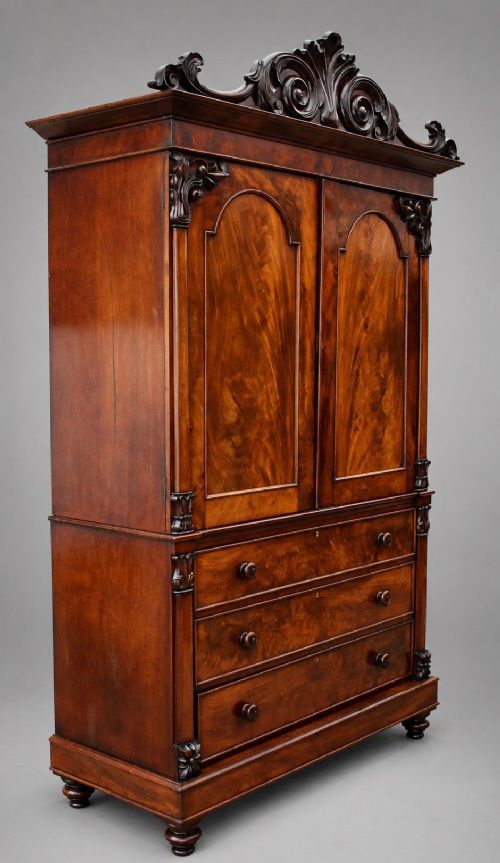
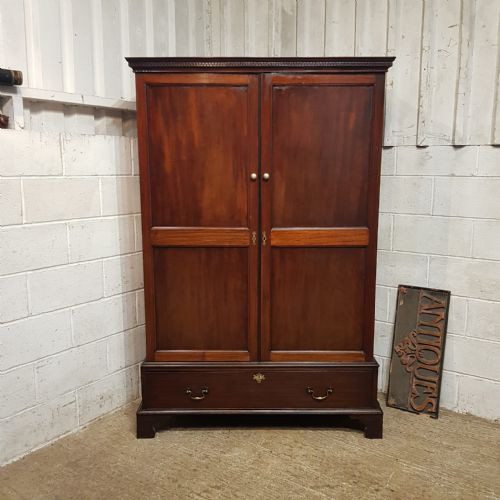
A regency linen press offers substantial storage through a traditional two-part form, pairing upper cupboard doors with lower drawers.
Regency Linen Press
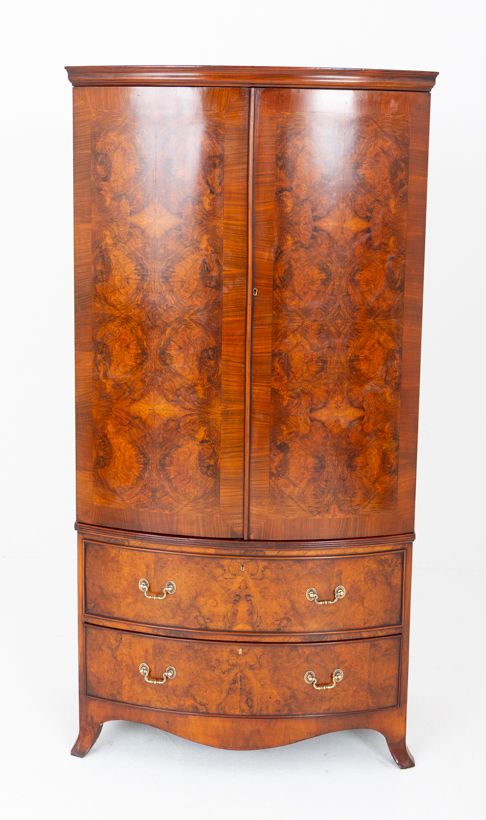
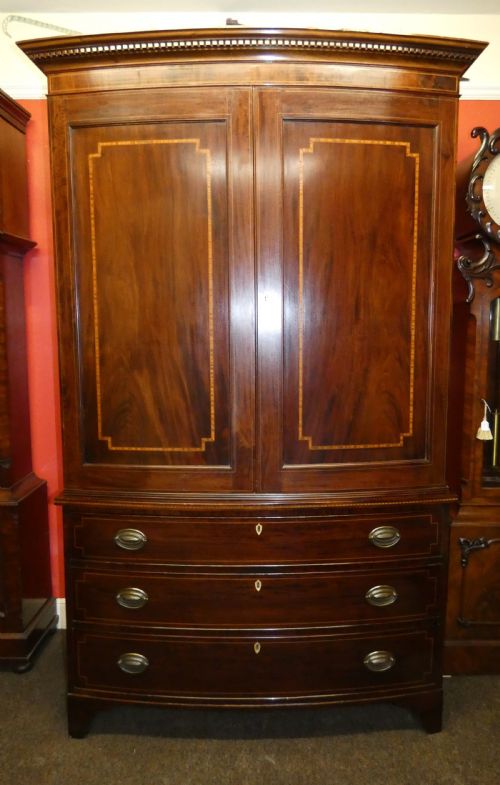
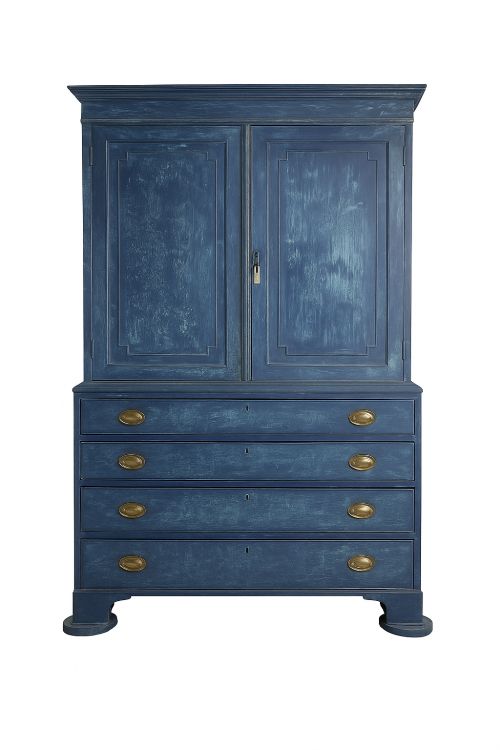
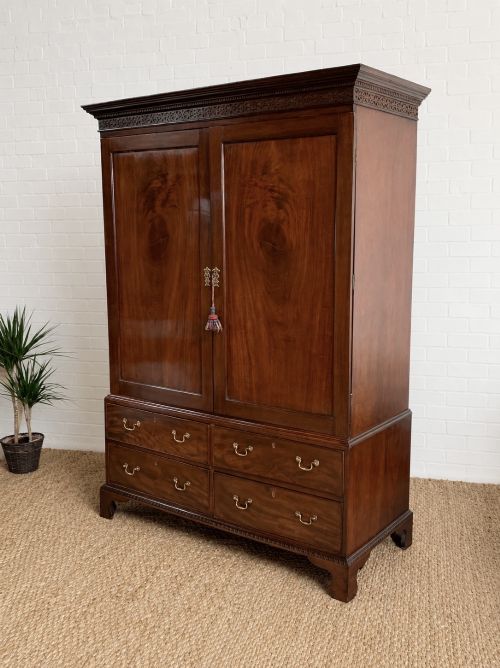
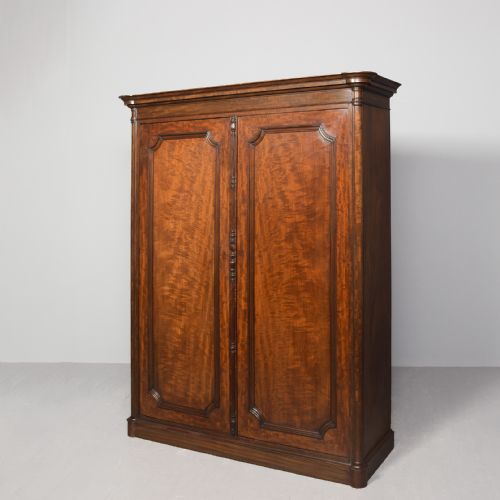
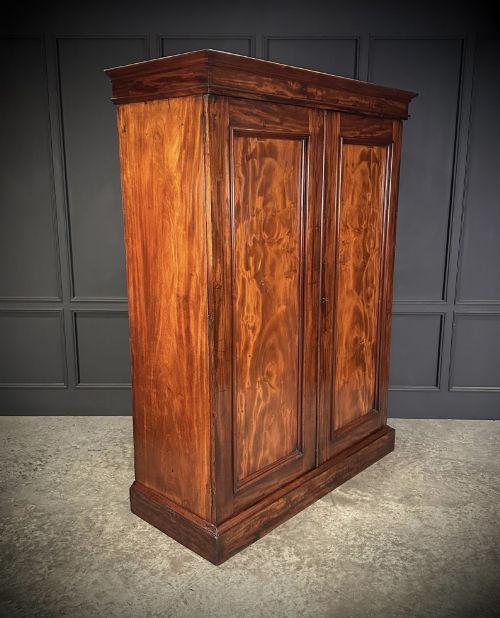
A regency linen press typically comprises an upper section designed for folded textiles and a lower chest of drawers for garments. The form appears frequently in mahogany, with flame veneers and inlaid details adding decorative emphasis to the architectural frame.
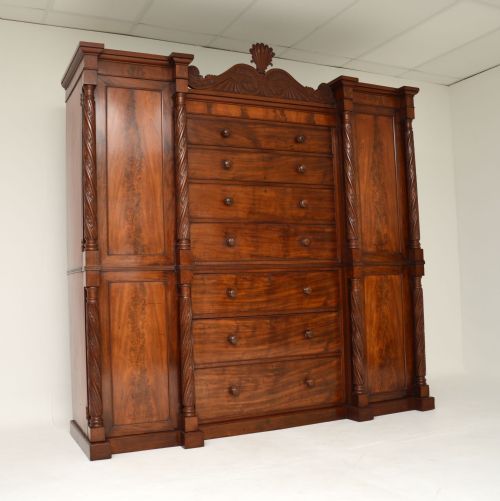
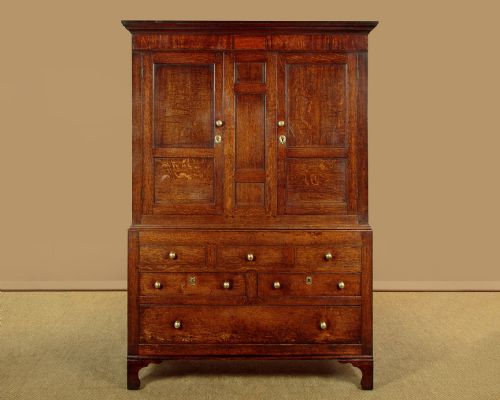
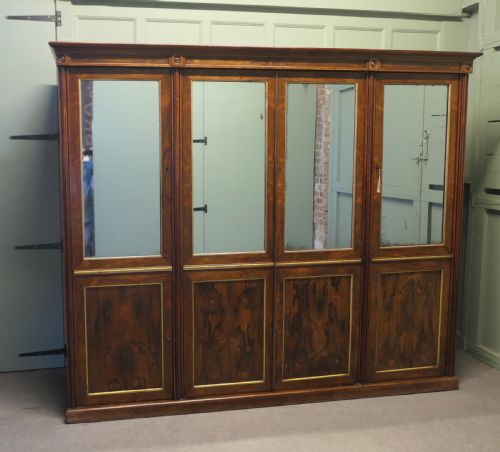
Beyond standard proportions, examples emerge in varied configurations including dwarf models, compactum wardrobes, and breakfront designs. Regional variations such as Welsh country pieces or Irish examples introduce distinct timber selections and alternative structural arrangements.
The pieces bridge utilitarian storage and formal cabinet-making, reflecting the domestic requirements of nineteenth-century households. Surviving examples demonstrate the enduring appeal of these substantial case pieces in contemporary settings.
Materials and construction
Cabinet-makers relied heavily on solid mahogany and carefully selected veneers, applying flame mahogany and satinwood to primary surfaces for visual depth. Secondary timbers such as oak appeared in internal drawer construction and backing boards.
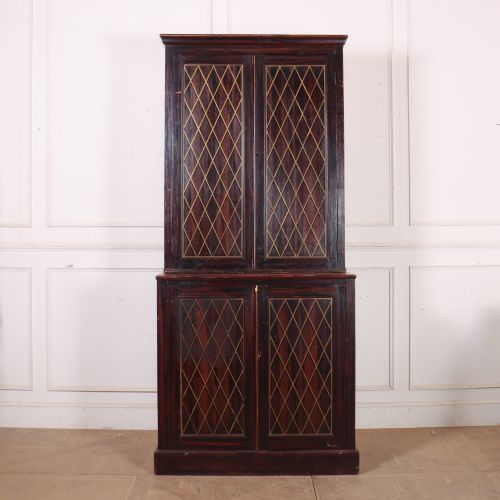
Brass fittings, including drop handles and escutcheons, provided functional hardware that complemented the dark timber tones. Painted finishes also occur on pine carcases, offering an alternative decorative treatment recorded across the period evidence.
Regency Linen Press Retail Price Guide 2026
Typical asking prices for regency linen press among the pieces listed under this phrase on Sellingantiques today, from the lower quarter to the upper quarter. They describe what is for sale here now, not the wider market.
Listings feature timbers including mahogany, satinwood, oak, and pine, alongside painted finishes.
Assessing craftsmanship and proportion
The handling of timber veneers establishes a clear distinction in quality, particularly where flame mahogany or curl figures are matched symmetrically across large door panels. Fine execution extends to subtle details such as blind fretwork cornices and precise inlay work.
Proportion and scale influence desirability, with smaller dwarf models and miniature cabinets demonstrating notable cabinet-making skill in reduced dimensions. The integration of internal sliding trays rather than simple shelving further indicates higher production standards.
S and H Jewell·Gillows
The Regency Linen Press Glossary
- Compactum
- A multi-compartment wardrobe combining hanging space, drawers, and shelving within a single unified case structure.
- Dwarf linen press
- A reduced-height version of the standard press, designed to sit lower in the room while retaining dual storage sections.
- Breakfront
- A piece of furniture where the central section projects forward from the flanking outer sections, creating architectural depth.
- Blind fretwork
- Carved ornamental patterning applied to a solid background without piercing right through the timber.
Regency Linen Press: Frequently Asked Questions
What is a regency linen press used for?
Originally designed for storing household linens and garments, these pieces provided deep shelving behind upper doors and generous drawer space below.
Today, they function effectively as standalone wardrobes, general storage cupboards, or linen closets in bedrooms and hallways.
What timber was most commonly used?
Mahogany served as the predominant timber for these case pieces, often enhanced by flame mahogany veneers, satinwood banding, and inlay.
Alternative materials include oak in regional country pieces and painted pine in specific regional or decorative examples.
Are smaller versions available?
Evidence includes dwarf models, miniature cabinets, and three-quarter height pieces alongside standard full-size examples.
These smaller proportions accommodate rooms with lower ceilings or limited floor space without sacrificing traditional architectural detailing.