


Irish Mahogany Furniture
Irish mahogany furniture brings robust timber and distinct regional carving into a room, offering both practical utility and historical presence.
Identifying Irish mahogany furniture
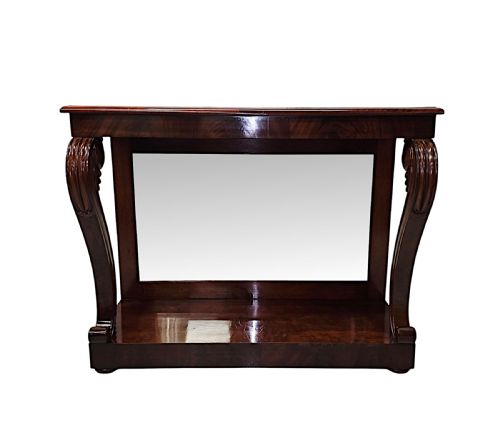
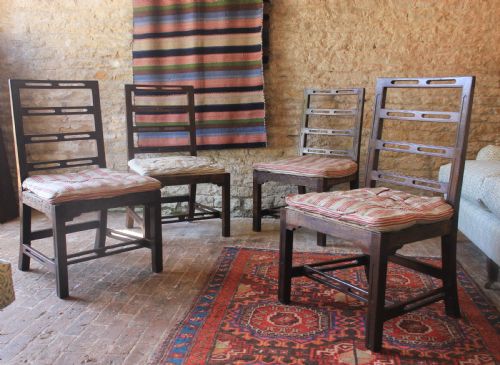
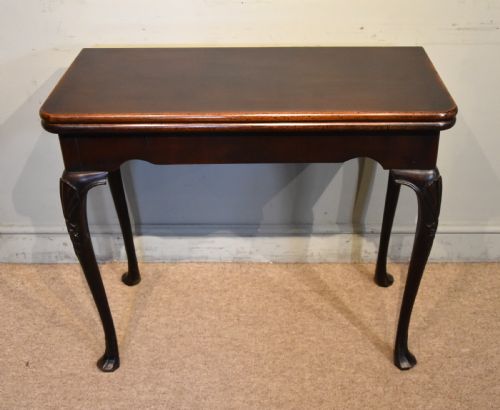
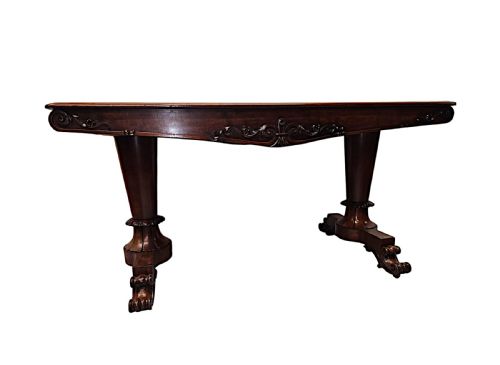
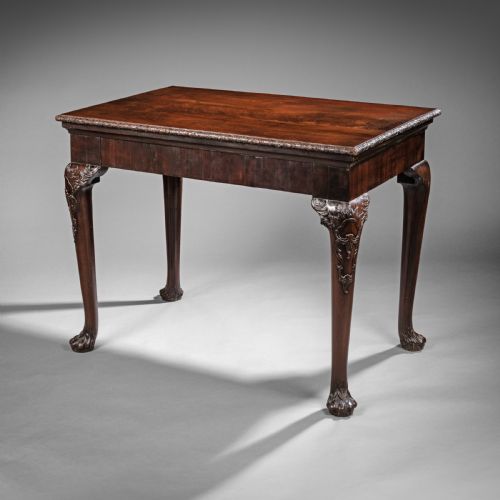
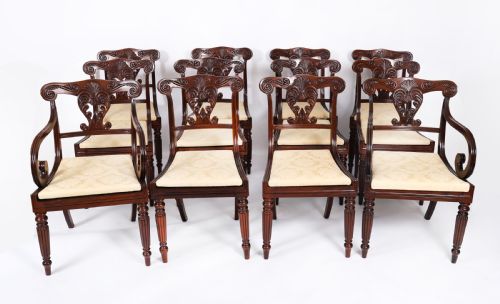
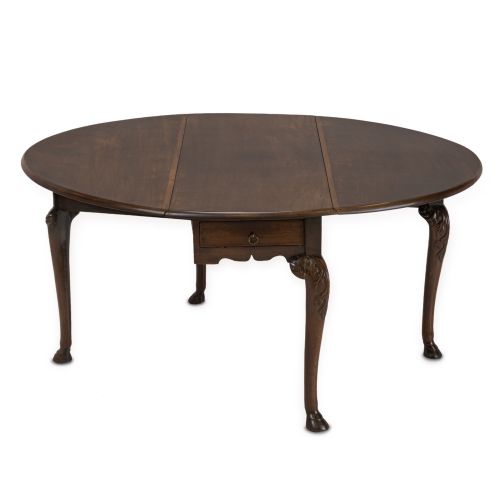
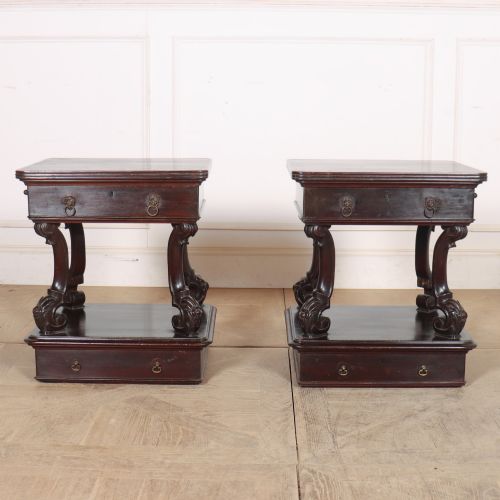
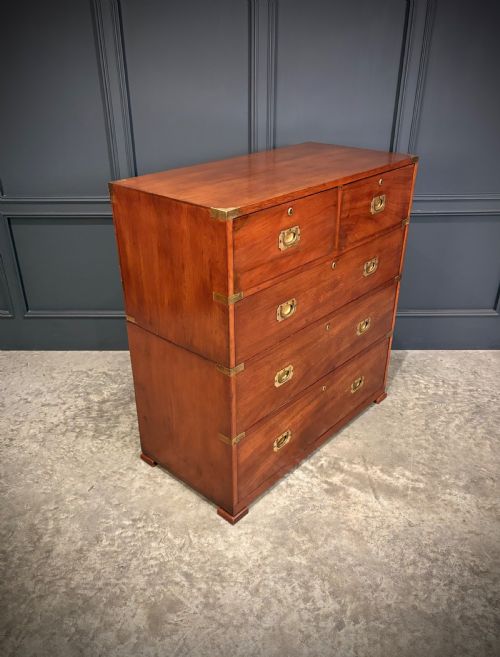
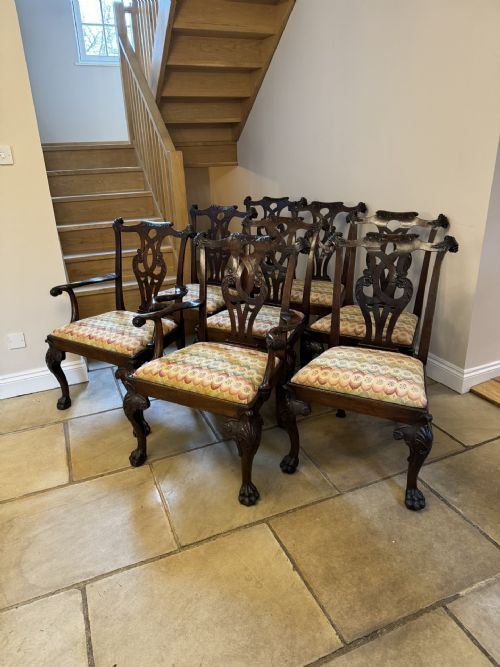
When you search for irish mahogany furniture, you encounter a robust class of domestic and formal timber pieces spanning multiple historic periods. The selection includes bedside cabinets, console tables, hall chairs, stools, serving tables, occasional tables, card tables, and linen presses.
The objects stem from various eras such as the 17th century, 18th century, Georgian period, 1880, Regency, and William IV styles. These items reflect the domestic habits and formal entertaining spaces of past Irish households.
Buyers are most likely to meet case furniture like linen presses alongside serving tables and seating. Each piece showcases the substantial forms characteristic of Irish cabinet-making traditions.
Materials and construction methods
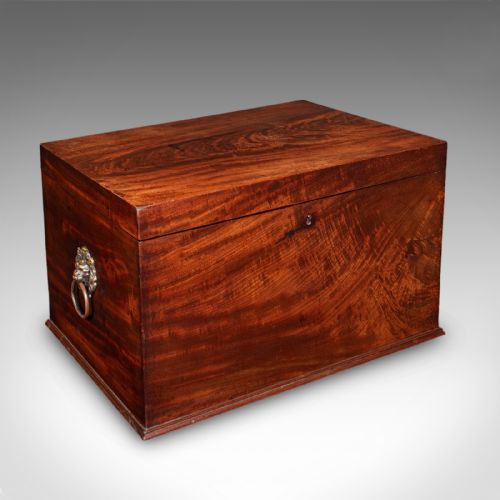
The primary material across these pieces is mahogany, often enhanced by flame mahogany veneer for decorative surfaces. Additional components incorporate brass hardware, bone details, and damask fabric upholstery.
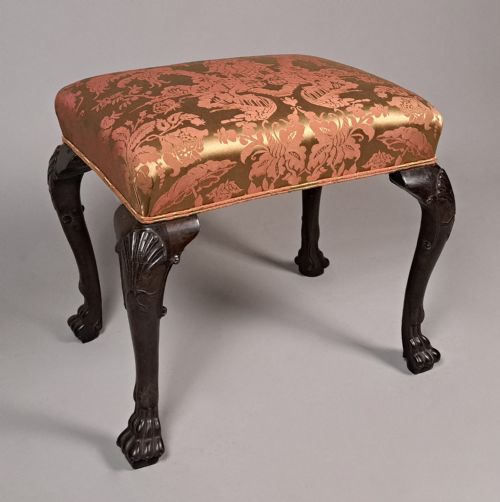
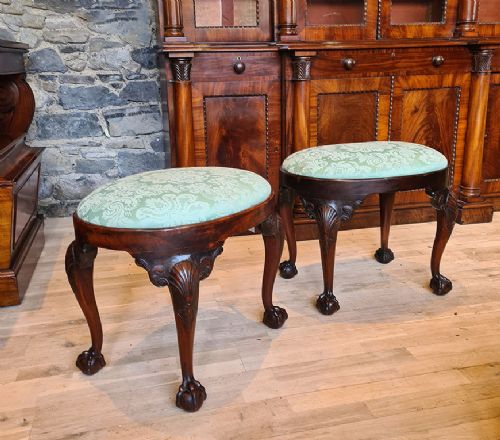
Joinery techniques rely on traditional timber manipulation to support heavy mahogany structures and decorative legs, such as cabriole designs. The combination of dense timber and applied veneers demands precise cabinet-making skill.
Retail Price Guide 2026
Typical UK retail prices for irish mahogany furniture, calculated from the Sellingantiques database of over a million retail prices indexed since 2003. This retail price guide relies exclusively on Sellingantiques data; no external sources or auction records are used, so the figures do not describe the wider market.
A piano stool from the 1790s proves that even historical musicians required proper seating for their scales.
Assessing quality and execution
Quality separates standard utilitarian items from exceptional pieces through the choice of timber and the ambition of the carving. Rich grain figures like flame mahogany veneer elevate the visual weight of a console or press.
The refinement of structural elements, such as cabriole legs on stools or the detailing on hall chairs, defines the upper tier of the range. Attribution to known workshops or specific regional styles also marks a distinct grade of craftsmanship.
Hicks of Dublin·Mack Williams and Gibton
The Irish Mahogany Furniture Glossary
- Flame mahogany veneer
- A thin slice of wood with a flamy, figured grain pattern applied to a primary surface. This technique creates dramatic visual movement across table tops and drawer fronts.
- Cabriole leg
- A furniture leg that curves out and then in, resembling an animal's leg. It often terminates in a carved foot and appears on seating and tables.
- Linen press
- A tall case piece designed for storing textiles and garments, featuring upper doors enclosing sliding trays. These large storage units anchor period bedroom interiors.
- Consol table
- A wall-mounted or freestanding table designed to sit against a flat surface in a hall or reception room. They frequently display elaborate regional carving.
- Damask fabric
- A reversible figured textile used for upholstery on seating such as piano stools. The pattern is woven directly into the fabric structure.
Frequently Asked Questions
How do I identify a linen press?
A linen press is a substantial upright cabinet used historically for storing garments and household textiles. They typically feature panelled doors enclosing interior sliding shelves.
Lower sections often incorporate drawer space for additional storage.
Where were these pieces used?
These items belonged in the principal rooms of large houses, from formal halls and reception spaces to private bedchambers. Hall chairs lined entryways while serving tables stood in dining rooms.
Smaller items like card tables and work tables served social and domestic routines.
How do I care for mahogany furniture?
Maintain the timber by keeping pieces away from direct heat sources and strong sunlight to protect the polish and veneer. Regular dusting with a soft cloth preserves the surface.
Avoid excessive moisture and wax the wood periodically using traditional preparations.