

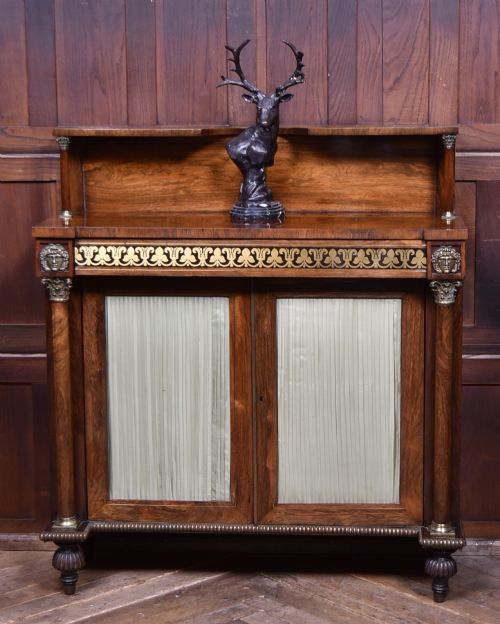
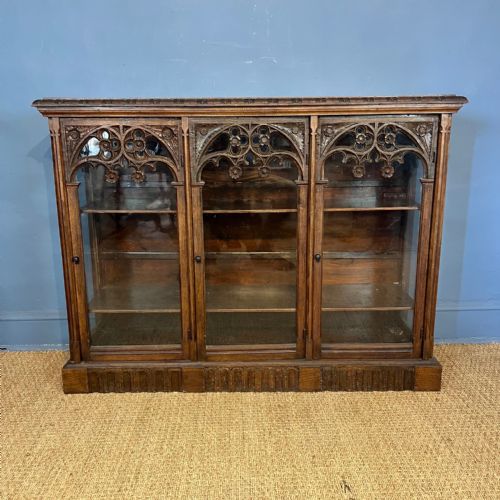
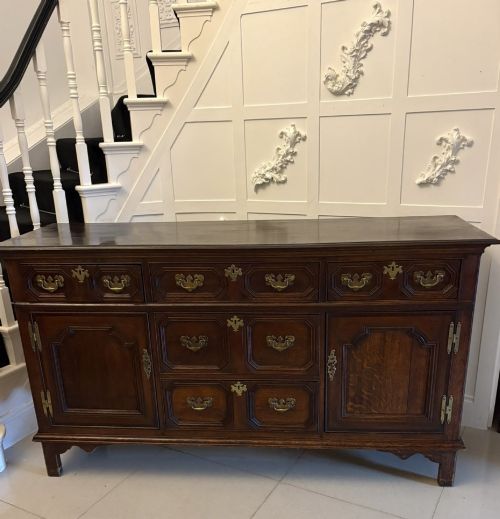
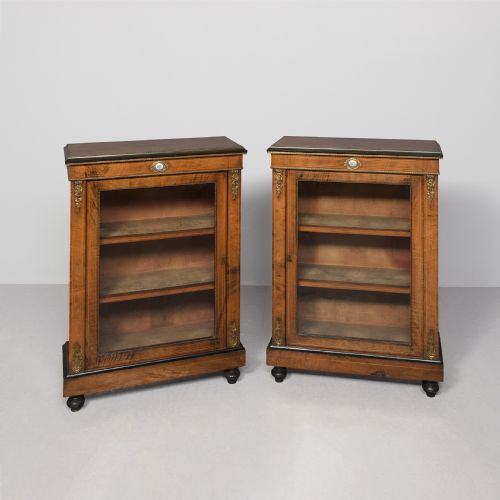
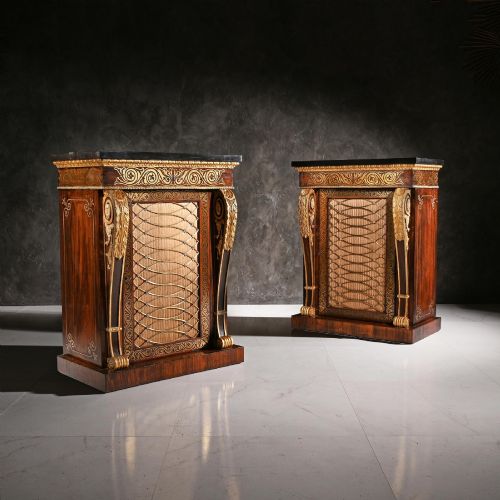
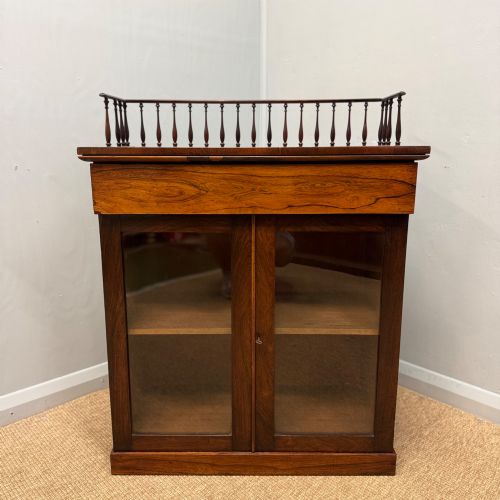
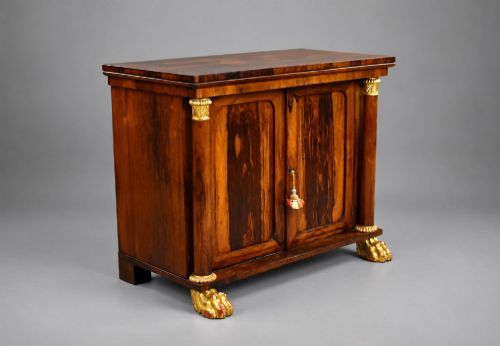
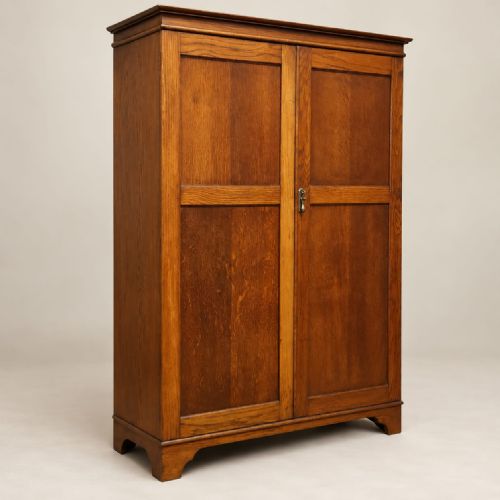
Antique Low Cupboard
An antique low cupboard provides grounded storage and surface space, bringing compact utility and period character to a room.
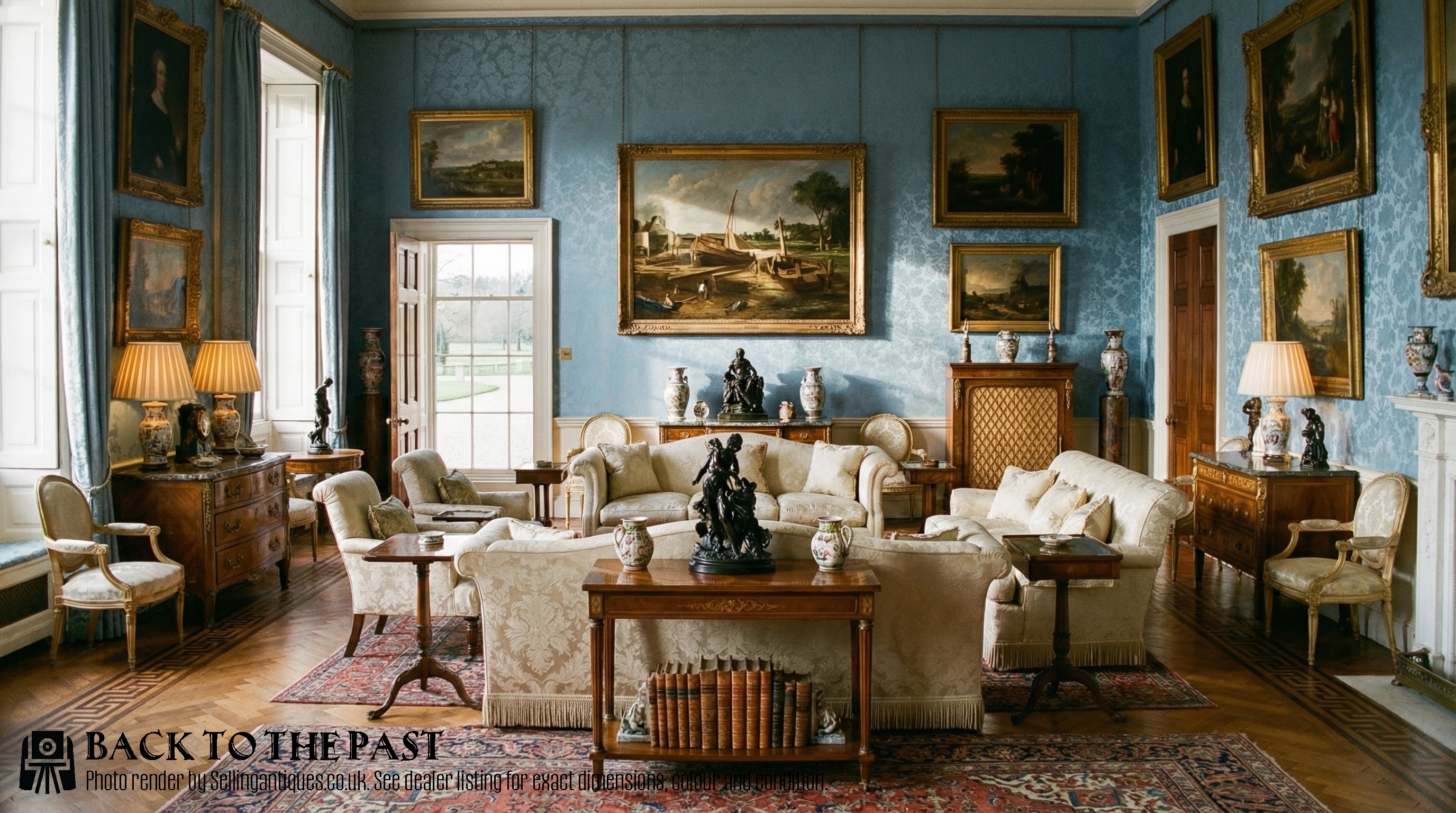
Antique Low Cupboard
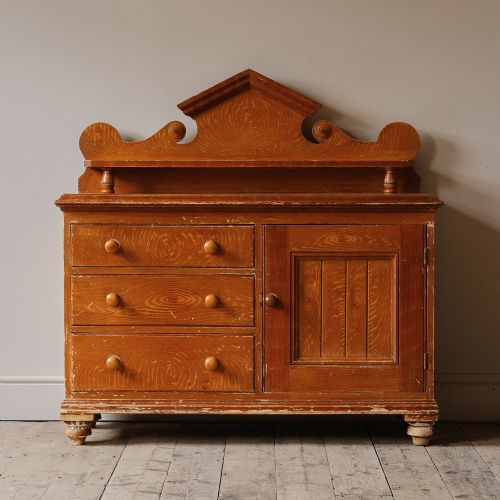
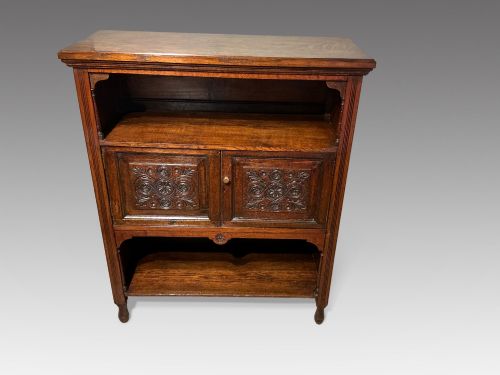
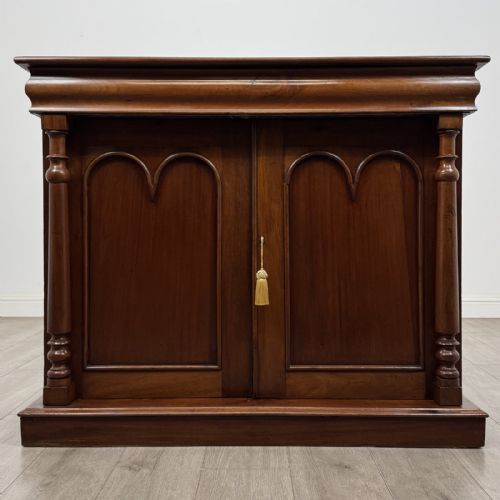
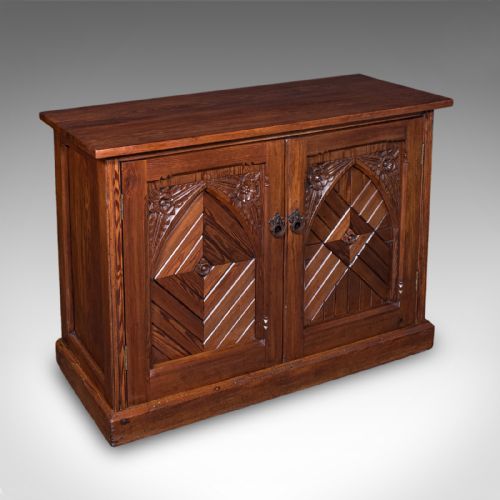
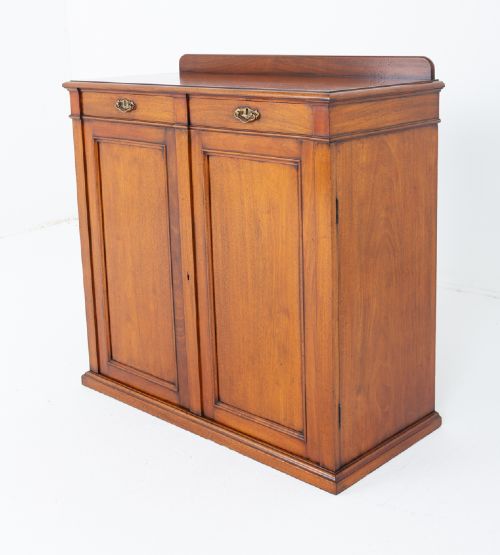
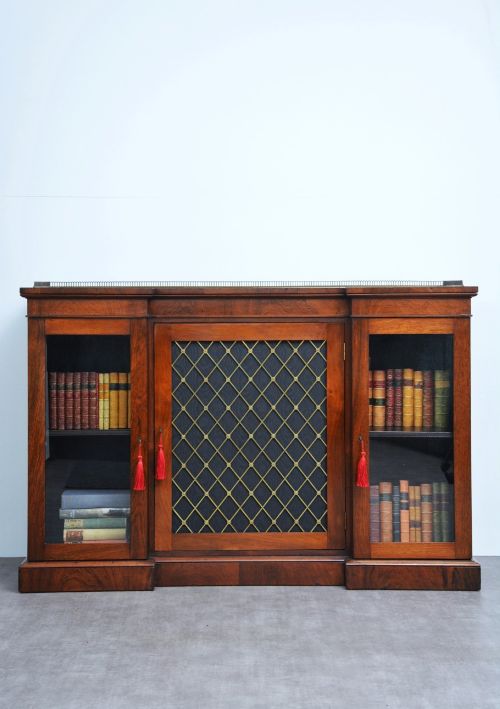
An antique low cupboard delivers versatile storage in a compact footprint, suiting rooms that require low-level furniture. These pieces appear in forms such as side cabinets, linen cupboards, press cupboards, and dresser bases.
The materials span mahogany, flame mahogany veneer, oak, pollard oak, satinwood, rosewood, and pine. Dimensions remain shallow or dwarf, aligning with periods from the eighteenth century through the Edwardian era.
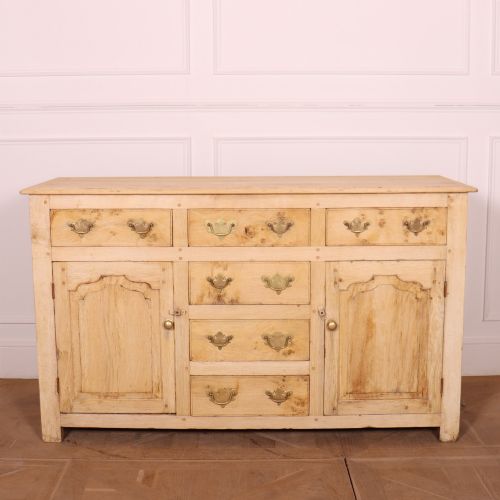
Makers such as Gillows and Waring & Gillow are recorded among the archive pieces, alongside examples produced in English and Welsh workshops. Regional pieces often utilise native oak with simple panelled construction.
Materials and construction
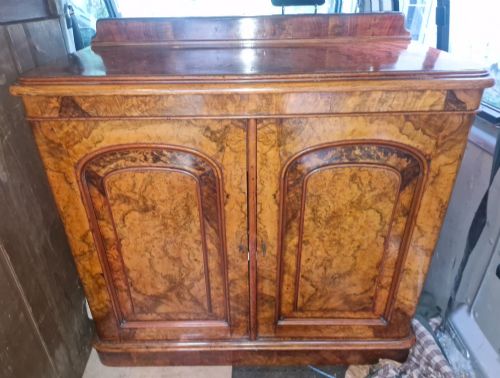
Cabinet makers utilised solid hardwoods such as mahogany and oak, frequently applying flame mahogany veneer or satinwood to visible surfaces. Carved details, inlay, and panelled doors demonstrate traditional joinery techniques.
Hardware incorporates brass fittings, handles, and iron elements, whilst secondary timbers support internal shelving and drawers. Finishes range from natural wax to polished wood surfaces and hand-painted lacquer.
Antique Low Cupboard Retail Price Guide 2026
Typical asking prices for low cupboard among the pieces listed under this phrase on Sellingantiques today, from the lower quarter to the upper quarter. They describe what is for sale here now, not the wider market.
Recorded materials include mahogany, oak, satinwood, and pine, spanning Georgian, Victorian, and Edwardian periods.
Distinctions in quality
Quality rests upon timber selection and grain figure, visible in richly figured mahogany, pollard oak, and satinwood veneers. Superior examples display precise cabinetmaking, refined proportions, and balanced integration of drawers and doors.
Maker attribution elevates standing, particularly pieces bearing the mark or distinct characteristics of Gillows or Waring & Gillow. The integrity of original brass hardware and the crispness of carved details further separate standard utility pieces from finer commissions.
Gillows·Waring & Gillow
The Antique Low Cupboard Glossary
- Dwarf
- A term used to describe low-statured furniture, such as a low dwarf linen press. It indicates a reduced vertical height while maintaining standard width and depth proportions.
- Press cupboard
- A dual-purpose piece featuring upper storage for linen or clothes above drawers or a lower cabinet. These units provide enclosed storage with substantial internal capacity.
- Dresser base
- A low sideboard form equipped with drawers and cupboards, originating from regional workshops. They served practical domestic storage functions in kitchens and dining rooms.
- Flame mahogany veneer
- A decorative wood veneer cut from the branch junction of a mahogany tree, producing a distinctive flickering flame pattern. Cabinet makers applied this to focal surfaces for visual impact.
- Pot cupboard
- A small bedside cabinet designed originally to house a chamber pot. These compact units feature a single door and often a small drawer or marble top.
Antique Low Cupboard: Frequently Asked Questions
What is an antique low cupboard used for?
These pieces provide enclosed storage for linens, books, or general household items while offering a flat surface on top. Their reduced height makes them suitable for media storage or placement beneath windows.
Historically, variations like press cupboards and pot cupboards served specific domestic tasks in bedrooms and living spaces.
How do I identify the period of a low cupboard?
Dating relies on timber choices, construction methods, and stylistic details such as Gothic Revival or Regency motifs. Eighteenth-century pieces often feature solid oak or mahogany with hand-cut dovetails, whilst Victorian and Edwardian examples show softer pines or figured veneers.
Cabinet hardware and secondary woods inside drawers offer further clues to the exact decade of manufacture.
Are low cupboards suitable for small rooms?
Their compact height and shallow depths allow them to fit into hallways, alcoves, and bedrooms without overwhelming the floor space. Many historical examples were specifically built with shallow proportions for tight spaces.
They combine low-level display space with discreet interior storage.
What woods were commonly used?
Mahogany is prevalent, often enhanced with flame mahogany veneers or satinwood inlay on finer pieces. Oak appears frequently in earlier regional items and revival styles, alongside pine on utility cupboards.
Specialist woods like pollard oak and rosewood also feature on select nineteenth-century pieces.