


Chippendale Mahogany Cupboard
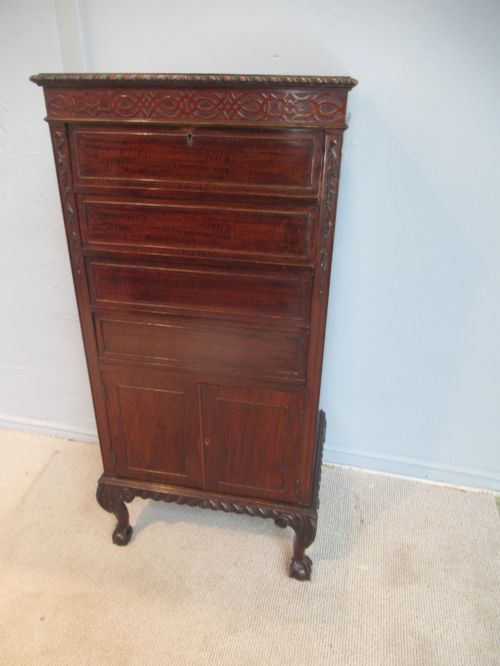
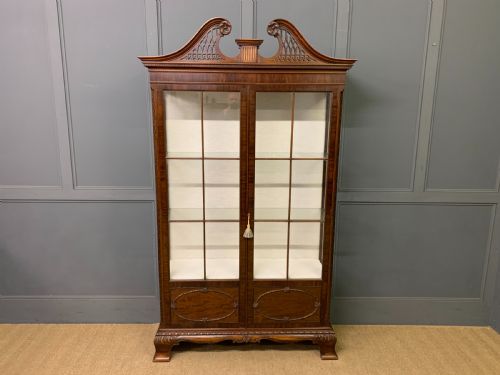
A chippendale mahogany cupboard brings structural clarity and dense timber grain into a room, offering practical storage through time-tested cabinet forms.

Chippendale Mahogany Cupboard
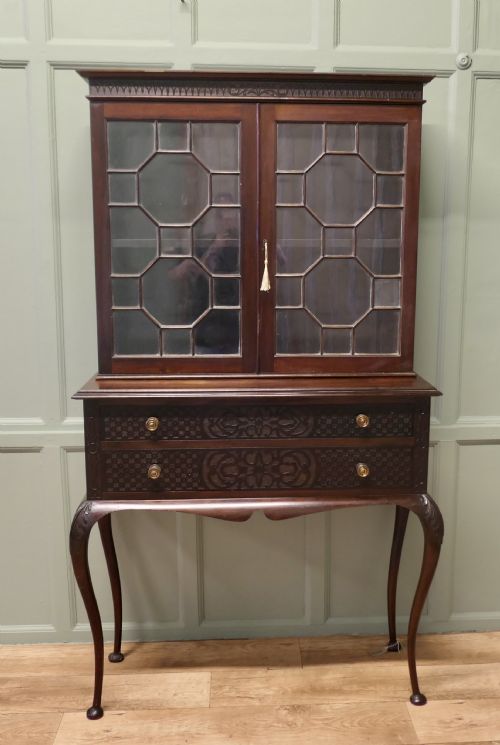
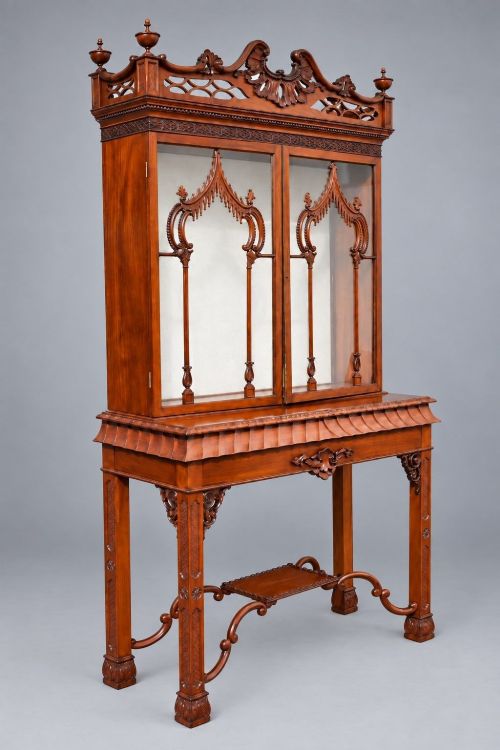
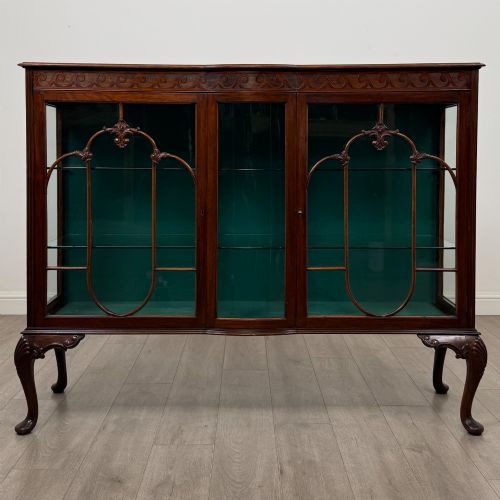
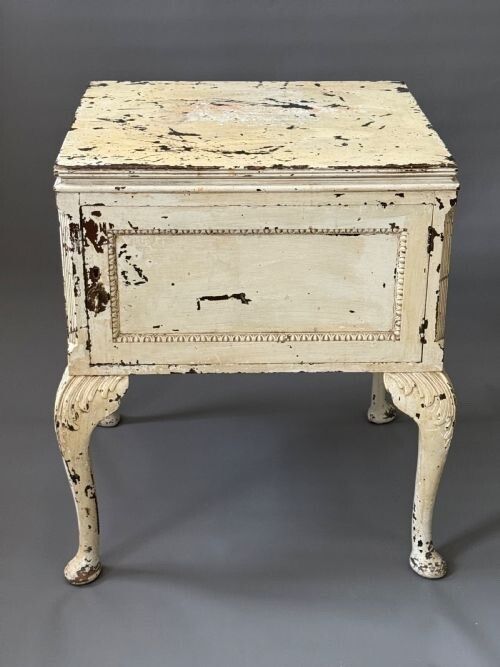
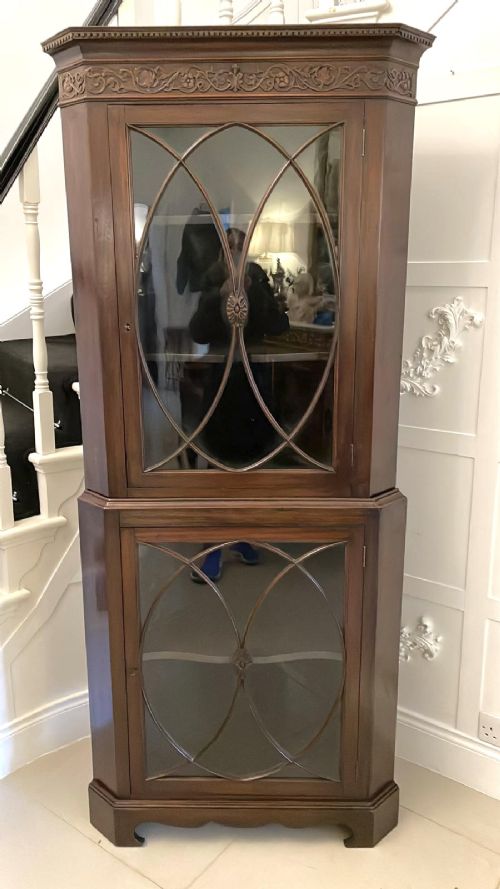
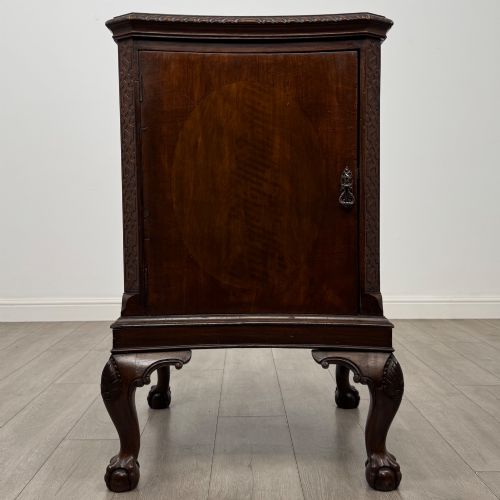
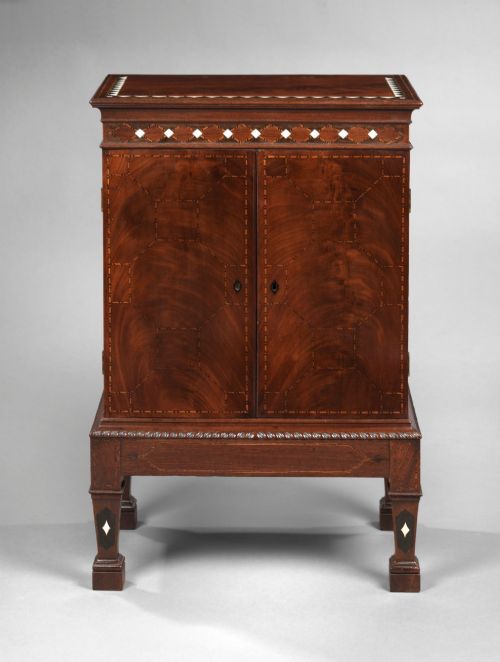
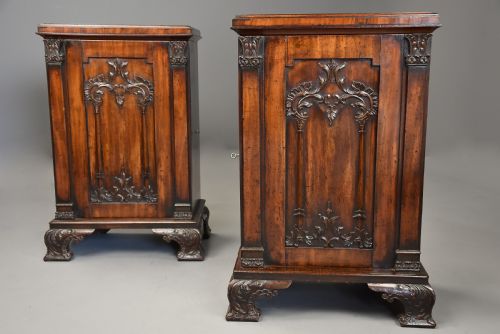
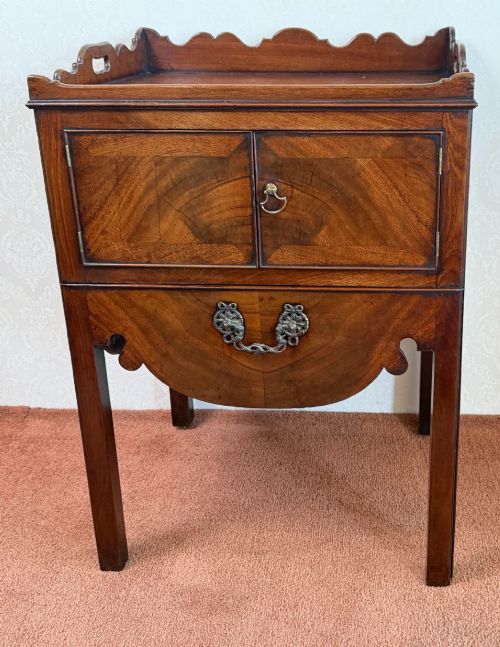
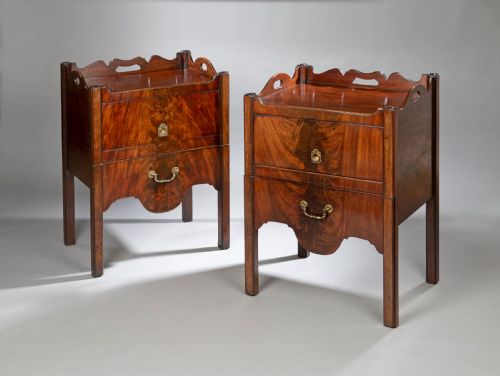
A chippendale mahogany cupboard encompasses a wide assortment of storage forms, ranging from corner cabinets and bedside tables to large display cases, bookcases, and linen presses. These pieces span multiple eras, appearing in authentic 18th-century Georgian iterations as well as later revivals from the Victorian, Edwardian, and early 20th-century periods.
The buyer on this page encounters both original pieces made during the Georgian period and later interpretations in the Chippendale style or revival movements. Corner cabinets and display cases with glass or astragal glazing frequently surface alongside bedside night tables and robust press cupboards.
Materials and Technique
Construction relies heavily upon solid mahogany and figured mahogany veneers, selected for deep colour and pronounced grain patterns. Secondary timbers such as oak often appear in internal drawer linings and structural framing.
Joinery techniques incorporate detailed hand carving, carved mouldings, and broken arch pediments. Brass hardware, glass panes, and occasional bone inlay or leather detailing complete the construction of these cabinets.
Listings span the 18th century through the early 20th century, utilising materials such as mahogany, oak, glass, and brass.
Distinctions in Execution
The standard of a piece rests upon the crispness of its carved ornamentation and the selection of the mahogany timber. Period examples display hand-cut joinery and balanced proportions that mark superior cabinet-making.
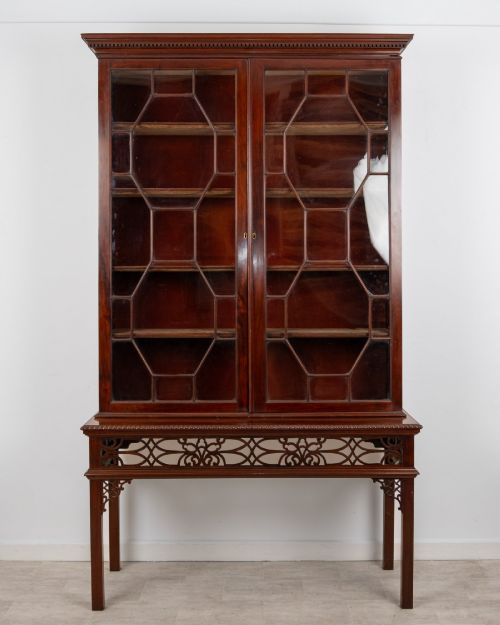
Revival pieces differ according to the fidelity of their Chinese Chippendale or Georgian styling and the depth of the mahogany finish. Subtle details like astragal glazing bars and fitted internal drawers separate standard production from exceptional work.
Edwards & Roberts
The Chippendale Mahogany Cupboard Glossary
- Astragal glazed
- A method of dividing glass panes in a door or window using narrow wooden mouldings. This technique creates a grid pattern common on bookcase and display cabinet doors.
- Chippendale revival
- A later period of furniture production inspired by the designs of Thomas Chippendale. These pieces emulate 18th-century proportions and carved motifs.
- Linen press
- A tall storage piece traditionally utilised for storing textiles and bed linens. It typically combines upper cupboard doors with lower drawers or a chest base.
- Kneehole desk
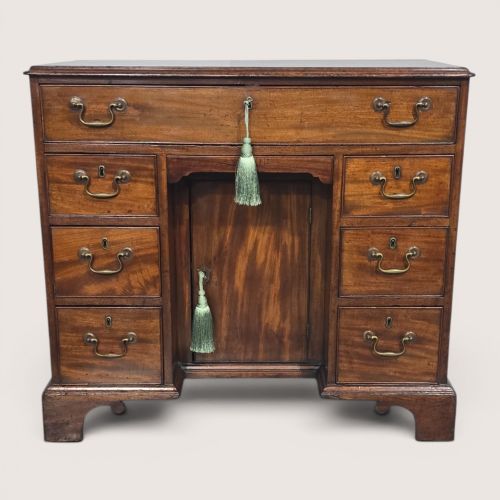
- A writing table featuring a central recess for the user's knees, flanked by pedestals of small drawers. Georgian examples often include a concealed central cupboard.
- Demi-lune
- A half-moon shape used for the footprint or top surface of specific side cabinets and commodes. This curved form fits flush against a wall.
Chippendale Mahogany Cupboard: Frequently Asked Questions
What is a chippendale mahogany cupboard?
A chippendale mahogany cupboard is a storage piece constructed from mahogany timber, following the aesthetic principles associated with 18th-century cabinet-maker Thomas Chippendale or later revivals.
These items include corner cupboards, bedside tables, display cabinets, and press cupboards originating from the Georgian era through to the early 20th century.
How do I date a mahogany cupboard?
Dating involves examining the structural timber, joinery methods, and secondary woods used inside the piece. Georgian pieces exhibit hand-cut joints and period-specific brass hardware.
Later revival items from the Victorian or Edwardian periods often show machine-sawn timber components and styling cues that mimic 18th-century originals.
Where were corner cupboards placed?
Corner cupboards were designed to fit neatly into the unused angles of a room, maximising floor space while providing display or concealed storage.
They frequently stood in dining rooms, parlours, or hallways to hold porcelain, glassware, or household provisions.
How do I care for mahogany furniture?
Mahogany requires stable room humidity and protection from direct sunlight to prevent timber movement and fading. Regular dusting with a soft cloth maintains the polished surface.
Applying occasional appropriate wax preserves the depth of the mahogany grain without building up heavy residues.