
Georgian Cabinet on Stand
A georgian cabinet on stand combines architectural presence with elevated utility, offering collectors a striking piece of period furniture.

What They Are
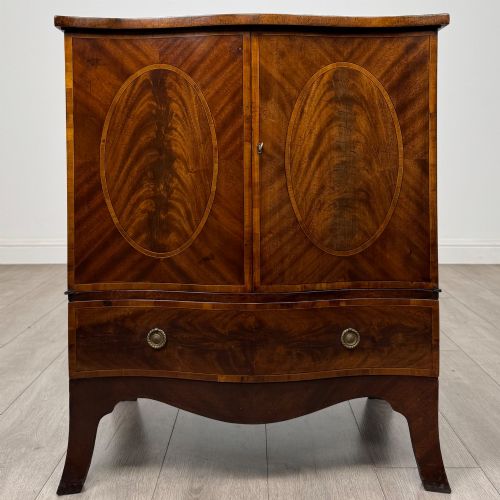
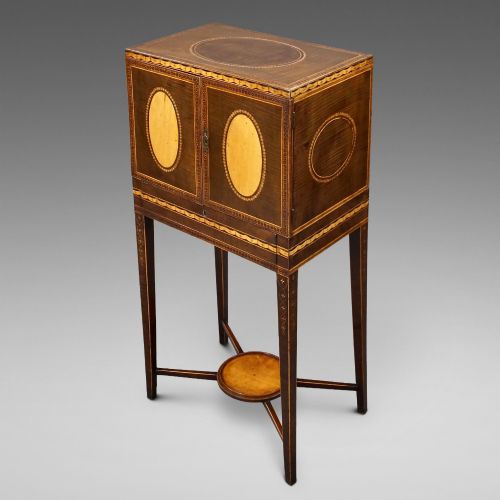
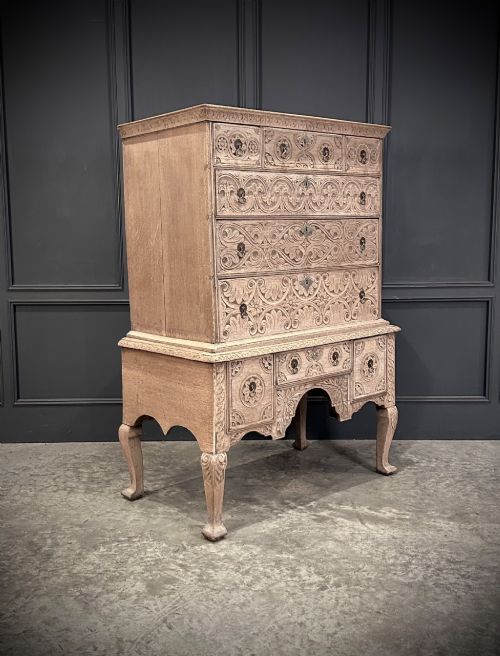
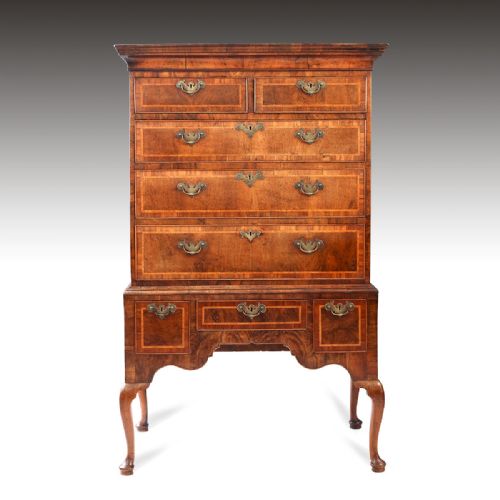
A georgian cabinet on stand represents a distinct form of storage furniture comprising an upper cabinet section raised upon a supporting stand or base. These pieces span the eighteenth century and encompass distinct stylistic phases including George I, Queen Anne, George III, and Chippendale periods.
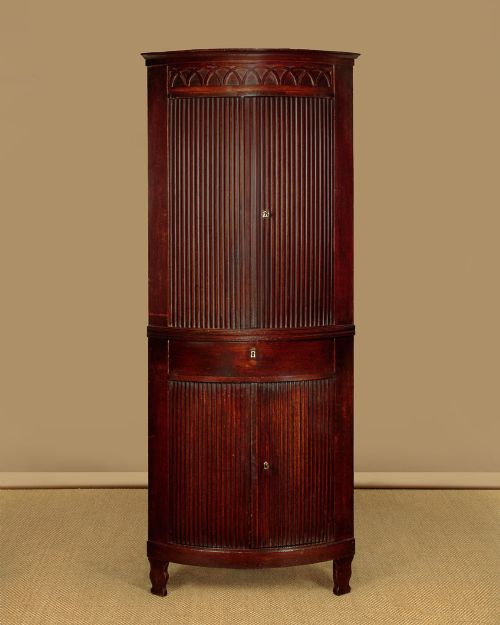
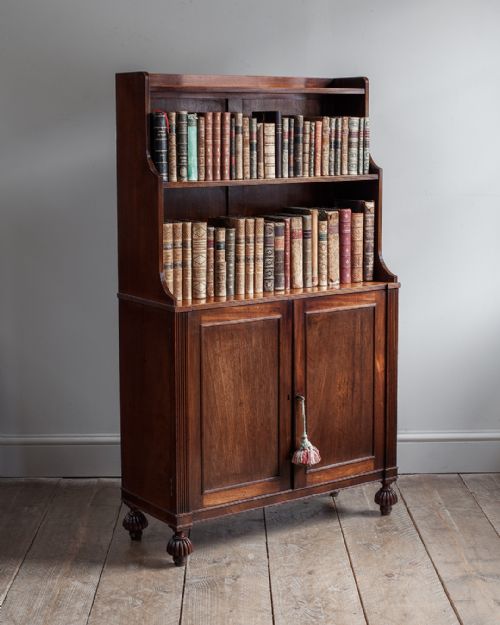
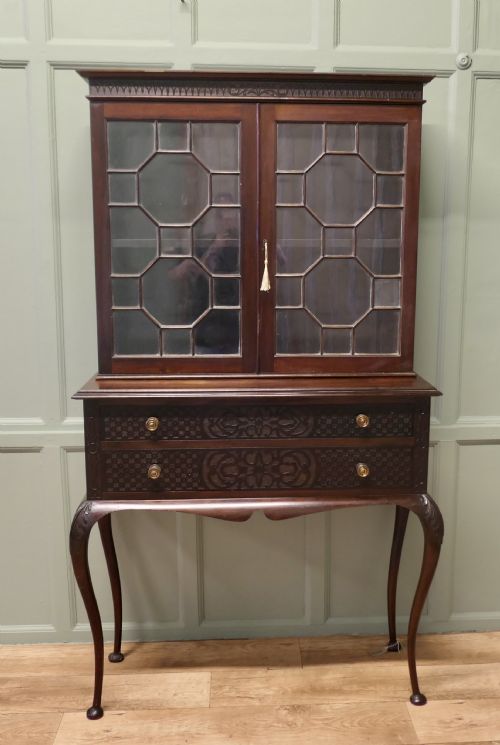
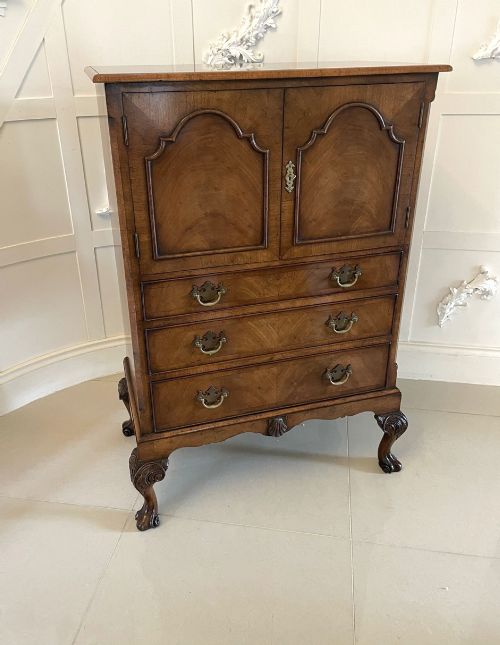
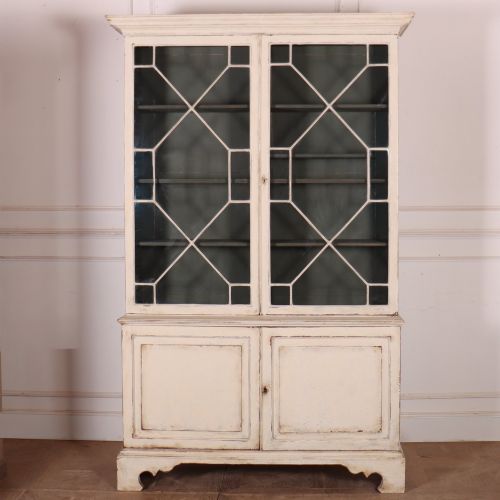
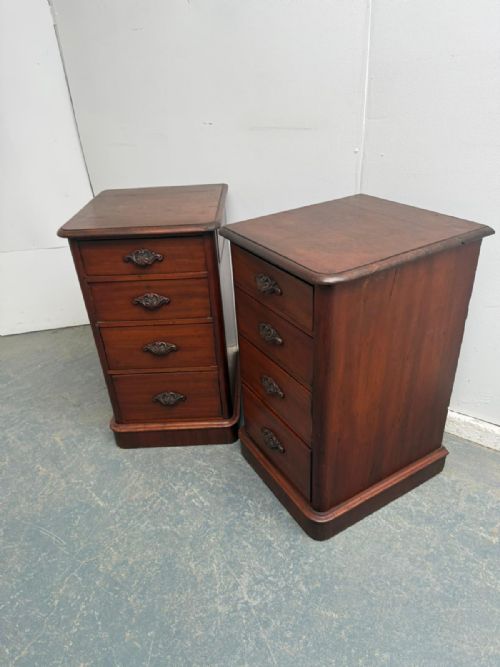
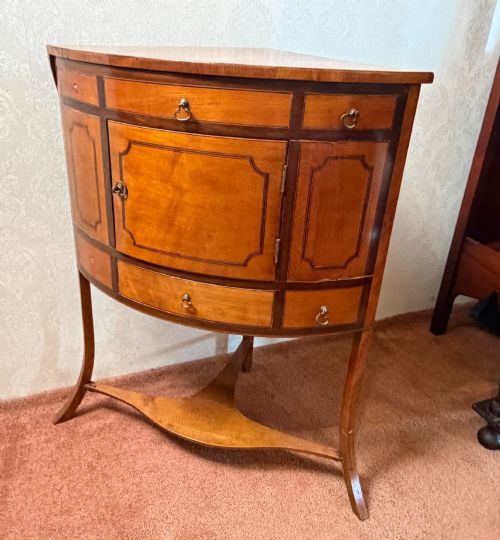
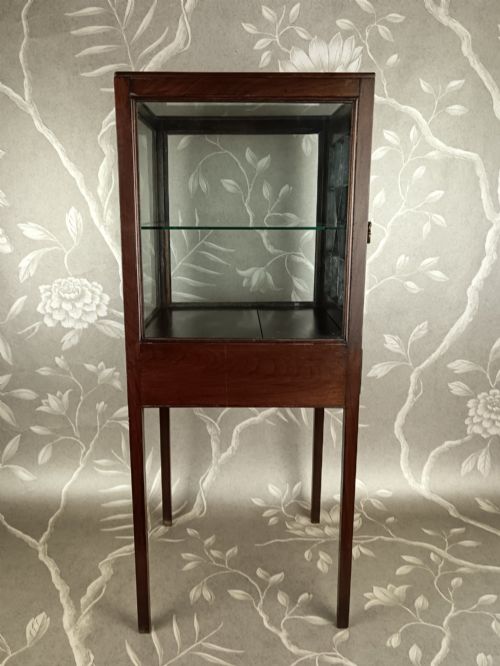
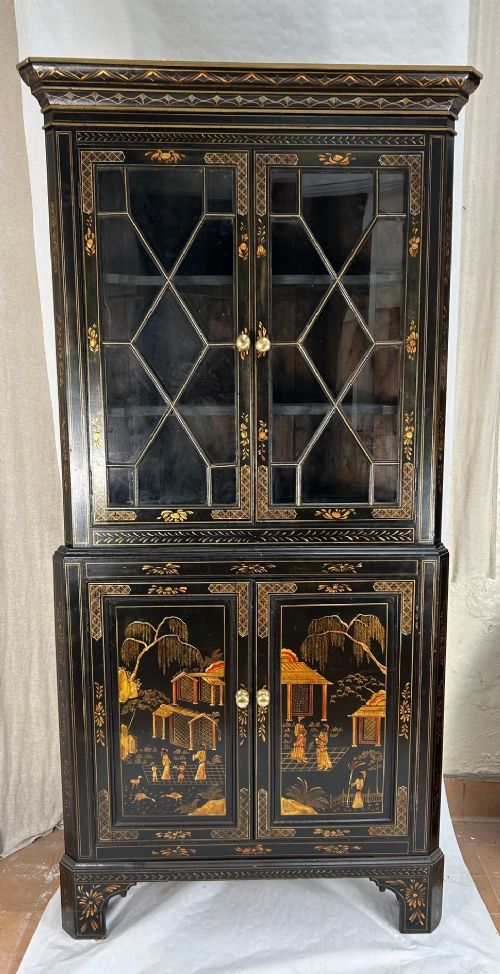
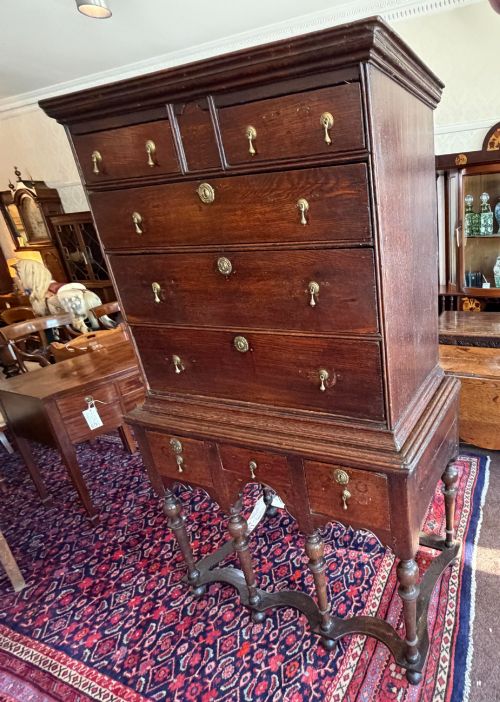
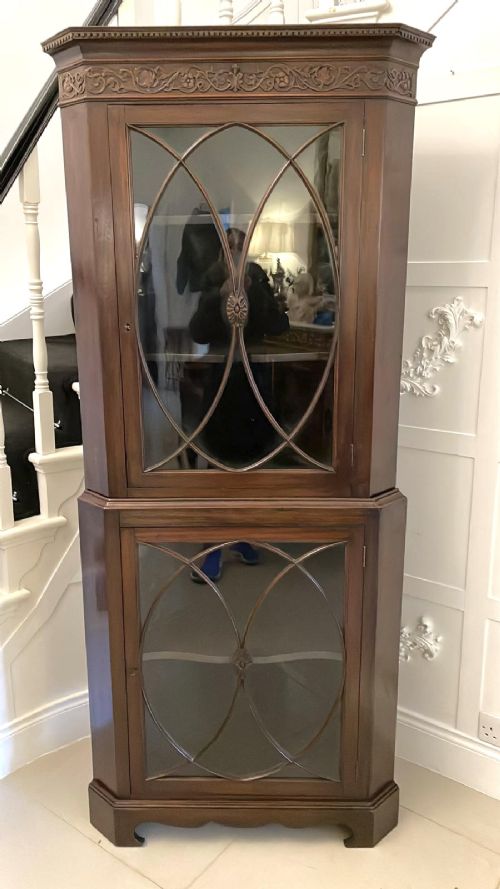
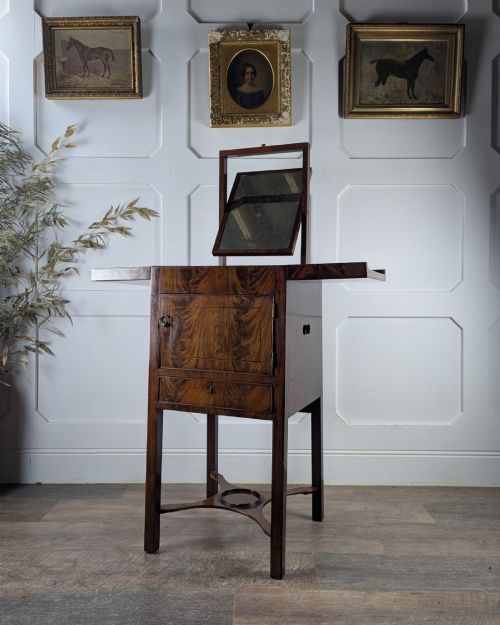
The configurations vary considerably across the selection. Examples range from enclosed wooden cupboards and chests of drawers to glazed display cabinets and corner units designed to fit domestic interiors.
The lower supports take several forms, including bracket feet and integrated stand frames. Dimensions also vary, featuring small proportions alongside taller display formats.

How They Were Made
Cabinetmakers utilised a range of primary timbers including walnut, mahogany, oak, harewood, satinwood, and painted wood. Secondary woods such as oak appear in construction elements, while brass hardware provides functional and decorative accents.
Surface decoration involves specialised techniques such as geometric panelling, marquetry inlay, cross-banding, and painted finishes. Glazed doors incorporate glass panels to reveal shelved interiors.
Retail Price Guide 2026
Typical UK retail prices for georgian cabinet on stand, calculated from the Sellingantiques database of over a million retail prices indexed since 2003. This retail price guide relies exclusively on Sellingantiques data; no external sources or auction records are used, so the figures do not describe the wider market.
Some miniature versions exist simply to test an apprentice's skill.
What Varies in Quality
The standard of a georgian cabinet on stand rests on the selection and matching of timber veneers, such as figured walnut or mahogany. Finer execution shows in the crispness of cross-banding and the precision of inlaid marquetry.
Construction integrity distinguishes the finer examples, visible in the joinery of the upper cabinet and the stability of the supporting stand. Original brass mounts and fittings further elevate the standing of a piece.
Edwards and Roberts
The Georgian Cabinet on Stand Glossary
- Cabinet on stand
- A two-part furniture form featuring an upper storage compartment elevated on a distinct base or frame. This design lifts the primary storage area off the floor for aesthetic prominence and ease of access.
- Cross-banding
- A decorative border technique where strips of veneer are laid perpendicular to the grain of the central panel. This frames drawer fronts and top surfaces with contrasting wood grain.
- Marquetry
- The art of applying decorative veneer pieces in geometric or pictorial patterns onto a solid wood base. Artisans use various coloured woods to create intricate surface designs.
- Bracket foot
- A simple foot shape formed by two pieces of wood mitred together at the corner. This structural support appears frequently on case furniture from the period.
- Harewood
- Sycamore wood that has been stained to a distinct greyish-brown hue. Cabinetmakers utilised this timber for decorative inlay and contrasting details.
Frequently Asked Questions
What is a georgian cabinet on stand?
A georgian cabinet on stand is a two-part furniture item featuring an upper storage compartment raised upon a supporting base. These pieces date from the eighteenth century and include various configurations such as display cabinets, cupboards, and chests.
They combine decorative exterior treatments with functional interior storage. The elevated design creates a lighter visual presence within a room compared to floor-standing wardrobes.
Where were these cabinets placed?
These cabinets served multiple functions in domestic spaces, acting as display furniture for valued possessions or secure storage for documents and small items. Corner formats utilised awkward room junctions efficiently.
Their elevated stature made them prominent decorative items in reception rooms and parlours. Glazed versions allowed owners to exhibit collections of porcelain and glassware.
What woods were used?
Cabinetmakers employed a variety of hardwoods suited to high-end furniture production. Walnut and mahogany predominate, complemented by oak, satinwood, and harewood.
Paint finishes also appear on certain examples. Artisans often combined contrasting timbers to create decorative borders and inlaid panels.