




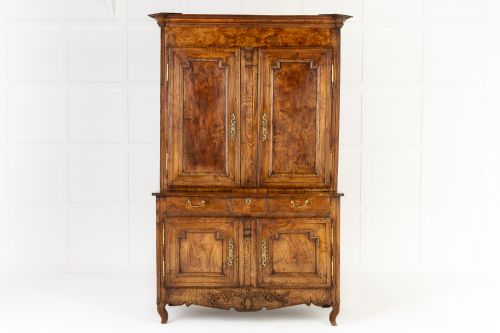


Country House Kitchen Cupboard
A country house kitchen cupboard provides honest utility and timeless storage, rooted in centuries of domestic service.

Country House Kitchen Cupboard
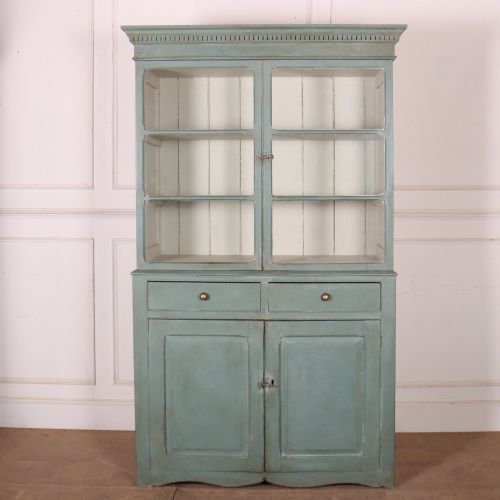
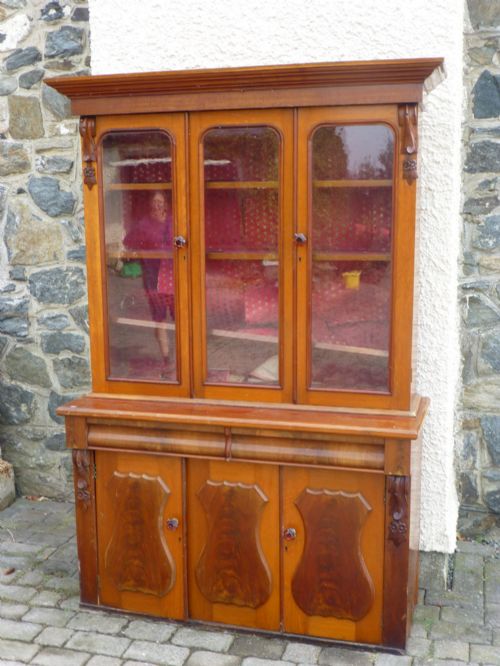
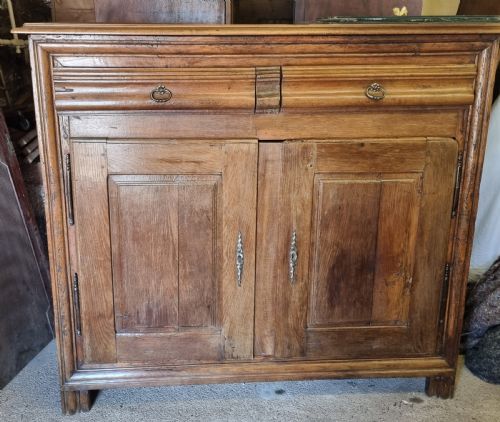
A country house kitchen cupboard represents the hardworking storage furniture of historic estates and large domestic quarters. When searching for a country house kitchen cupboard, buyers encounter substantial pieces designed to hold provisions, linens, and utility ware.
The selection ranges from tall housekeeper's larders and scullery cupboards to open-backed dressers with racks. Eighteenth-century and nineteenth-century examples dominate the offerings, built primarily in regional British and continental workshops.
Most pieces display straightforward architectural forms intended for daily service rather than formal entertaining. Pine, oak, and fruitwood dominate the construction, often finished with original paint or left as bare timber.
Materials and Construction
Makers relied on durable native timbers such as oak, elm, pine, and fruitwood to withstand heavy daily use in busy sculleries and kitchens. Boards were joined with pegged mortise and tenon joints, ensuring structural stability for large wardrobes and base units.
Surfaces frequently show layers of historic paint or plain waxed finishes that protect the softwood and hardwood carcasses. Iron hinges, brass handles, and glazed door panels appear across the periods, adding functional detail to the vernacular designs.
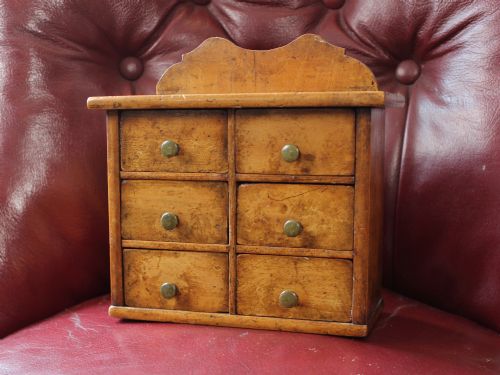
Many old spice drawers still retain the faint, lingering scent of dried nutmeg and cloves from centuries past.
Quality Variations
The distinction between standard utility furniture and superior examples lies in the selection of timber and the restraint of the design. Dense oak and finely grained fruitwood indicate a higher grade of construction than common pine.
Proportion and surface preservation separate ordinary utilitarian pieces from exceptional survivors. Original paint surfaces and untouched brass or iron hardware elevate a piece above those with replaced fittings or stripped timber.
The Country House Kitchen Cupboard Glossary
- Housekeeper's cupboard
- A large tall storage piece traditionally used for linens and dry goods in historic houses. These cupboards often feature upper shelving enclosed by panelled doors above a base of drawers.
- Dresser rack
- The set of open shelves mounted upon the top of a kitchen dresser base. It allowed display of ceramic plates and pewter chargers within easy reach.
- Buffet deux corps
- A large two-part cupboard originating in France, featuring a lower cabinet section surmounted by a matching upper storage tier. This form provided substantial capacity for domestic provisions.
- Breakfront
- A cabinet design where the central section projects forward from the flanking wings. This architectural arrangement breaks the flat plane of long storage walls.
- Vernacular
- Furniture built by local tradesmen using regional traditions and readily available materials rather than following metropolitan fashion. These pieces reflect distinct geographical styles.
Country House Kitchen Cupboard: Frequently Asked Questions
What is a housekeeper's cupboard?
A housekeeper's cupboard is a tall, heavy storage piece designed for domestic service areas. It typically houses household linens, dried goods, and provisions.
These large pieces were kept in sculleries or dedicated storage rooms to maintain an organised household. Their robust build allowed them to endure heavy daily use by domestic staff.
How do I date an oak dresser?
Dating an oak dresser involves examining the construction methods, tool marks, and hardware used on the carcass. Hand-cut joinery and pegged joints generally point to earlier periods.
Secondary woods and backboards also provide clues to the age of the piece. Regional styles help narrow down the decade of manufacture.
Where were these cupboards used?
These cupboards stood primarily in the working quarters of large country houses, farmhouses, and vicarages. Kitchens, sculleries, and larders were their natural environments.
Today, buyers place them in modern kitchens and dining spaces for practical storage. Their utility translates well to contemporary homes seeking traditional character.
What is the difference between a dresser and a cupboard?
A dresser typically includes an open rack or shelving unit mounted on top of a lower storage base. A cupboard consists entirely of enclosed cabinet space behind doors.
Dressers were designed for both displaying tableware and storing provisions underneath. Cupboards focused strictly on concealing stores and equipment.