

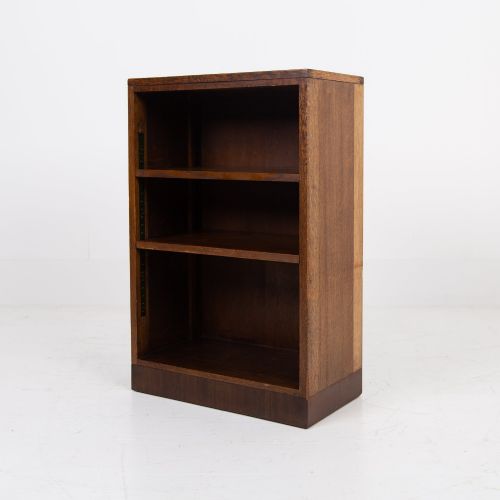
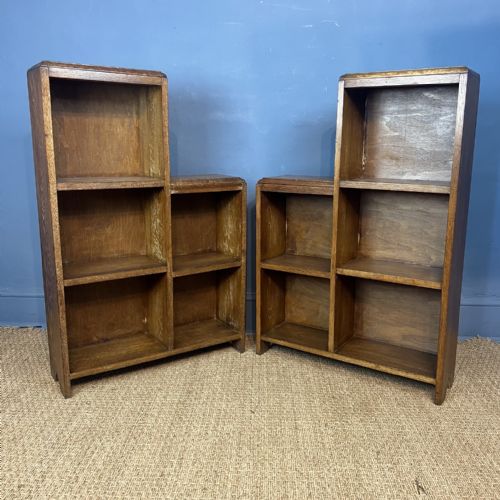
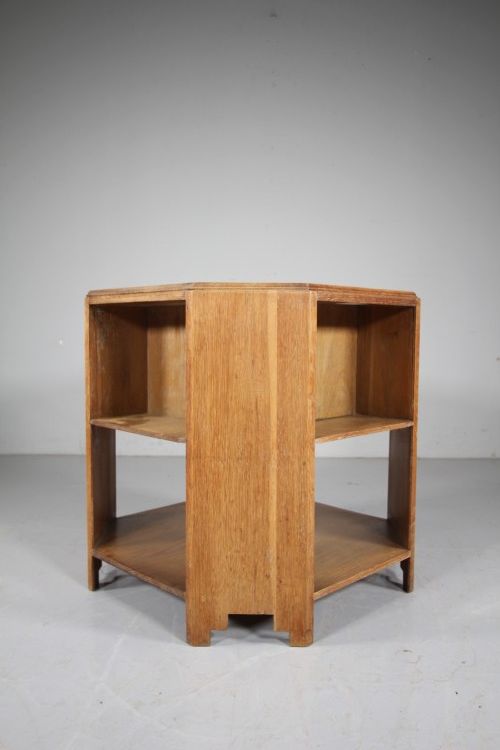


1930s Oak Bookcase
A 1930s oak bookcase brings practical interwar storage and clean architectural lines into a room, offering sturdy charm for any collector.
1930s Oak Bookcase
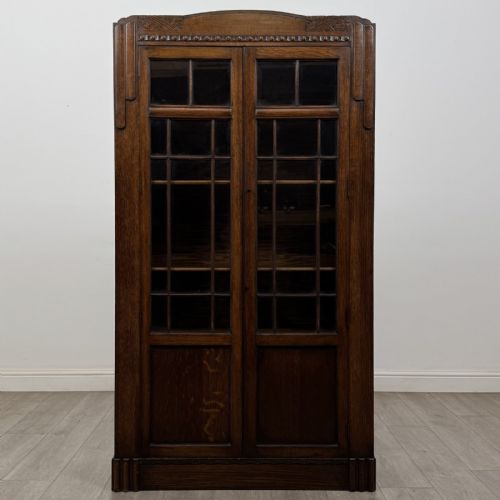
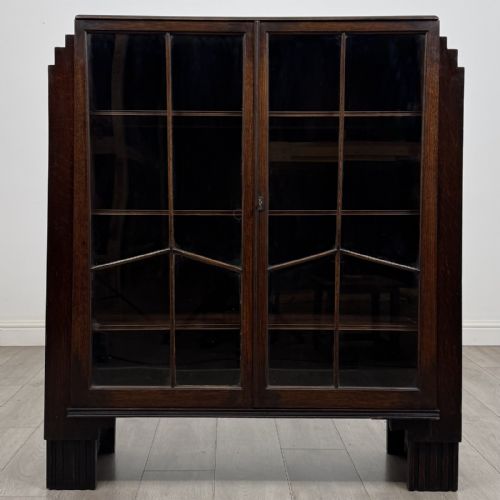
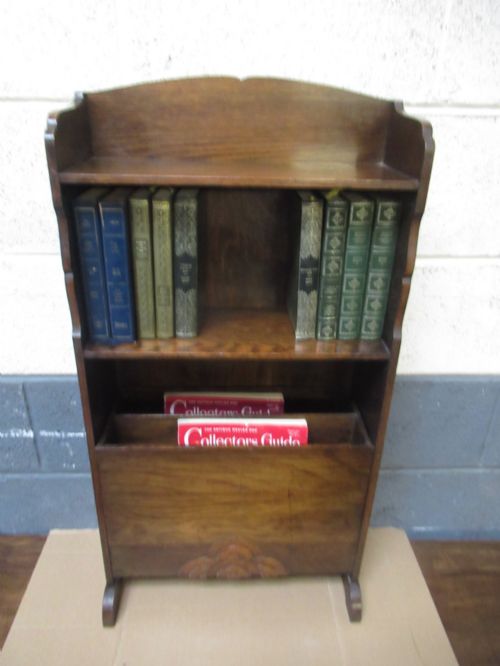
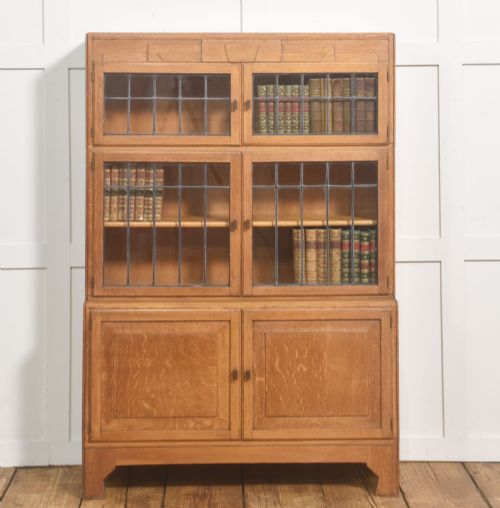
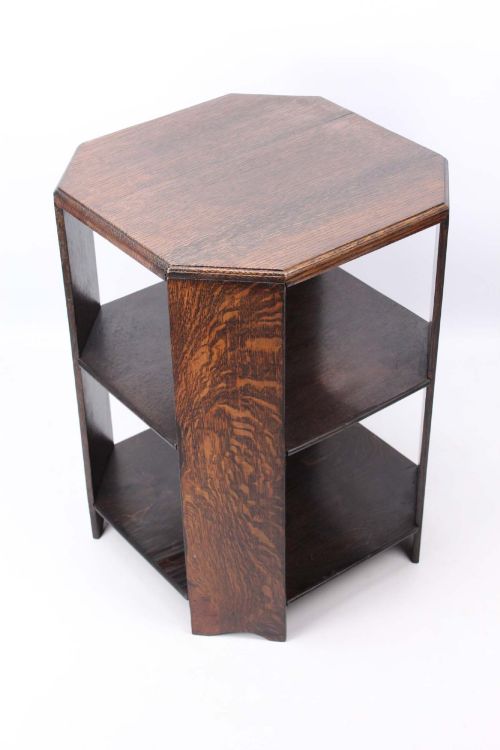
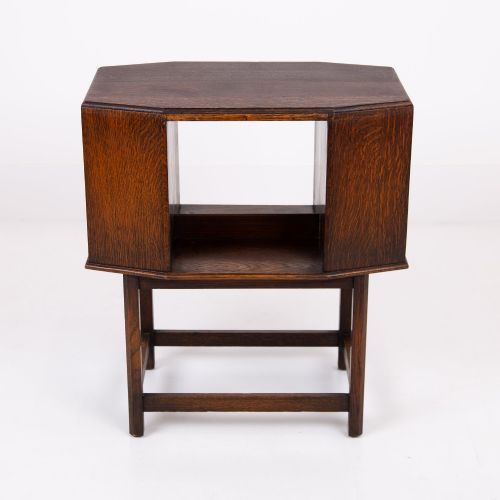
A 1930s oak bookcase serves as a dependable repository for volumes while displaying distinct interwar design characteristics. Buyers seeking these items encounter a variety of forms, from compact side table combinations to large glazed display cabinets.
The pieces appearing on this page span several stylistic interpretations of the decade. Art Deco influences dominate alongside Tudor revival pieces and industrial institutional examples from school art departments.
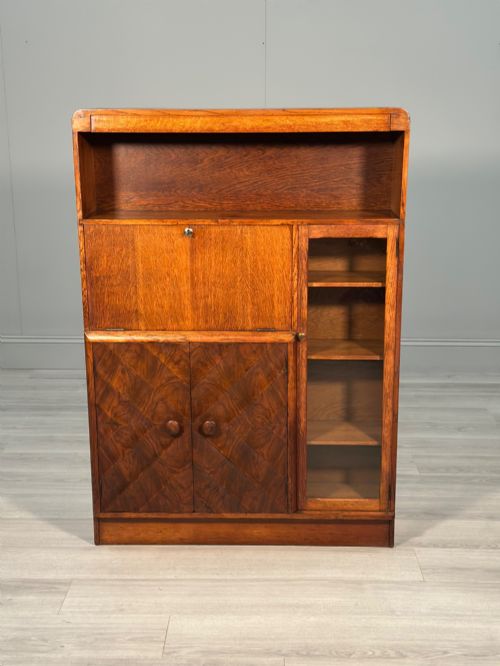
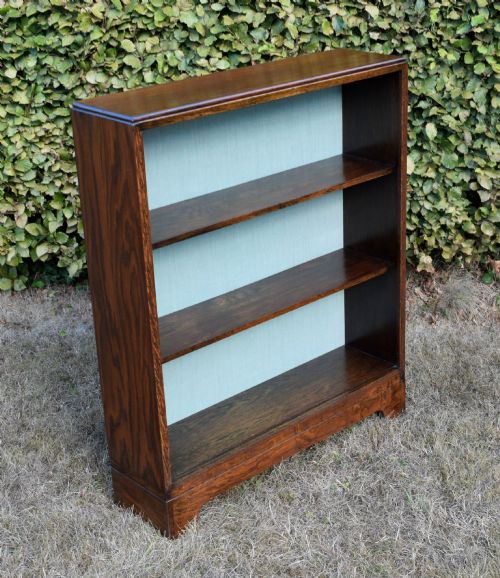
Open shelving options share space with closed cupboards and glass-fronted cabinets. Many feature solid construction, straightforward rectilinear geometry, or stepped silhouettes characteristic of the period.
Materials and Construction
Makers relied primarily on solid English oak and golden oak veneers to build these sturdy storage units. Timber selection often dictated the grain pattern, ranging from plain quarter-sawn surfaces to limed finishes.
Glass panels appear frequently in glazed doors, sometimes held together by lead cames in geometric patterns. Brass hardware and occasional leather top inserts complete the primary construction vocabulary.
1930s Oak Bookcase Retail Price Guide 2026
Typical asking prices for 1930s oak bookcase among the pieces listed under this phrase on Sellingantiques today, from the lower quarter to the upper quarter. They describe what is for sale here now, not the wider market.
One archival piece arrived decorated with the logo of Associated Television.
Distinctions in Quality
Cabinetwork quality reveals itself in the joinery methods and the choice of solid timber versus secondary woods. Pieces originating from known workshops display superior attention to detail in their mouldings and proportions.
The execution of specific styles creates a division between standard commercial output and elevated modernist design. Finer items incorporate thoughtful architectural mouldings, leaded glass work, and integrated side table extensions.
Heals·Betty Joel
The 1930s Oak Bookcase Glossary
- Art Deco
- A design style characterised by sleek geometric shapes, streamlined forms, and modern ornamentation popular during the interwar period.
- Limed oak
- A wood finishing technique that leaves a white or pale pigment in the open pores of the oak grain to lighten its appearance.
- Leaded glass
- Small panes of glass held together by strips of lead, forming decorative geometric patterns across cabinet doors.
- Tudor Revival
- An architectural and decorative style drawing inspiration from sixteenth-century English building traditions, featuring heavy mouldings and historic motifs.
1930s Oak Bookcase: Frequently Asked Questions
How do I identify a 1930s oak bookcase?
Look for characteristic interwar materials such as solid English oak, golden oak, and brass hardware. Stylistic clues include Art Deco geometric lines, stepped mouldings, or Tudor revival detailing.
Construction methods and proportion also help date the piece accurately to the period. Many examples combine open shelving with glazed cabinets or side table configurations.
What is the difference between open and glazed bookcases?
Open bookcases provide immediate access to stored volumes without physical barriers. They frequently incorporate side table elements or low shelving arrangements.
Glazed versions protect books behind glass panels, sometimes using leaded arrangements or wooden mullions. These enclosed cabinets often feature locking doors and larger capacities.
How do I care for vintage oak furniture?
Maintain the wood by keeping the bookcase away from direct heat sources and strong sunlight. Regular dusting with a soft cloth preserves the original surface finish.
Condition timber and leather inserts periodically using appropriate specialist waxes or balms. Avoid excessive moisture on both the oak surfaces and any associated hardware.