
Warm Brown Glazed Cabinet
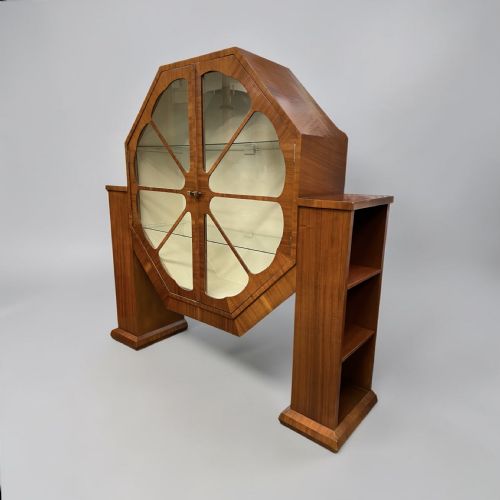
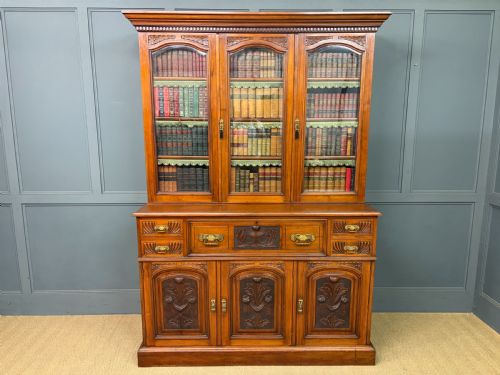
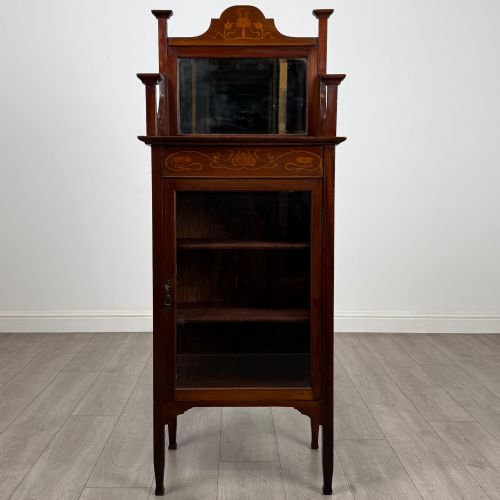
A warm brown glazed cabinet brings together rich timbers and clear glass to display and protect valued objects.
Warm Brown Glazed Cabinet
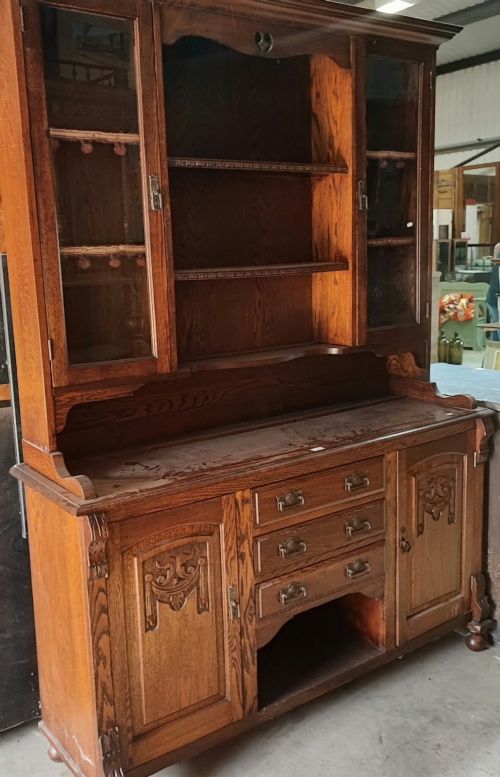
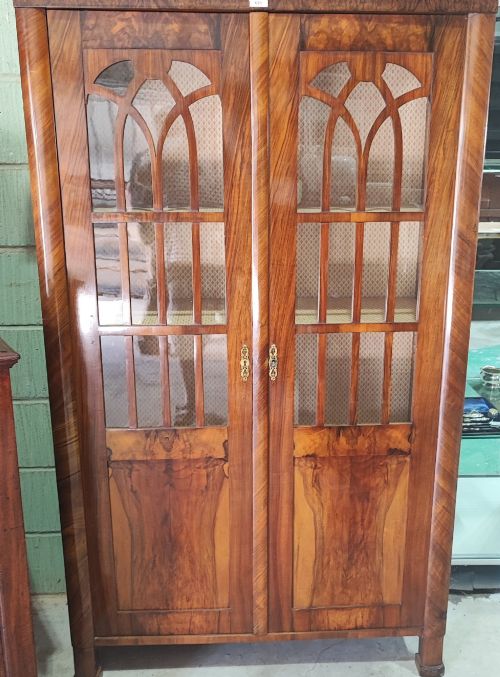
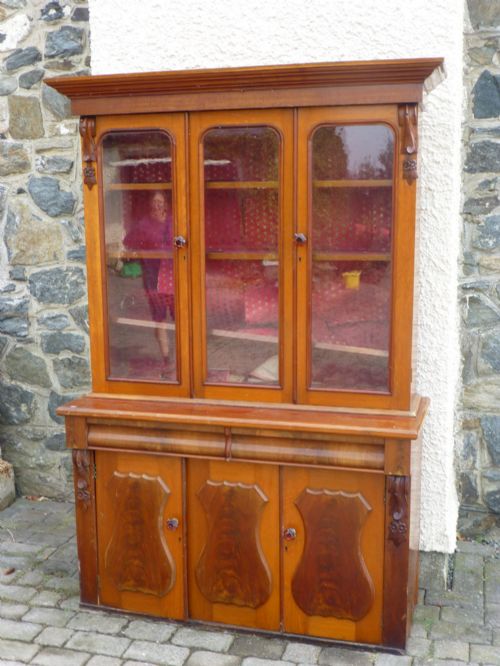
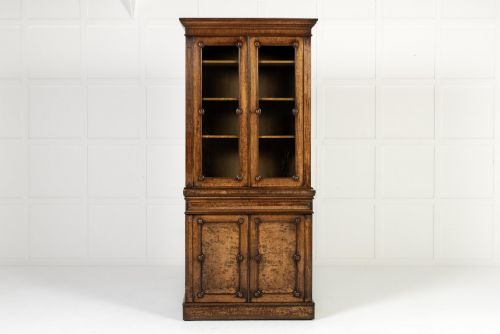
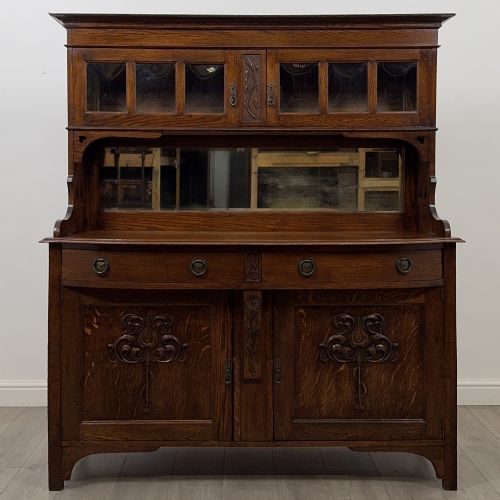
When you search for a warm brown glazed cabinet, you encounter a wide selection of display pieces, bookcases, corner cabinets, and dressers designed to house books, china, and collections. These pieces primarily date from the eighteenth, nineteenth, and early twentieth centuries, spanning periods such as Victorian, Edwardian, Georgian, Regency, and Art Deco. Forms range from compact pier cabinets and counter-top shop units to monumental library bookcases and multi-part Welsh dressers.
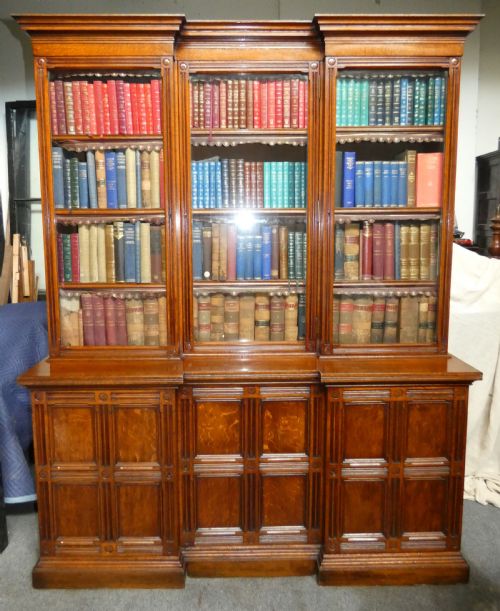
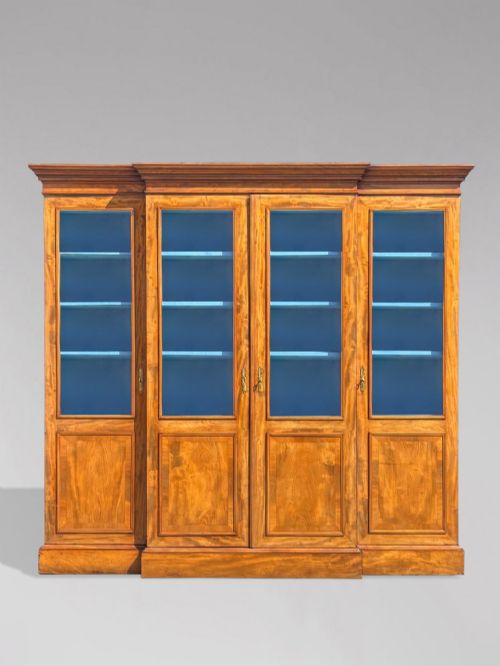
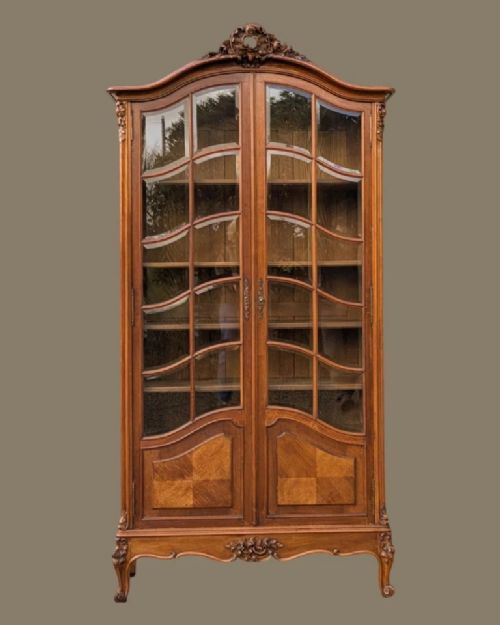
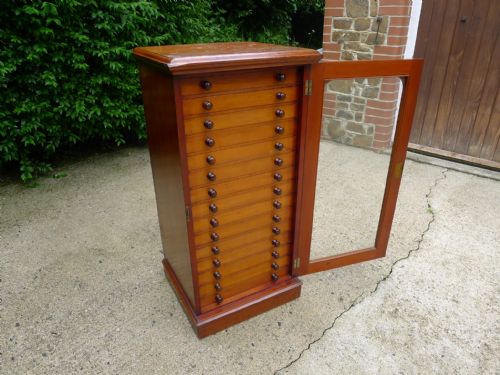
The most common examples on this page are Victorian and Edwardian glazed bookcases and display cabinets, often featuring rich timber surfaces and glass fronts. You will also find specialised items such as collectors' cabinets with numerous drawers, music cabinets, and bureau bookcases that combine writing desks with glazed upper shelving. Regional variations include Welsh vernacular oak dressers and French walnut bookcases reflecting Louis Philippe or Biedermeier design influences.
How they were made
Cabinetmakers utilised dense hardwoods such as walnut, mahogany, and oak for the primary structures, often selecting figured grains for visual warmth. Inlays of satinwood, decorative brass fittings, and ormolu mounts were applied to refine the exterior appearance of formal display pieces and vitrines.
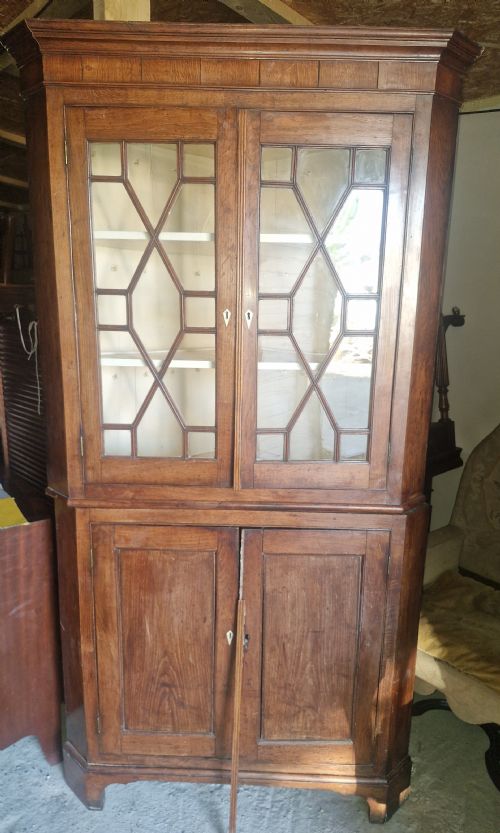
Glazing bars divided the glass panels into geometric or arched patterns, protecting the contents while maintaining visibility. Construction techniques involved dovetailed drawer construction, mortise and tenon joints, and fitted adjustable shelving to accommodate varying items.
Among the storage options listed are multi-drawer cabinets built specifically for housing insect collections.
What varies in quality
The distinction between standard and superior pieces rests on the selection of timber veneers and the intricacy of the cabinetwork. High-quality examples display matched wood grain figures, precise marquetry or satinwood inlay, and finely carved architectural details rather than plain surfaces.
Structural integrity and original components dictate the standing of a piece. Well-made glazed cabinets retain original brass hardware, sound glass panes, well-fitting doors, and drawers that slide smoothly within their housings.
Messrs Watkins & Doncaster
The Warm Brown Glazed Cabinet Glossary
- Glazed
- Fitted with glass panels in the doors or sides to display contents while keeping dust out. This feature defines the primary viewing cabinets on this page.
- Pier cabinet
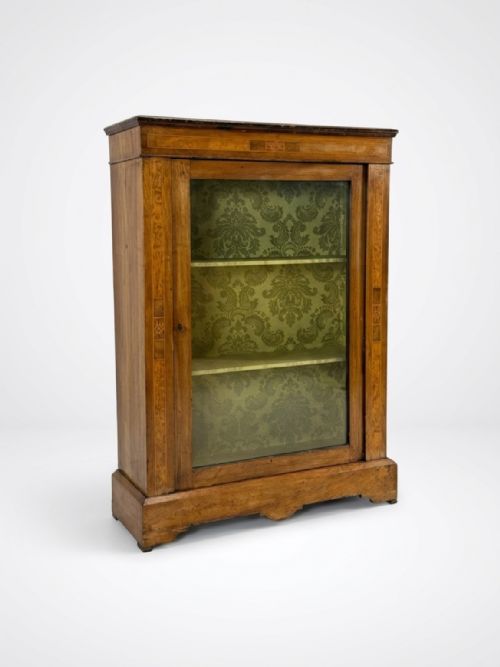
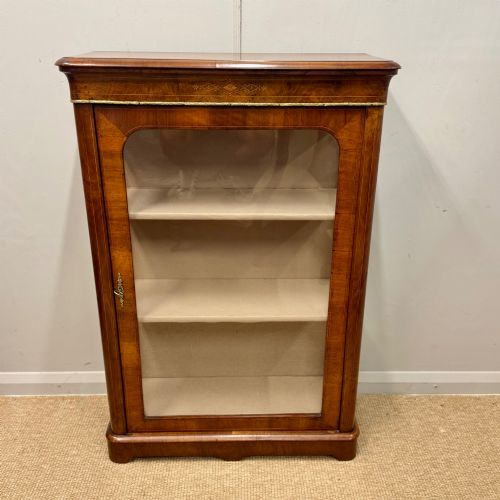
- A low freestanding cabinet designed to fit narrow wall spaces between windows, frequently executed in walnut during the Victorian period. They often feature glass doors and inlaid decoration.
- Vitrine
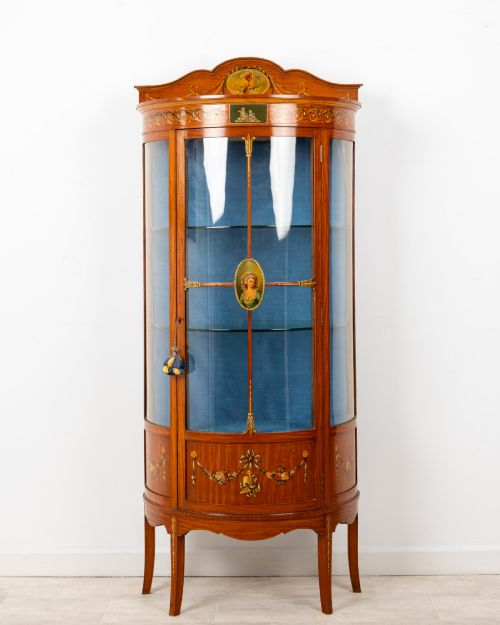
- A glass-fronted display cabinet used specifically for showcasing porcelain, curiosities, or fine objects. These pieces often incorporate satinwood or mahogany frames with painted details.
- Welsh dresser
- A traditional two-part kitchen or dining room form comprising lower cupboards and drawers surmounted by open or glazed plate racks. Oak is the primary timber for these vernacular items.
- Bureau bookcase
- A combination form featuring a sloping fall-front desk section above drawers, topped by a glazed bookcase. They provide both workspace and storage.
Warm Brown Glazed Cabinet: Frequently Asked Questions
What periods do these cabinets come from?
The pieces span several centuries, with particular concentration in the Victorian and Edwardian eras. You will also find eighteenth-century George II items alongside Regency and 1930s Art Deco examples.
Each period imparts distinct stylistic traits, from the heavy carved walnut of mid-nineteenth-century items to the lighter satinwood and painted finishes of Edwardian pieces.
How do I identify a pier cabinet?
A pier cabinet is typically a low, single-door piece built to occupy the narrow wall space between windows in a Victorian drawing room. They frequently incorporate walnut veneer, glass doors, and inlaid brass stringing.
These cabinets stand flush against the wall and often feature an open top surface for placing decorative objects or small lamps.
What woods were used for these cabinets?
Makers relied heavily on rich hardwoods, with walnut, mahogany, and oak appearing across most listings. Tiger oak, pollard oak, and satinwood provide varied grain patterns and lighter accent tones.
Finer display pieces occasionally incorporate kingswood or decorative fruitwood veneers alongside brass and ormolu hardware.
Were these cabinets used only for books?
While many examples function as libraries or bookcases, a large proportion are display cabinets and vitrines intended for porcelain, curios, or collections. Specialised forms include music cabinets, gun cabinets, and multi-drawer insect collectors' cabinets.
Corner cupboards and Welsh dressers served domestic storage needs in kitchens and dining rooms rather than formal studies.