

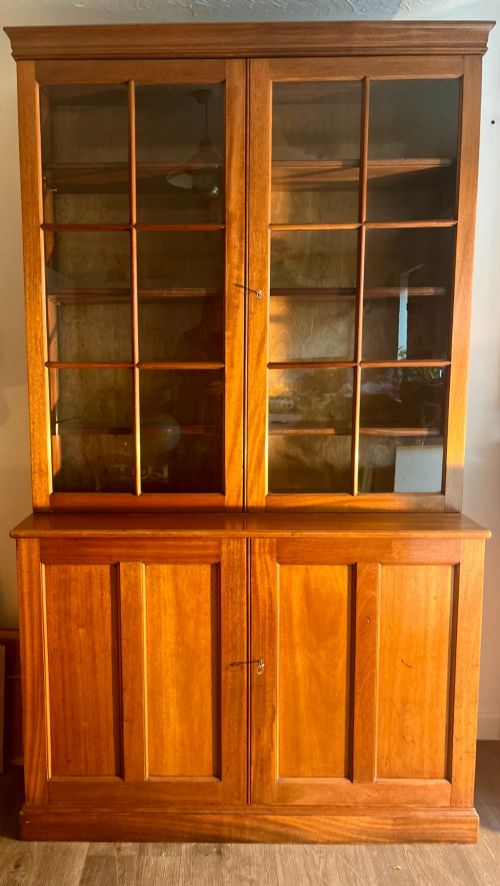
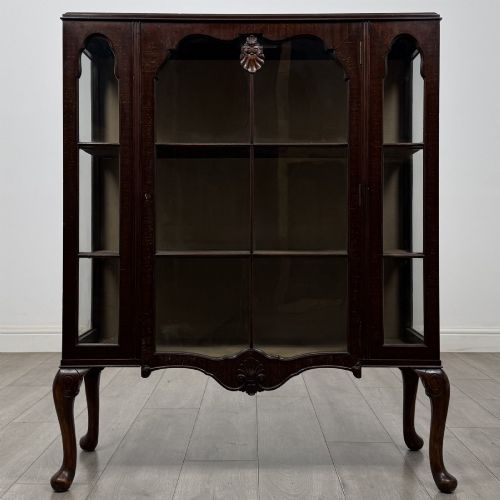
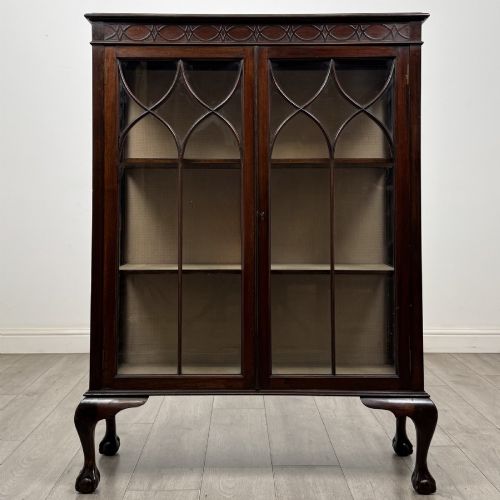
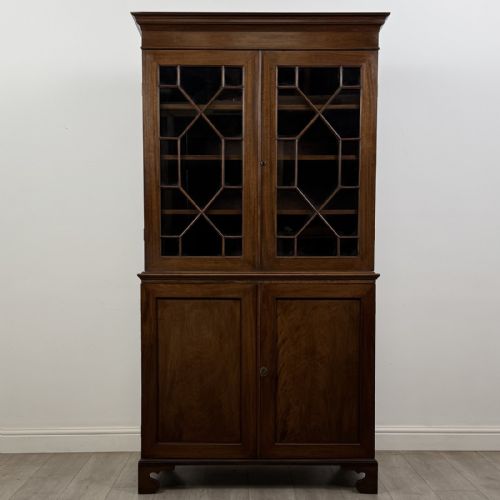
Mahogany Glass Bookcase
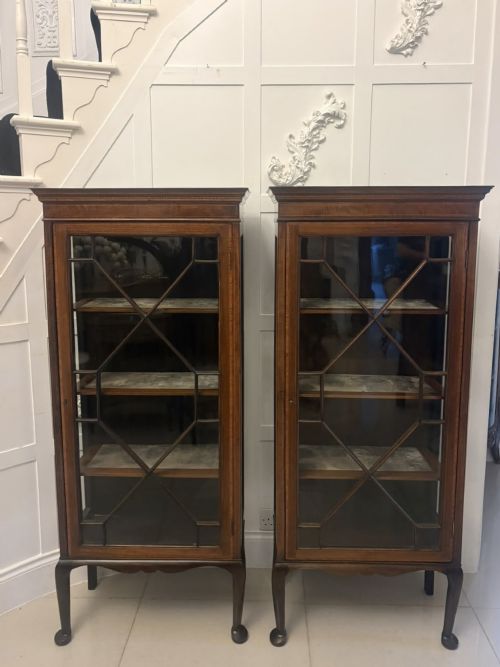
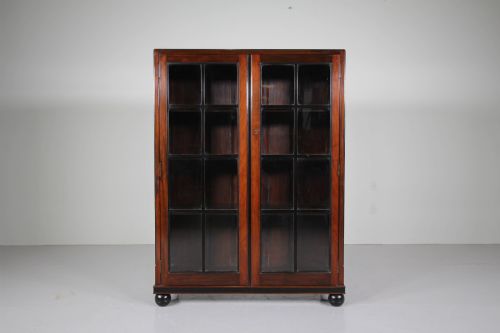
These mahogany glass bookcases bring warmth and visible order to a room, holding collections behind clear panes.
Mahogany Glass Bookcase
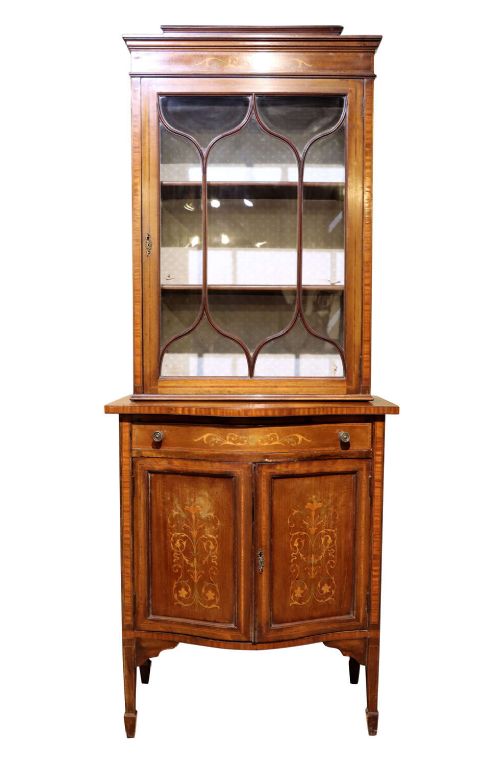
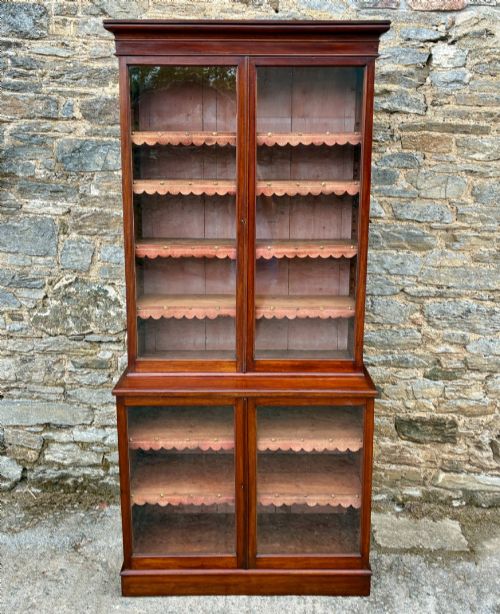
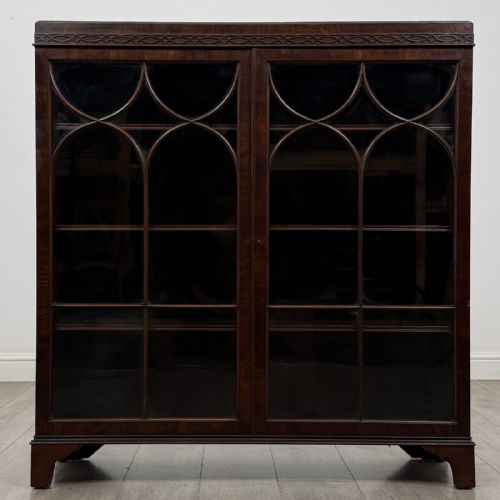
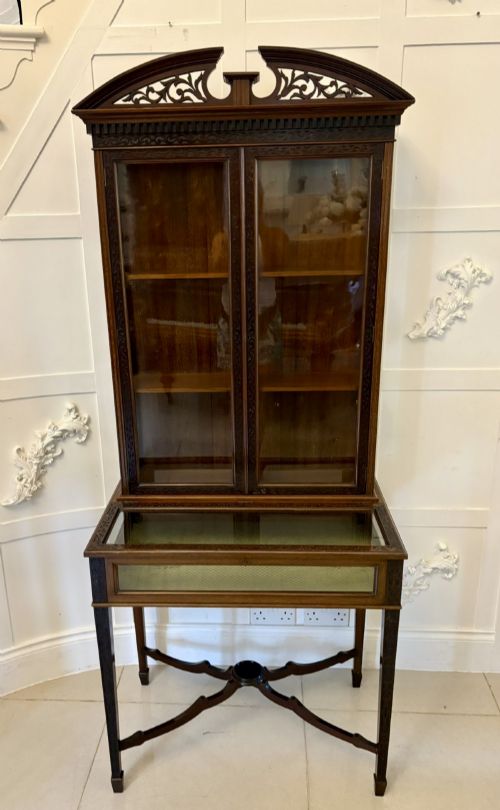
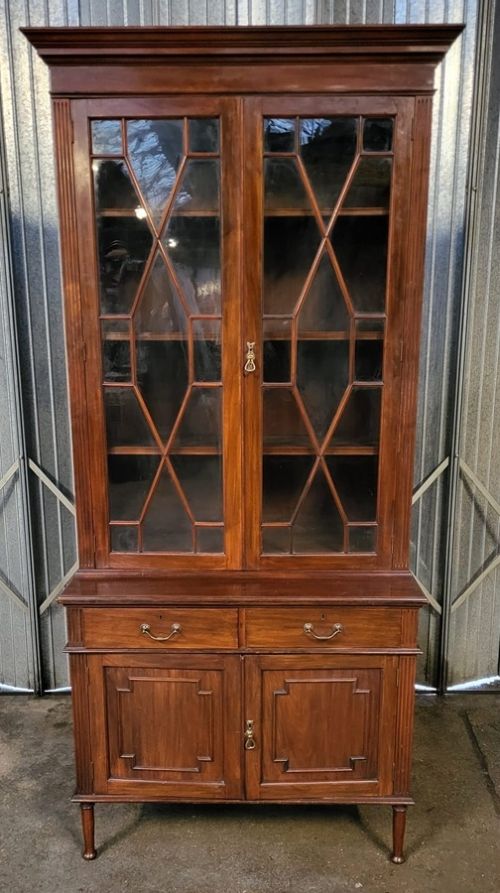
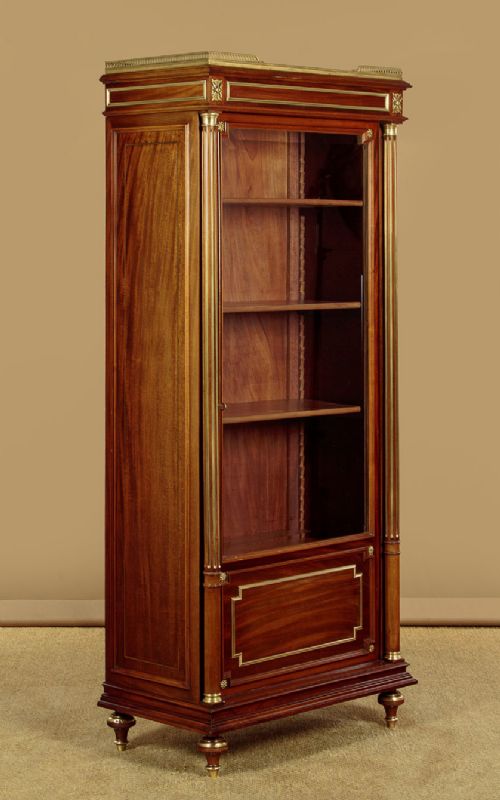
A mahogany glass bookcase combines timber frames with glazed doors, spanning tall eighteenth-century designs to Edwardian and early twentieth-century sectional variations. Buyers find George III period pieces alongside Edwardian display cabinets and later sectional forms.
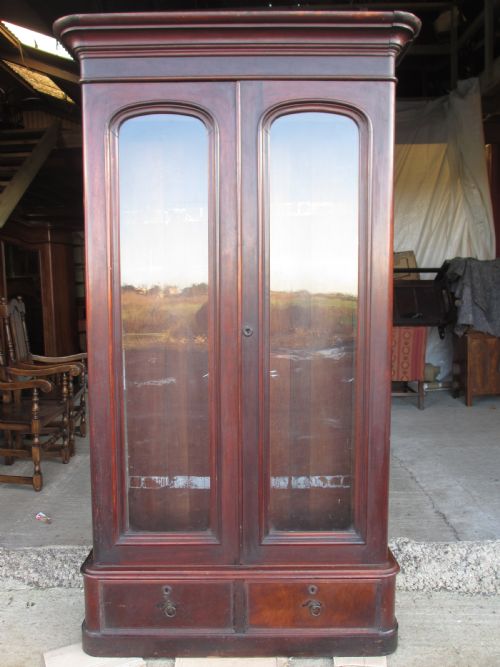
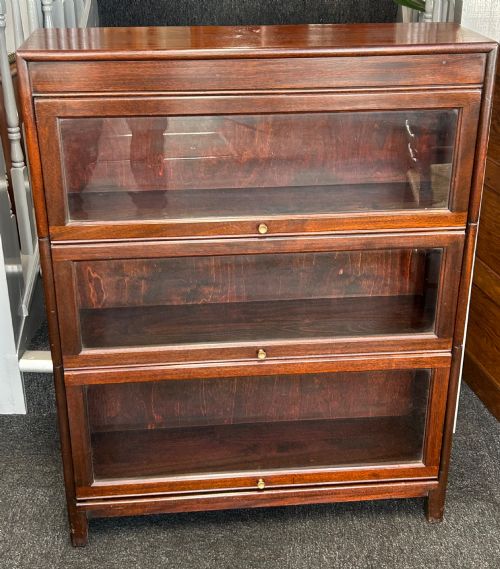
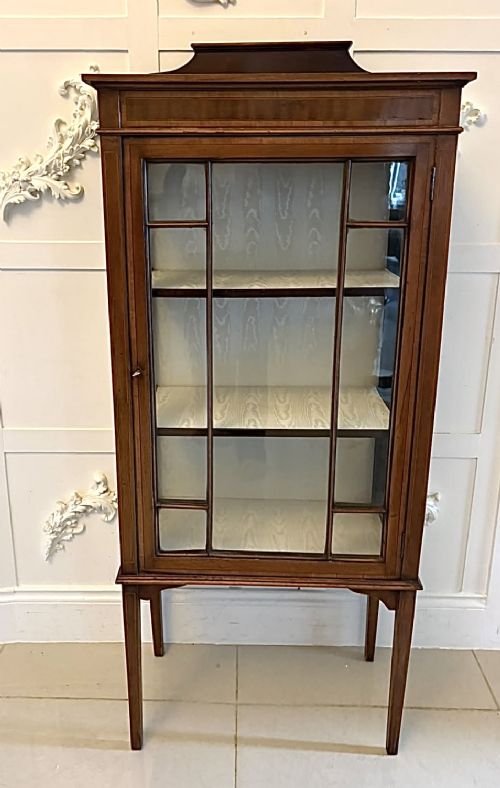
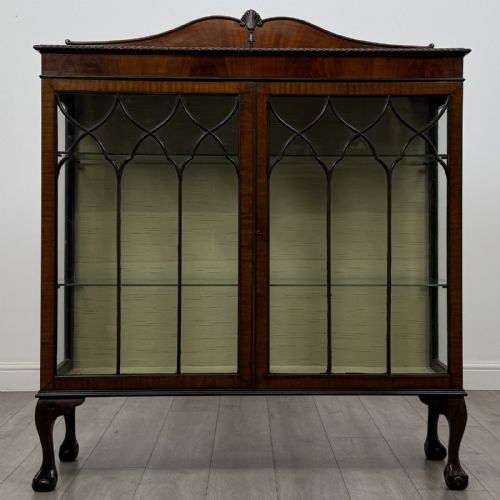
The selection includes tall two-door cupboards, single-door display cases, and globe-wernicke style stacking units. Makers adopted Georgian and Chippendale styles across different decades.
Haberdashery cabinets and glazed display furniture also appear under this heading, offering varied interior shelving and glass-topped surfaces.
Materials and construction
Workshops built these cabinets primarily in mahogany, occasionally incorporating satinwood inlay for decorative contrast. Brass hardware provides functional hinges and pulls, while fabric sometimes lines interior surfaces.
Glass panels are fitted into wooden doors, with certain examples featuring leaded glass sections. Sectional and stacking designs utilise modular frames that allow units to build upwards.
Mahogany Glass Bookcase Retail Price Guide 2026
Typical asking prices for mahogany glass bookcase among the pieces listed under this phrase on Sellingantiques today, from the lower quarter to the upper quarter. They describe what is for sale here now, not the wider market.
Listings span the eighteenth century, the Edwardian era, and the 1920s, featuring mahogany, glass, brass, and satinwood inlay.
Judgement of quality
Quality rests in the precision of the timber joinery and the depth of the mahogany grain. Finer pieces display careful satinwood inlay and well-fitted glass rather than plain construction.
Proportion and period detail separate standard production from superior examples. George III and Chippendale revival pieces demonstrate greater attention to classical architectural lines.
The Mahogany Glass Bookcase Glossary
- George III
- A British design period spanning the second half of the eighteenth century, known for balanced proportions and refined mahogany use.
- Satinwood inlay
- A contrasting light wood veneer set into the darker mahogany surface to create geometric or floral borders.
- Globe-wernicke
- A modular stacking bookcase system featuring glazed lifting doors for each separate shelf section.
- Haberdashery cabinet
- A multi-drawer storage unit with glass elements originally designed for retail display of textiles and small goods.
- Leaded glass
- Small panes of glass held together by strips of lead to form patterned window sections in cabinet doors.
Mahogany Glass Bookcase: Frequently Asked Questions
How do I identify an Edwardian bookcase?
Edwardian bookcases date from the early twentieth century and frequently combine mahogany with light satinwood inlay. They often reflect revival styles inspired by earlier eighteenth-century furniture.
Construction from this period tends to balance traditional cabinet-making methods with lighter decorative proportions.
Where should I place a display cabinet?
Display cabinets with glass doors suit living rooms, studies, or libraries where books and collections need protection from dust. Position them away from direct sunlight to protect timber finishes and book bindings.
Ensure the floor is level, particularly with tall or sectional units, to keep doors operating smoothly.
What is leaded glass?
Leaded glass uses narrow lead cames to join smaller individual panes together into decorative geometric patterns. It appears frequently on early twentieth-century barrister and sectional bookcases.
This technique adds rigidity to larger glass areas while creating a distinctive visual texture.