

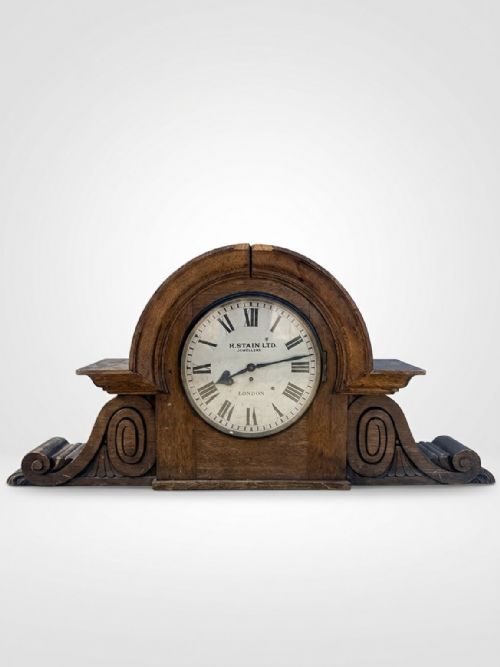
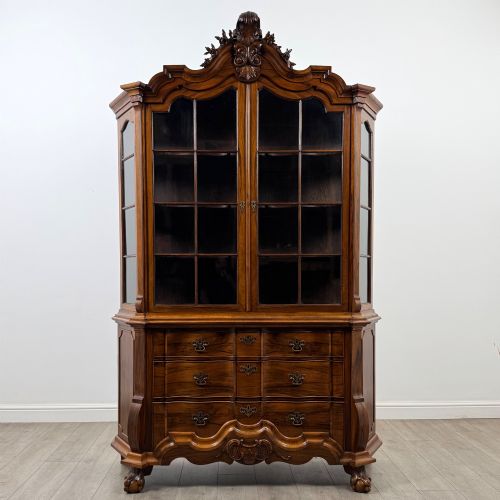
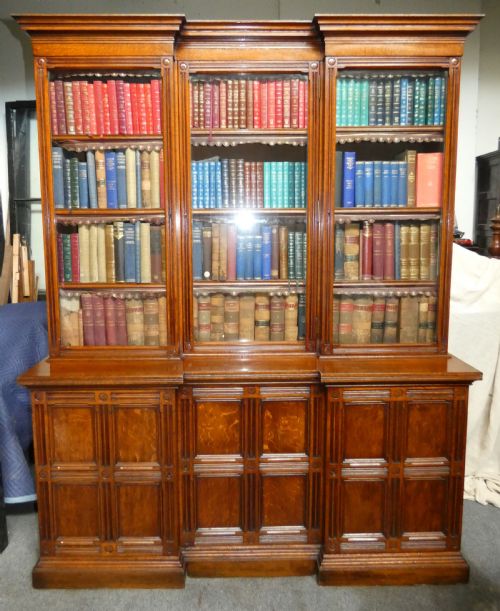
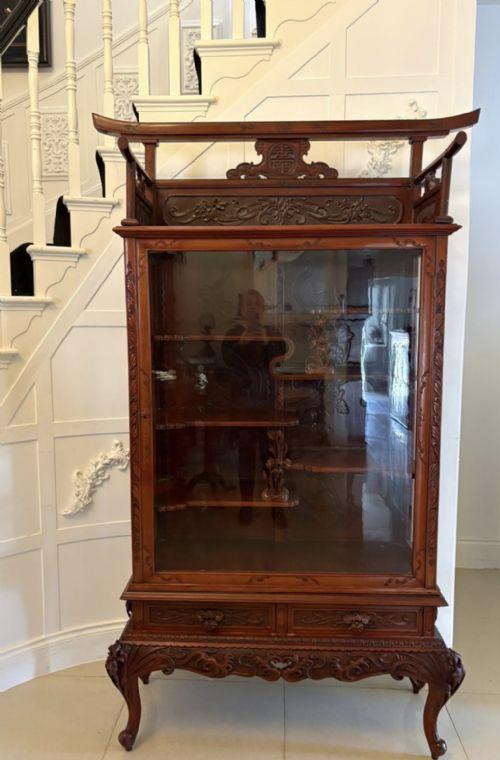


Brown Wooden Display Case
A brown wooden display case holds and protects cherished collections, bringing timeless warmth and organised visibility to interiors.
Brown Wooden Display Case
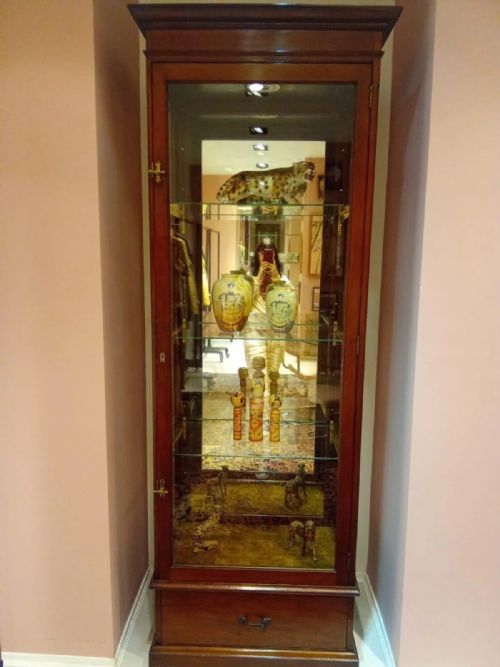
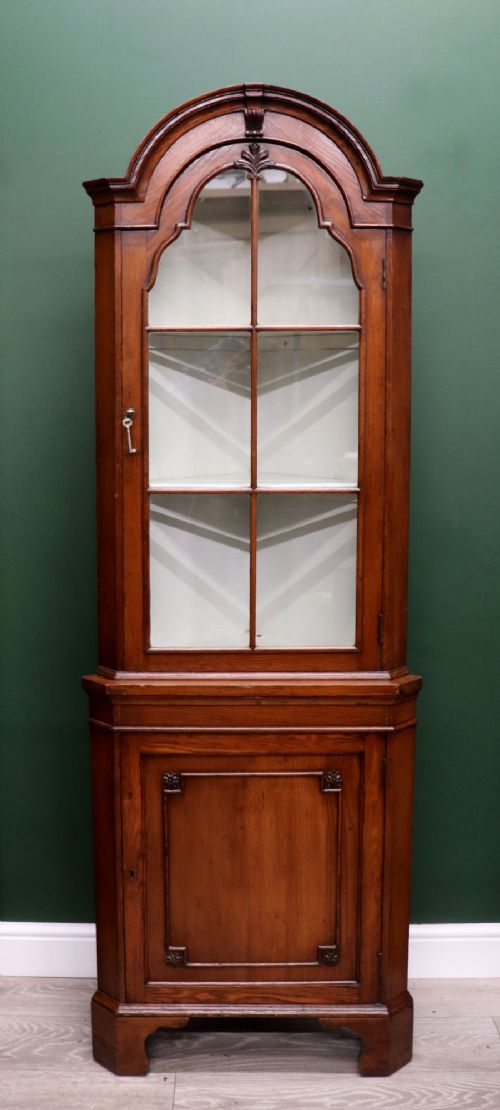
A brown wooden display case serves to showcase objects while keeping them safe behind glass. When searching for a brown wooden display case, buyers encounter a variety of forms including floor-standing cabinets, tabletop boxes, corner units, and specialised vitrines.
The pieces listed span periods from the Victorian and Edwardian eras into the early twentieth century. Common materials include mahogany, oak, and walnut, often paired with glass panels and brass fittings.
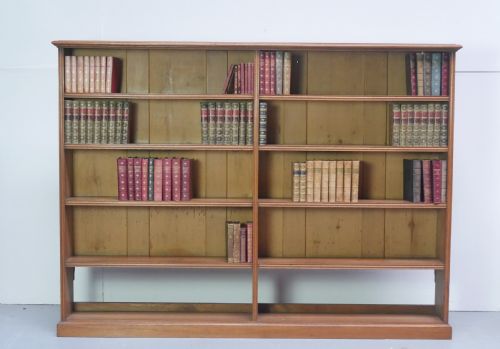
Most examples function as cabinets, bookcases, or specialised display boxes designed for shop counters or domestic rooms. These items reflect traditional cabinet-making methods utilised across Britain, Europe, and beyond.
Materials and Construction Techniques
Makers utilised dense timbers such as mahogany, oak, and walnut to construct sturdy frames capable of supporting glass panels and heavy shelving. Satinwood and other finer woods appear as decorative inlays or contrasting details on select Edwardian and Victorian pieces.
Glazing techniques allow light to enter the interior from multiple angles, protecting contents from dust while maintaining clear visibility. Brass hinges, locks, and ormolu mounts provide both structural integrity and refined decorative accents to the woodwork.
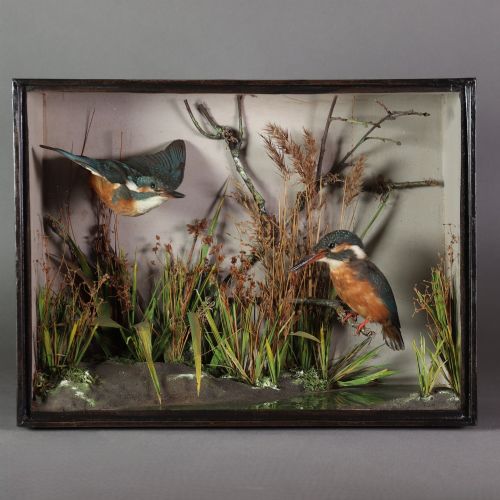
Among the glass cases hide miniature barques, taxidermied kingfishers, and a monkey saloon bar diorama.
Assessing Quality and Craftsmanship
Quality rests on the selection of timber and the precision of the joinery rather than mere ornamentation. Superior examples feature well-fitted doors, stable frames, and original glass panes that show subtle age characteristics.
Internal elements such as adjustable shelving, satinwood inlay, and finely cast brass mounts distinguish higher-grade pieces from utilitarian shop counters or standard storage boxes.
J Griffiths of Burford·T E Gunn·Rowland Ward of London·J Dobson
The Brown Wooden Display Case Glossary
- Vitrine
- A glass-sided display cabinet designed specifically for showing porcelain, curiosities, or decorative objects. These often feature ormolu mounts and fine wood veneers.
- Bookcase
- A piece of furniture with horizontal shelves used for storing books, frequently enclosed by glazed wooden doors in period examples.
- Ormolu
- Gilded bronze mounts applied to furniture for decorative effect during the nineteenth century. This technique adds metallic highlights to dark wood surfaces.
- Inlay
- Pieces of contrasting timber or shell fitted into the surface of a primary wood to create decorative patterns. Edwardian makers utilised this method extensively on mahogany surfaces.
- Countertop
- A smaller form of cabinet designed to sit upon shop counters or tables for retail display. These often feature glazed panels for customer viewing.
Brown Wooden Display Case: Frequently Asked Questions
What periods do these cases come from?
The available pieces originate largely from the Victorian and Edwardian periods, stretching from the late nineteenth century into the 1930s. Earlier examples from the eighteenth century also appear occasionally.
These dates derive from construction styles, timber usage, and recorded historical evidence associated with individual items.
How were these cabinets originally used?
Many served in domestic settings to display books, taxidermy, or collected curiosities behind protective glass doors. Others functioned in retail shops and apothecary stores to showcase goods.
Countertop versions and specialised boxes held items like sewing cottons, tobacco pipes, or delicate jewellery for customers to inspect.
Are the glass shelves original?
Some cabinets retain their original adjustable glass shelving, while others feature replacements fitted during routine maintenance or restoration. Examining the edges of the glass helps determine its age relative to the wooden frame.
Shop display cabinets particularly relied on strong glass plates to support heavy stock under daily use.
How do I care for antique wood and glass?
Maintain stable indoor humidity levels to prevent the timber from warping or the glue in joints from drying out. Clean the glass with standard solutions while avoiding harsh chemicals on polished wooden surfaces.
Regular light dusting preserves the finish and prevents accumulation in carved mouldings or brass fittings.