
Edwardian Standing Bookcase
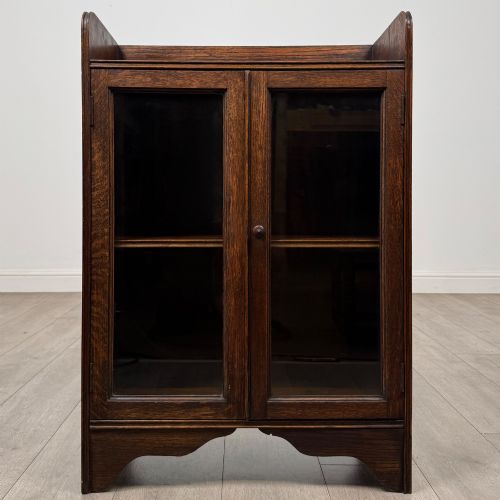
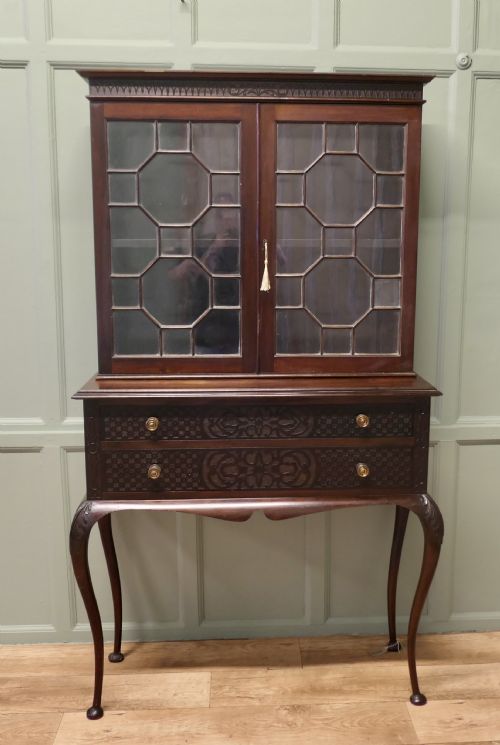
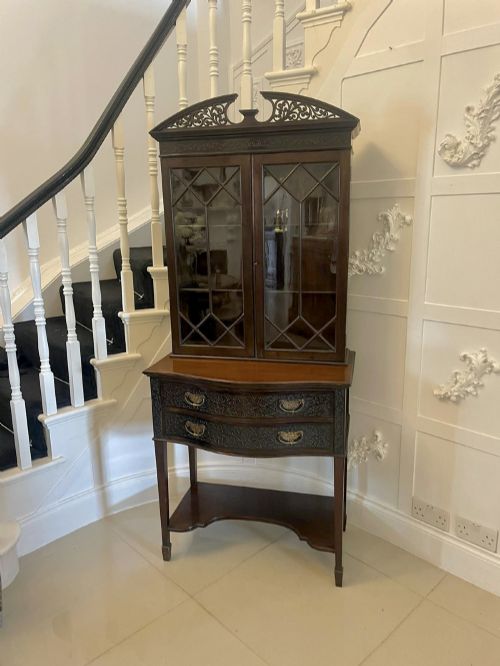
An edwardian standing bookcase brings practical storage and refined period joinery into a room, offering both glazed protection and open shelving.
Understanding the Edwardian Standing Bookcase
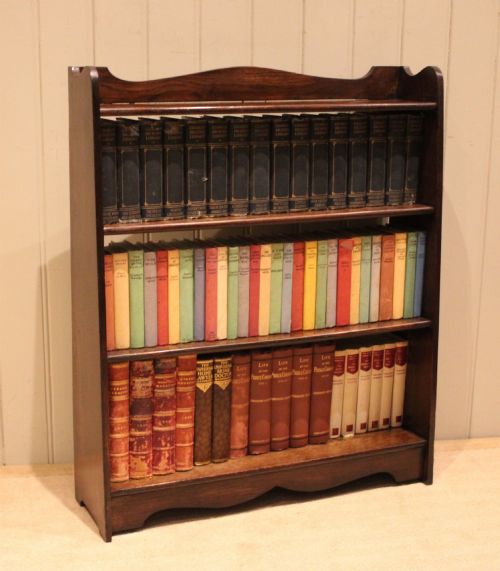
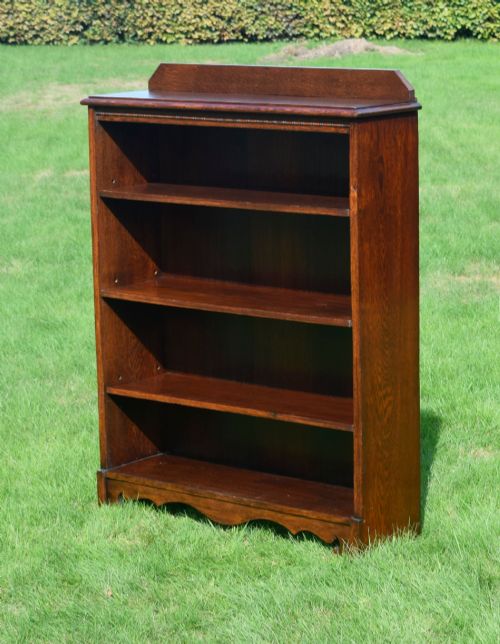
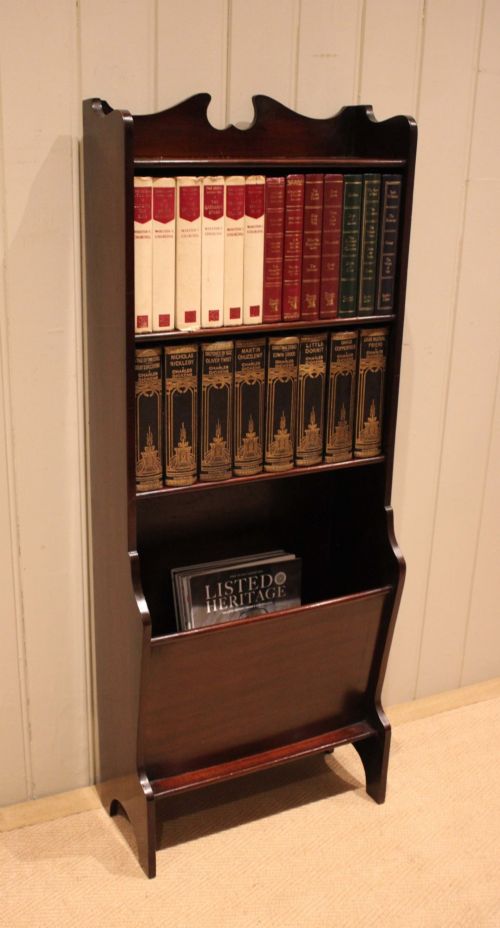
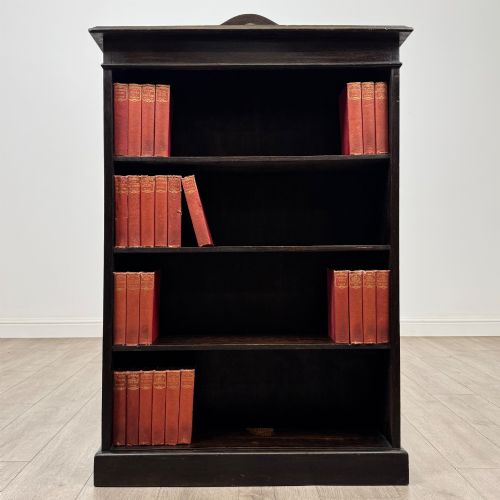
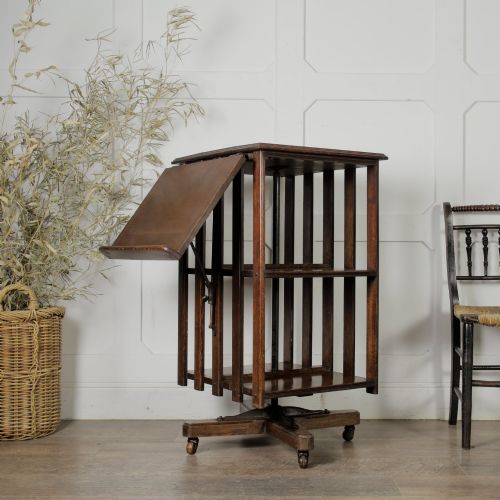
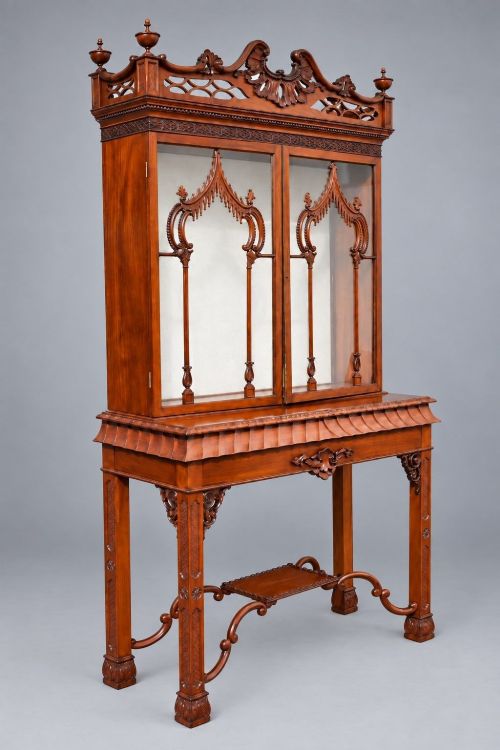
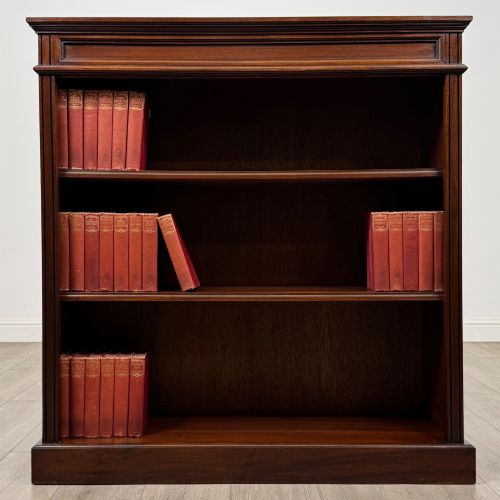
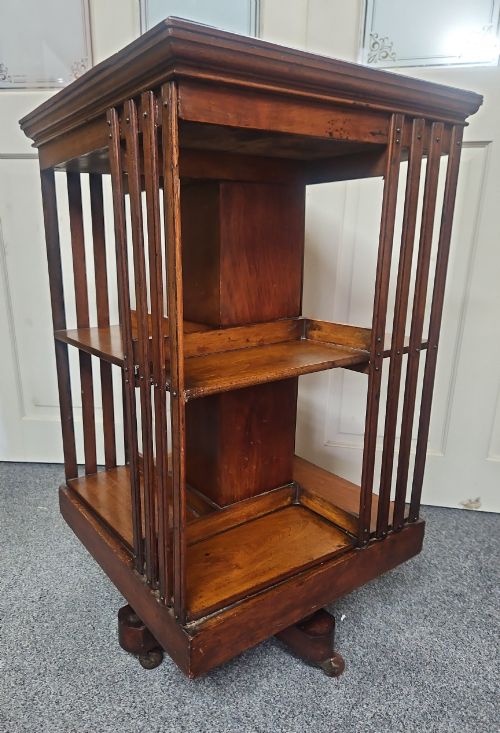
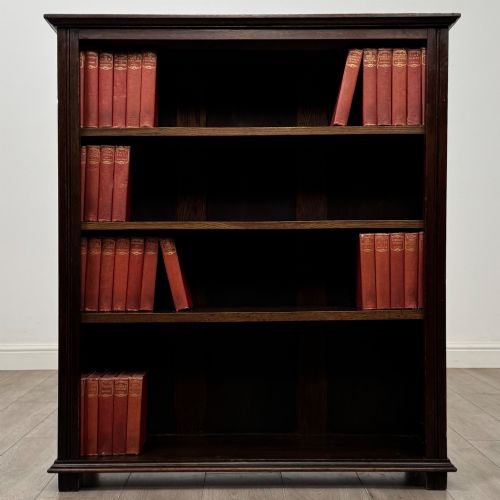
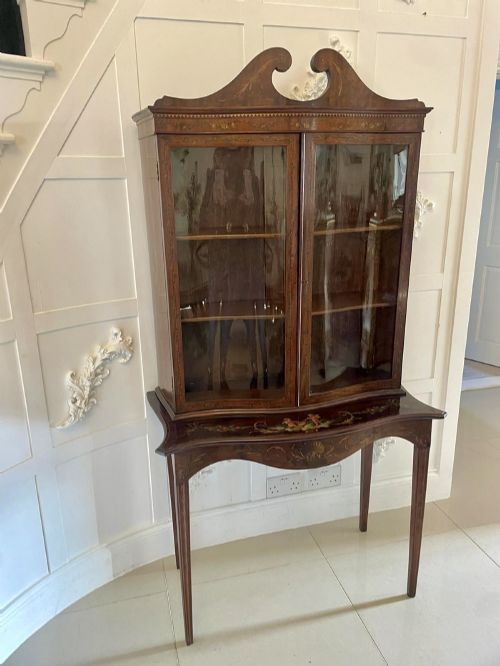
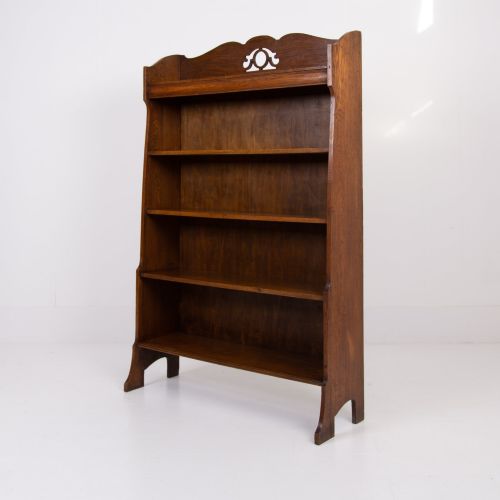
An edwardian standing bookcase is a freestanding piece designed for domestic libraries and parlours, typically appearing in mahogany or oak. The form ranges from open shelf variations to glazed cabinets and revolving designs intended for floor placement.
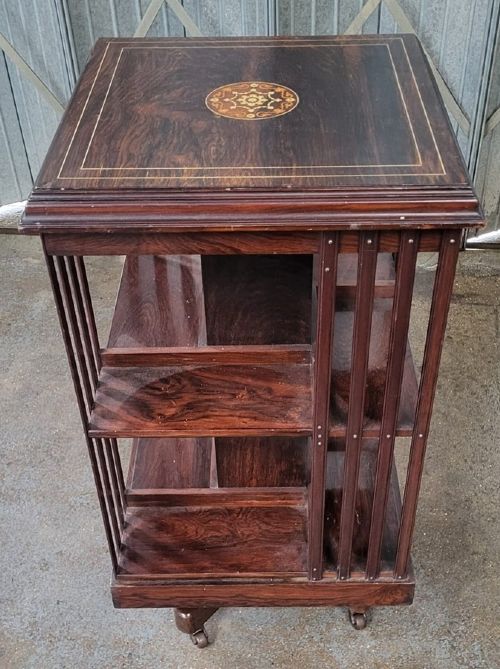
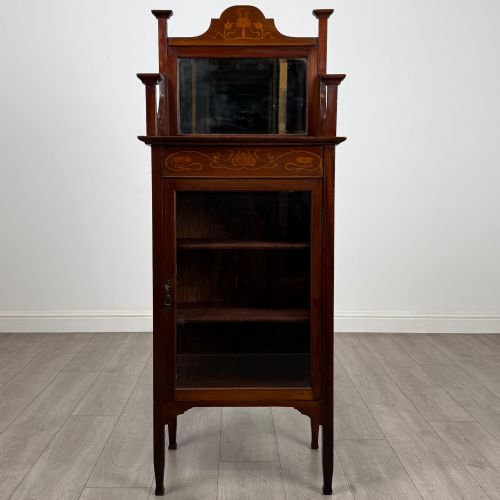
Makers of the period produced both simple utility pieces in solid oak and highly decorative versions incorporating satinwood inlay, boxwood stringing, and marquetry. These pieces stand independently against a wall rather than fitting into fitted architectural joinery.
The selection includes glazed models with astragal bars and open variations with fixed or adjustable shelving. Most examples date from the Edwardian period up to around nineteen ten, reflecting the domestic tastes of the early twentieth century.
Materials and Construction
Cabinet makers utilised dense hardwoods such as mahogany, walnut, and oak for the primary carcases, often selecting lighter timbers like satinwood and boxwood for decorative inlays. Glass panels were integrated into door frames to protect volumes from dust while maintaining visibility.
Hardware typically included brass hinges, handles, and occasional revolving mechanisms designed to bear heavy loads of books. Interior elements incorporated fabric linings in specific display cabinets alongside adjustable wooden shelf supports.
Retail Price Guide 2026
Typical UK retail prices for edwardian standing bookcase, calculated from the Sellingantiques database of over a million retail prices indexed since 2003. This retail price guide relies exclusively on Sellingantiques data; no external sources or auction records are used, so the figures do not describe the wider market.
The recorded inventory spans mahogany, oak, walnut, and satinwood inlay, demonstrating the period's preference for both dark hardwoods and lighter decorative accents.
Markers of Distinction
The distinction between standard utility furniture and superior examples lies in the complexity of the timber preparation and inlay work. Pieces featuring precise marquetry, balanced satinwood banding, and documented maker attribution command greater attention than plain functional carcases.
Joinery execution defines the structural integrity, visible in the tightness of the mitres on astragal glazed doors and the smooth operation of adjustable shelving tracks or revolving wooden bases. Timber selection also dictates visual depth, particularly in figured mahogany and quarter-sawn oak.
Muirhead Moffat Glasgow·Laverton of Bristol·Edward and Roberts
The Edwardian Standing Bookcase Glossary
- Astragal
- The narrow wooden moulding used to divide glass panes within a cabinet door. It creates a refined grid pattern across the front of glazed bookcases.
- Marquetry
- Decorative veneer work arranged in pictorial or geometric patterns on the wood surface. Craftsmen used contrasting timbers to create detailed floral or scroll motifs.
- Satinwood inlay
- A contrasting pale yellow wood inserted into recesses in darker cabinet timber. This technique outlines panels and cornices to add visual definition.
- Bowfronted
- A curved cabinet front that swells outward in the centre. This shape requires advanced woodworking skill to form the structural carcase and matching doors.
Frequently Asked Questions
Are these bookcases suitable for heavy books?
Most freestanding examples in oak and mahogany were built to hold substantial libraries of hardcover volumes. Solid wood construction and sturdy internal shelving support daily domestic use.
However, open variants with adjustable wooden shelves require proper alignment to prevent sagging under concentrated weight. Heavier sets sit best on the lower fixed tiers.
How do I care for inlaid wood?
Polished mahogany and satinwood inlay require gentle dusting with a soft, dry cloth to prevent surface scratching. Natural beeswax applied occasionally maintains the lustre of the finish.
Keep these cabinets away from direct sunlight and radiators to prevent the dry air from cracking the thin inlay veneers. Stable room temperatures protect both timber and glue joints.
Did Edwardian bookcases have glass doors?
Many examples featured glazed doors to protect prized volumes from household dust and soot from coal fires. These often utilised wooden astragal bars to segment the glass.
Open shelf versions without doors were equally common for everyday working libraries. The choice depended on whether the owner wished to display or protect their collection.
What is a revolving bookcase?
A revolving bookcase is a compact, floor-standing unit built on a rotating wooden base. It allows multiple tiers of books to spin freely for easy selection in a study.
These pieces were particularly popular in the Edwardian period for placing beside armchairs or desks. They combined space-saving storage with smooth mechanical action.