










Antique Haberdashery Counter
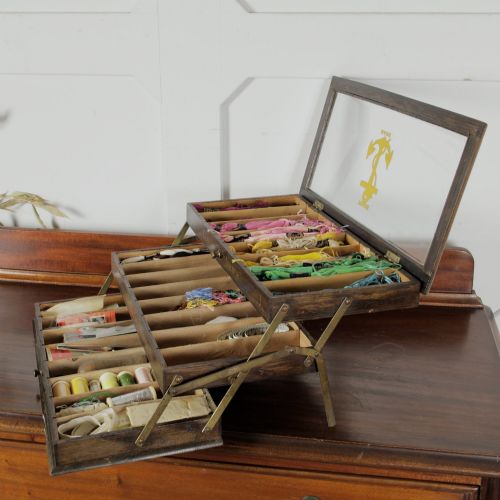
An antique haberdashery counter brings practical display space and utilitarian charm into a room, offering deep drawers or glazed compartments built for trade.
Antique Haberdashery Counter
An antique haberdashery counter serves as a functional retail fixture designed to showcase and organise small dry goods, ribbons, and textiles. When searching for this form, buyers encounter substantial oak or mahogany display units alongside multi-drawer pine shop fittings.
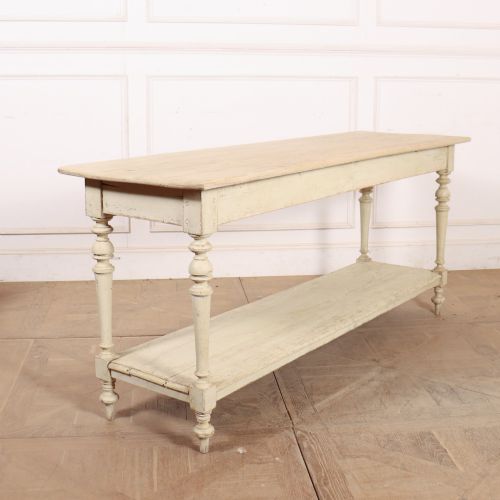
The inventory ranges from long countertop cases and drapers tables to large banks of drawers originating from the nineteenth and early twentieth centuries. Pieces associated with drapers, sewing cottons, and general mercantile trade dominate the selection.
Commercial furniture from this category bridges industrial utility and domestic interior design, often retaining original painted finishes or polished timber surfaces.
How they were made
Carpenters constructed these commercial counters primarily using durable hardwoods like mahogany and oak, alongside utilitarian pine for internal drawer carcasses. Glazed panels allowed customers to inspect contents while keeping delicate textiles protected from handling.
Metal components such as brass handles, chrome trim, and cast iron supports added structural resilience to high-traffic retail fittings. Many pine pieces received layers of paint designed to withstand daily scrubbing in busy shops.
Antique Haberdashery Counter Retail Price Guide 2026
Typical asking prices for haberdashery counter among the pieces listed under this phrase on Sellingantiques today, from the lower quarter to the upper quarter. They describe what is for sale here now, not the wider market.
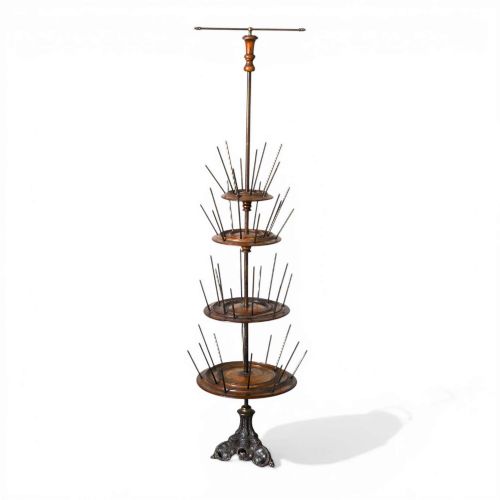
Some cotton reel display trees rotated to let Victorian shoppers spin through threads like a merry-go-round.
What varies in quality
The standard of timber selection and joinery marks the difference between standard utilitarian shop fittings and high-end commissioned retail furniture. Finer examples display figured mahogany veneers, curved bow-end glass, and sophisticated internal layouts.
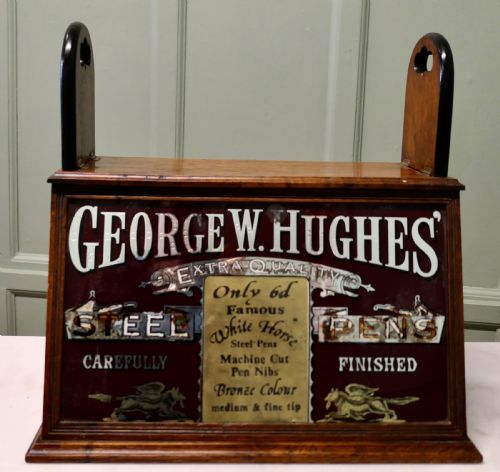
Originality of glass, hardware, and painted surfaces determines the integrity of a piece. Counters retaining their maker badges or specialised branded glazing panels hold greater documentary interest for collectors.
F. Sage & Co·Dudley & Co·John Stow Ltd
The Antique Haberdashery Counter Glossary
- Bank of drawers
- A large chest containing numerous shallow drawers traditionally used for sorting haberdashery items or apothecary stock. These units maximise storage capacity in a compact footprint.
- Vitrine
- A glass-fronted display cabinet used for exhibiting goods or collections. In commercial settings, these protect textiles and small merchandise from dust.
- Shop fitting
- Fixtures and furniture built specifically for commercial retail environments. They reflect the practical demands of nineteenth and early twentieth-century trade.
- Drapers table
- A long wooden table utilised by cloth merchants to measure and cut fabric for customers. They often feature sturdy timber construction and minimal ornamentation.
Antique Haberdashery Counter: Frequently Asked Questions
What is an antique haberdashery counter?
An antique haberdashery counter is a heavy-duty commercial shop fitting designed for storing and displaying sewing accessories, ribbons, and textiles. They typically feature banks of shallow drawers or glazed display compartments built into a timber frame.
Originally utilised in nineteenth and early twentieth-century drapery shops, these counters now function as statement kitchen islands, storage buffets, or retail display units in domestic and commercial interiors.
How do I clean an old wooden counter?
Clean antique wood surfaces using a soft, dry cloth to remove dust, avoiding harsh chemical sprays that strip historic finishes. Apply a quality beeswax polish sparingly to nourish dry timber and maintain a natural sheen.
For painted pine pieces, gentle wiping with a damp cloth prevents damage to original distressed paintwork. Keep the furniture away from direct heat sources and strong sunlight to prevent timber splitting.
Can I use these counters in a kitchen?
These counters adapt well to modern kitchens, providing generous surface space for food preparation and deep drawers for utensil storage. Their robust construction suits daily domestic use.
Consider the height and depth of the piece before placement, as commercial shop counters are often longer and deeper than standard domestic cabinetry. Ensure adequate clearance for walkways around the unit.
How do I identify the period of a counter?
Dating relies on examining construction techniques, timber choices, and hardware styles across Victorian, Edwardian, and 1930s eras. Early pieces often feature hand-cut dovetails and solid mahogany, while later twentieth-century examples incorporate chrome or aluminium trim.
Maker plaques, patent stamps on glass, and regional retail styles also help establish an approximate decade of manufacture. Comparing the drawer configuration to known trade catalogues offers further confirmation.