

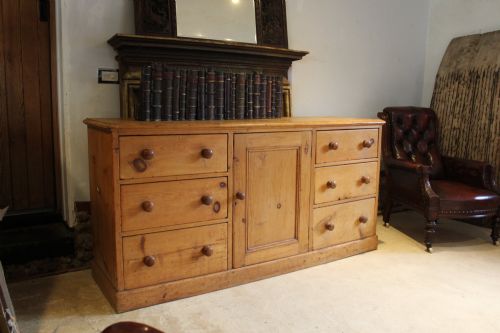
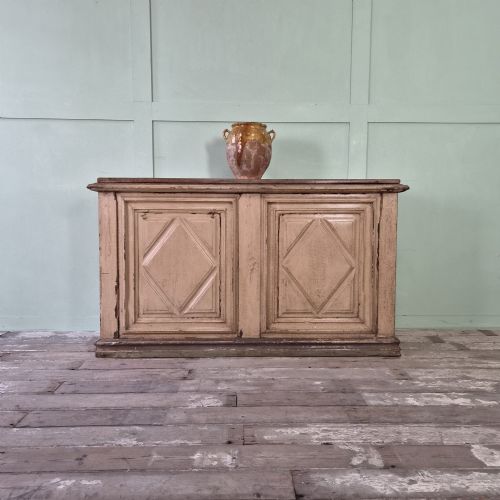
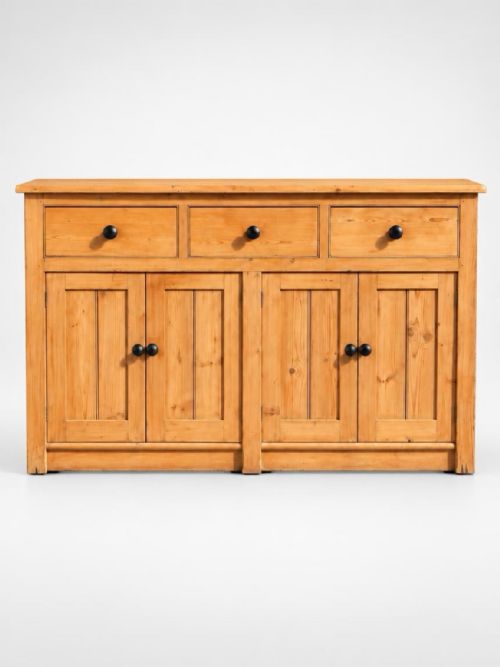
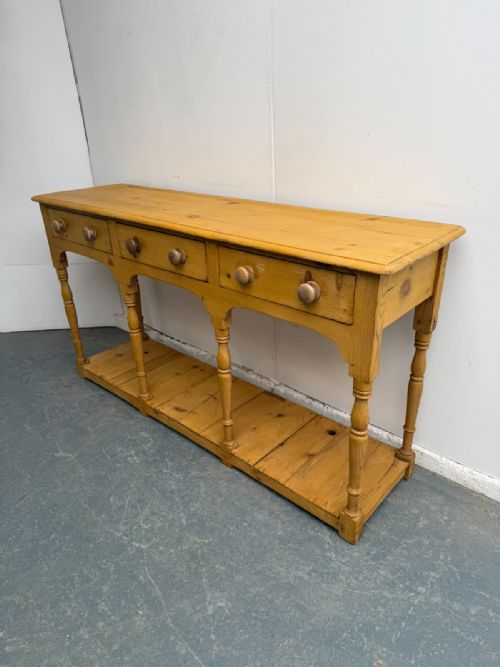

Rustic Pine Credenza
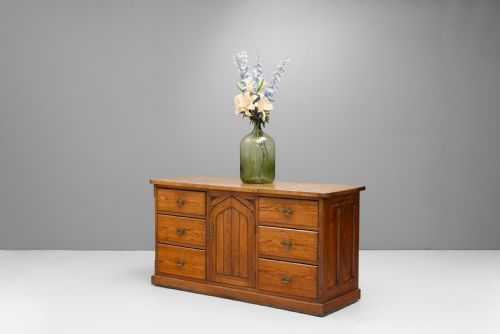
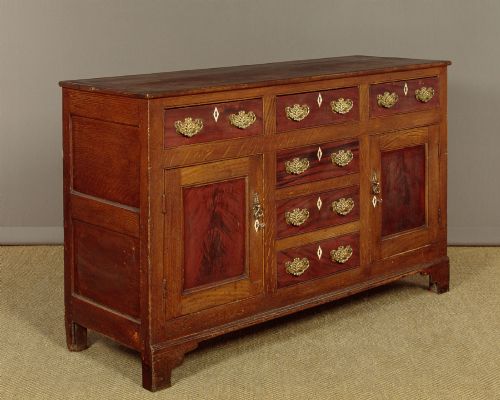
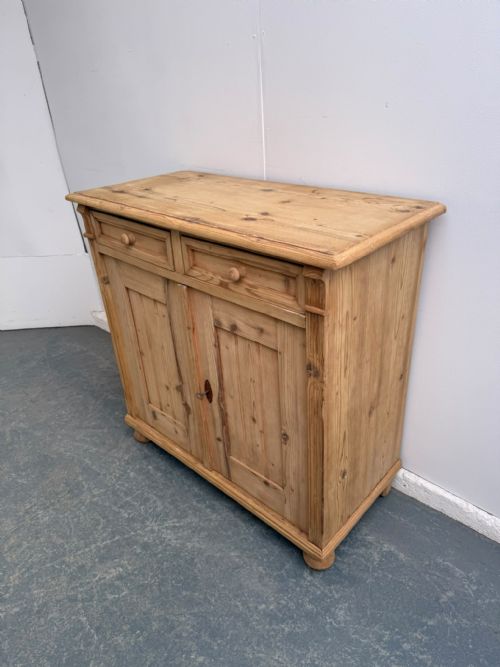
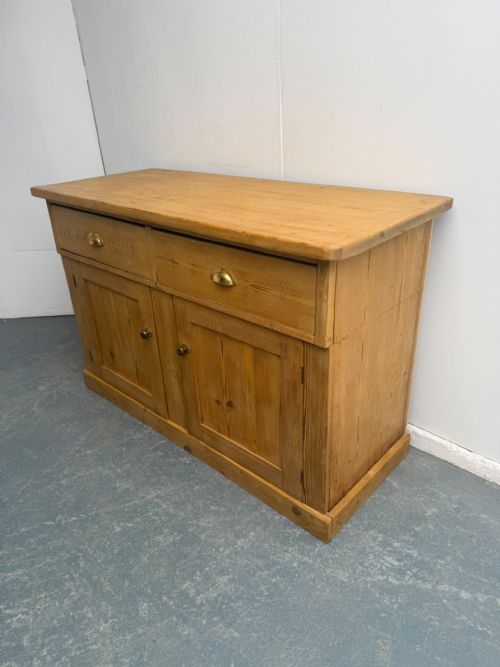
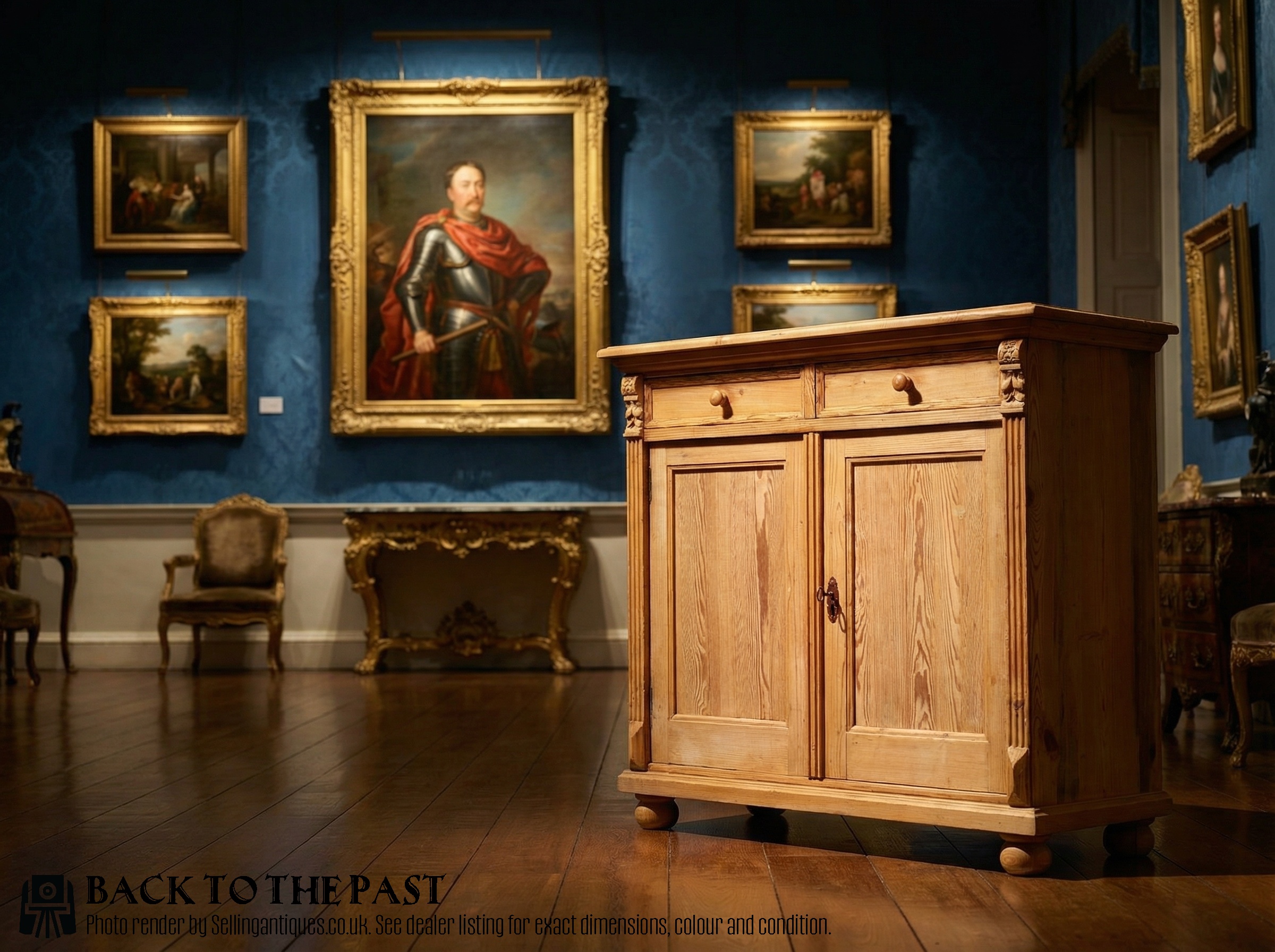
A rustic pine credenza brings robust utility and honest charm to domestic spaces, drawing on centuries of vernacular cabinet-making.
Rustic Pine Credenza
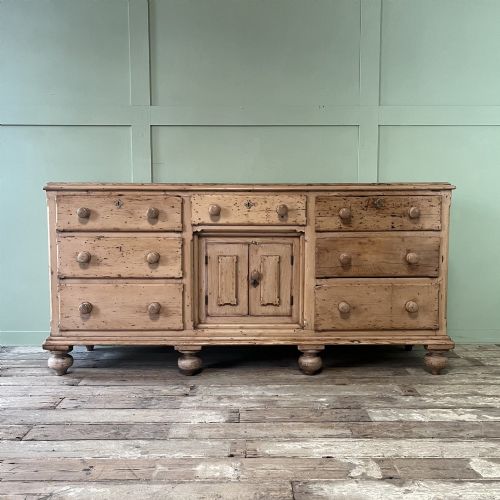
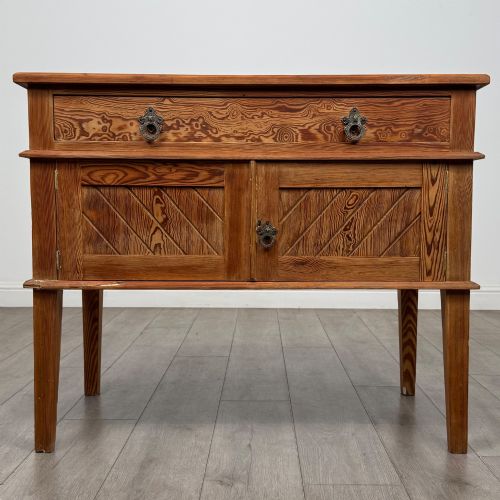
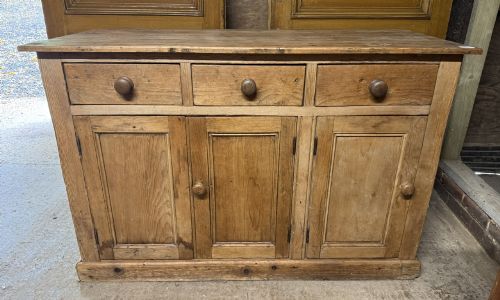
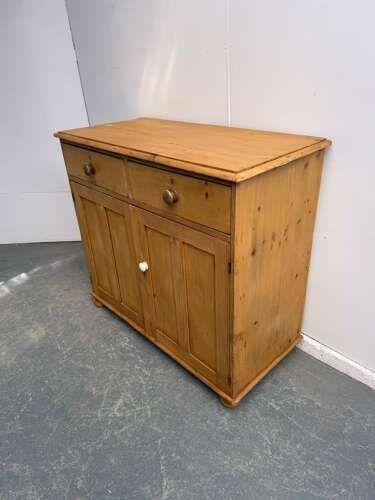
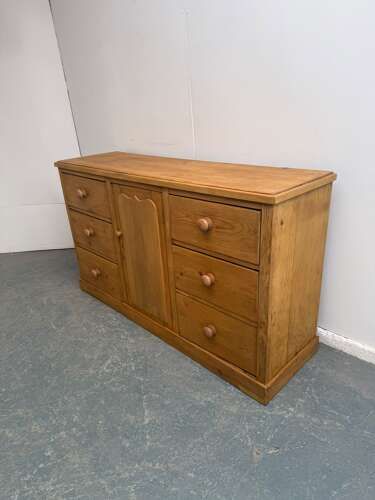
Originating from English, Scottish, Scandinavian, and Hungarian workshops, these items reflect regional vernacular furniture making. Forms range from low wide storage cupboards and potboard dresser bases to monumental country house sideboards and bread slide dresser bases.
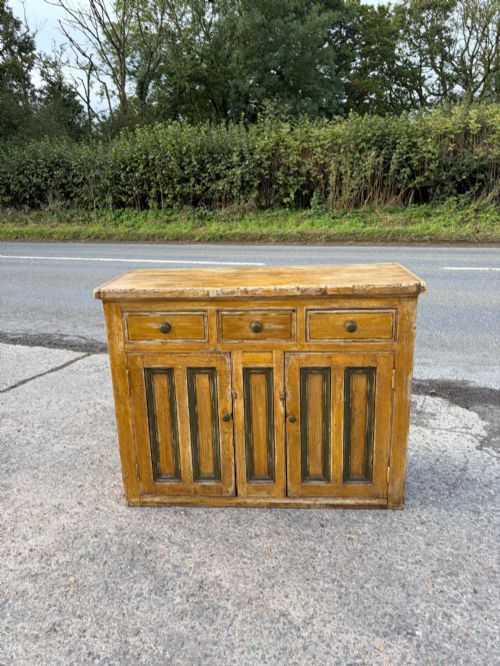
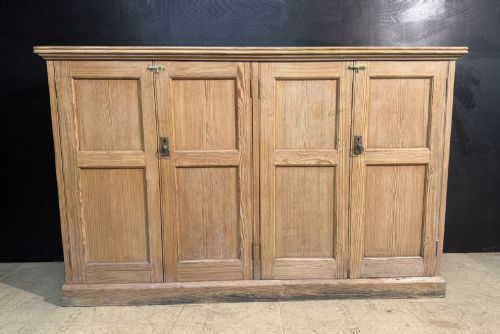
The aesthetic leans towards functional simplicity, whether retaining waxed timber surfaces or original scraped paint finishes. Buyers find pieces suited to country house, farmhouse, and cottage interiors where practical storage meets rustic character.
Materials and construction methods
Makers utilised pine as the primary timber, occasionally selecting pitch pine for enhanced durability in heavy-use environments such as dairies and kitchens. Surfaces were either left bare for waxing or finished with layers of paint, which often survives in original or scraped states.
Construction relied on traditional joinery techniques suited to sturdy cabinetry, incorporating functional hardware in brass, iron, and metal. Structural elements like potboards, bread slides, and panelled doors reflect the practical demands placed on kitchen and dining furniture.
Rustic Pine Credenza Retail Price Guide 2026
Typical asking prices for rustic pine credenza among the pieces listed under this phrase on Sellingantiques today, from the lower quarter to the upper quarter. They describe what is for sale here now, not the wider market.
Listings span the 18th, 19th, and early 20th centuries, predominantly featuring pine, paint, and brass across various regional country styles.
Assessing quality and character
Quality rests in the integrity of the original construction and the preservation of authentic surface treatments, such as untouched painted finishes or deep patinated wax. Pieces that retain their original proportions, hardware, and structural elements command greater appreciation among collectors.
The distinction between standard utility items and superior examples lies in regional detailing, such as carved floral motifs, breakfront configurations, or specialised internal fittings like bread slides and potboards. Timber selection also plays a role, with denser pitch pine or mature deal yielding superior grain and weight.
The Rustic Pine Credenza Glossary
- Dresser base
- The lower section of a traditional kitchen dresser, typically featuring a combination of drawers and cupboards beneath a flat top.
- Potboard
- An open slatted lower shelf fitted between the legs of a dresser base, traditionally used for storing pots and heavy kitchenware.
- Bread slide
- A pull-out wooden shelf integrated into the upper cabinetry of a dresser base, historically used for cooling or preparing bread.
- Scraped paint
- A conservation technique where later coats of paint are carefully removed to reveal the original historical finish beneath.
- Chiffonier
- A compact sideboard or low cabinet popular in the 19th century, typically featuring enclosed storage beneath a shelf or drawer.
Rustic Pine Credenza: Frequently Asked Questions
What is a rustic pine credenza used for?
These versatile pieces serve primarily as storage units in kitchens, dining rooms, and hallways. Their flat tops and deep cupboards accommodate tableware, linens, and everyday household items while adding traditional character to a room.
Historically built for hardworking domestic spaces like dairies and country houses, they transition easily into modern homes as sideboards, media units, or statement storage furniture.
How do I care for a waxed pine finish?
Maintain waxed pine surfaces by regularly dusting with a soft, dry cloth and applying a traditional beeswax polish when the timber begins to look dry. Avoid placing these items in direct sunlight or near heat sources to prevent the wood from drying out or splitting.
Promptly wipe away moisture to protect the wax barrier, allowing the pine to develop a richer patina over years of continued use.
How can I tell the age of a pine cupboard?
Dating relies on construction methods, timber characteristics, and hardware style, with 19th-century and Victorian examples showing hand-cut joints and period fixings. Earlier pieces from the Georgian and 18th century often exhibit distinct regional vernacular traits and heavier timber scantlings.
Examining the backboards, drawer construction, and nail types provides reliable clues to the period of manufacture.