

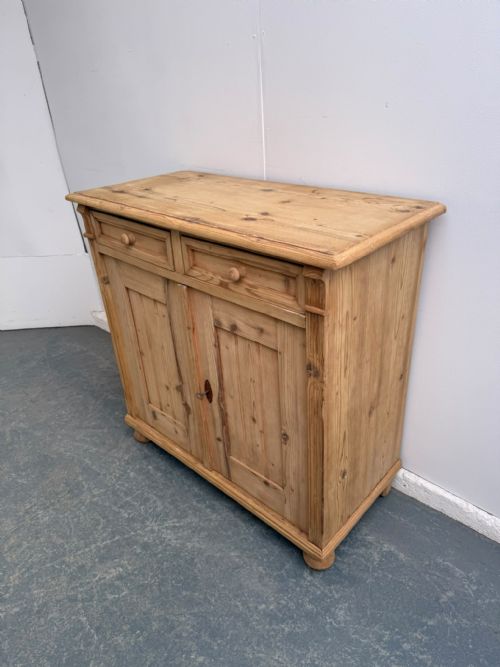
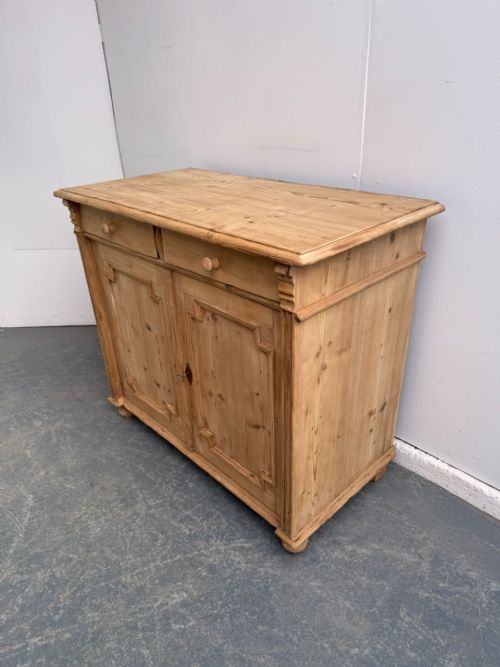
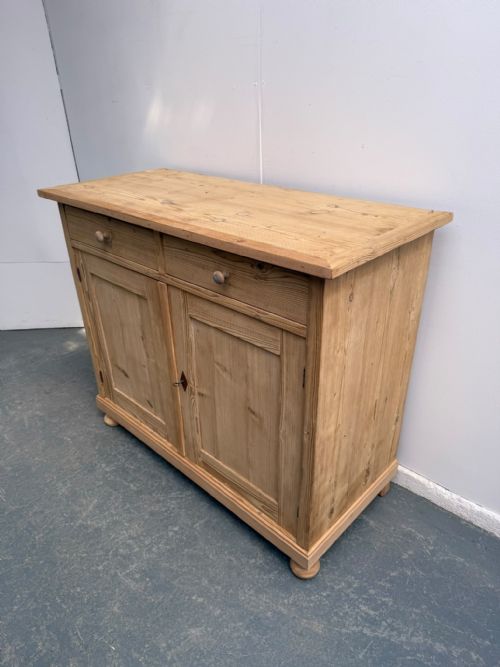
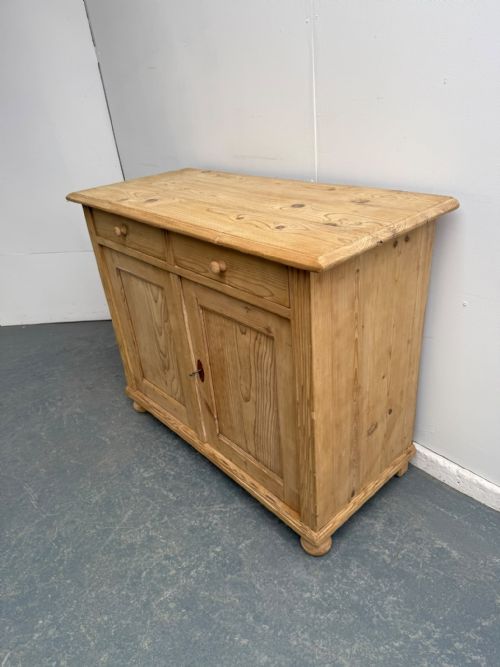
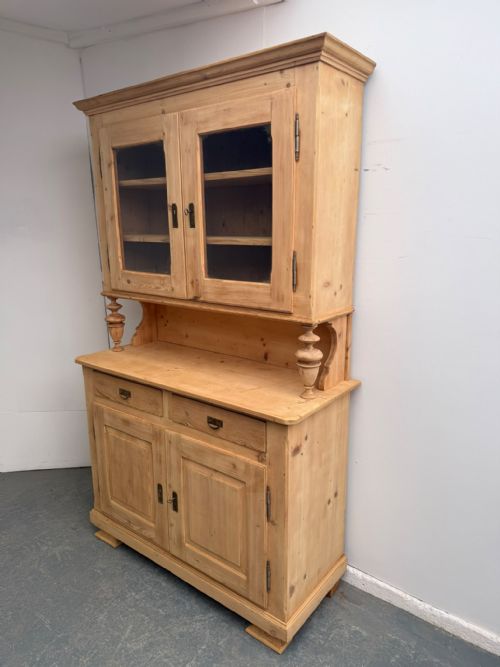


Stripped Pine Sideboard
Stripped pine sideboards are utilitarian kitchen and dining pieces stripped back to bare timber, offering honest storage with the warm grain of Victorian and Georgian daily workhorses.
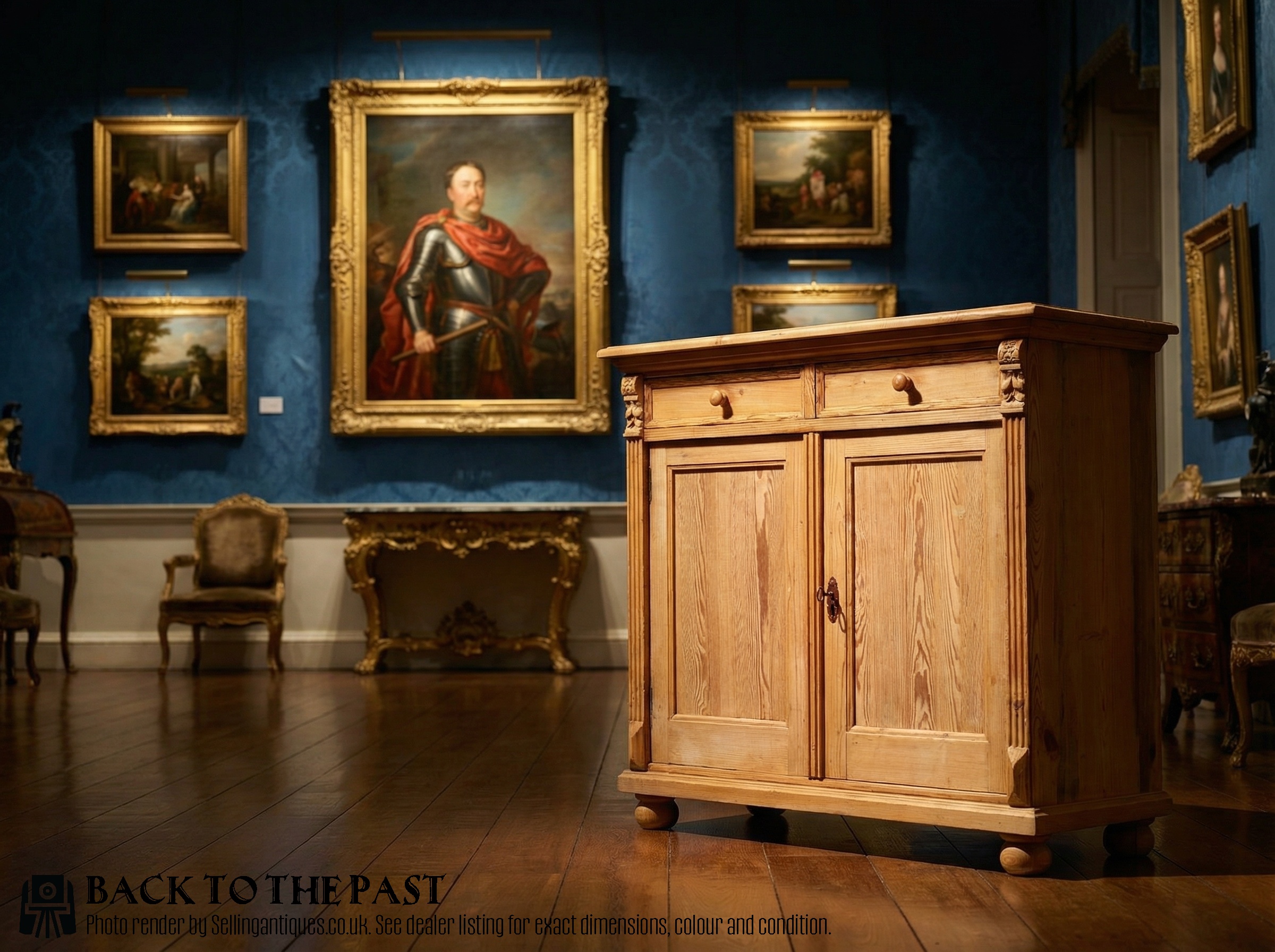
Stripped Pine Sideboard
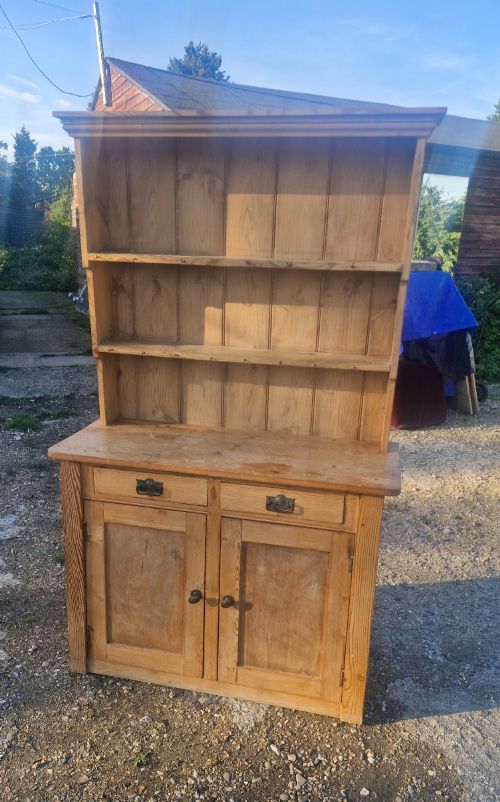
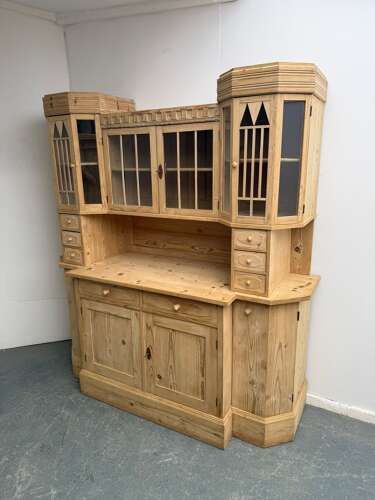
A stripped pine sideboard is a heavy functional base or dresser designed for domestic storage in kitchens and country dining rooms. The pieces appearing here span the Georgian, Victorian, and early twentieth-century periods, capturing vernacular British and French country styles.
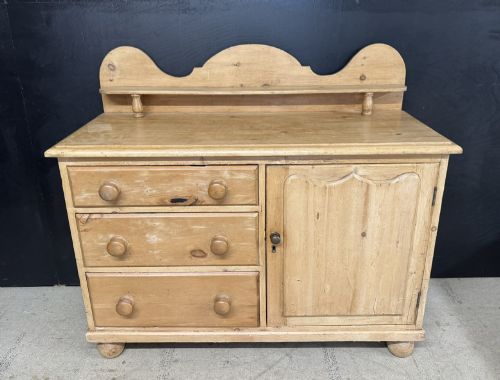
Most examples on this page take the form of dresser bases, low cupboards, or chiffonier bases fitted with combinations of panelled doors and drawers. These items served as working furniture in sculleries and pantries before being stripped of later paint to expose the underlying softwood.
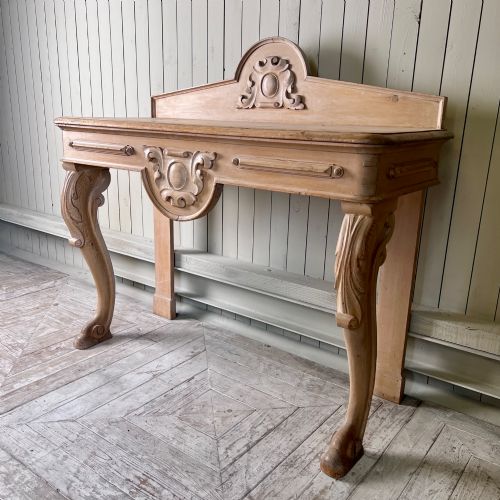
Makers built these items for utility rather than formal display, resulting in sturdy proportions and unpretentious timber construction. The selection includes shallow sideboards, wide storage cupboards, and console formats suited to modern hallways and dining spaces.
How they were made
Construction relies primarily on solid pine timbers, selected for availability and strength in domestic utility furniture. Workshops joined panels using traditional methods to withstand daily kitchen use.
Iron, brass, and ceramic hardware such as handles, hinges, and occasional tile inserts complete the functional design. Many surfaces retain the dry finish of bare wood following the removal of historic paint layers.
Stripped Pine Sideboard Retail Price Guide 2026
Typical asking prices for stripped pine sideboard among the pieces listed under this phrase on Sellingantiques today, from the lower quarter to the upper quarter. They describe what is for sale here now, not the wider market.
Several listings include integrated bread slides, reminding us of days when household loaves cooled right inside the kitchen sideboard.
What varies in quality
Quality in these utility pieces depends on the proportion of the timber and the integrity of the original joints and framing. Better examples maintain straight drawer runners and sound carcass construction without excessive timber replacement.
The refinement of the stripping process also dictates visual appeal, separating surfaces that retain a rich grain texture from those stripped too harshly. Retained original brass or iron hardware adds distinction to superior specimens.
The Stripped Pine Sideboard Glossary
- Dresser base
- The lower section of a kitchen dresser featuring cupboards and drawers beneath a solid top. This form serves as the primary storage sideboard in country settings.
- Chiffonier
- A low sideboard cabinet developed in the nineteenth century, often featuring enclosed shelving beneath the main surface. These compact pieces suit smaller dining areas.
- Bread slide
- A pull-out wooden tray integrated into the cabinetry of a dresser base. Bakers utilised these horizontal surfaces for cooling loaves.
- Softwood
- Timber derived from conifers such as pine, utilised widely for utilitarian country furniture due to its workability. Pine yields a characteristic pale grain when stripped.
- Arts and Crafts
- A design movement prioritising honest construction and plain materials, visible in several twentieth-century examples on this page. These items often feature simplified lines and exposed hardware.
Stripped Pine Sideboard: Frequently Asked Questions
What is a stripped pine sideboard?
A stripped pine sideboard is a practical storage cabinet or dresser base from the Georgian or Victorian eras that has had its historic paint removed to show the bare wood grain.
These utilitarian pieces originated in kitchens, sculleries, and pantries where durability mattered more than formal ornamentation.
How were these sideboards used originally?
Households used them to store heavy crockery, linens, and provisions in busy domestic kitchens and dining spaces.
The drawers and cupboards kept daily equipment close to hand while the timber top provided a sturdy work surface.
How do I care for stripped pine furniture?
Maintain the bare timber by applying clear beeswax or nourishing oils to protect the surface from moisture and stains.
Avoid placing these pieces near direct heat sources to prevent the pine from drying out or splitting over time.
How can I tell Victorian pine from Georgian pine?
Georgian pine furniture generally exhibits denser old-growth timber with finer grain patterns and hand-cut joinery details.
Victorian pieces tend to be heavier in scale, often incorporating machine-sawn components and standardised hardware.