




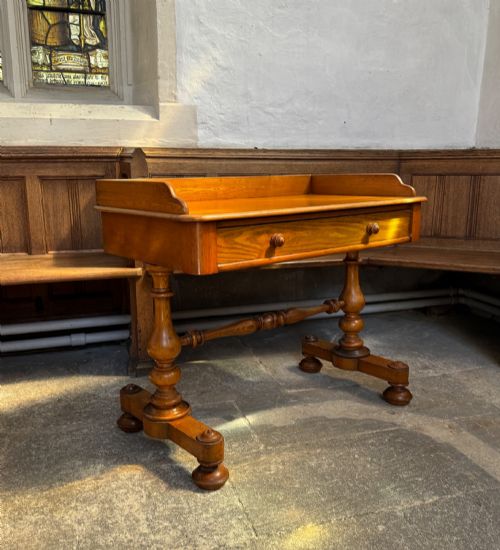
Antique Pine Server
An antique pine server provides sturdy, practical surface space and useful storage, bringing honest country character into a kitchen or dining room.
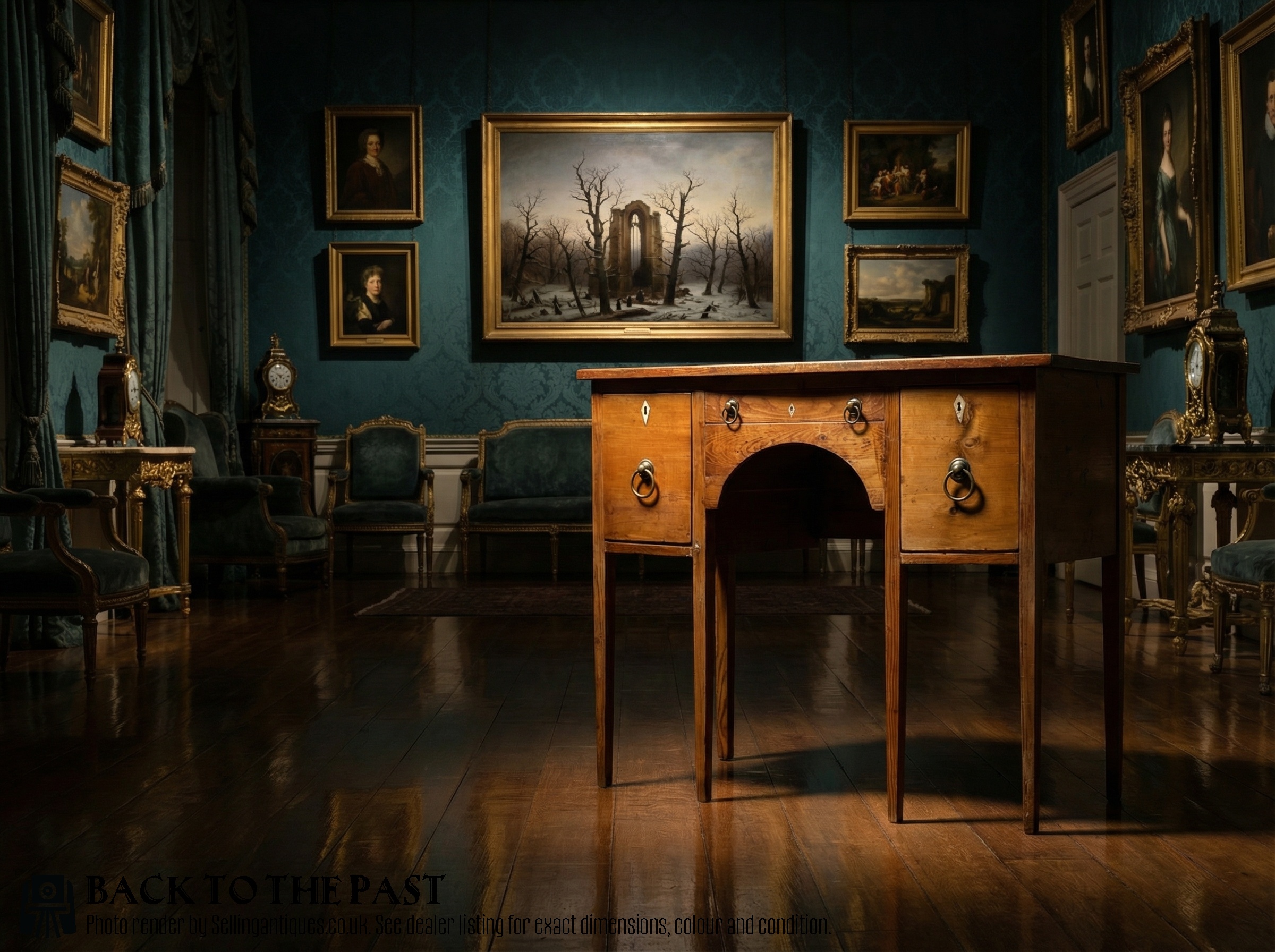
Antique Pine Server
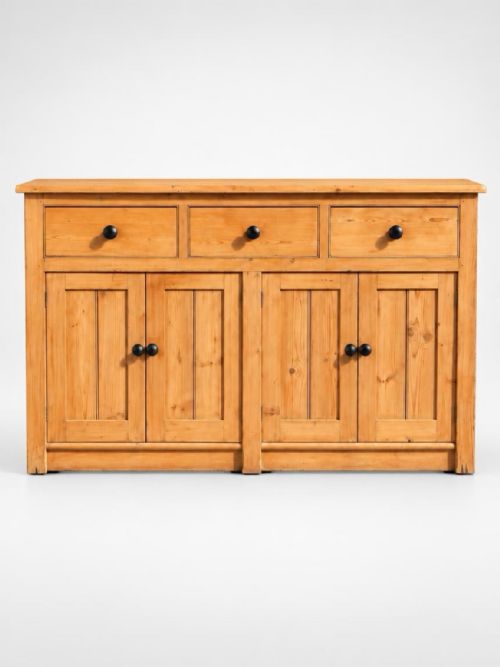
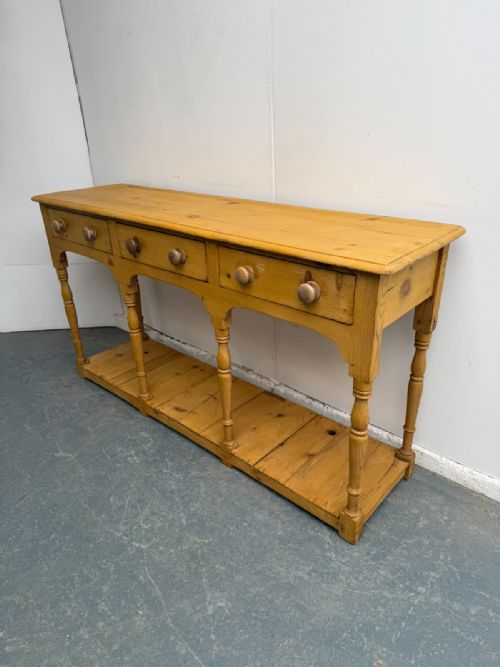
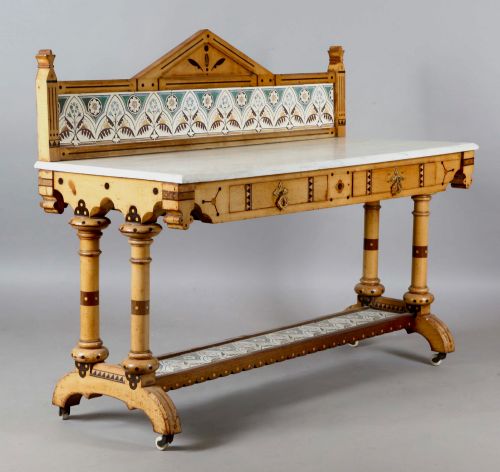
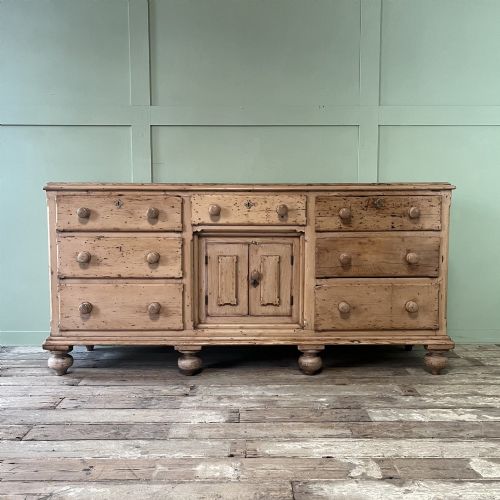
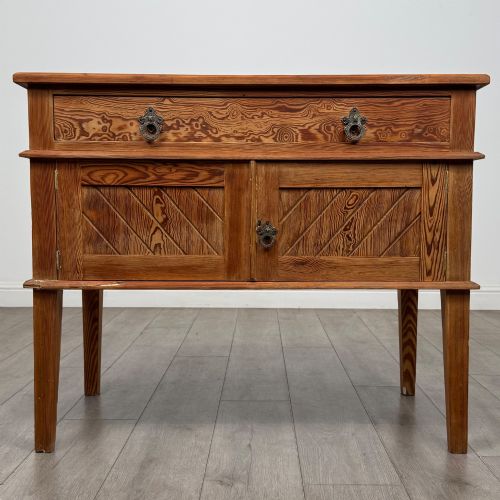
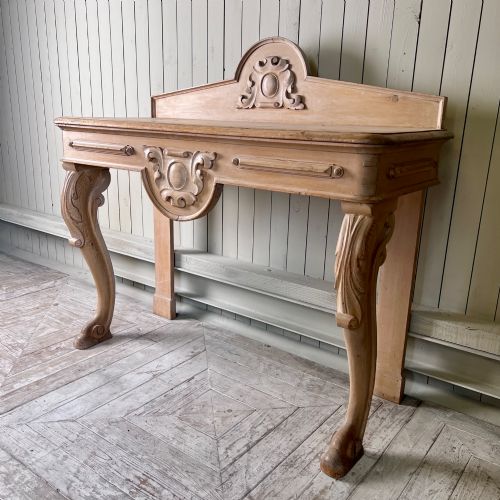
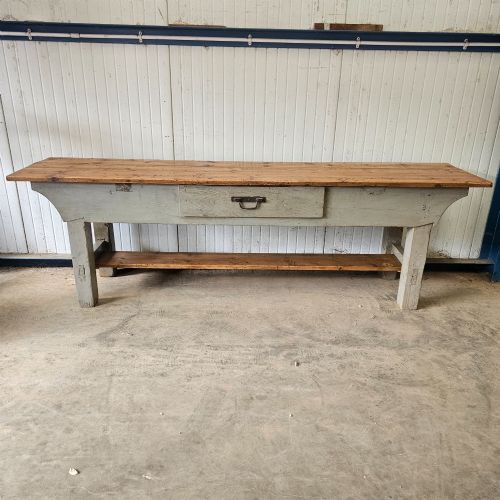
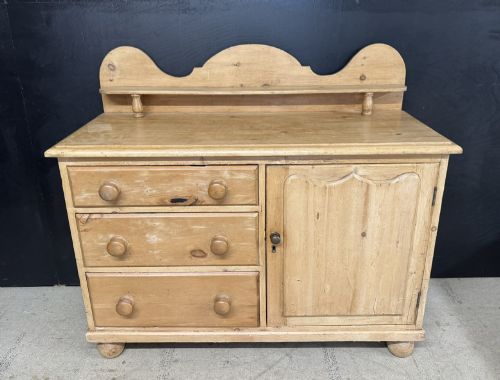
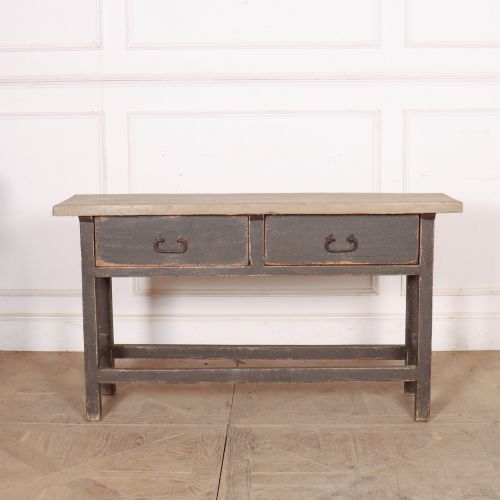
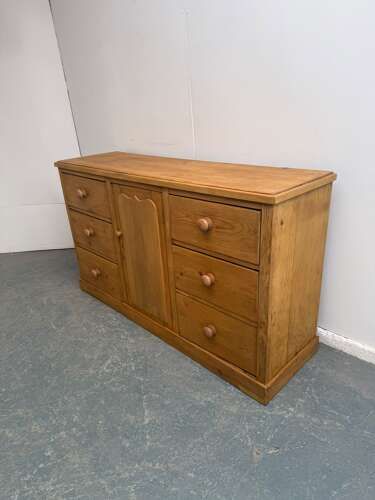
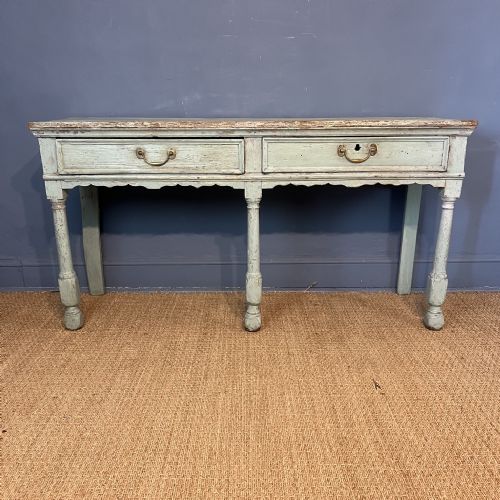
When you search for an antique pine server, you are looking at utilitarian tables, dresser bases, and sideboards designed for food preparation and storage in domestic kitchens, dairies, and shops. These items span the eighteenth, nineteenth, and early twentieth centuries, reflecting regional English, French, Hungarian, and Swedish rural traditions. They typically offer a long wooden top combined with drawers, cupboards, or open potboards underneath.
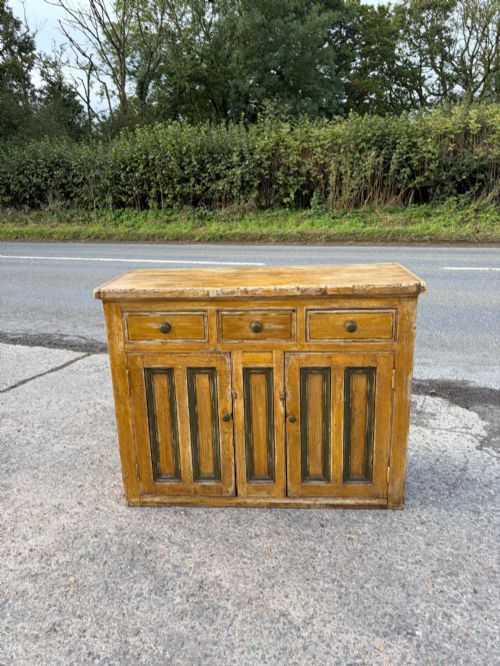
On this page, the version you are most likely to meet is the nineteenth-century Victorian pine dresser base or serving table. These pieces frequently feature a waxed finish or traces of original paint, ranging from simple English country models to more substantial two-door, two-drawer formats. They were built for daily domestic labour, meaning their forms prioritize durability and straightforward utility over delicate ornamentation.
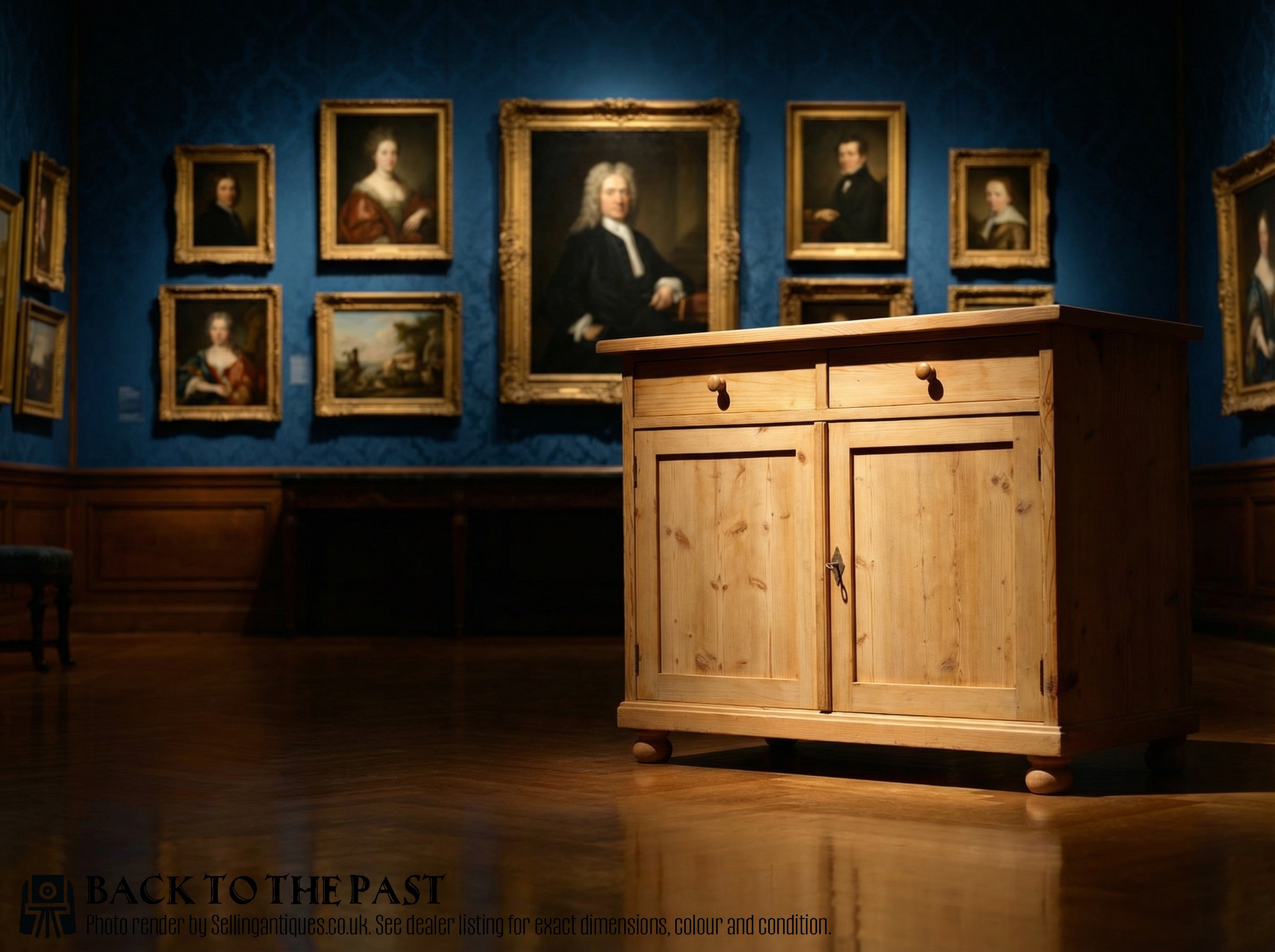
Materials and construction methods
Makers relied on native pine and denser pitch pine for the primary carcases, occasionally incorporating secondary hardwoods such as oak or sycamore for structural integrity or tabletops. Surfaces were either left as bare timber to be repeatedly scrubbed, finished with a traditional protective wax, or coated in layers of practical paint. Metal hardware, including iron handles and brass details, was kept functional and robust.
Joinery techniques on these servers focused on strength, utilising solid planks, pegged joints, and dovetailed drawer construction to withstand heavy daily use. Potboards and lower shelves were integrated to support heavy earthenware and provisions, while drawers were built deep to hold kitchen implements. Tool marks and surface variations remain visible, showing the straightforward hand-working methods of country joiners.
Antique Pine Server Retail Price Guide 2026
Typical asking prices for pine server among the pieces listed under this phrase on Sellingantiques today, from the lower quarter to the upper quarter. They describe what is for sale here now, not the wider market.
The selection includes regional styles from English country workshops, French provincial kitchens, and Hungarian rural homes.
Factors that define quality
Quality in these utility pieces rests upon the integrity of the original construction and the preservation of authentic surfaces. Examples that retain their original paint or possess a deep, honest patination from decades of scrubbing stand apart from those stripped down to raw modern timber. The balance of proportions, such as a well-judged height combined with deep drawers and a thick top plank, dictates the visual success of the piece.
The degree of structural unaltered state also separates standard utilitarian examples from finer regional variants. Items retaining their original brass or iron hardware, unblemished potboards, and tight joints reflect superior workshop origins. Conversely, excessive modern intervention or heavy timber replacement diminishes the historical integrity that collectors seek.
The Antique Pine Server Glossary
- Potboard
- An open lower shelf built into a dresser base or server specifically for storing heavy pots, pans, and everyday earthenware.
- Dresser base
- A low sideboard form featuring drawers and cupboards beneath a sturdy working surface, omitting the upper plate rack.
- Pitch pine
- A dense, resinous variety of pine timber known for its durability and strong grain pattern, frequently utilised in nineteenth-century utilitarian furniture.
- Dairy table
- A specialised working table constructed with thick pine or scrubbed sycamore tops, historically used in cool dairy rooms for cheese and milk preparation.
- Patina
- The deep sheen and surface character acquired by wood and paint over centuries of cleaning, handling, and exposure to light.
Antique Pine Server: Frequently Asked Questions
What is the difference between a server and a dresser base?
A server generally refers to a side table or serving piece designed for food presentation, while a dresser base specifically incorporates enclosed cupboards and drawers beneath the main top. Both terms often overlap in nineteenth-century country furniture.
In practical terms, buyers use either designation to find low storage furniture suited for dining rooms and kitchens.
How do I care for a waxed pine surface?
Waxed pine requires gentle maintenance using natural beeswax to feed the dry timber and protect against moisture. Avoid placing hot dishes directly onto the antique surface and wipe spills promptly.
Regular, light buffing maintains the soft lustre without building up excessive residue on the wood.
Were these pieces originally painted?
Many country servers and dresser bases received coats of protective paint or scrubbed finishes during their working lives, depending on regional workshop traditions. Original paint survivals show authentic historical colours like soft greens, greys, or dark tones.
Some examples were stripped to bare pine in later decades to suit changing decorative tastes.
Can I use an antique server in a modern kitchen?
These servers fit well into modern kitchen layouts, providing generous surface area for food preparation and substantial internal storage for kitchenware. Their solid construction easily handles daily domestic use.
When placed in contemporary spaces, their honest proportions and aged timber add warmth and historical contrast.