


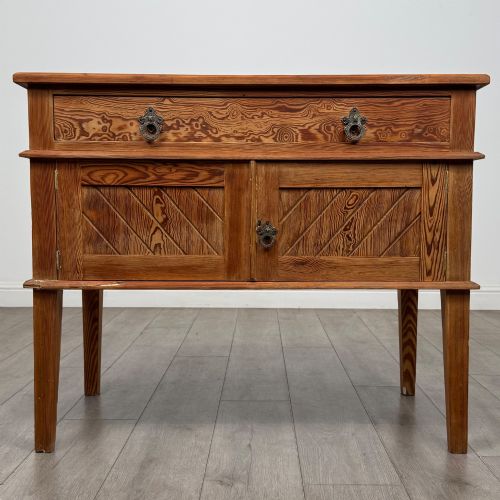
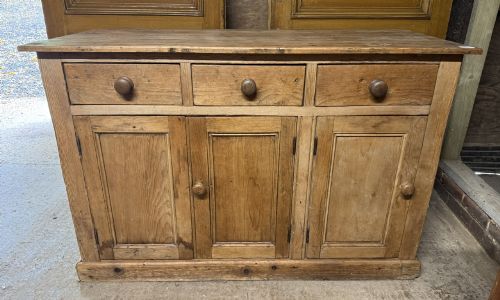

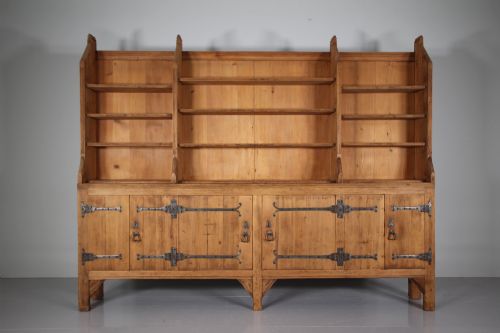
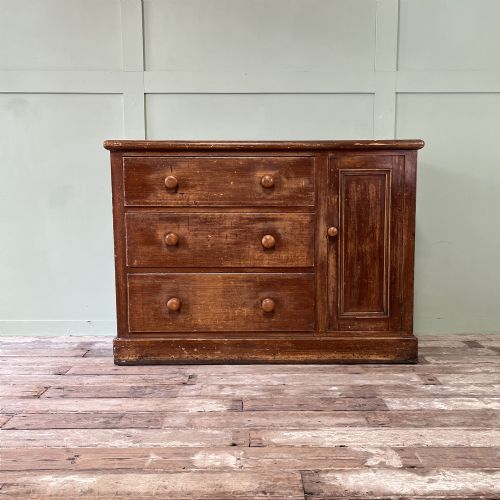
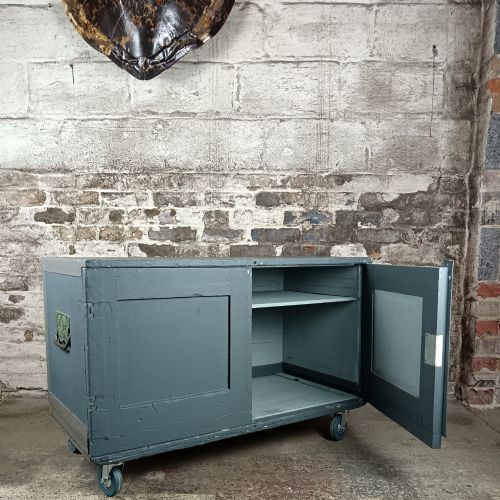
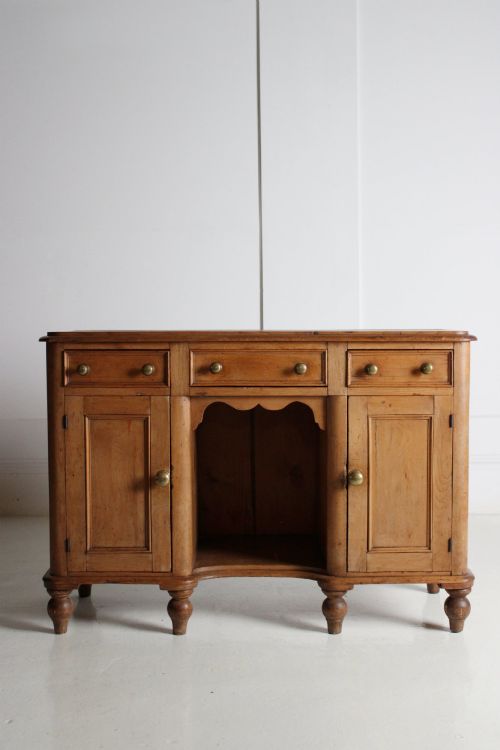
19th Century Pine Sideboard
These 19th century pine sideboard options bring practical storage and rustic charm to domestic spaces, offering sturdy utility shaped by regional craft traditions.
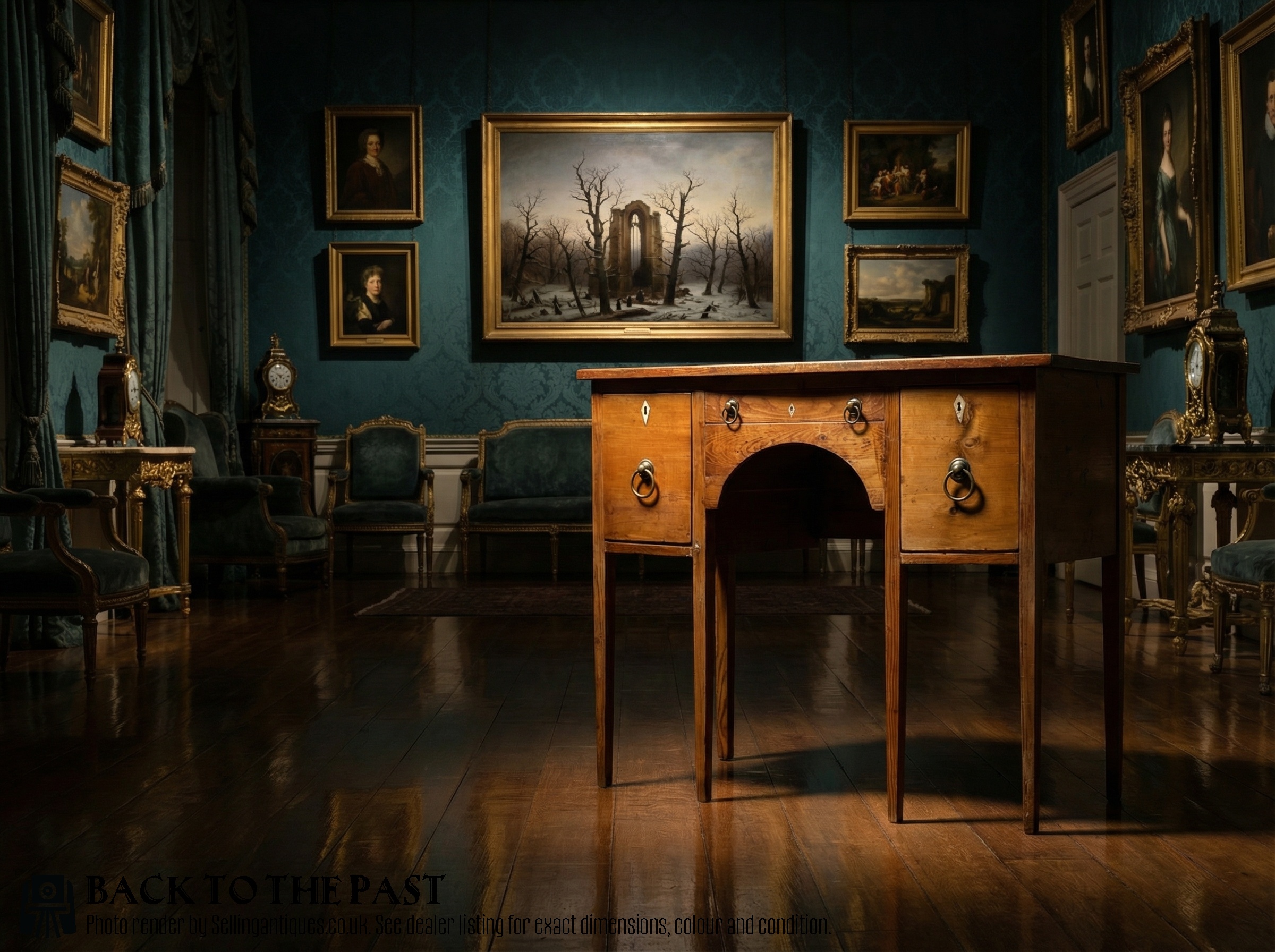
19th Century Pine Sideboard
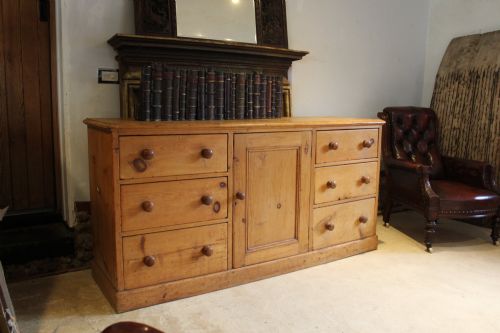
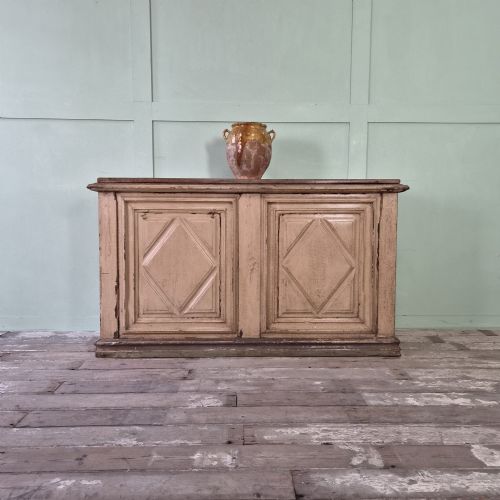
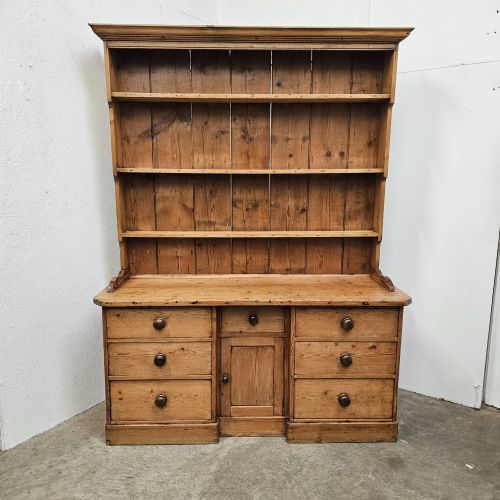
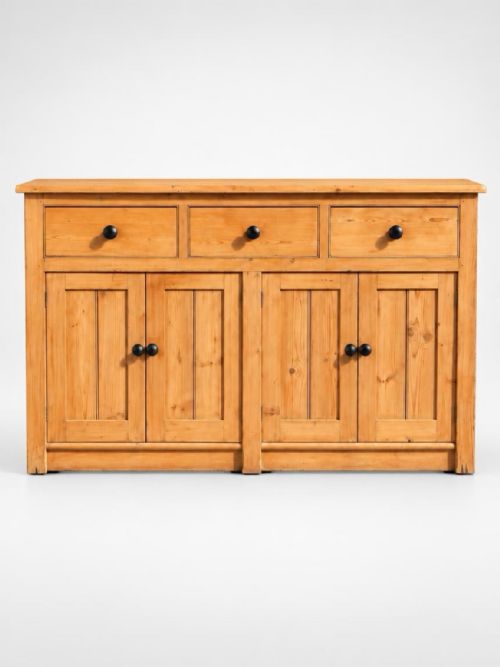
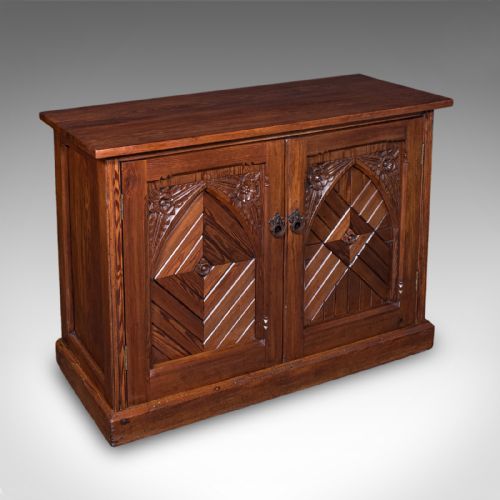
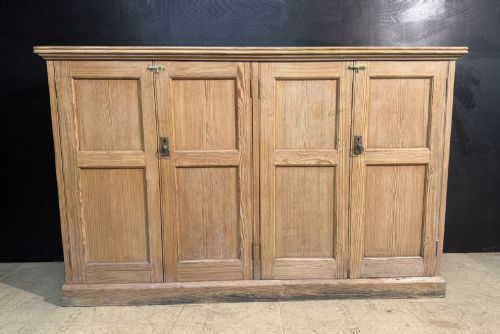
The selection spans vernacular pieces from Wales, England, Scotland, and Scandinavia, alongside formal Regency designs and Victorian examples. Many pieces combine drawers and enclosed cupboards to hold dining equipment or kitchen supplies.
How They Were Made
Joiners constructed these pieces using solid pine and pitch pine, occasionally pairing them with sycamore or incorporating iron and brass hardware for hinges, pulls, and campaign mounts. Construction methods rely on traditional pegged joints, panelled doors, and dovetailed drawer boxes built to withstand heavy daily use.
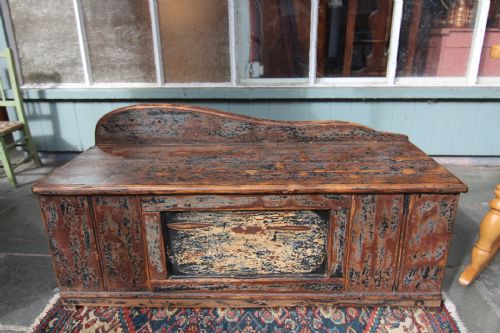
Surface treatments vary widely between natural waxed finishes, unpainted scrubbed surfaces, and original scraped paint or simulated rosewood finishes. Regional workshops applied milk paints, varnishes, or decorative brushwork that survived decades of domestic wear.
19th Century Pine Sideboard Retail Price Guide 2026
Typical asking prices for 19th century pine sideboard among the pieces listed under this phrase on Sellingantiques today, from the lower quarter to the upper quarter. They describe what is for sale here now, not the wider market.
Several dog kennel dresser bases include mysterious central arched cubbies designed specifically to house working farm dogs close to the hearth.
What Varies in Quality
The integrity of the original surface finish separates standard items from exceptional examples, with surviving original paint or untouched historic patina commanding greater interest. Alterations to hardware, replacement timber, or stripped surfaces change the historical character of a piece.
Proportion and structural retention also dictate standard, from utilitarian provincial items with heavy wear to finer Regency and Victorian pieces with delicate mouldings and balanced drawer configurations. The thickness of the original timber and the cleverness of vernacular joinery reveal the skill of the regional maker.
The 19th Century Pine Sideboard Glossary
- Potboard
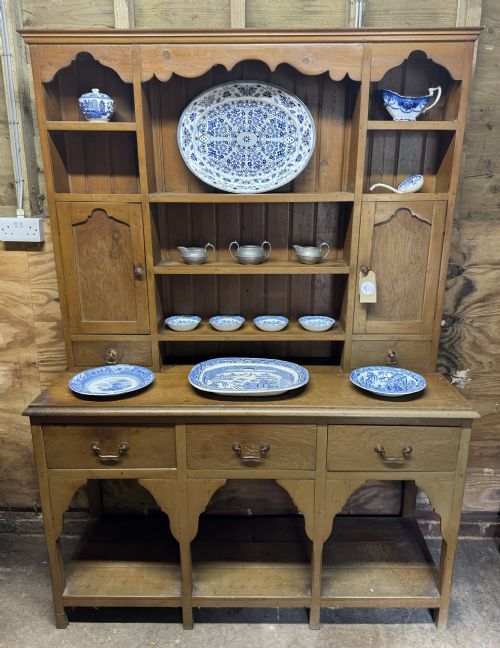
- An open slatted lower shelf fitted beneath a dresser base for storing pots and heavy domestic equipment. This lower tier defines many vernacular Welsh and English kitchen pieces.
- Dresser base
- A low cabinet featuring rows of drawers above cupboards, designed for food preparation and storage. These form the foundation of most rural dining rooms.
- Chiffonier
- A compact sideboard with enclosed cupboards beneath, popular during the Regency and Victorian periods. They often include decorative carving or mirrored backs.
- Pitch pine
- A dense, resinous softwood harvested from specific pine species, noted for its strong grain pattern and durability. It frequently appears in late Victorian utility furniture.
- Scraped paint
- A conservation method that reveals original layers of historic colour beneath later overcoats. This technique preserves the authentic visual history of provincial cupboards.
19th Century Pine Sideboard: Frequently Asked Questions
How do I clean a painted pine sideboard?
Dust the surface regularly with a dry soft cloth to prevent grime accumulation on historic finishes. Avoid modern chemical solvents that strip original milk paints or historic varnishes.
Test any mild cleaning solution on a hidden area before applying it across the entire cabinet. Preserving the dry surface texture maintains the character of the piece.
Where were these sideboards originally used?
Rural households, farmhouse kitchens, and provincial dairies utilised these robust storage items for daily provisions. Servants stored linens, crockery, and dry goods within the deep drawers and cupboards.
Later Victorian homes also placed similar cabinets in pantries and secondary dining rooms. Their sturdy construction suited heavy domestic tasks.
Can I use a dresser base in a modern kitchen?
These low cabinets fit well into contemporary spaces as kitchen islands, coffee stations, or media storage units. Their generous surface area provides practical space for food preparation or display.
Measure the ceiling clearance and floor space carefully before placement, as regional proportions vary widely. Ensure room humidity remains stable to protect aged softwood.
What is the difference between pitch pine and regular pine?
Pitch pine contains higher resin content, making the timber heavier, denser, and darker in tone. It resists moisture better than standard softwoods and displays a pronounced grain.
Standard pine remains lighter in weight and softer, absorbing wax finishes deeply. Both materials show distinct wear patterns developed through nineteenth century use.