





Antique Pine Corner Unit
An antique pine corner unit solves a difficult room layout by turning wasted angles into practical display space.
Antique Pine Corner Unit
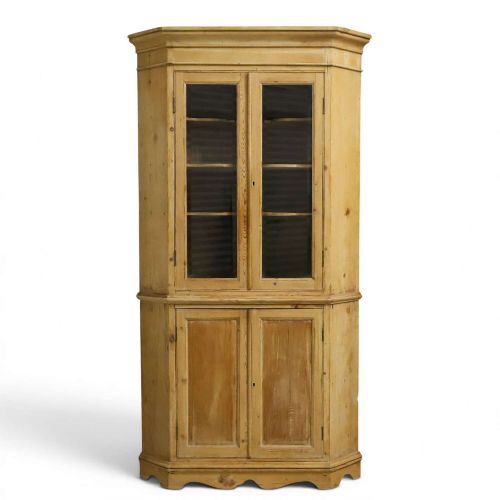
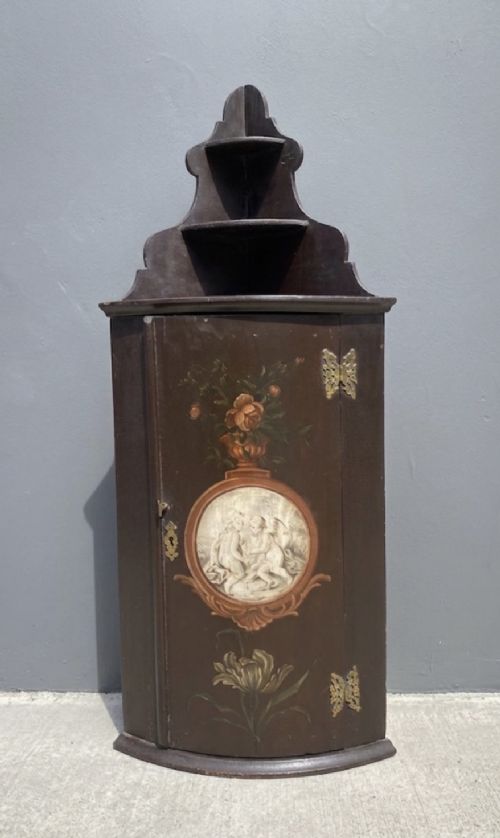
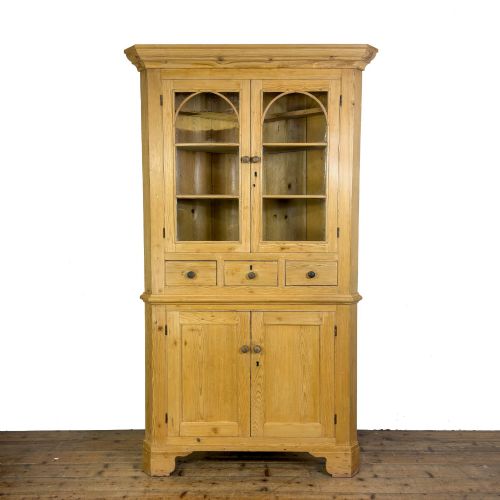
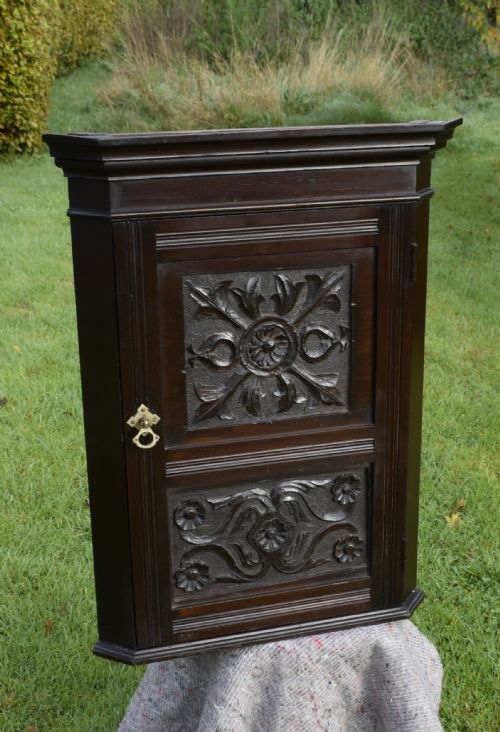
An antique pine corner unit is a fitted or freestanding cupboard designed specifically to occupy the junction of two walls. These pieces range from compact hanging wall cupboards to tall two-part standing cabinets with glass or solid doors.
The selections available run from eighteenth-century Georgian and painted country examples to nineteenth-century Victorian pieces and later rustic farmhouse styles. Buyers most frequently encounter standard single-door hanging cupboards alongside taller two-part standing units.
Origins stretch across English workshops and Welsh vernacular furniture makers utilising softwoods. Every example serves to maximise domestic floor space while providing enclosed storage or shelving.
Construction and materials
Makers built these corner units using native pine timber, sometimes applying paint finishes, simulated oak graining, or leaving the wood stripped. Joinery frequently includes pegged joints, moulded cornices, and shaped shelving tailored for interior corners.
Hardware details involve brass and iron hinges, latches, or locks that secure the doors. Glazed versions incorporate glass panes within wooden frames, such as astragal bars or barrel back formations.
Antique Pine Corner Unit Retail Price Guide 2026
Typical asking prices for pine corner unit among the pieces listed under this phrase on Sellingantiques today, from the lower quarter to the upper quarter. They describe what is for sale here now, not the wider market.
Listings span the eighteenth, nineteenth, and early twentieth centuries, featuring pine, painted wood, brass, glass, and iron across Georgian and Victorian styles.
Factors of quality
Quality rests upon the integrity of the original timber and the retention of early painted or stripped finishes. Well-proportioned cornices and well-fitted doors separate standard utility cupboards from finer architectural examples.
The presence of original hardware, internal shaped shelving, and untouched construction details elevate a piece. Standing two-part forms require balanced proportions between the upper display section and lower cupboard.
The Antique Pine Corner Unit Glossary
- Astragal glazed
- A door construction where small wooden bars divide the glass panes into geometric patterns. This technique lightens the visual weight of tall cabinet doors.
- Barrel back
- A curved interior back panel designed to echo the rounded shape of the corner. It allows displayed items to sit within a coved enclosure.
- Two-part form
- A cabinet constructed in separate upper and lower sections stacked together. This method aided transportation through narrow domestic doorways.
- Hanging corner cupboard
- A smaller wall-mounted cabinet secured directly through the backboards. These units lack floor support and usually feature a single door.
- Simulated oak
- A painted surface treatment mimicking the grain pattern of oak timber. Craftsmen applied this decorative finish to cheaper pine surfaces.
Antique Pine Corner Unit: Frequently Asked Questions
How do I fit a corner unit into a modern room?
Measure the wall depth from the exact corner junction outward to ensure the frame clears adjacent skirting boards or light switches. Freestanding standing units require a level floor and secure wall anchoring if they are tall.
Hanging versions need proper wall fixings screwed directly into structural studs or masonry to support the weight of the pine timber and stored items.
What is the difference between hanging and standing cupboards?
Hanging corner cupboards attach directly to the wall at eye level and usually feature a single door with interior shelving. They save floor space in smaller kitchens or dining areas.
Standing units rest on the floor and often use a two-part form with a separate base and top cabinet, providing much greater storage capacity.
How do I identify a Georgian pine corner cabinet?
Georgian examples often display formal architectural elements such as dentil cornices, panelled doors, and precise proportions. They date from the eighteenth or early nineteenth century.
Later Victorian and rustic farmhouse pieces tend to show simpler joinery, heavier mouldings, or simpler country construction methods.
Are painted finishes on pine original?
Some pieces retain early or original paint surfaces, while others were stripped down to raw pine during later restoration work. Examining the paint layers under hardware reveals whether the finish has historical depth.
Original painted finishes in Welsh or English country pieces add character and protect the underlying softwood.