

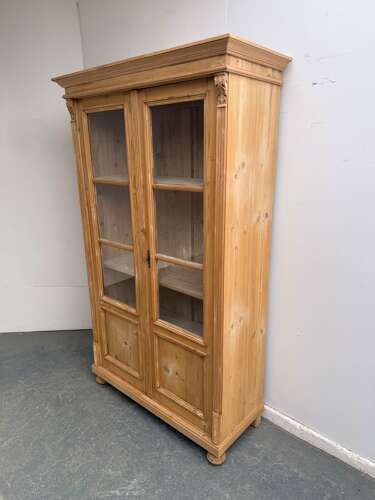
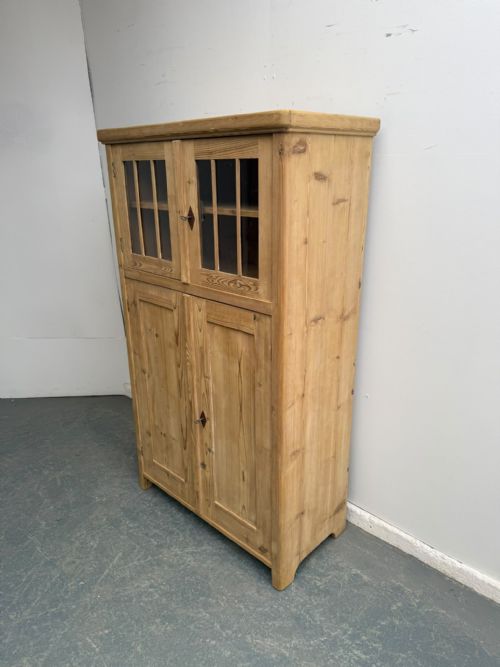
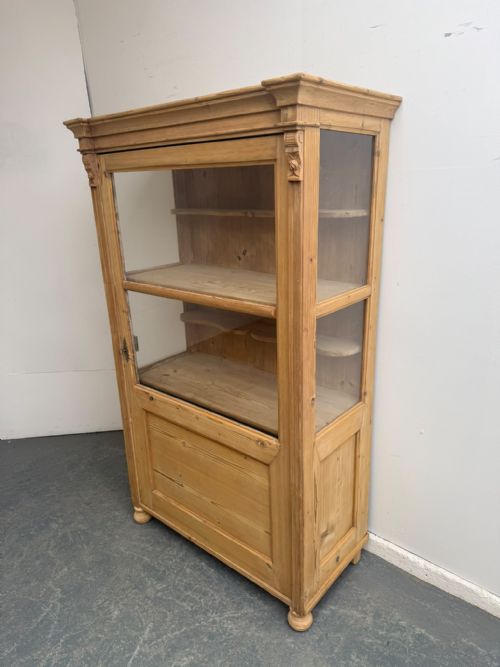
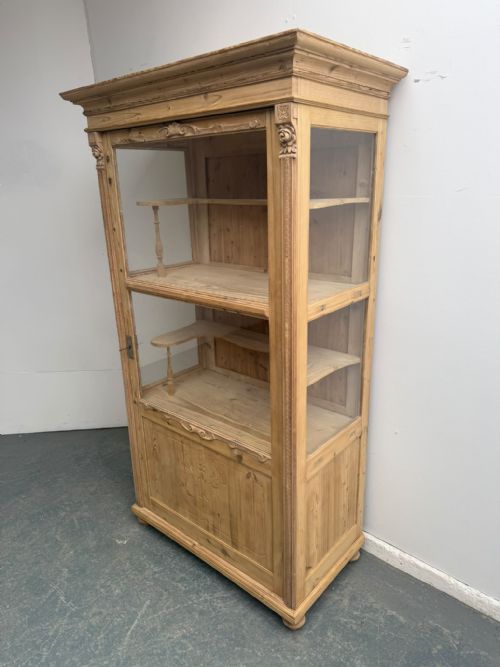
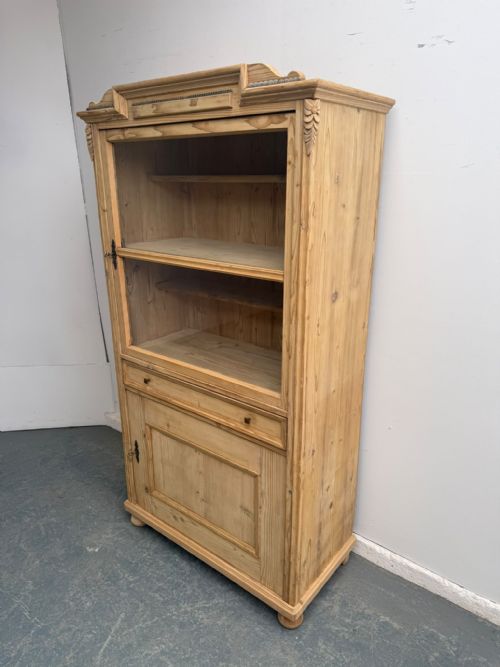


Natural Pine Bookcase
A natural pine bookcase brings warmth and utility to a room, offering sturdy timber shelving for libraries large and small.
Natural Pine Bookcase
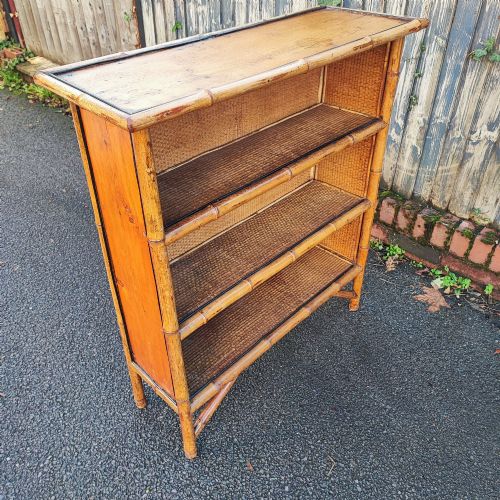
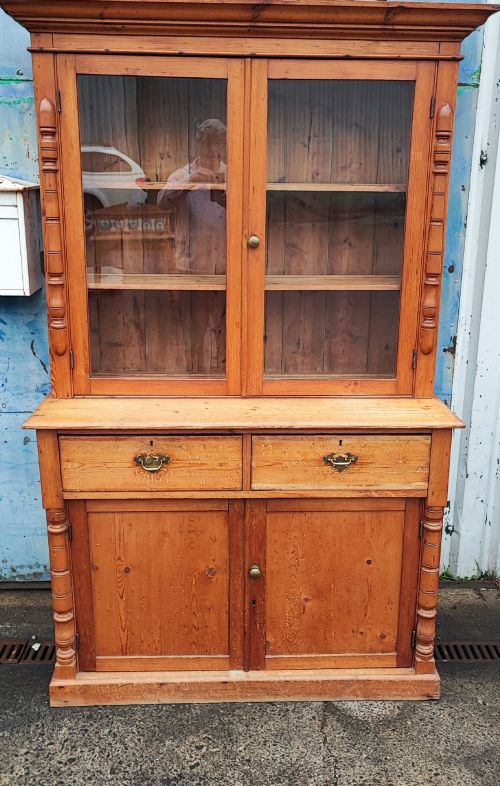
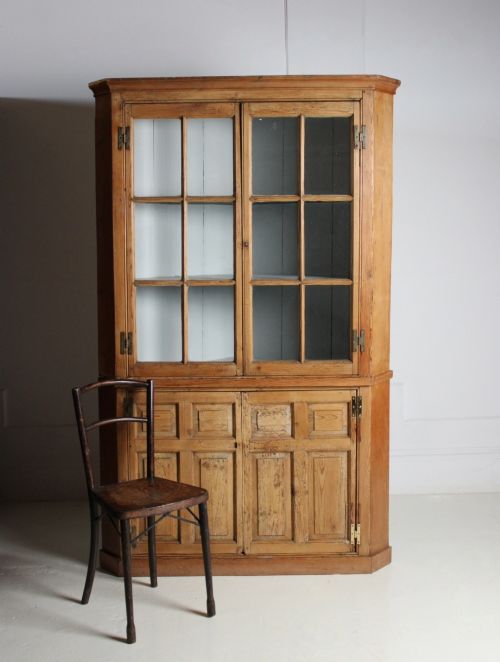
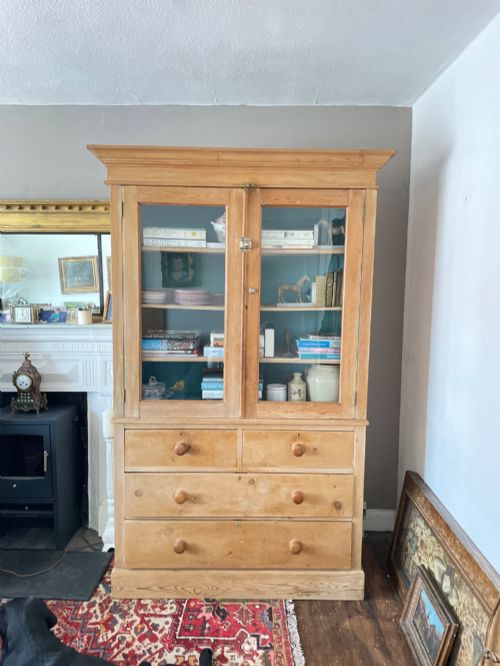
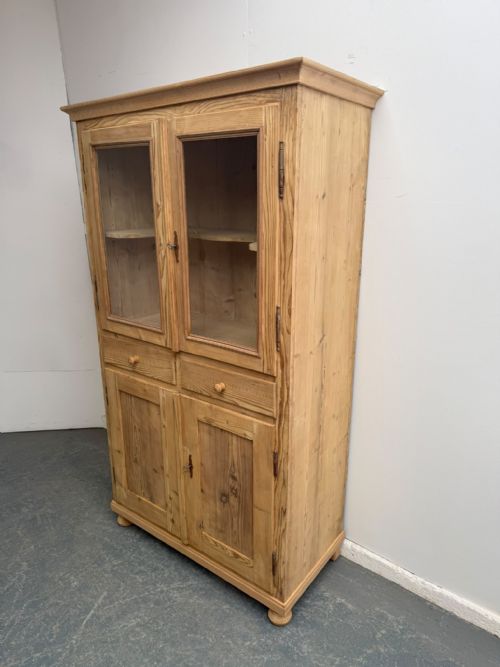
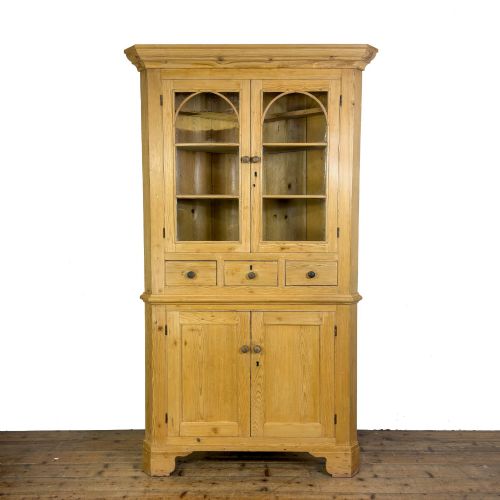
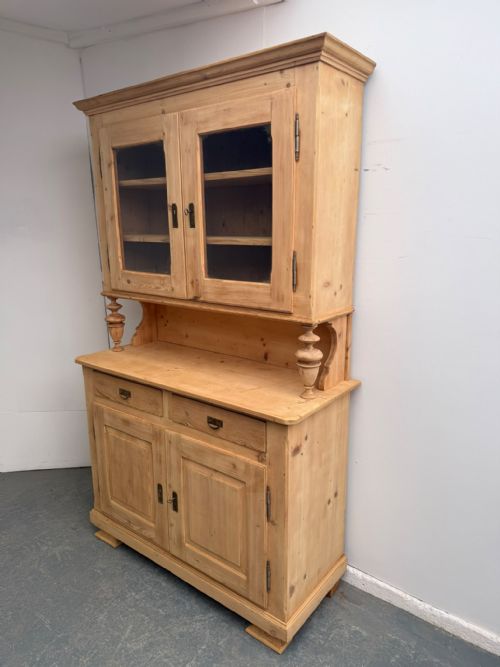
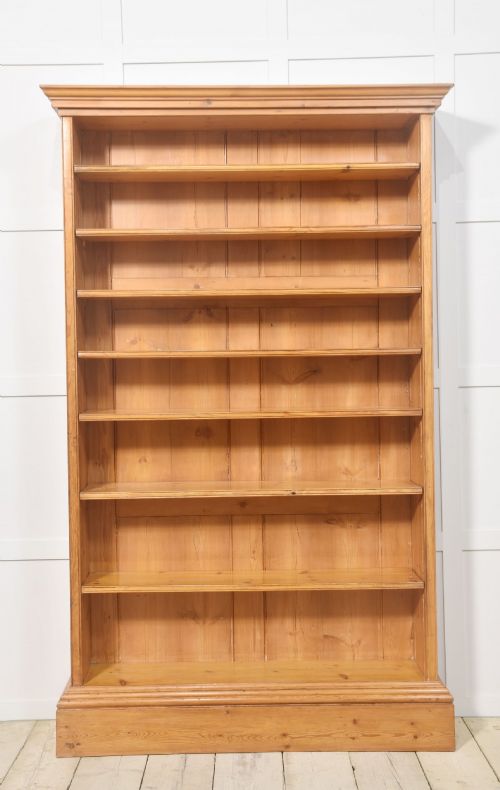
A natural pine bookcase serves as a practical storage solution, appearing across periods from the Georgian era through the Victorian period and up to nineteen hundred. These pieces range from compact open bookshelves and corner cabinets to tall glazed display units and grand double bookcases.
Buyers will encounter various regional styles on this page, including rustic farmhouse, French country, and Irish country interpretations. Many examples feature glazed doors, while others remain open to display volumes directly.
The construction varies from simple everyday storage cupboards to architectural pieces like George III Chippendale designs or carved dome top fitted cabinets. Pine timber forms the primary structure of every item found here.
Materials and Construction
Makers utilised solid pine and pitch pine for the main framework of these bookcases and display cabinets, often joining the timber with traditional carpentry methods. Wood surfaces frequently show finishes of clear wax or historical paint layers.
Fittings incorporate brass and iron hardware, such as hinges and handles, alongside glass panes fitted into doors for display cabinets. Some refined examples include internal painted finishes or porcelain details.
Larger storage units, such as knockdown two-door bookcases and two-piece barrel back cabinets, were built for practical transport and assembly within country houses and libraries.
Natural Pine Bookcase Retail Price Guide 2026
Typical asking prices for natural pine bookcase among the pieces listed under this phrase on Sellingantiques today, from the lower quarter to the upper quarter. They describe what is for sale here now, not the wider market.
Listings feature pine, glass, brass, iron, pitch pine, porcelain, wood, and fabric across Victorian, Georgian, and eighteenth-century periods.
Grading Quality
Quality in a natural pine bookcase depends upon the architectural ambition of the joinery and the selection of the timber. Fine Georgian and early Victorian pieces demonstrate sophisticated proportions, careful moulding, and well-fitted astragal glazed doors.
Simpler rustic country pieces rely on honest, robust construction rather than ornate detail. The integrity of the original pine wood and the preservation of early painted or waxed surfaces heavily influence the character of each cabinet.
The Natural Pine Bookcase Glossary
- Astragal glazed
- Glass doors divided by thin wooden strips into smaller panes. This technique is often seen on Georgian and Victorian bookcases.
- Pitch pine
- A dense, resinous variety of pine timber. It provides exceptional strength and a distinctive grain pattern in nineteenth-century furniture.
- Knockdown
- Furniture designed to be disassembled for moving. This method was particularly useful for large Victorian wardrobes and bookcases.
- Barrel back
- A cabinet interior featuring a curved, semicircular back. This design provides an elegant display space for books or porcelain.
- Secretaire
- A cabinet incorporating a pull-down writing flap with internal drawers and pigeonholes. It combines desk functionality with bookshelf storage.
Natural Pine Bookcase: Frequently Asked Questions
What periods do these bookcases come from?
The pieces span several centuries, including eighteenth-century Georgian designs, nineteenth-century Victorian cabinets, and items dated around nineteen hundred.
Buyers will find styles ranging from formal George III Chippendale items to rustic farmhouse and country house furniture.
Are the bookcases glazed or open?
Both options appear frequently across the listings on this page. Many Victorian and Georgian cabinets feature glass doors to protect books from dust.
Other examples provide open shelving or take the form of kitchen dressers and corner cupboards.
What wood is used in these cabinets?
The primary material across every listing is pine, sometimes specified as pitch pine. Hardware elements incorporate brass and iron components.
Surfaces are typically finished with traditional wax or historical paint layers.
How do I choose the right size?
The inventory includes everything from very small antique dressers to tall eight-foot larder cabinets and double bookcases. Measure your available wall height and floor space carefully before selecting.
Consider whether you need a compact corner cabinet or a large multi-door storage unit.