

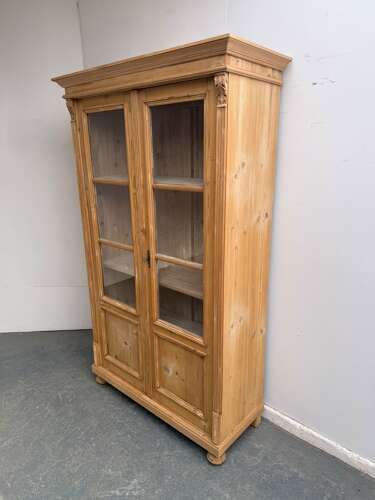
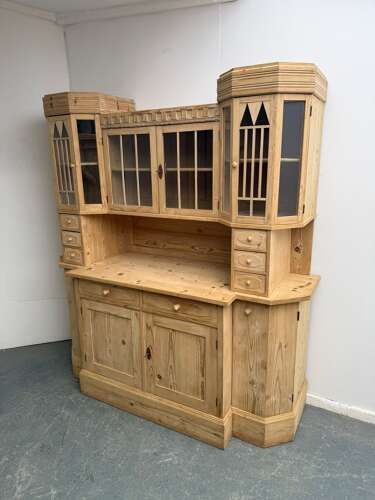
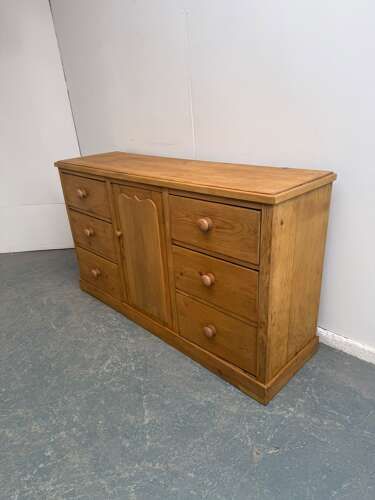
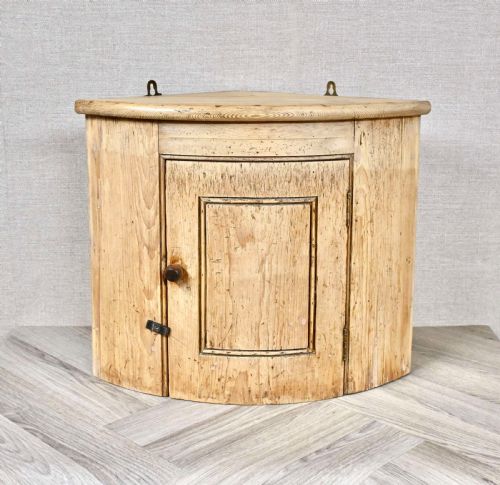
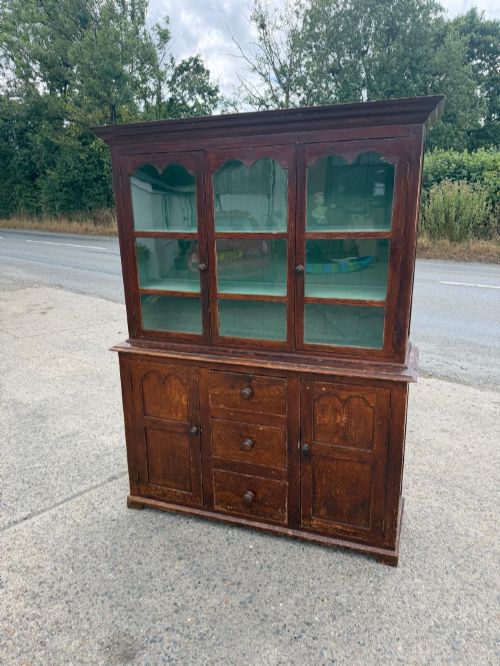
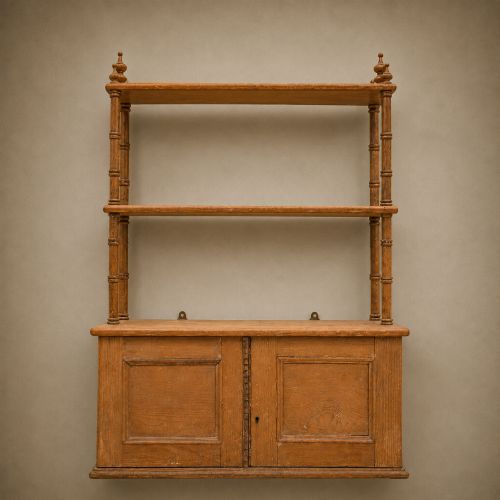
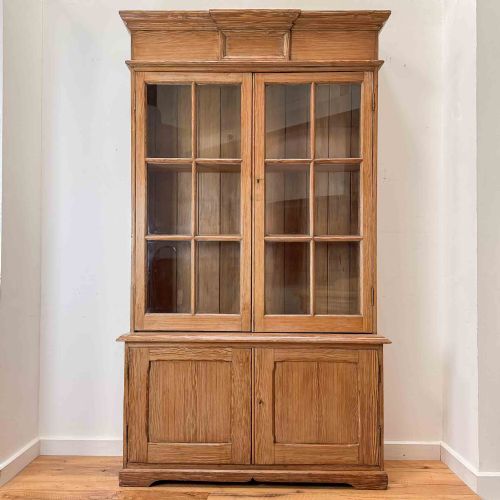
Traditional Pine Cabinet
A traditional pine cabinet brings honest utility and warmth to a room, offering practical storage built from sturdy softwood.
Traditional Pine Cabinet
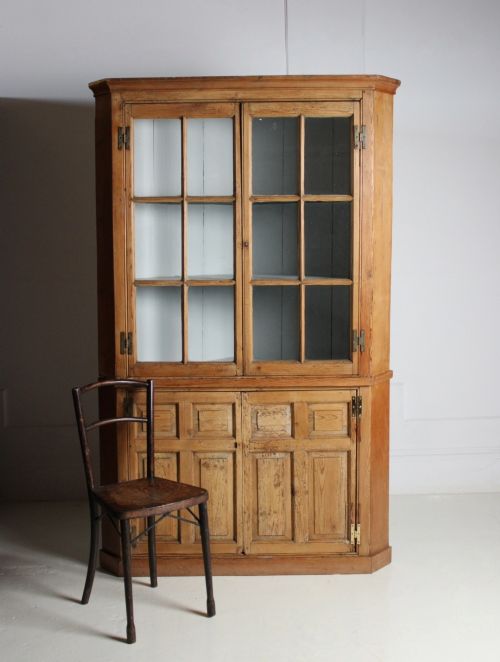
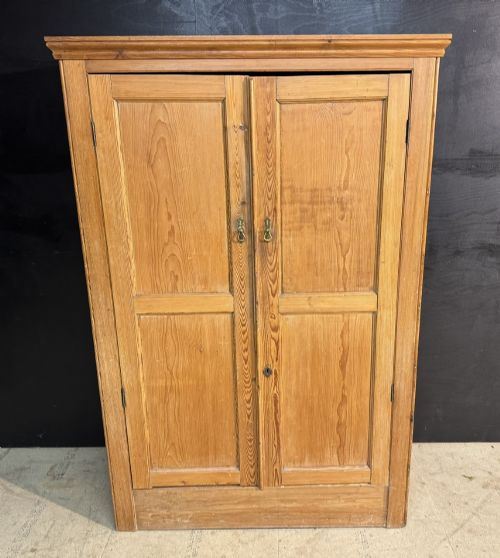
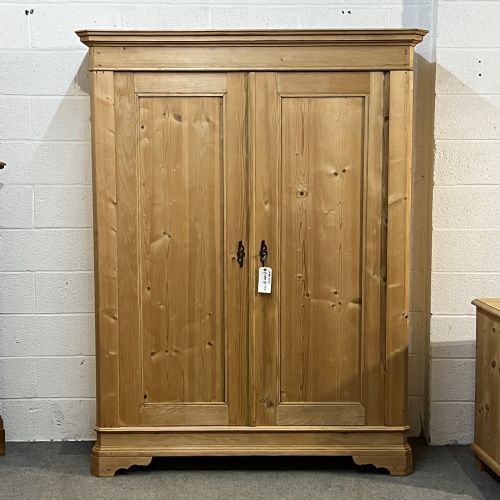
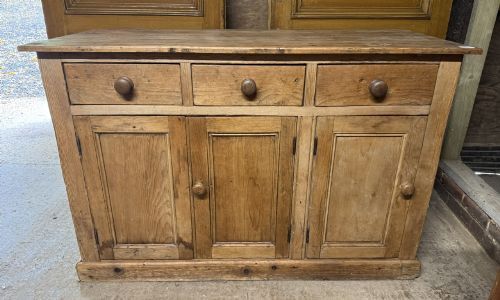
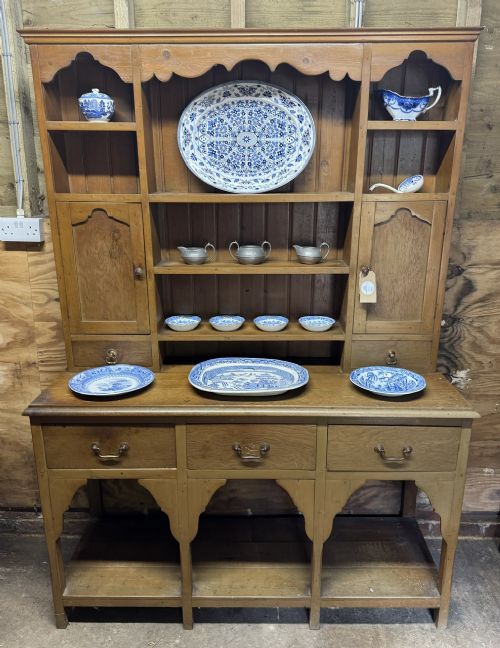
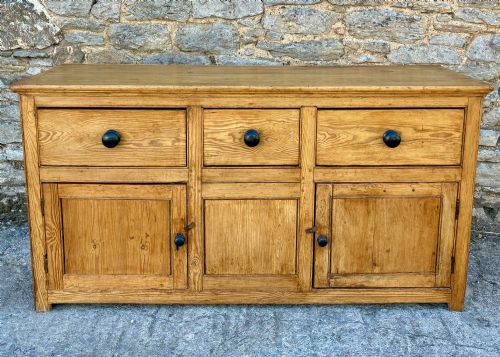
A traditional pine cabinet serves as a hardworking storage piece found across domestic interiors, taking the form of larder cupboards, housekeeper cupboards, and dresser bases. These items emerge from various regional traditions, including English, Welsh, Scottish, and French provincial workshops.
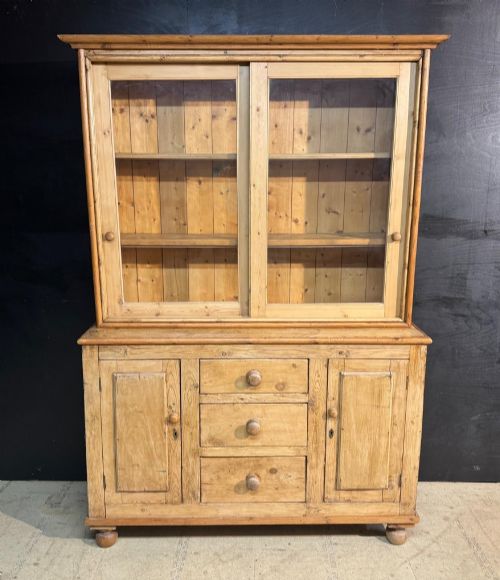
The pieces on this page span several periods, most notably the Victorian era and the Georgian period, alongside Edwardian examples. Buyers frequently encounter upright storage cupboards, glazed bookcases, and kitchen dressers designed for daily use.
How they were made
Carpenters constructed these cabinets primarily using solid pine, sometimes selecting pitch pine for specific sections, combined with iron and brass hardware such as hinges, handles, and lock escutcheons. Glazed versions incorporate glass panels into doors to display contents.
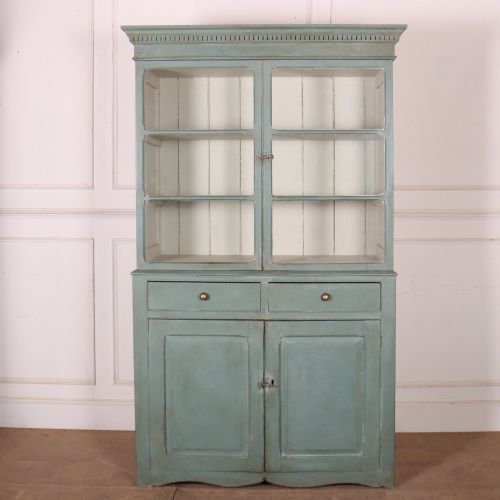
Surfaces received various treatments according to their period and regional style, ranging from clear wax finishes and natural patinas to original paint, scumble paint, and stripped wood surfaces.
The listings span the Victorian era, the Georgian period, and the Edwardian years, utilising pine, pitch pine, iron, brass, and glass.
What varies in quality
Quality in these utility pieces rests on the integrity of the timber selection, the weight of the pine, and the retention of original surface finishes like early paint or deep wax patina. Superior examples maintain their original backboards, shelving configurations, and period hardware.
Proportions and regional vernacular details separate standard workshop output from finer country pieces, with well-executed cornices, panelled doors, and dovetailed drawer construction marking the upper tier of craftsmanship.
The Traditional Pine Cabinet Glossary
- Pine
- A common softwood timber utilised for centuries in domestic furniture making, valued for its workability and pale grain. It takes wax and paint finishes readily.
- Scumble paint
- A decorative surface technique involving translucent glazes dragged or textured over a base colour to imitate richer woods or create mottled patterns. It appears frequently on nineteenth-century storage pieces.
- Larder cupboard
- A tall storage unit originally ventilated for food preservation in domestic kitchens. These pieces often feature interior shelving and sometimes perforated or vented panels.
- Patina
- The surface sheen and colour acquired by wood and paint through decades of handling, cleaning, and ageing. A rich patina indicates undisturbed historical wear.
- Dresser base
- The lower section of a kitchen dresser, usually combining drawers and cupboards beneath a solid top surface. It functions as a freestanding sideboard or serving counter.
Traditional Pine Cabinet: Frequently Asked Questions
What is a traditional pine cabinet used for?
These cabinets serve as practical storage furniture for kitchenware, pantry items, books, and household linens. Their deep shelves and enclosed cupboards provide adaptable storage solutions for modern rooms.
Historically, specific forms such as larder cupboards and housekeeper cupboards held provisions and dry goods, while dresser bases provided surface space and drawer storage.
How do I date a pine cabinet?
Dating relies on examining construction methods, timber characteristics, hardware types, and overall style indicators associated with periods like the Georgian era or Victorian times. Hand-cut dovetails and forged iron hinges often suggest earlier production.
Paint layers and surface wear also offer clues to age, though many pieces were stripped or repainted during their long operational lives.
Are these cabinets waxed or painted?
The listings include both waxed and painted finishes, reflecting original factory treatments, domestic redecorating, or later stripping. Many retain early or original paint, including scumble finishes and regional colour schemes.
Waxed surfaces display the natural grain and warm tone of the softwood timber, whereas painted variants highlight decorative vernacular traditions.
Where were these cabinets made?
Origin points vary across British and continental workshops, with regional examples identified as Welsh, Scottish, English, or French provincial work. Local cabinet makers built these pieces to suit specific domestic needs in rural and urban settings.
Distinct regional proportions and cornice designs often help trace a piece back to its geographic origin.