

Country Pine Display Cabinet
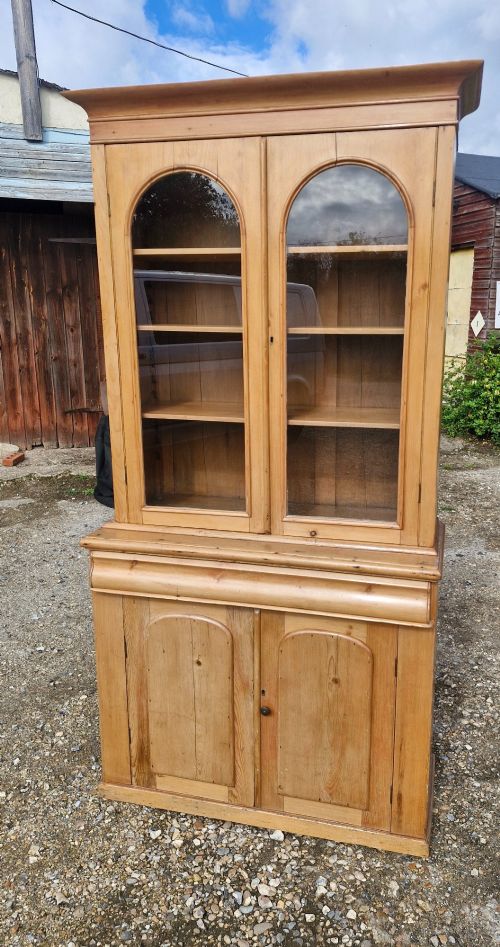
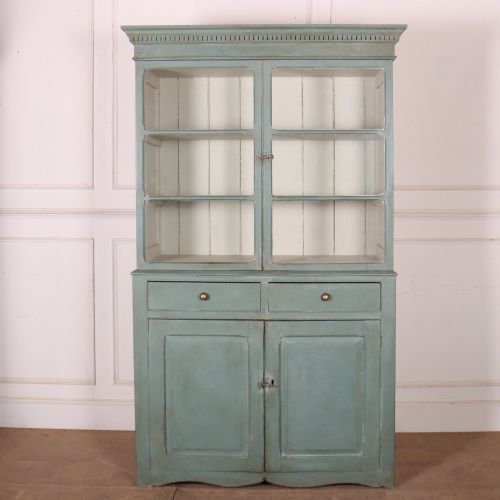
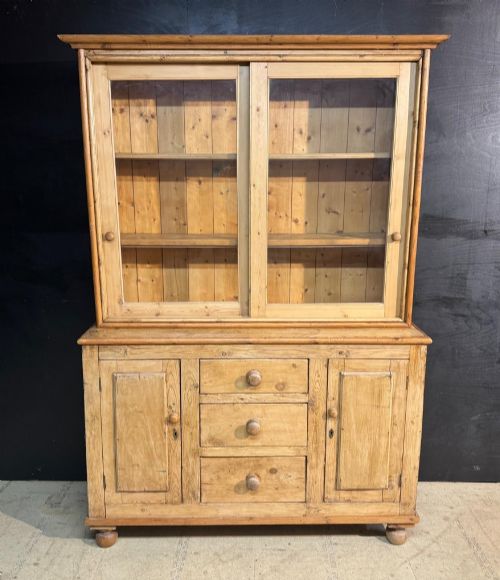
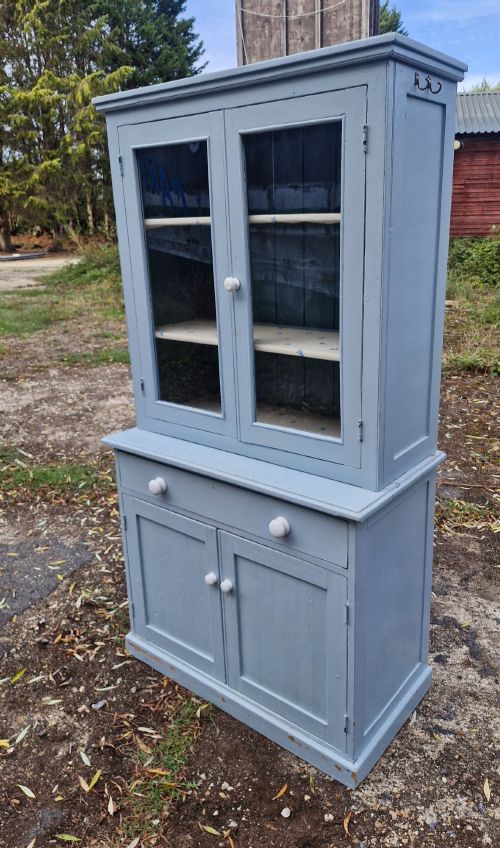
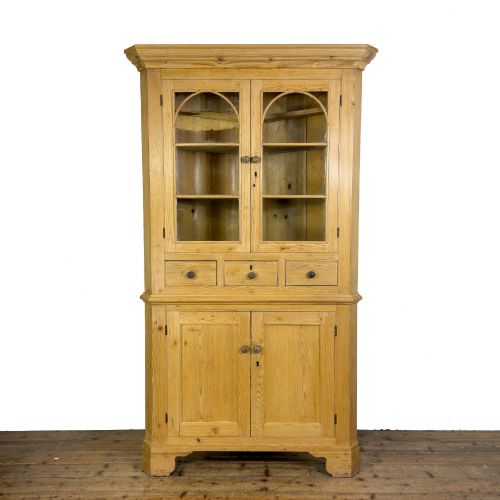
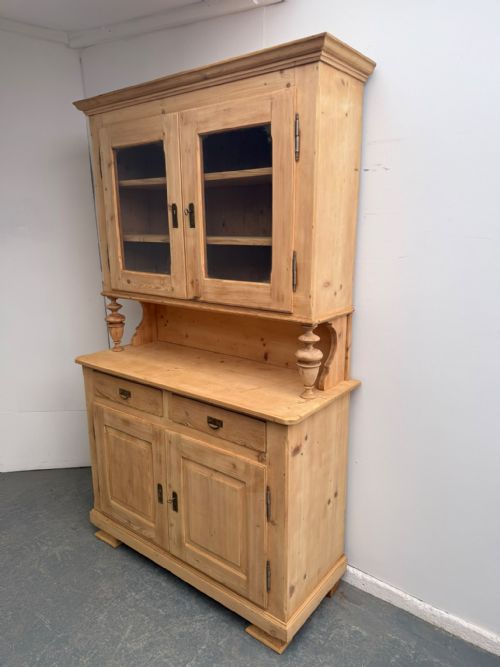
A country pine display cabinet brings utility and warmth to a room, offering glazed shelving to house books and china.
Country Pine Display Cabinet
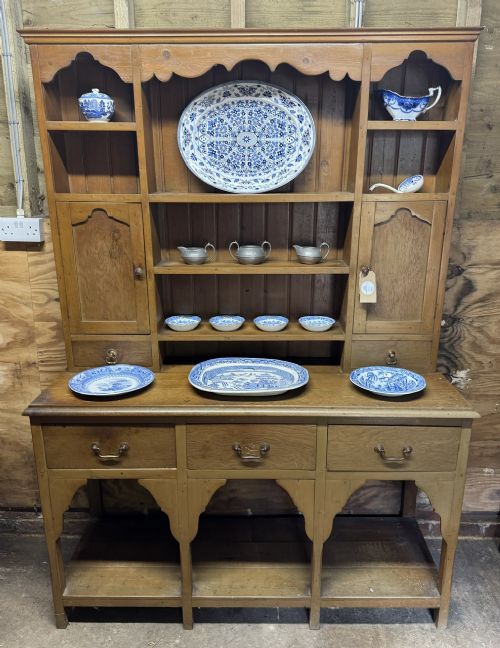
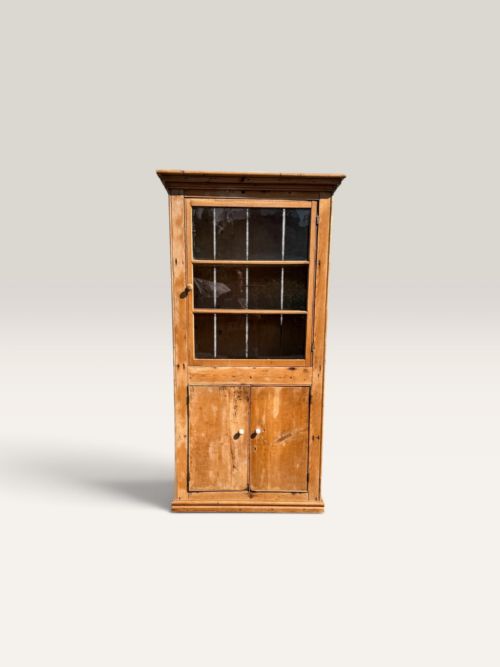
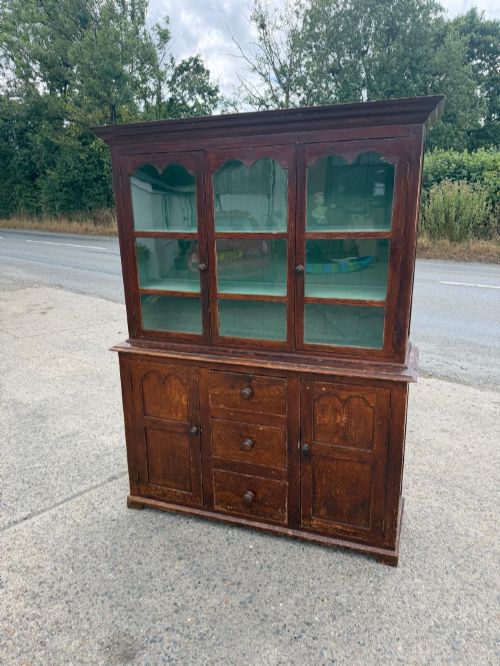
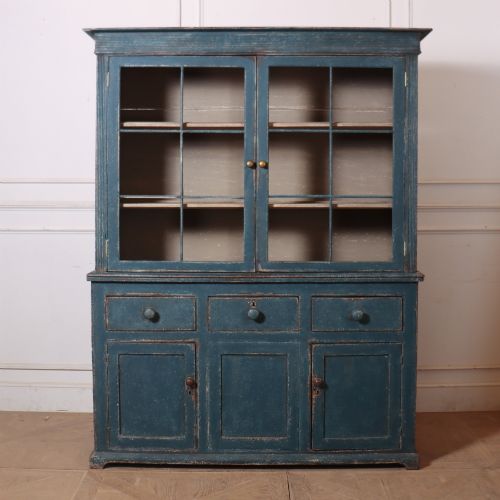
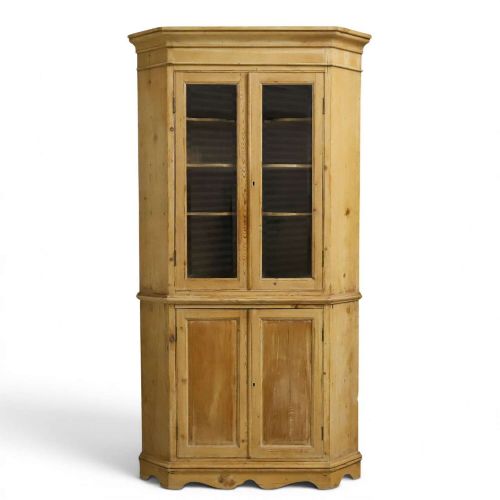
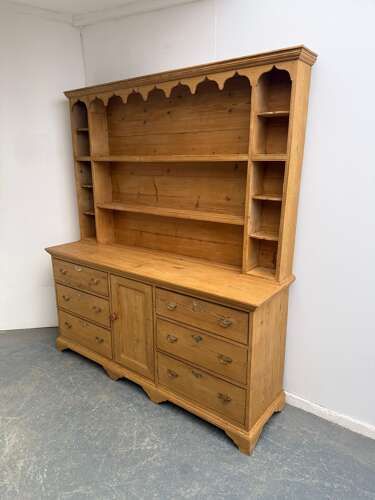
A country pine display cabinet encompasses a variety of utilitarian furniture built primarily from softwood, spanning glazed bookcases, corner cupboards, and kitchen dressers. Buyers searching for a country pine display cabinet encounter pieces originating from English regions such as the West Country, alongside examples from Wales, Scotland, Ireland, Sweden, France, and Hungary.
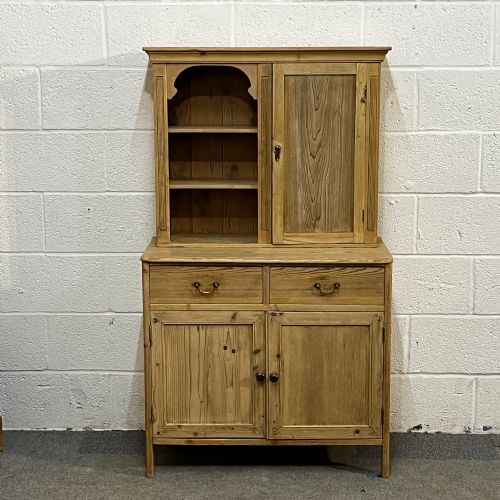
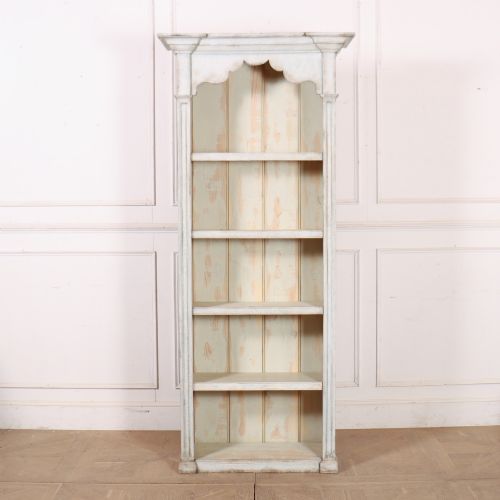
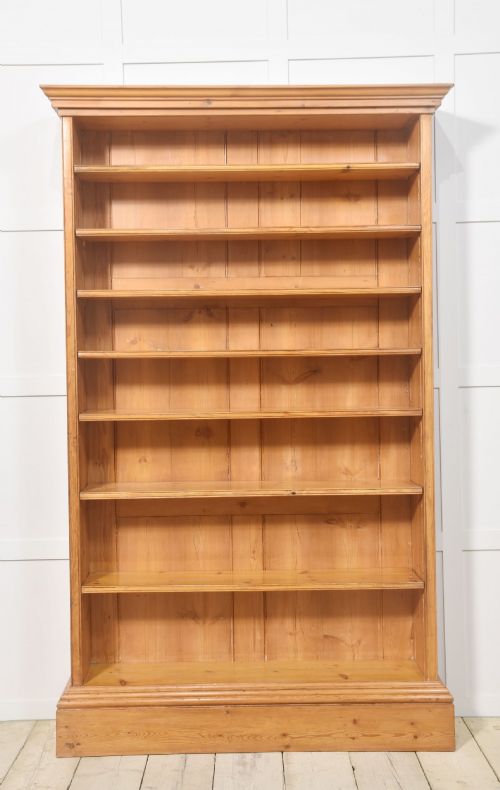
The selection ranges from tall two-part glazed cupboards and breakfront dressers down to very small corner cabinets and open bookshelves. Most examples date from the nineteenth century, including Victorian and Georgian periods, with occasional pieces stretching into the Edwardian era and the early twentieth century.
Regional vernacular shapes dictate the construction, from Welsh dresser bases with display racks to Scottish glazed kitchen cabinets and Swedish painted cupboards. These items served practical domestic storage needs in farmhouses, kitchens, and libraries before entering the antique market.
Materials and Technique
Makers utilised pine as the primary timber, occasionally incorporating pitch pine, oak, or mixed woods alongside brass and iron hardware. Glass panels feature heavily in the upper doors and display sections, while ceramic elements and applied paint finishes appear across many regional vernacular pieces.
Construction methods rely on traditional joinery suitable for utilitarian furniture, resulting in two-part forms where upper glazed cabinets sit atop lower cupboards or drawer bases. Surfaces receive various treatments, from original painted skins and waxed patinas to stripped pine finishes awaiting further finishing.
Listings feature pine alongside oak, brass, iron, glass, and ceramic, spanning Georgian, Victorian, and Edwardian periods.
Distinctions in Quality
The calibre of a piece rests upon the integrity of its original surface and the proportion of its vernacular design. Cabinets retaining untouched painted finishes or deep waxed patinas command greater interest than those stripped down to bare wood.
Proportion and scale distinguish finer regional cabinet work, particularly in two-part dressers and breakfront bookcases where the relationship between the glazed top and lower storage feels balanced. The survival of original glass panes, brass fittings, and internal painted interiors also elevates the standing of an individual cupboard.
The Country Pine Display Cabinet Glossary
- Vernacular
- Domestic furniture built by local craftsmen to regional traditions rather than following metropolitan academic designs. These pieces prioritise practical utility and local material availability.
- Breakfront
- A cabinet or dresser whose central section projects forward from the flanking wings. This architectural arrangement adds depth and visual rhythm to large bookcases and dressers.
- Pitch pine
- A dense, resinous softwood timber favoured for nineteenth-century cabinetry due to its durability and strong grain pattern. It often yields a richer colour than standard white pine.
- Patina
- The surface sheen and colour acquired by wood and paint through age, handling, and wax polishing. A well-preserved patina shows the genuine history of the piece.
- Two-part form
- Construction comprising a separate upper glazed cabinet or display rack resting upon a lower base cabinet or set of drawers. This method aided transport in domestic quarters.
Country Pine Display Cabinet: Frequently Asked Questions
Where were these cabinets used?
These pieces served working domestic roles in farmhouse kitchens, pantries, and libraries to store tableware and provisions.
Over time, owners moved them into dining rooms and living spaces to display books and ceramics.
How do I identify a Victorian piece?
Victorian examples display characteristic nineteenth-century proportions, often utilising heavier mouldings and standard pine or pitch pine construction.
Look for structural clues like hand-cut joints and original backboards that mark the period.
Are painted finishes original?
Many cabinets retain historic painted surfaces, including layered creams, teals, and regional colours applied decades ago.
Other examples were stripped bare in later decades, leaving the raw pine ready for waxing or repainting.
How do I care for antique pine?
Maintain the wood by applying natural beeswax periodically to nourish the dry pine and preserve the surface sheen.
Keep cabinets away from direct heat sources and sudden humidity shifts to prevent timber movement.