
Georgian Standing Bookcase
A georgian standing bookcase is a substantial piece for housing libraries, predominantly found in mahogany across Georgian, Regency, and Edwardian periods.
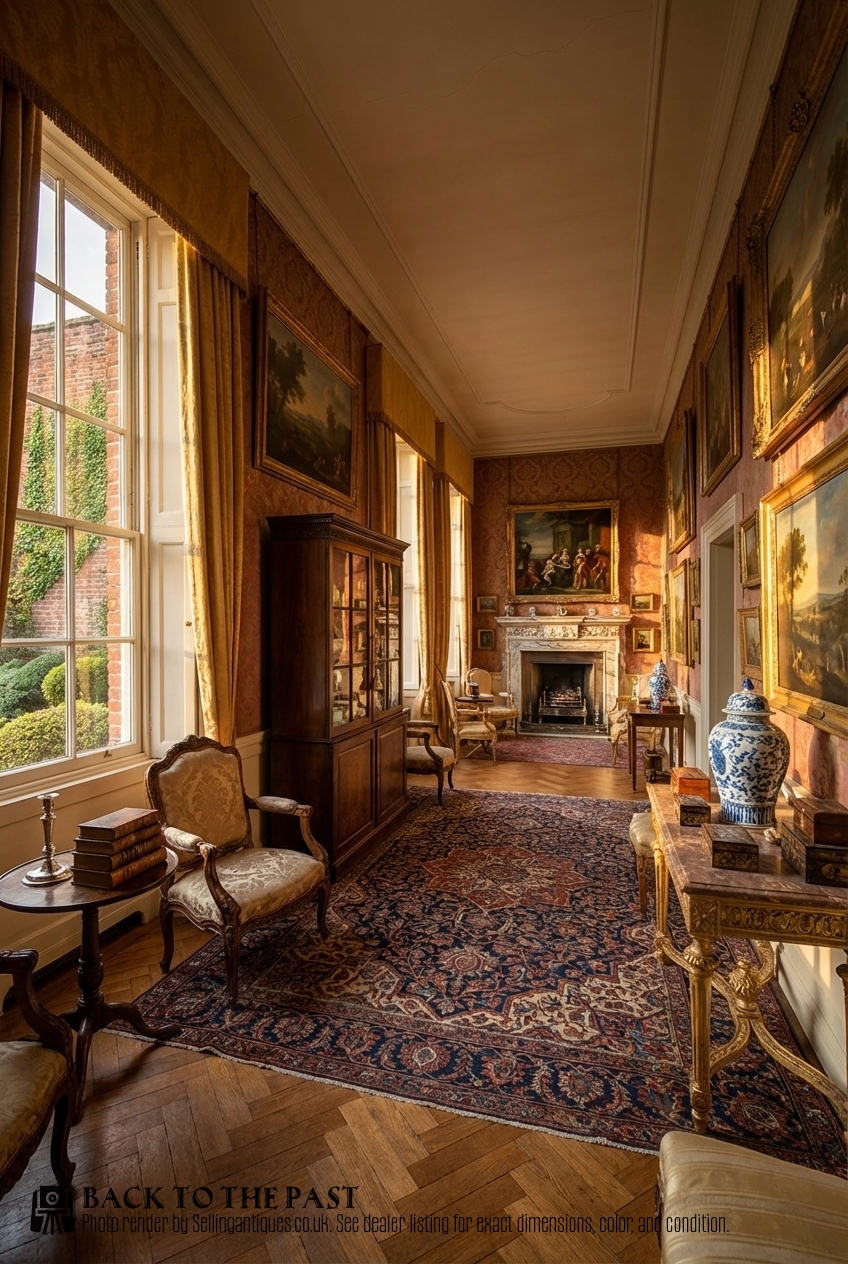
Georgian Standing Bookcase
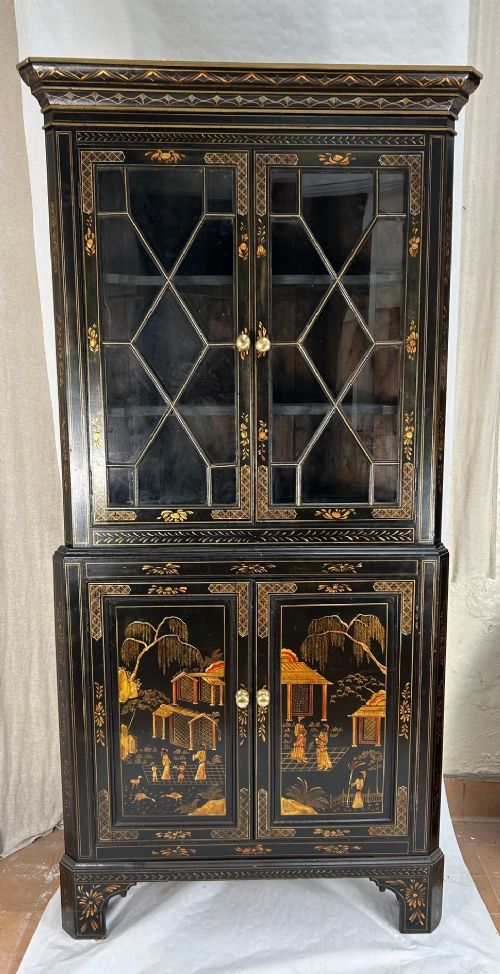
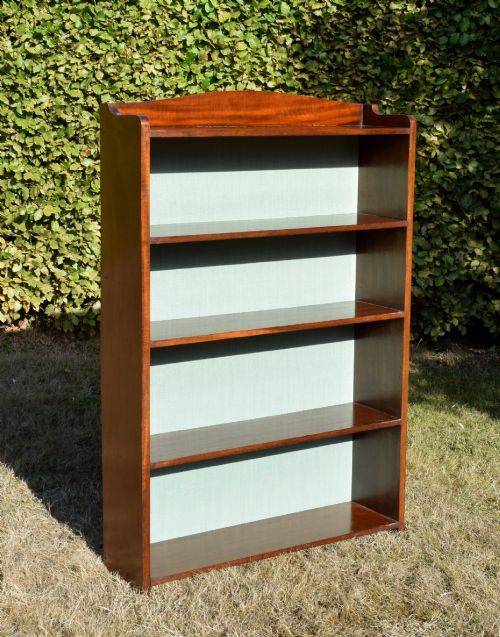
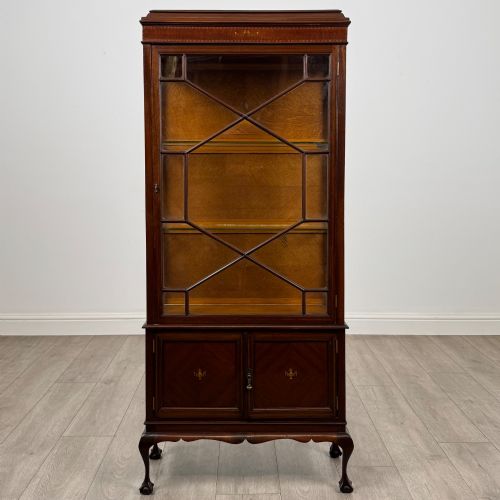
When you search for a georgian standing bookcase, you encounter tall library furniture, display cabinets, corner cupboards, and open bookshelves designed to stand independently against a wall. The pieces listed span multiple eras, with Georgian, Regency, and Edwardian examples appearing frequently alongside revival forms.
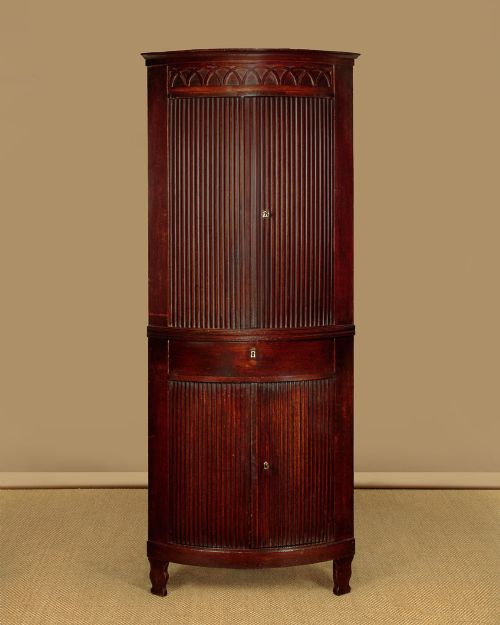
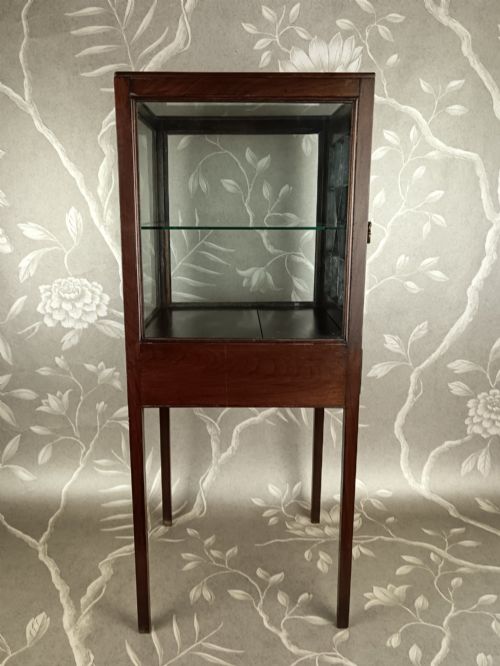
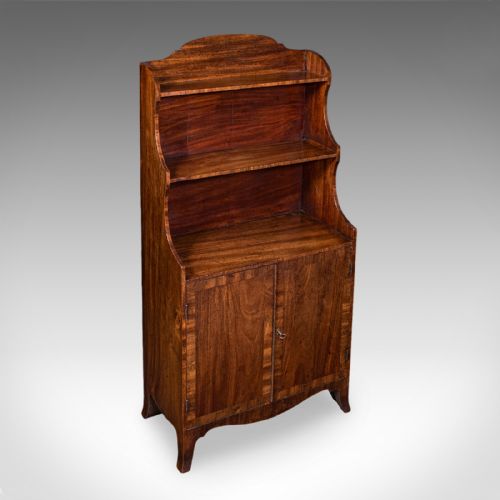
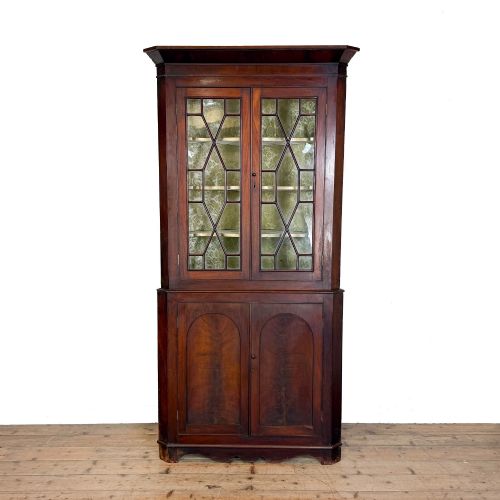
Mahogany dominates the material record, complemented by oak, satinwood, rosewood, and painted wood, often fitted with glass doors or open tiers. Cabinets range from grand breakfront designs and secretary bookcases to compact waterfall bookcases and corner units.
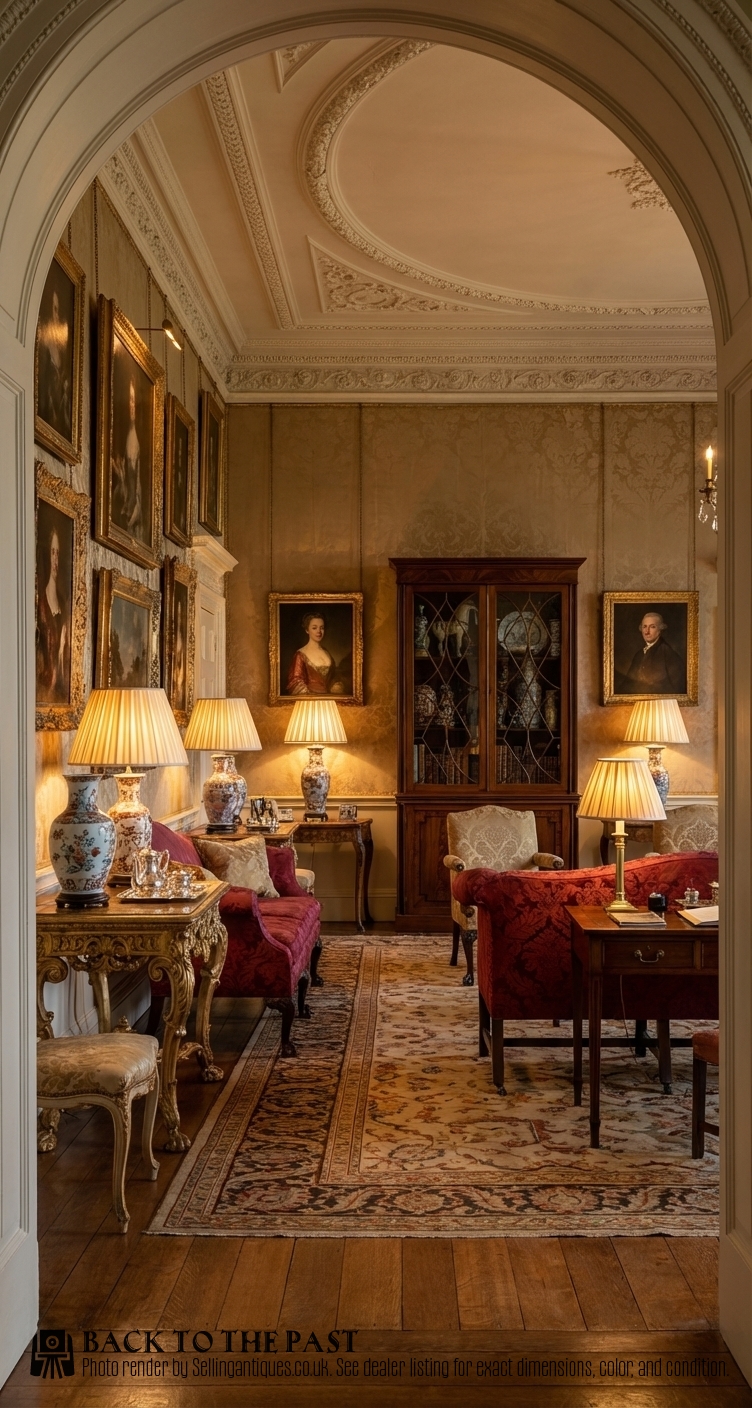
How They Were Made
Cabinet makers constructed these pieces primarily using solid mahogany and oak, frequently incorporating satinwood for decorative inlay and crossbanding. Timber selection prioritized rich grain patterns and durable structural integrity for weight-bearing shelves.
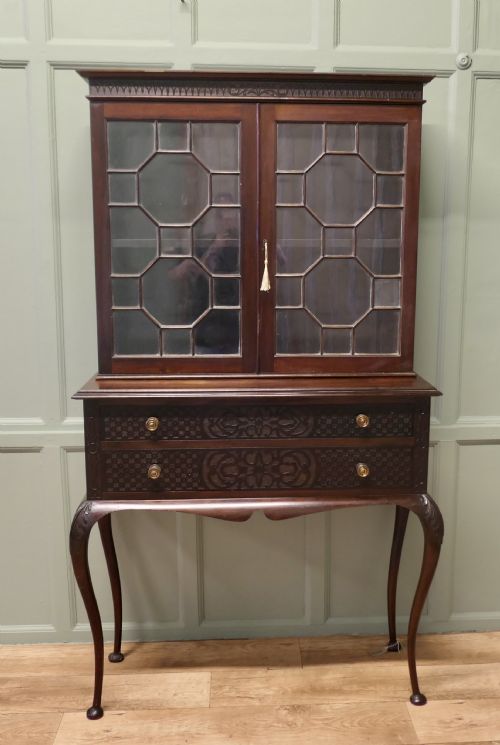
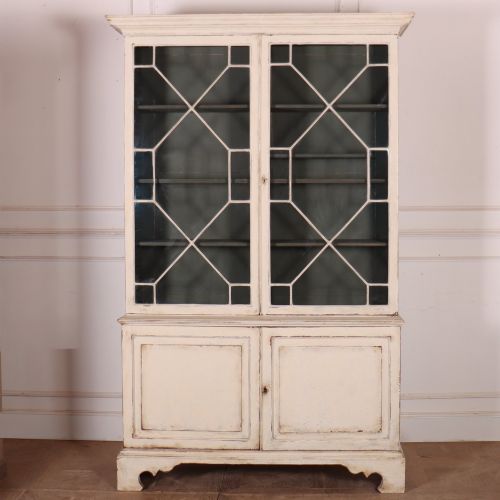
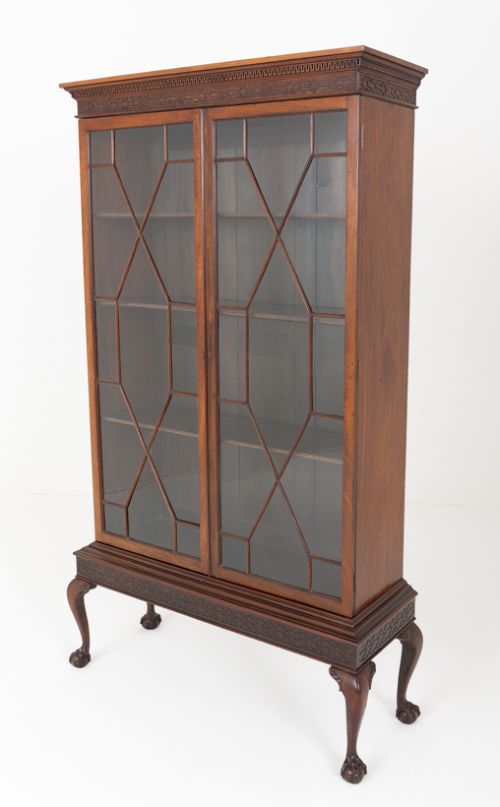
Glazed doors utilise individual wooden glazing bars, often arranged in astragal patterns to secure small panes of glass. Brass hardware such as hinges, handles, and escutcheons provides functional detailing across the periods.
Surface finishes rely on traditional polishing techniques that enhance the natural warmth of the wood, while alternative examples feature original paint or lacquered decoration.
Georgian Standing Bookcase Retail Price Guide 2026
Typical asking prices for georgian standing bookcase among the pieces listed under this phrase on Sellingantiques today, from the lower quarter to the upper quarter. They describe what is for sale here now, not the wider market.
The inventory includes multiple functional forms, ranging from corner cupboards and display cabinets to open waterfall bookshelves.
What Varies In Quality
The distinction between standard examples and superior pieces rests on the refinement of the cabinet work and the selection of timber. Finer pieces display carefully chosen mahogany veneers, precise joinery, and well-proportioned architectural cornices.
Hardware and secondary elements reveal the standard of production, from hand-cut glazing bars to substantial brass fittings. Maker attribution, such as work associated with Gillows or Maple and Co., elevates the standing of specific pieces within the historical record.
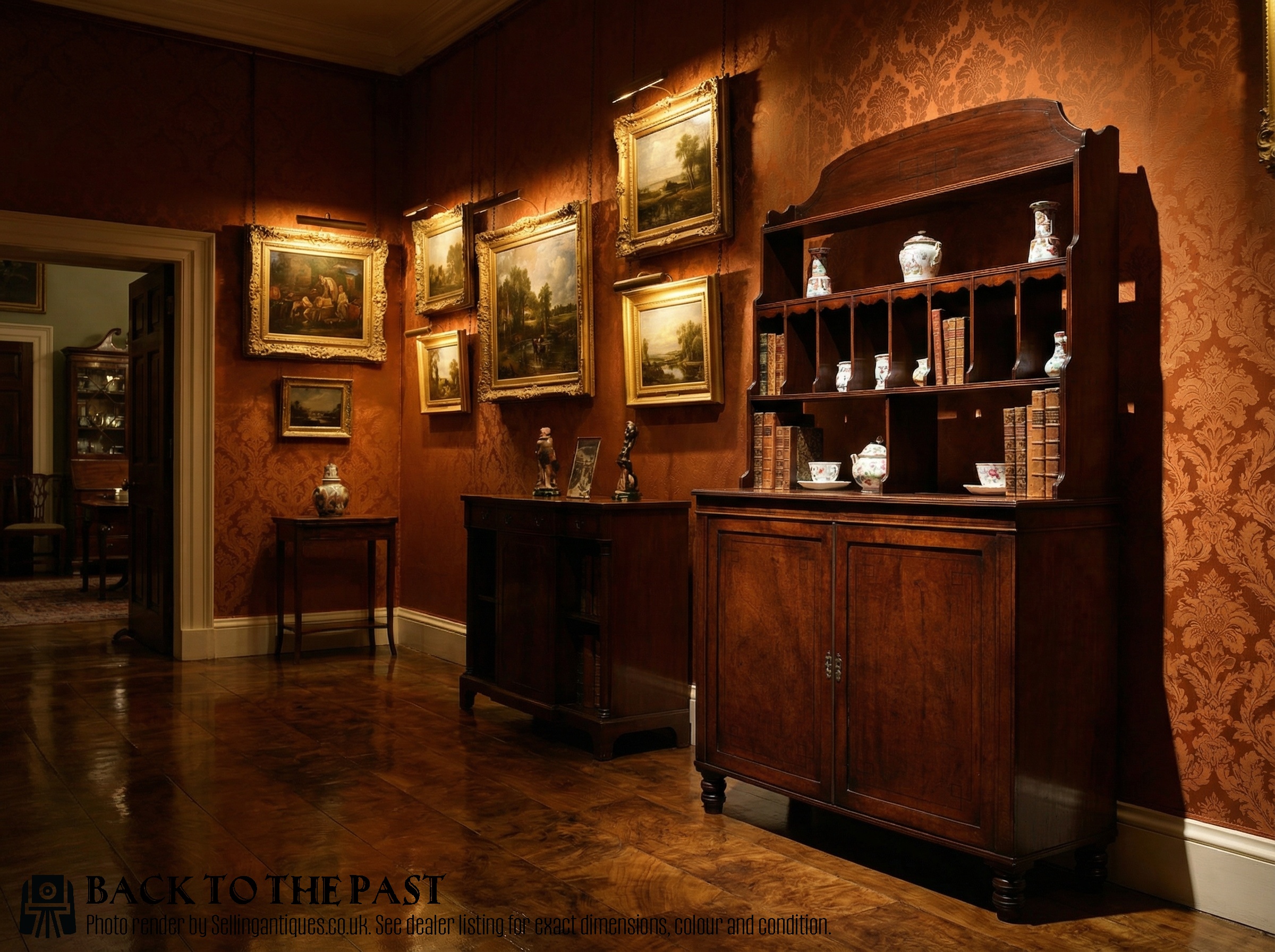
Gillows·Maple and Co.·William Kent
The Georgian Standing Bookcase Glossary
- Astragal glazed
- Glass doors divided into smaller panes by narrow wooden bars. This technique creates a grid pattern characteristic of period display cabinets.
- Waterfall bookcase
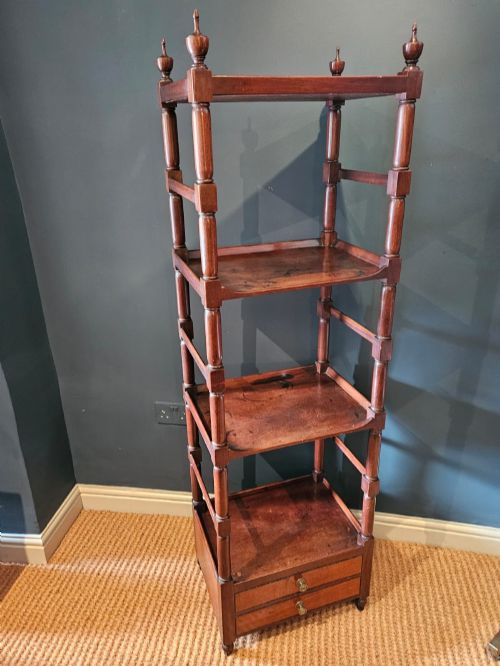
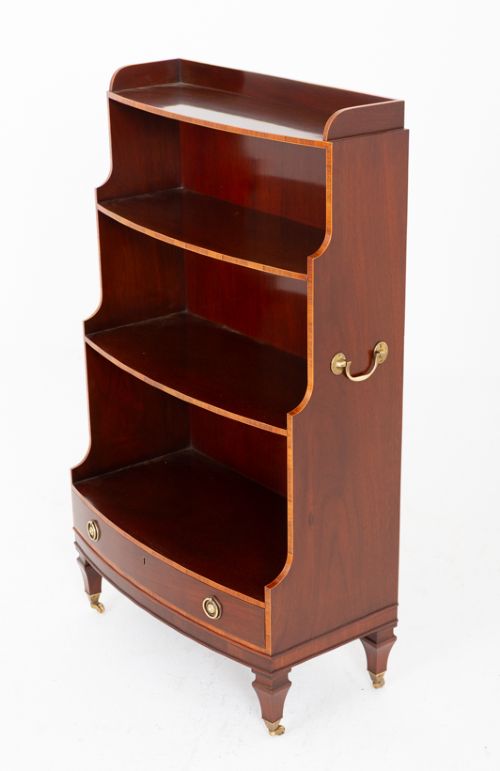
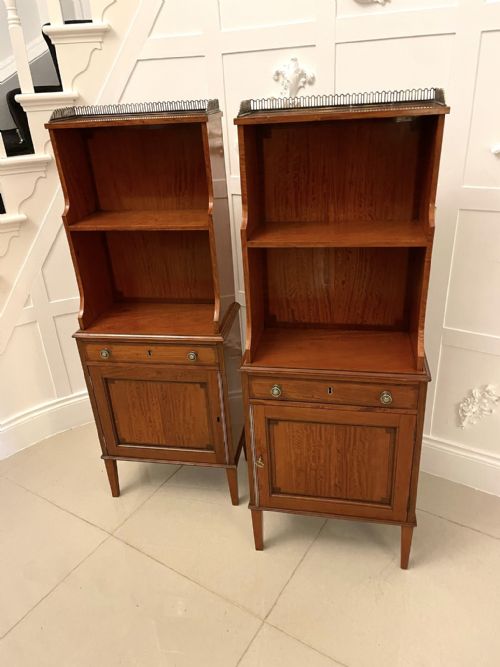
- A set of open shelves that progressively deepens from top to bottom. These freestanding tiers often include small drawers or cupboards at the base.
- Secretaire bookcase
- A tall cabinet featuring a pull-down writing drawer with internal compartments. It combines a desk workspace with upper bookshelves or display space.
- Breakfront
- A cabinet design where the central section projects forward from the flanking wings. This architectural form provides visual depth to large library bookcases.
- What-Not
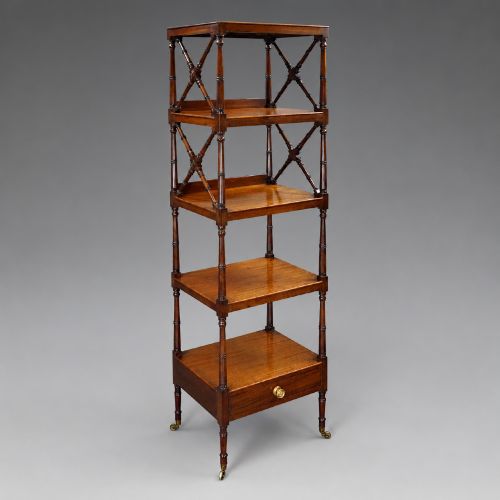
- A multi-tiered open set of shelves used for displaying books and ornaments. These portable or standing pieces became popular during the Regency and Edwardian eras.
Georgian Standing Bookcase: Frequently Asked Questions
Where do I place a standing bookcase?
These tall pieces require stable wall space away from direct heat sources to protect dry timber and historic veneers. Corner cupboards fit efficiently into room angles, while breakfront and double-height cabinets suit larger walls.
Freestanding open bookshelves work well in studies or libraries for accessible book storage. Ensure the floor is level so the upright frame remains square.
How do I tell Georgian from Edwardian pieces?
Authentic Georgian pieces date from the 18th and early 19th centuries, displaying period construction methods and native timber patination. Edwardian examples often reproduce these earlier styles around 1900 using lighter internal framing and machine-finished details.
Examining the backboards, drawer linings, and secondary woods helps clarify the manufacturing date. Makers marks or labels inside cupboards can also confirm Edwardian revival origins.
Can adjustable shelves be expected?
Many period bookcases feature fixed wooden shelves supported by structural partitions or fixed dados. Later 19th-century and Edwardian pieces occasionally introduce rack-and-pinion or metal peg systems for shelf adjustment.
When shelves are fixed, matching book heights to specific shelf clearances is necessary. Original fixed shelving contributes to the structural rigidity of tall open bookcases.
What is a waterfall bookcase?
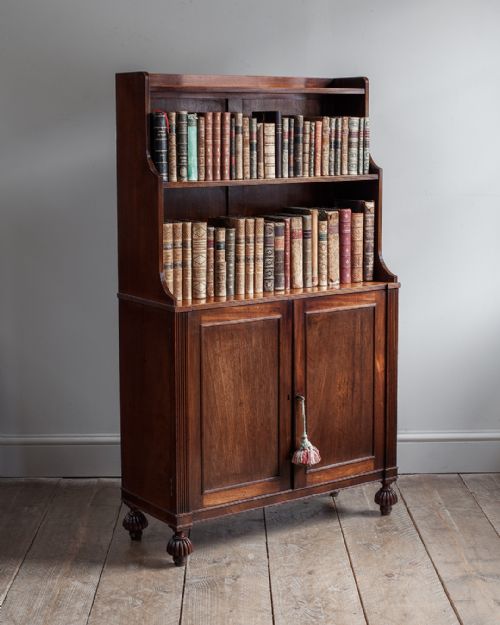
A waterfall bookcase is an open tiered shelving unit where each shelf steps out wider than the one above it. They appeared in Regency and Victorian homes as compact furniture for holding everyday reading.
Many examples include small drawers or a cabinet section beneath the lowest shelf. Their graduated profile gives them a lighter visual footprint than standard box-form bookcases.