
English Georgian Furniture
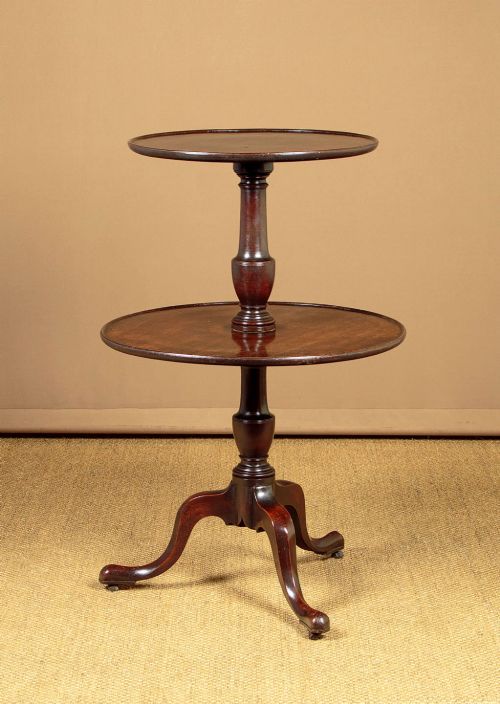
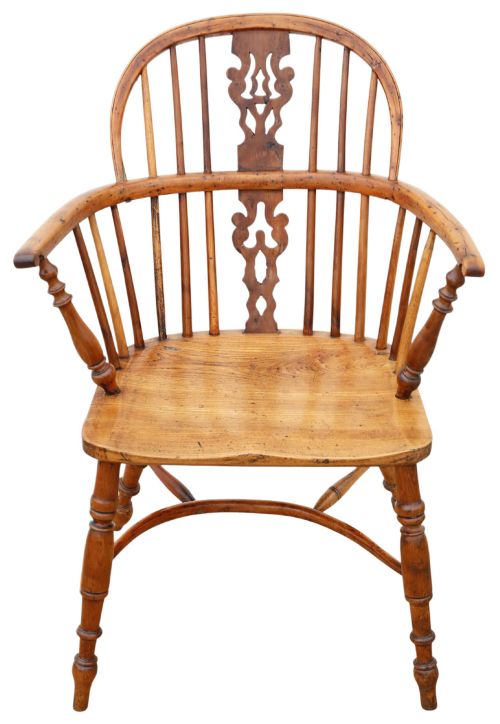
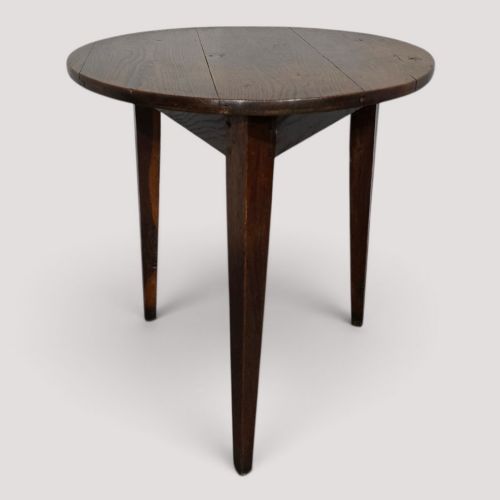
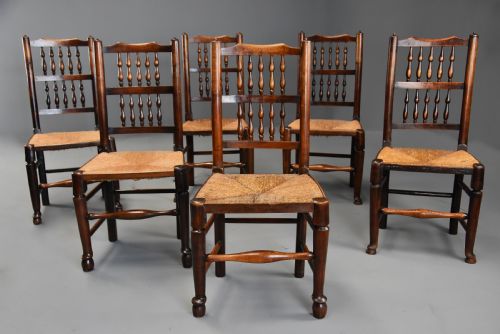
English Georgian furniture brings together mahogany, oak, and flame mahogany chests built during the eighteenth century.
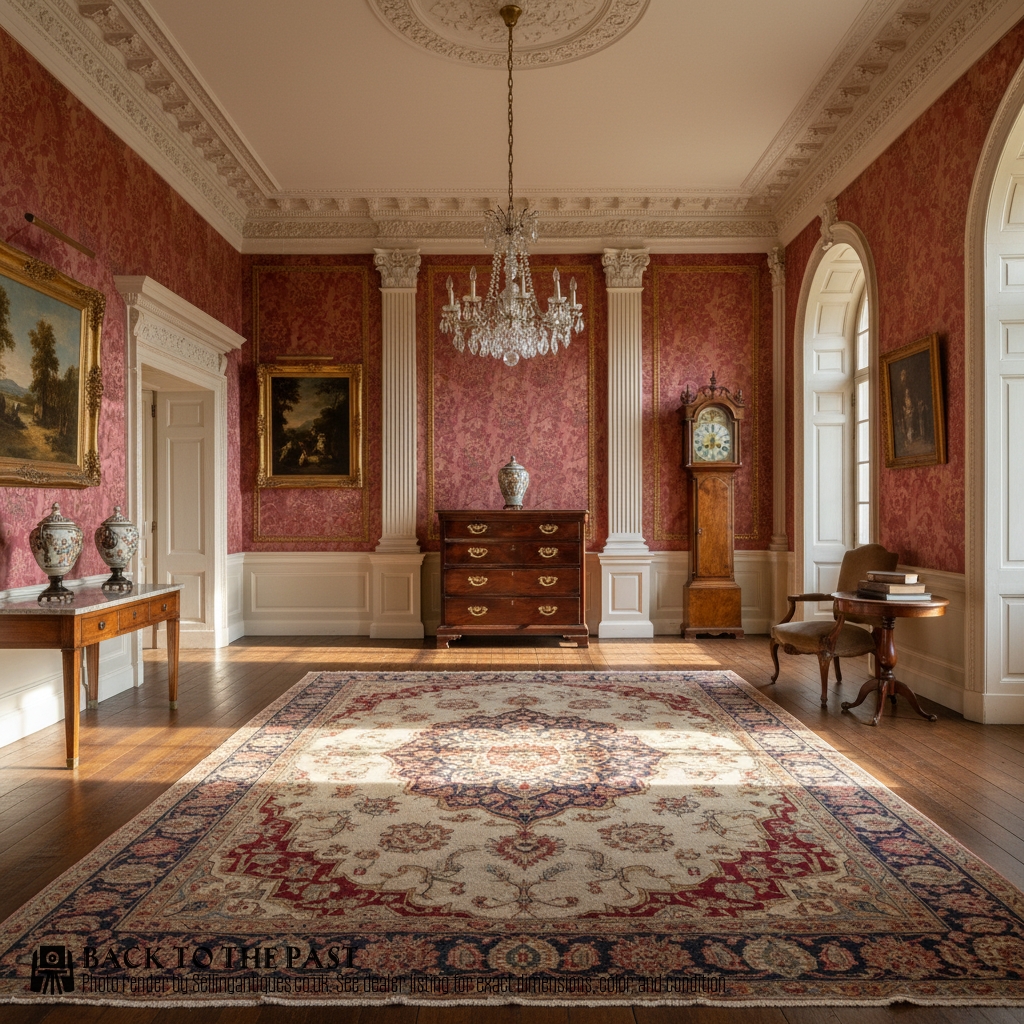
What English Georgian furniture is
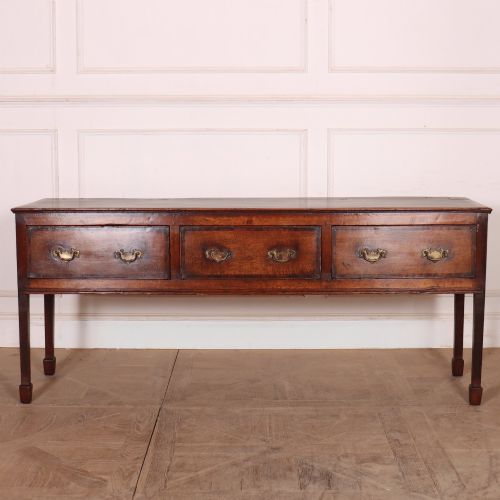
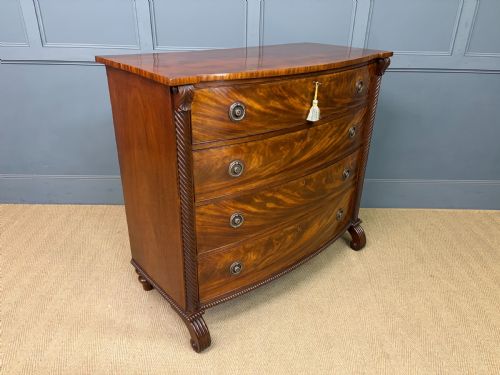
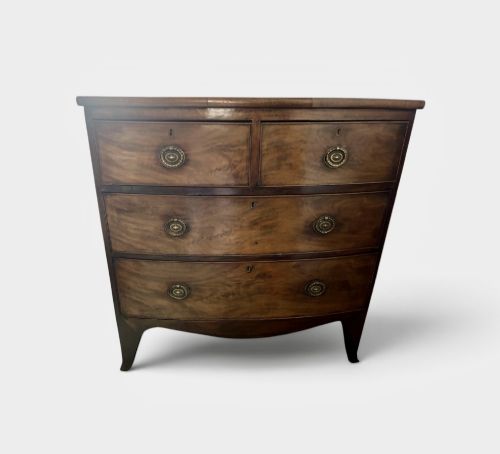
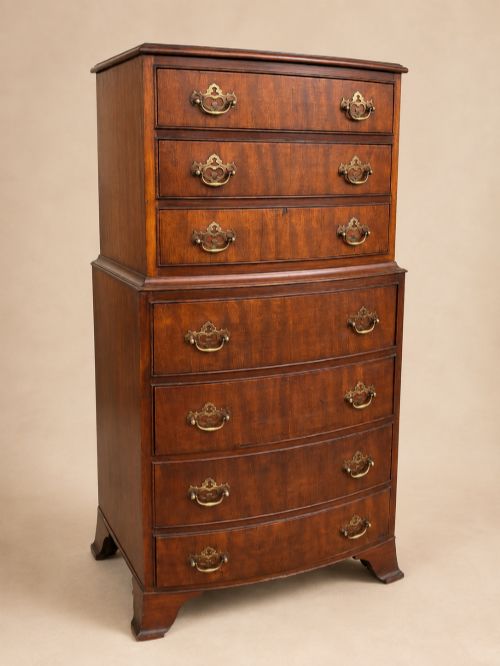
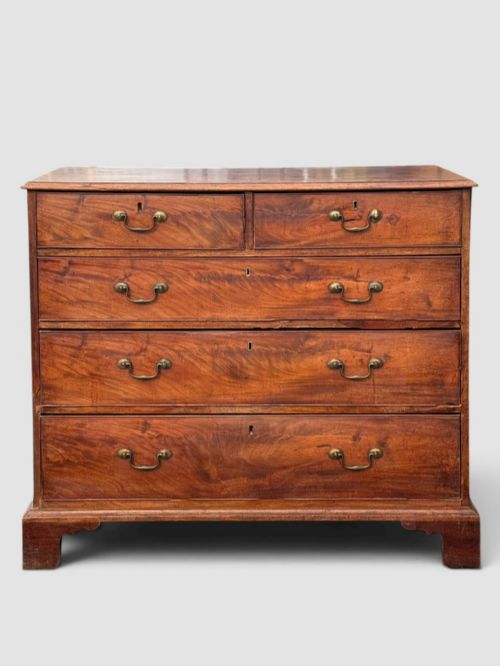
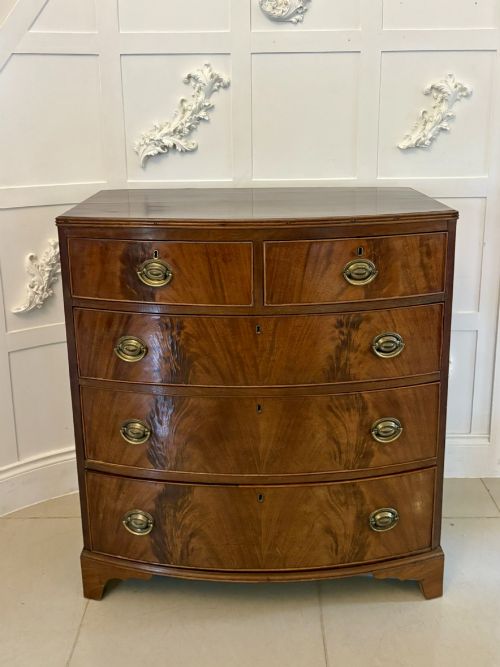
English Georgian furniture comprises eighteenth-century pieces including chests of drawers and imposing chest on chest forms. The inventory spans straightforward oak panelled works alongside elaborate George III flame mahogany designs.
Buyers frequently encounter standard chests of drawers and tall chest on chest pieces finished in mahogany or pine. Some examples incorporate clever secretaire drawers within the upper section, combining storage with a writing surface.
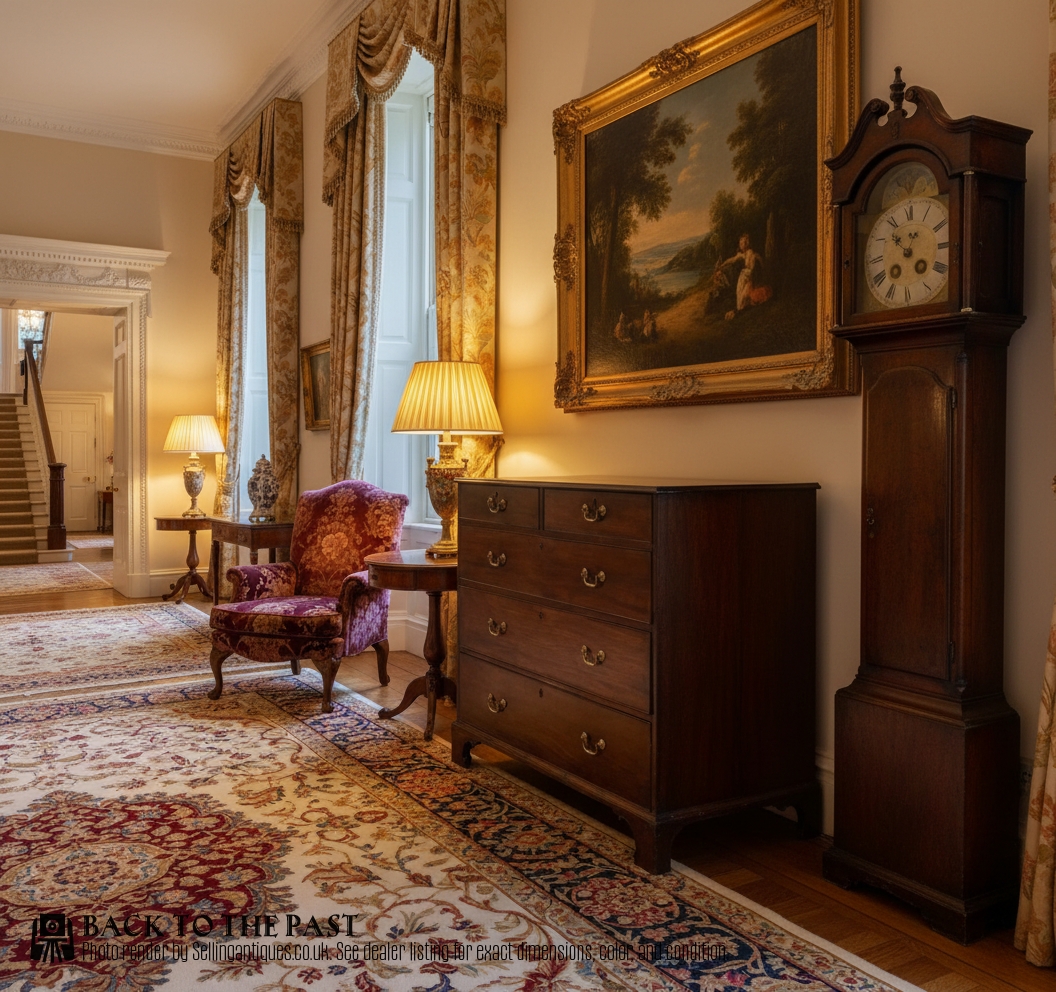
How they were made
Cabinet makers utilised solid timber alongside figured veneers, selecting rich flame mahogany for primary display surfaces and pine or oak for internal secondary structures. Brass hardware such as swing handles and escutcheons secured drawer fronts.
Joinery techniques relied on pegged mortise and tenon frames for early oak examples and precise dovetailing for mahogany drawer construction. Painted finishes also appear, applied directly over timber to alter the appearance of the piece.
Retail Price Guide 2026
Typical UK retail prices for english georgian furniture, calculated from the Sellingantiques database of over a million retail prices indexed since 2003. This retail price guide relies exclusively on Sellingantiques data; no external sources or auction records are used, so the figures do not describe the wider market.
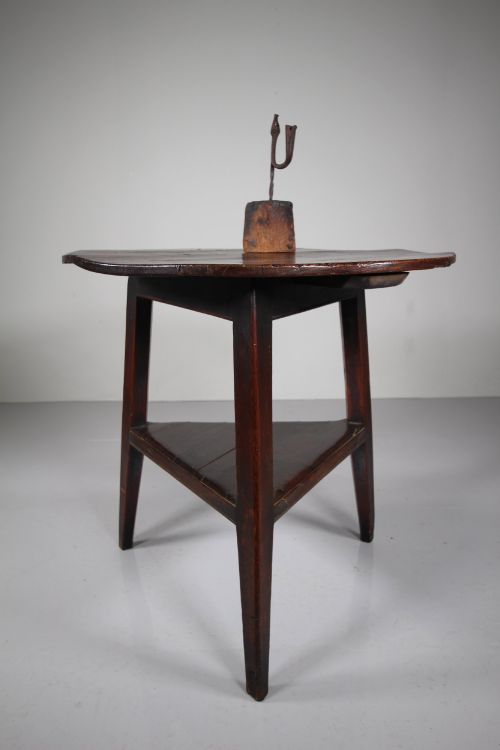
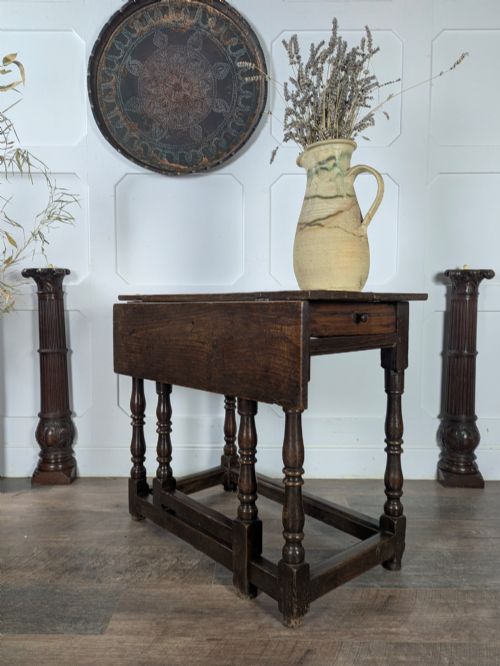
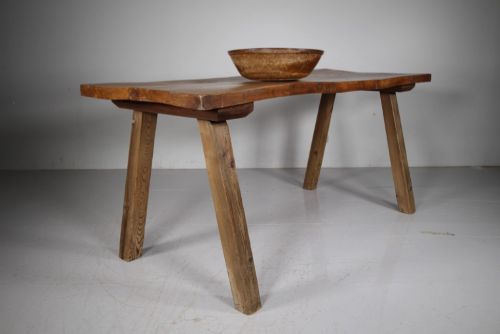
The listings span both seventeenth-century survivals in oak and eighteenth-century mahogany pieces including tall chest on chest forms.
What varies in quality
Quality rests in the selection of timber figures, where symmetrical flame mahogany veneers command greater attention than plain boards. The handling of brass fittings and the crispness of edge mouldings further separate standard utilitarian storage from ambitious cabinet work.
Proportion and structural honesty dictate the standing of a piece within the period. Well-balanced chest on chest forms maintain harmonious scaling between the upper and lower carcases, whilst lesser examples feel heavy or disproportionate.

The English Georgian Furniture Glossary
- Flame mahogany
- A veneer cut from the fork of the mahogany tree, producing a distinctive leaping flame pattern. Cabinet makers reserved this expensive timber for the principal drawer fronts of high-status pieces.
- Chest on chest
- A tall storage unit formed by stacking a smaller chest directly on top of a larger base chest. This architectural form maximises vertical storage space.
- Secretaire drawer
- A top drawer that pulls down on hinges to reveal a fitted writing desk with small pigeonholes and compartments. It conceals the writing surface behind a single wide drawer front.
- Dovetail
- A traditional interlocking woodworking joint used to connect drawer sides to drawer fronts. Fine historical pieces feature tight, hand-cut pins.
- Escutcheon
- A decorative brass plate surrounding a keyhole that protects the surrounding wood from wear.
Frequently Asked Questions
What is a George III chest?
A George III chest is a storage piece made during the reign of King George the Third, typically constructed from mahogany.
These pieces feature classic eighteenth-century proportions and frequently include brass drawer pulls.
How do I identify oak Georgian furniture?
Oak Georgian pieces generally date from the earlier part of the eighteenth century or late seventeenth century.
They display visible grain patterns and panelled construction methods rather than mahogany veneers.
What is a bachelor chest?
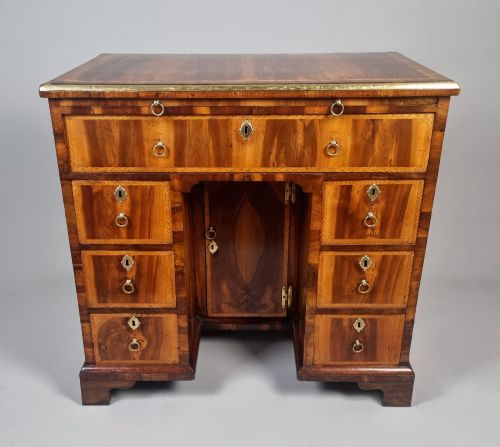
A bachelor chest is a compact chest of drawers that includes a pull-down writing slide or folding top.
Cabinet makers designed these versatile items for smaller private rooms or personal correspondence.
Are these pieces made of solid mahogany?
Many Georgian items combine solid structural timbers with decorative veneers applied to the drawer fronts.
Secondary woods such as pine and oak often form the interior drawer linings and backboards.