
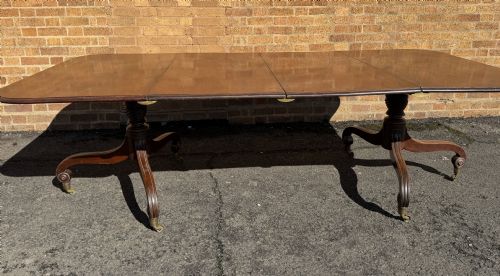

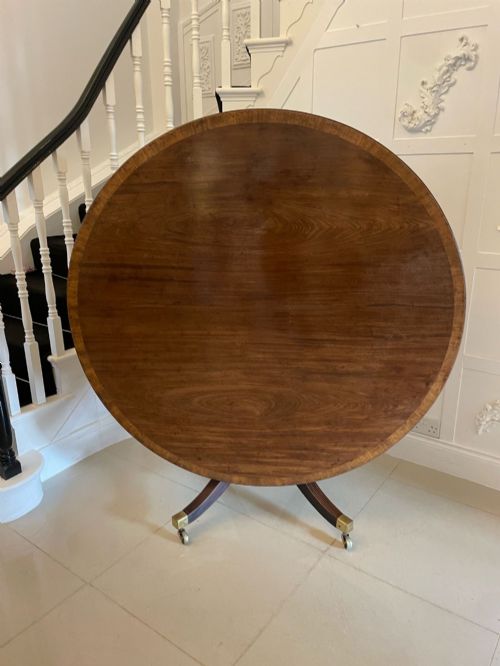
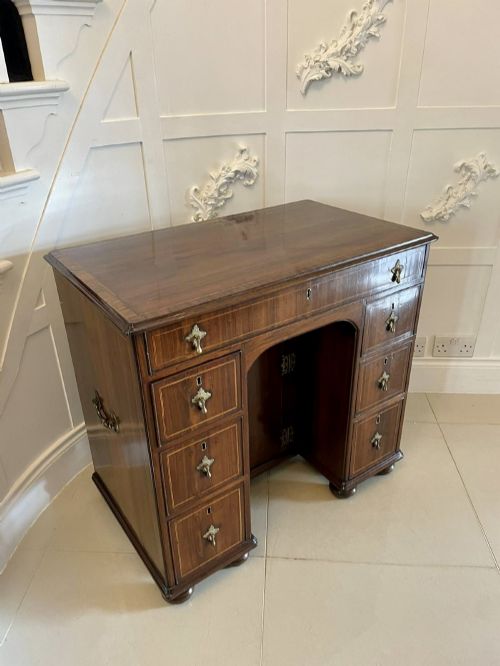
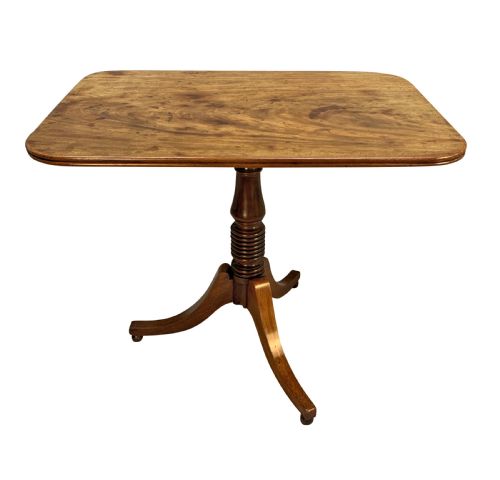
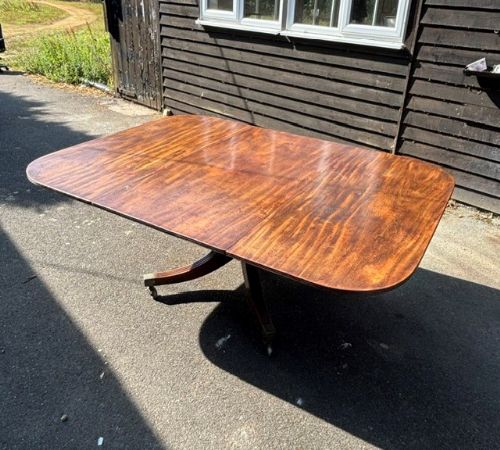
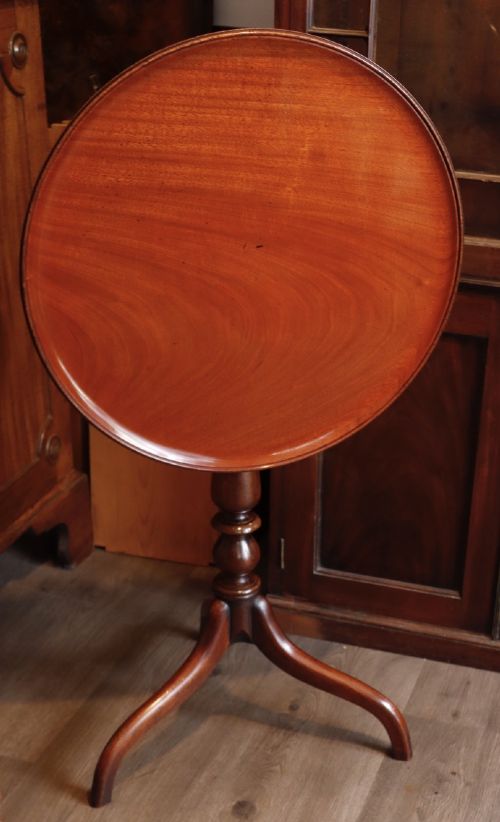
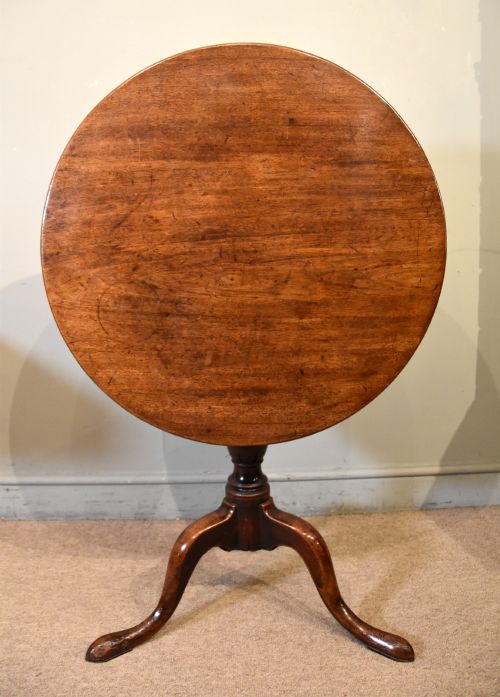
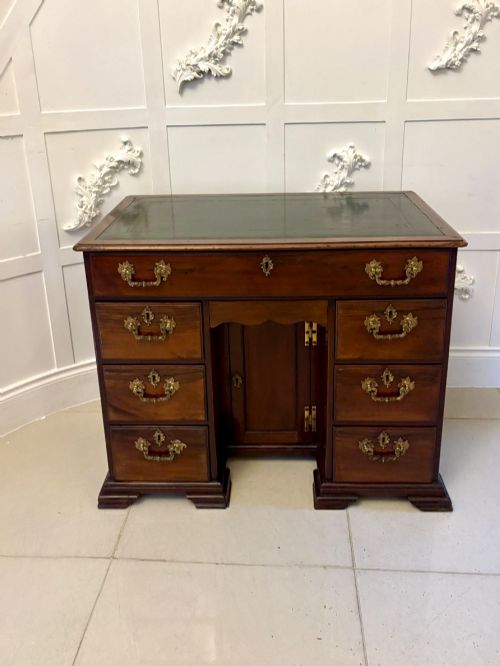
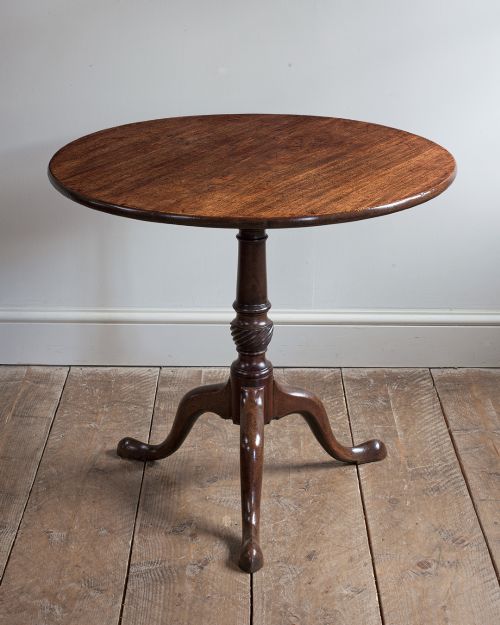
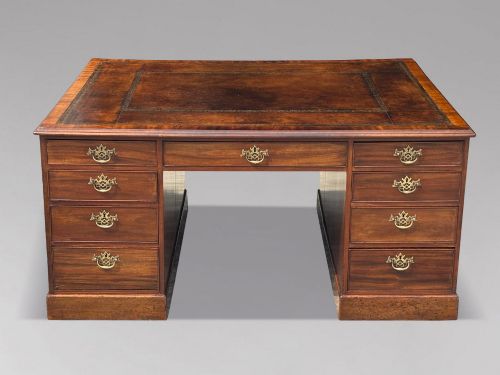
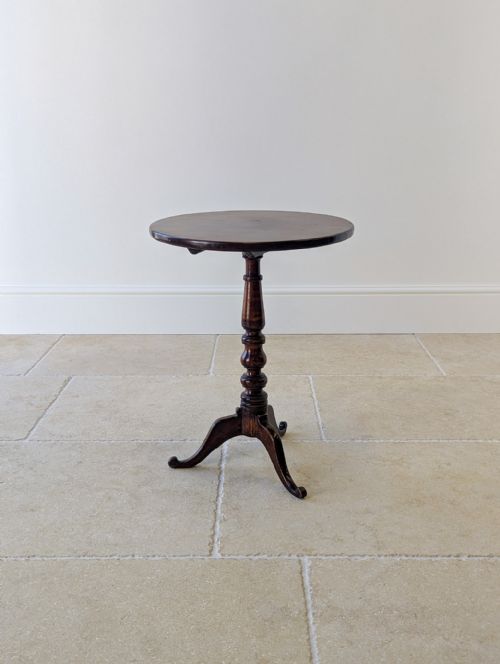

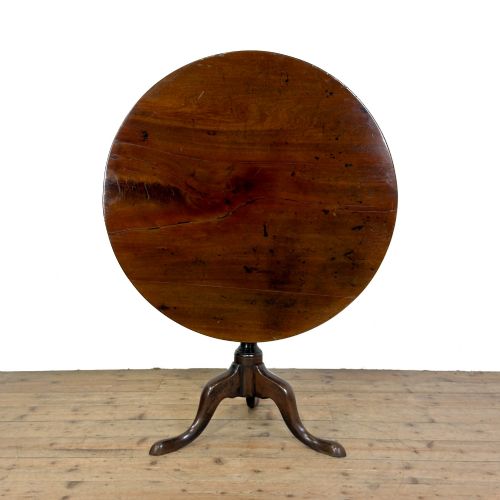
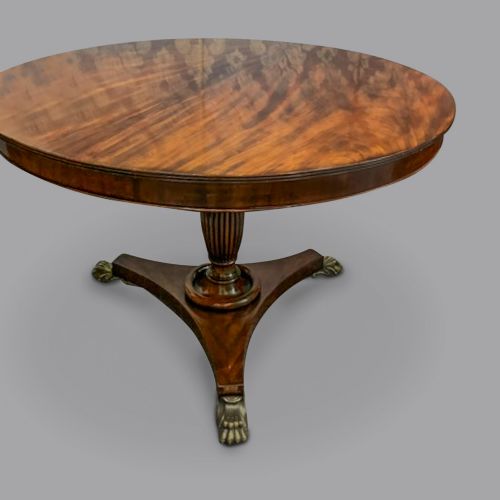
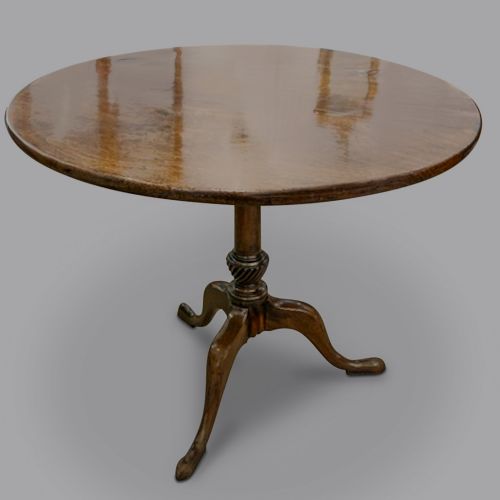
George III Pedestal Table
A george iii pedestal table brings Georgian proportion and timber depth into a room, offering a sturdy central column that supports dining or occasional use.
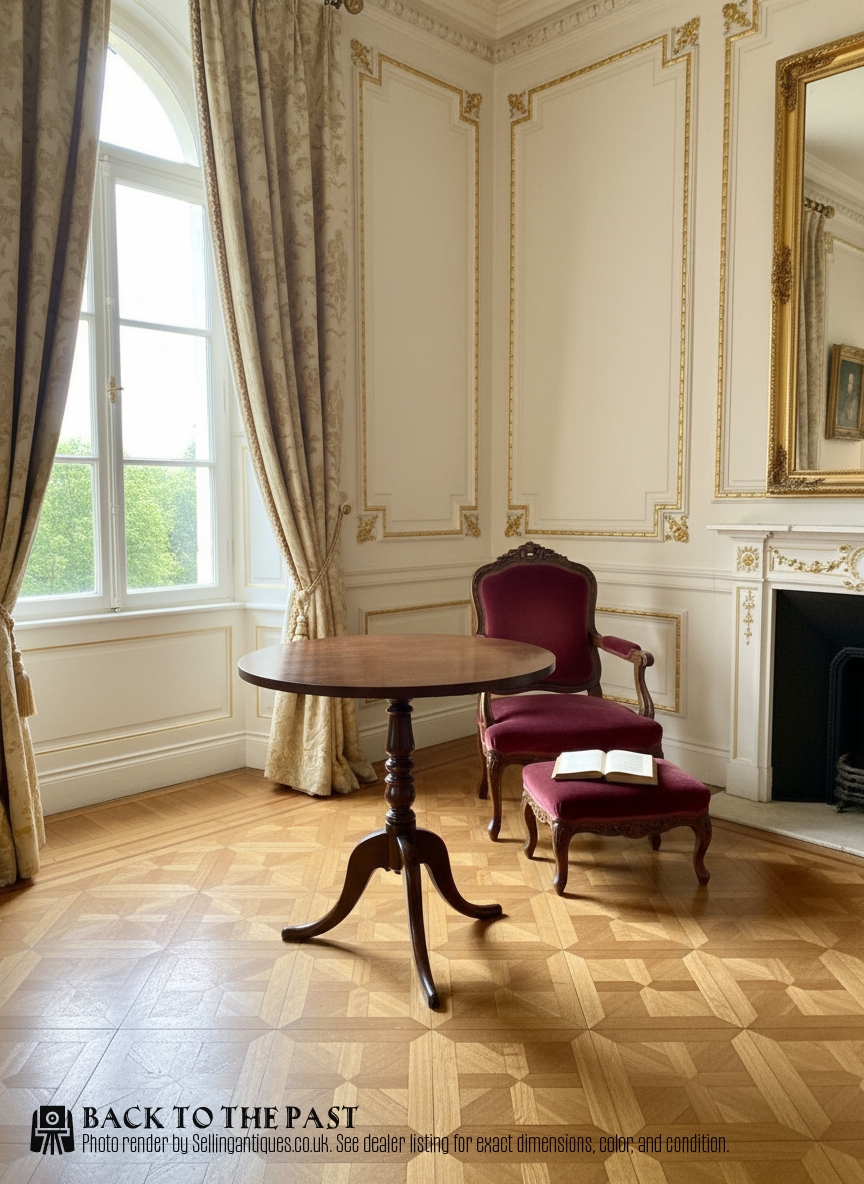
Identifying the george iii pedestal table
A george iii pedestal table spans dining tables, breakfast pieces, and smaller occasional forms supported by a central column. Buyers encounter large multi-pillar dining versions alongside single-pedestal tilt-top and Pembroke examples.
The period covers pieces made during the Georgian era and around the turn of the nineteenth century. Common formats include twin and triple-pillar dining tables as well as tripod bases.
Timbers range from standard mahogany to figured variations, alongside occasional examples in oak or elm. These tables serve daily utility or formal dining while displaying the characteristic weight of the period.
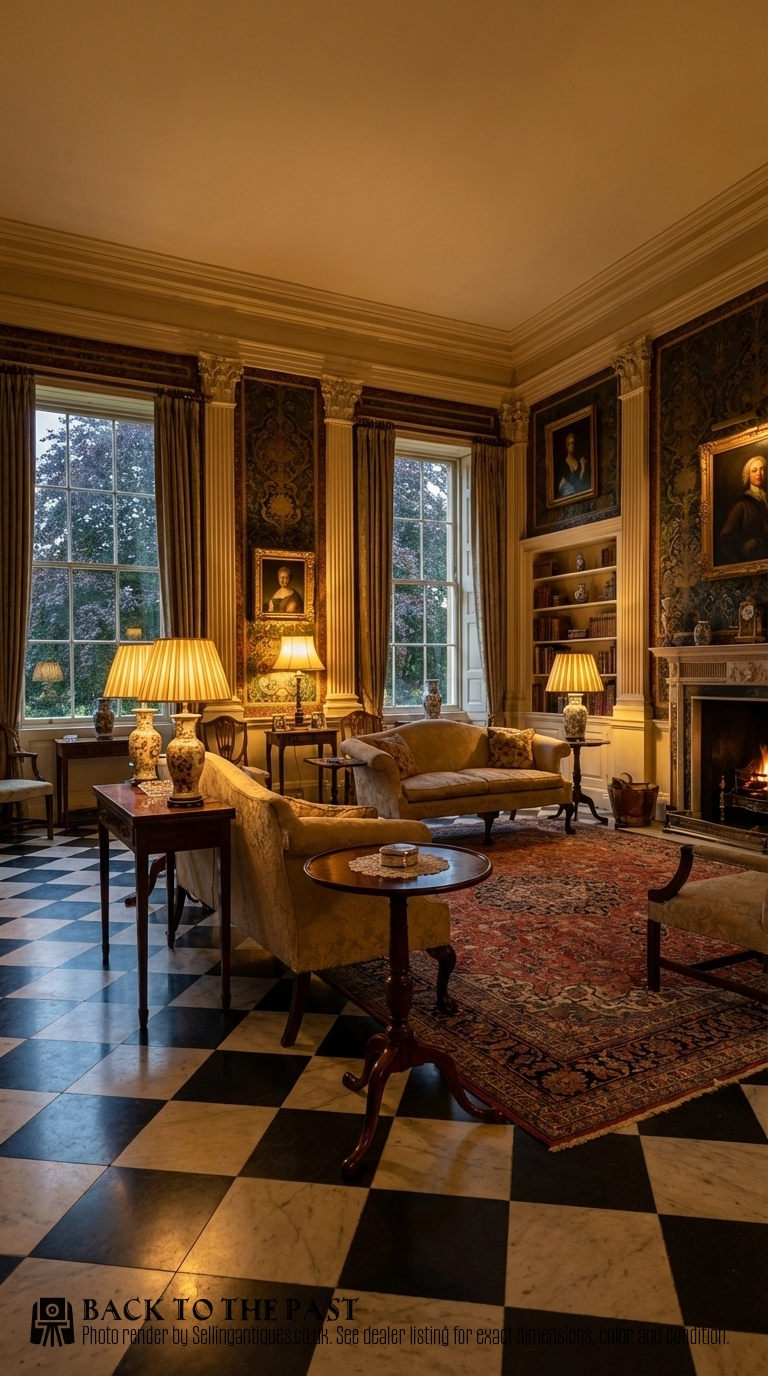
Construction and Materials
Cabinetmakers utilised solid mahogany, Cuban mahogany, and plum pudding mahogany for surfaces and structural columns. Brass elements appear in castors and fittings, while occasional pieces utilise oak and elm.
Joinery techniques include tilt-top mechanisms, extending pillar structures with multiple bases, and turned tripod supports. Timber surfaces often display figuring enhanced through polishing.
Retail Price Guide 2026
Typical UK retail prices for george iii pedestal table, calculated from the Sellingantiques database of over a million retail prices indexed since 2003. This retail price guide relies exclusively on Sellingantiques data; no external sources or auction records are used, so the figures do not describe the wider market.
Object forms span dining tables, Pembroke tables, occasional tables, side tables, and work tables.
Judging Quality and Execution
Superior examples distinguish themselves through the choice of timber, notably dense Cuban mahogany or figured plum pudding grain. The weight and stability of the pillar and leg assembly dictate the structural integrity.
Proportion and scale separate functional dining tables from lesser domestic pieces. The refinement of turned columns and brass castors marks the distinction between standard workshop output and finer cabinet work.
The George III Pedestal Table Glossary
- Tilt-Top
- A mechanism allowing the table surface to pivot vertically when not in use. It saves floor space in smaller rooms.
- Tripod Base
- A three-legged pedestal support spreading outward for stability. This form commonly underpins occasional and dining tables.
- Twin Pedestal
- A table structure supported by two separate columns. This arrangement allows extending lengths for dining.
Frequently Asked Questions
How do I seat six people comfortably?
Look for larger single-pedestal breakfast tables or compact twin-pillar formats designed for moderate gatherings. Check the clearance between the central pillars and the outer legs to ensure chairs slide underneath.
Measuring the top surface dimensions provides a reliable guide for chair placement. Extendable multi-pillar versions offer additional flexibility when hosting dinner guests.
What is a tilt-top mechanism used for?
The tilting mechanism allows the tabletop to lock into a vertical position against the pedestal base. This practical design saved floor space in period drawing rooms.
Modern buyers often utilise this feature for storage convenience or to display the timber grain when the table stands against a wall.
How do twin and triple pillar tables differ?
Twin-pillar tables use two central columns to support a single surface, often with extension leaves. Triple-pillar versions add a third column to accommodate longer formats.
Choosing between them depends on the scale of your dining room and the length required for seating multiple people.
What maintenance do these mahogany tables need?
Regular dusting with a dry cloth keeps the polished timber surface clean and prevents dust buildup. Avoiding direct sunlight protects the mahogany from fading over time.
Occasional waxing maintains the moisture in the wood and preserves the depth of the grain without requiring heavy restoration.