
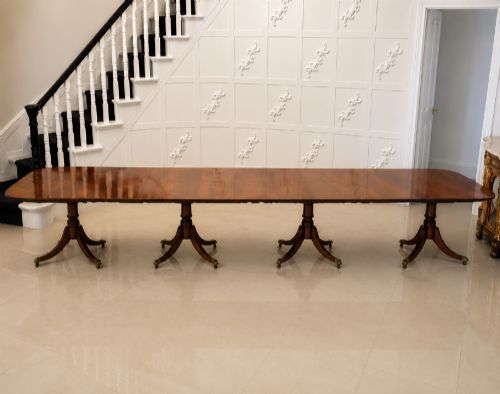
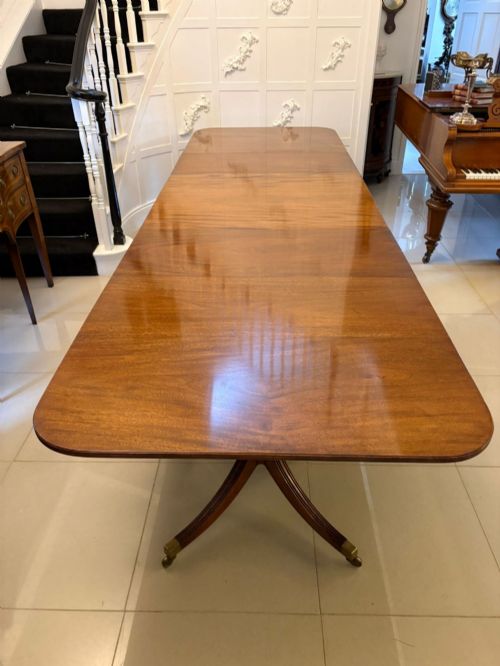
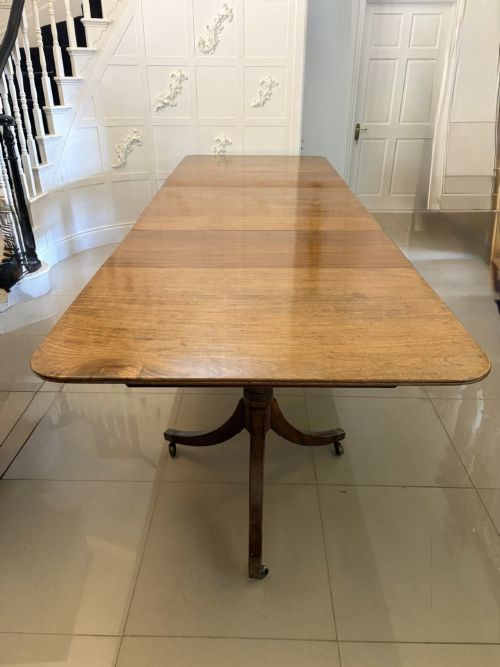


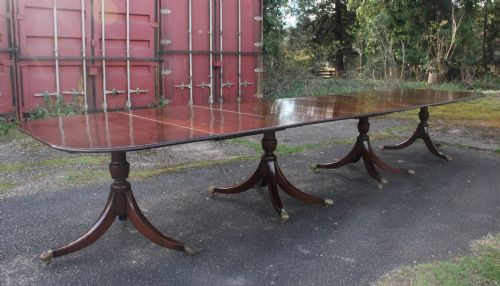
Large Mahogany Conference Table
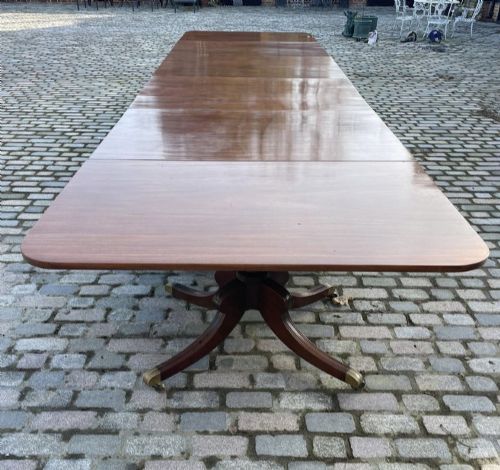
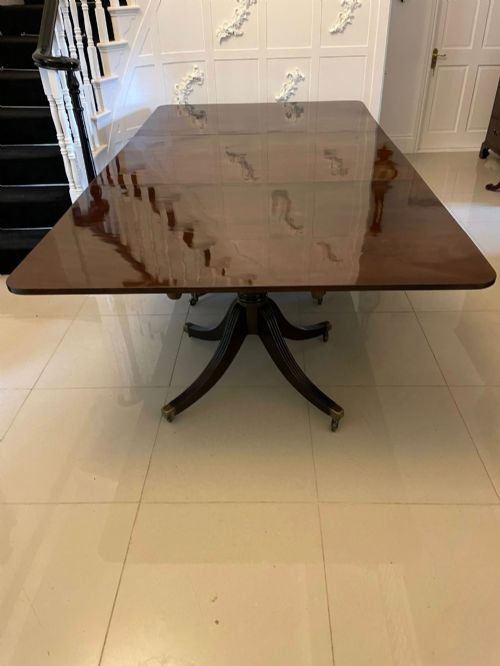
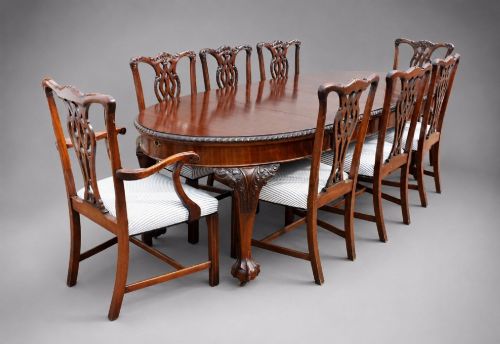
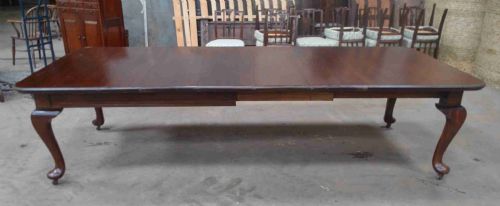
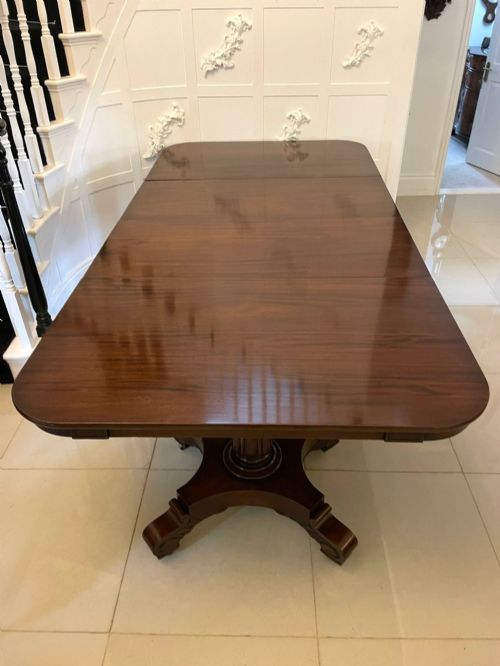
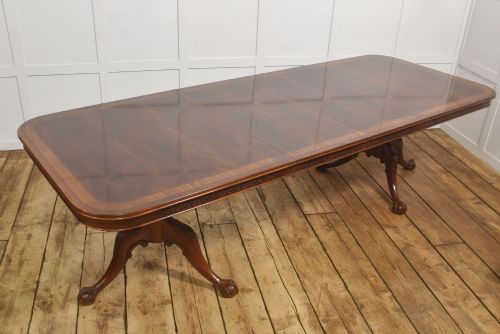
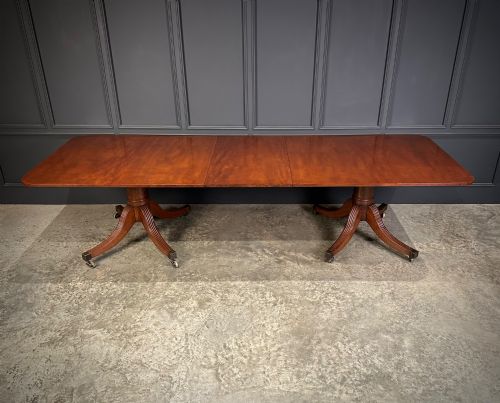
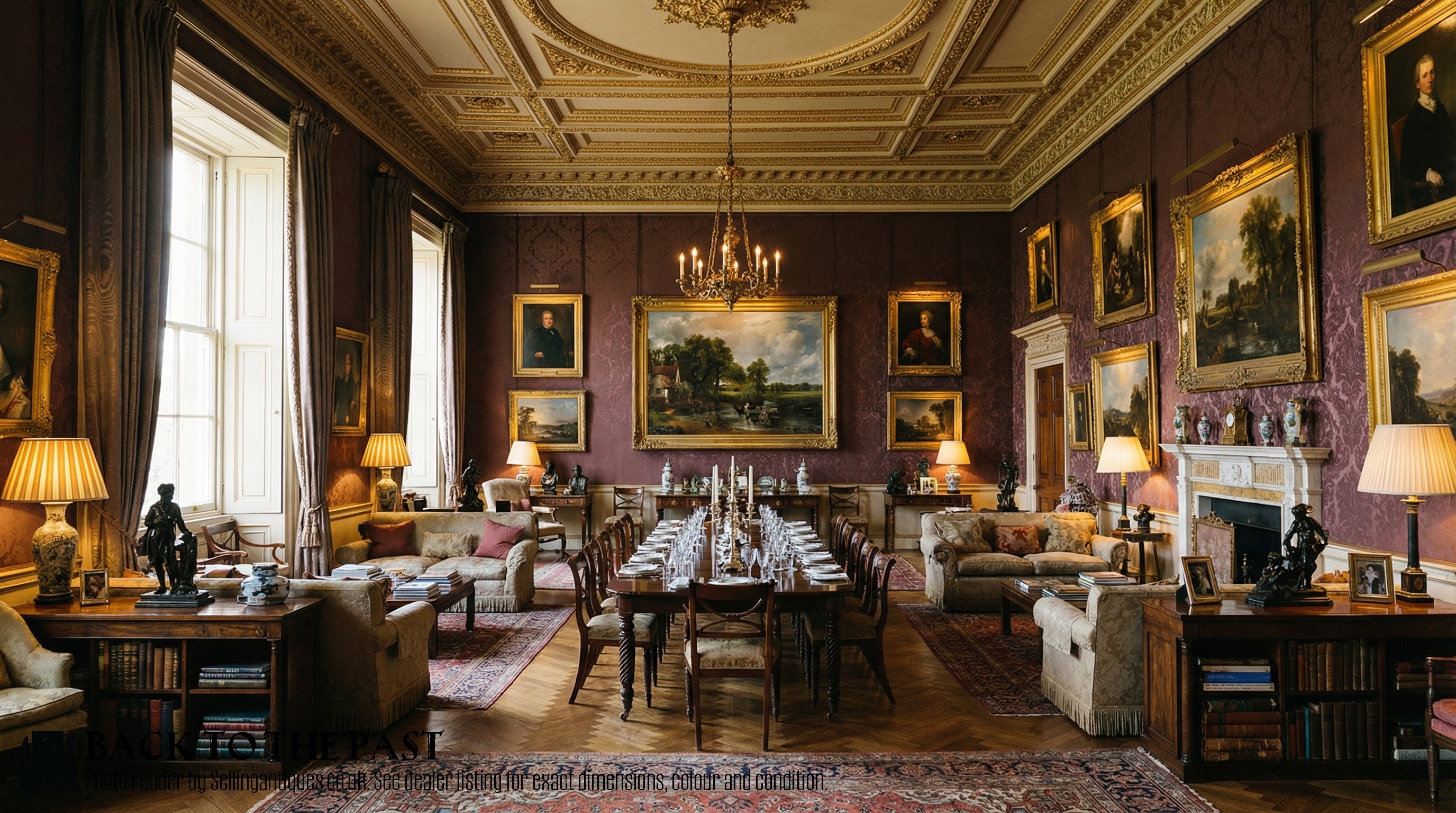
A large mahogany conference table brings substantial timber, pillar supports, and historic proportion into a modern boardroom or dining hall.
Large Mahogany Conference Table
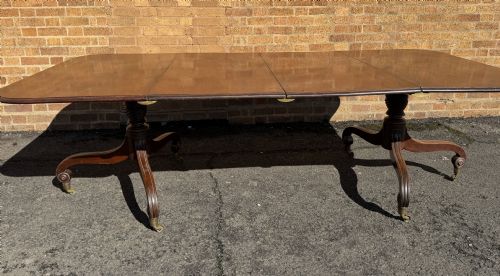
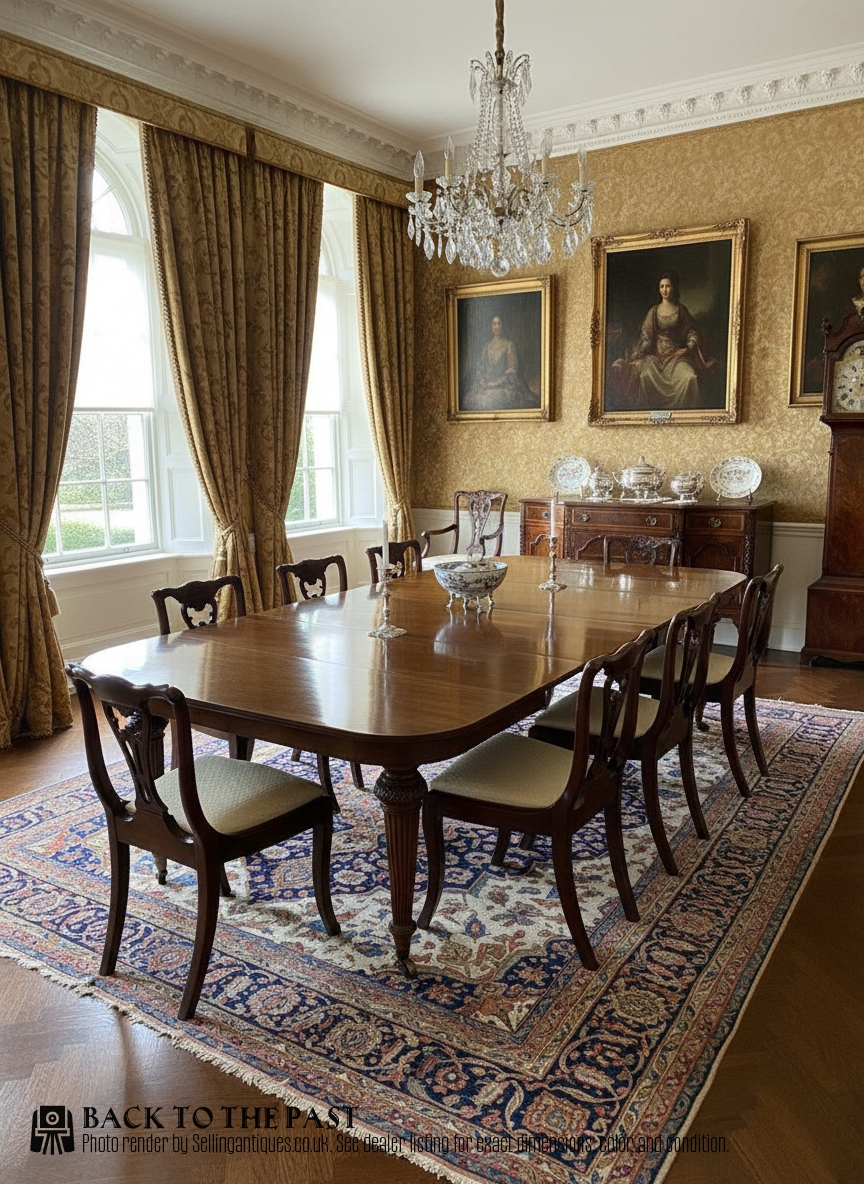
A large mahogany conference table typically takes the form of an extending dining table, often featuring multiple pedestals, drop-in leaves, and D-end sections designed to seat ten to over twenty guests. These substantial pieces originate primarily from the Georgian, Regency, Victorian, and Edwardian periods, as well as later revival eras.
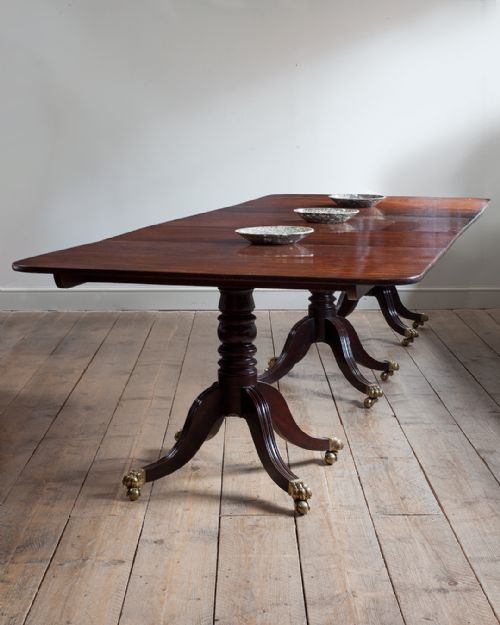
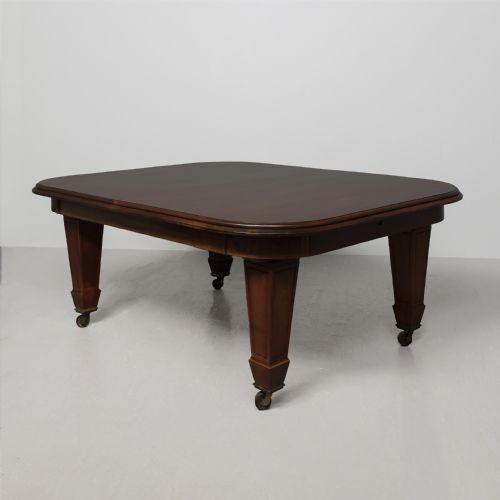
The listings on this page concentrate on multi-pillar configurations supported by brass castors and reeded legs, originally utilised in grand dining rooms and now serving boardrooms. Alongside period originals, the selection includes early twentieth-century boardroom tables and later revival pieces constructed to accommodate large gatherings.
How they were made
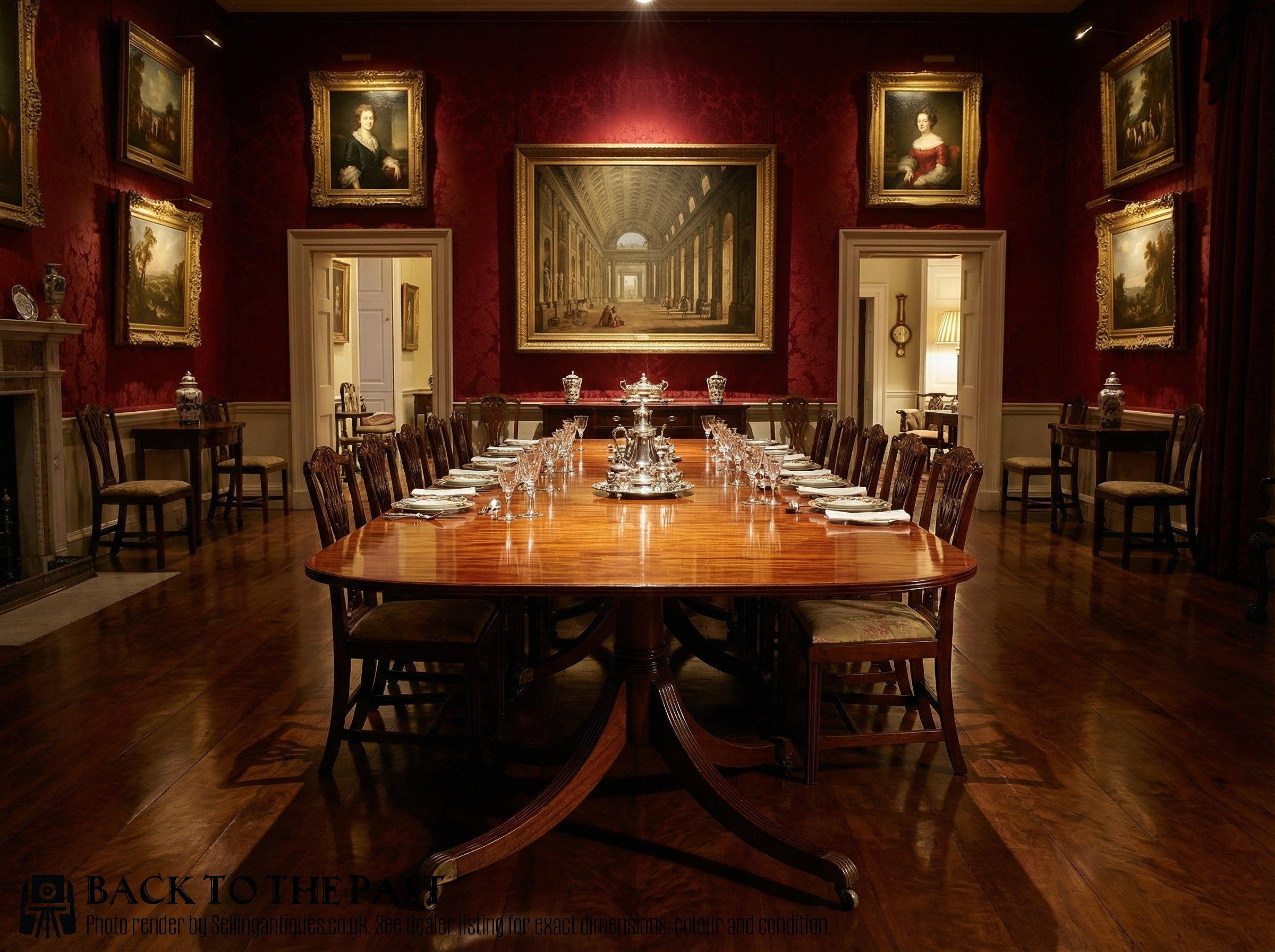
Cabinetmakers constructed these tables using solid and figured mahogany timber, frequently matched with satinwood inlay and supported by brass toe caps and castors on the pillar bases. Leaves were engineered to be inserted or removed via wooden runners and brass clips, allowing the overall length of the table to adjust according to the number of diners.
Pedestal bases were turned, carved, or reeded from dense blocks of mahogany, anchoring heavy expanses of timber while remaining mobile on metal wheels. Surface finishes applied to the mahogany panels relied on traditional polishes that highlighted the deep grain patterns of the wood.
Large Mahogany Conference Table Retail Price Guide 2026
Typical asking prices for large mahogany conference table among the pieces listed under this phrase on Sellingantiques today, from the lower quarter to the upper quarter. They describe what is for sale here now, not the wider market.
Some nineteenth-century dining tables were built long enough to require a small crew of people just to rearrange the leaves.
What varies in quality
Quality in a large conference table rests upon the choice of figured mahogany timber and the consistency of the grain across matching leaves added over time. Tables that retain their original set of numbered leaves display a uniformity of colour and timber selection that assembled sets lack.
The engineering of the pedestal mechanism and the robustness of the pillar supports dictate how steadily a very long top handles frequent extension. Finer examples exhibit crisp carving on the pedestal bases and precise joining where the D-ends meet the central leaves.
Gillows·Wylie & Lochead·Whytock & Reid·Robert Adam
The Large Mahogany Conference Table Glossary
- Pedestal
- A central column supporting the table top, often dividing into three or four legs with brass castors. Multiple pedestals are necessary to bear the weight of very long tables.
- D-End
- A semicircular table section resembling the letter D, used individually against a wall or joined with other sections to form a long banquet table. These ends often detach to leave a smaller central table.
- Leaf
- A removable section of timber inserted into the centre of an extending table to increase its seating capacity. Original leaves match the grain and thickness of the main table sections.
- Reeded
- A decorative moulding consisting of parallel convex strips carved directly into the mahogany leg or pillar. This finish appears frequently on Regency and revival furniture.
- Figured mahogany
- Timber selected for its decorative, rippled grain patterns rather than a plain surface. Highly figured boards were reserved for the visible top panels of superior tables.
Large Mahogany Conference Table: Frequently Asked Questions
How do I know if the leaves are original?
Original leaves match the timber grain, colour, and edge moulding of the main table sections exactly. They also typically bear carpenter's numbering corresponding to the main frame.
Later replacement leaves often show slight variations in mahogany hue and lack the precise joinery found on period examples.
How many people can these tables seat?
Seating capacity ranges from ten guests on twin-pedestal models up to twenty-eight guests on extended four-pillar arrangements. The addition of multiple leaves determines the final seating length.
Measuring the clearance between pedestals helps confirm whether chairs fit comfortably along the entire span.
How do I care for a mahogany surface?
Mahogany surfaces require regular dusting with a soft cloth and occasional treatment with traditional wax polishes to maintain the timber's lustre. Direct sunlight and sudden changes in room humidity should be avoided to prevent the wood from warping.
Using heat-resistant mats protects the polished finish from moisture and warm serving dishes during regular use.