
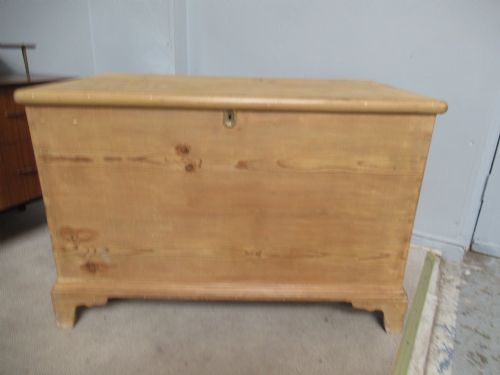
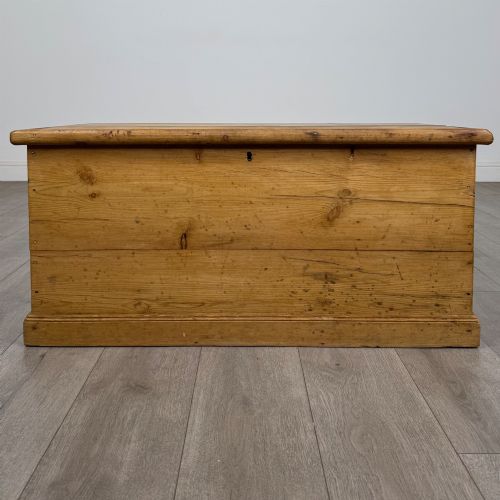

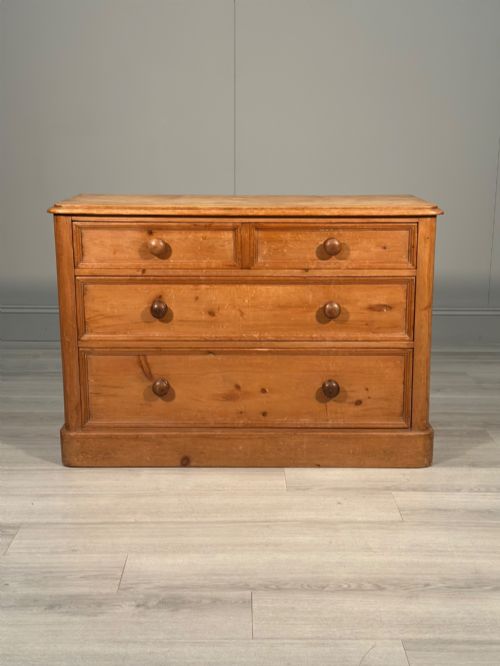
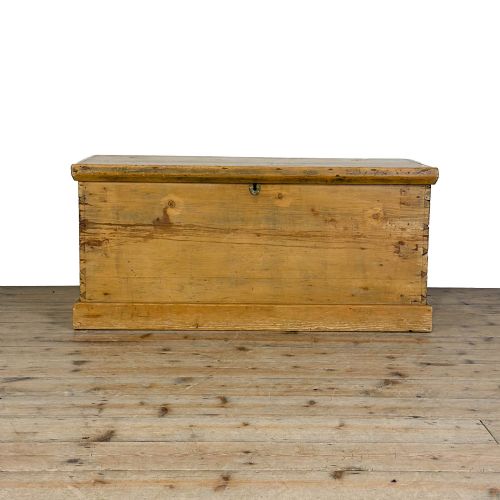
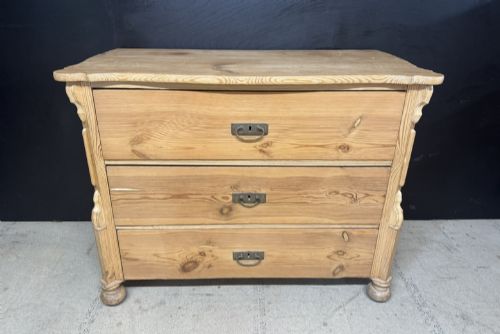
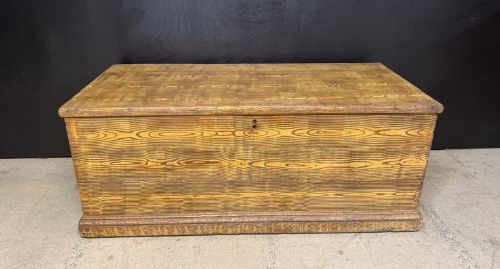
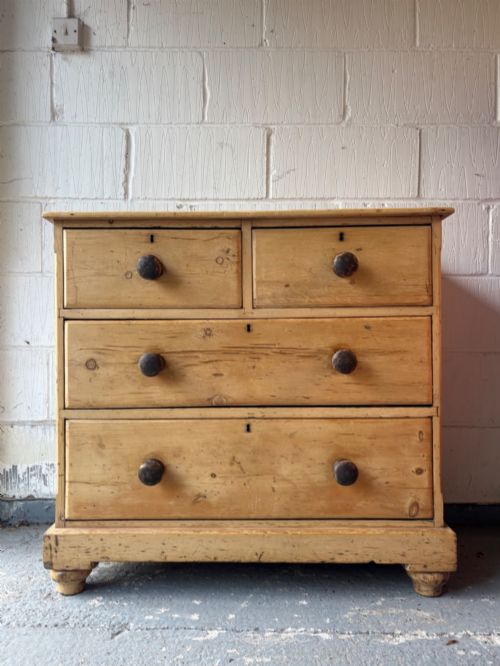
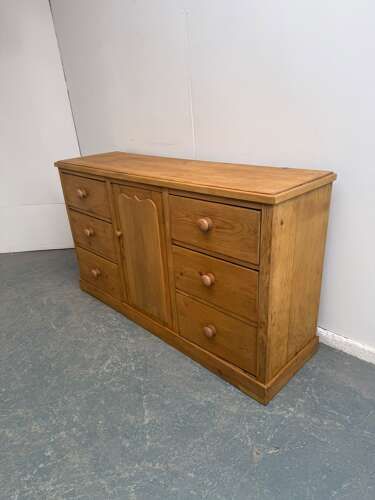
Traditional Pine Storage Chest
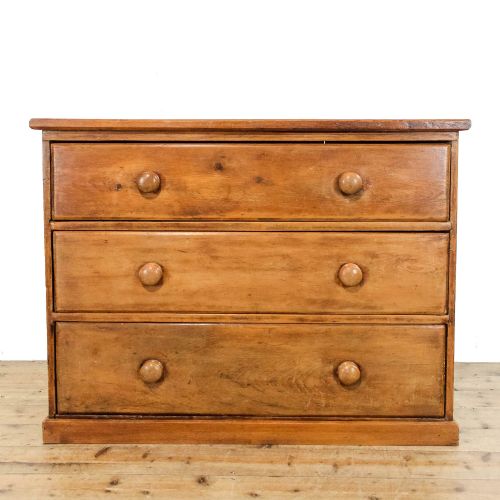
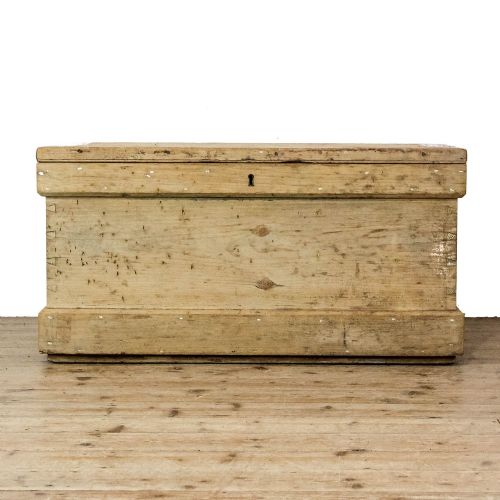
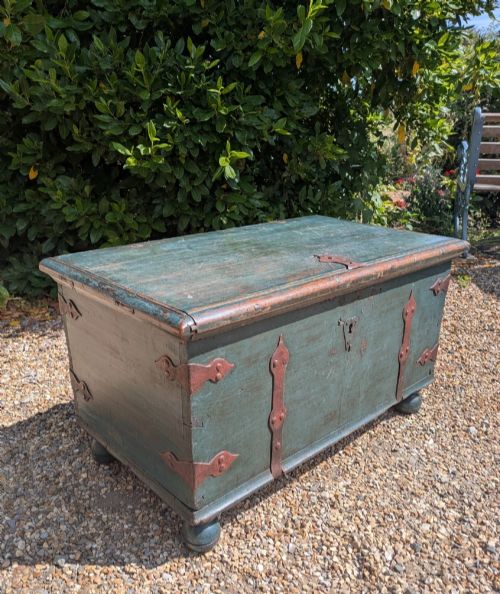
These traditional pine storage chest examples offer honest utility and timeless rustic charm, crafted to hold linens, tools or blankets.
What They Are
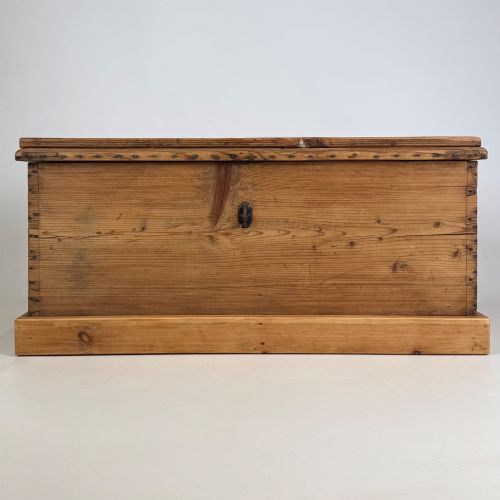
A traditional pine storage chest serves as a practical utilitarian box or drawer unit designed for household storage needs. These pieces emerge from Georgian, Victorian, and nineteenth-century periods, showing regional influences including Scandinavian country and rustic farmhouse styles.
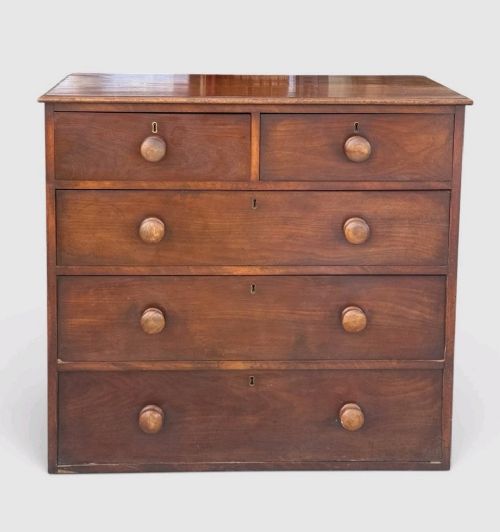
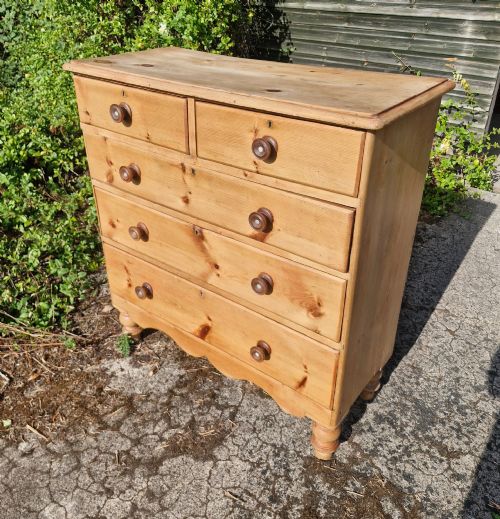
The selection on this page encompasses various forms such as mule chests with lower drawers, blanket boxes, tool chests, and multi-drawer chests of drawers. Buyers encounter both stripped wood surfaces and painted finishes, often retaining their original waxed patination.
How They Were Made
Maker workshops built these items primarily from solid pine wood, chosen for its accessibility and workability. Joinery relies on traditional carpentry methods suited to robust domestic and agricultural service.
Hardware elements such as hinges, handles, and escutcheons utilise wrought iron or brass, securing lids and drawer structures. Surfaces receive either protective wax coatings or coats of paint in light grey and other traditional tones.
Retail Price Guide 2026
Typical UK retail prices for traditional pine storage chest, calculated from the Sellingantiques database of over a million retail prices indexed since 2003. This retail price guide relies exclusively on Sellingantiques data; no external sources or auction records are used, so the figures do not describe the wider market.
Listings span the eighteenth, nineteenth, Victorian, and Georgian periods, utilising pine alongside brass, iron, and paint.
What Varies in Quality
Quality rests upon the integrity of the timber, the sophistication of the joinery, and the preservation of original surfaces. Earlier Georgian and 18th-century examples display finer proportions and hand-carved details compared to later utilitarian pieces.
The presence of original hardware, unaltered paint or wax patination, and functional drawers or lidded compartments elevate the standing of a piece. Lesser quality often involves replacement fittings, inappropriate stripping, or structural alterations from heavy use.
The Traditional Pine Storage Chest Glossary
- Mule chest
- A traditional storage chest featuring one or more drawers beneath the main lidded compartment. This form bridges the gap between the blanket chest and the chest of drawers.
- Blanket box
- A deep lidded trunk traditionally used for storing woolen blankets, linens, and textiles. These often form the foundation of country domestic furniture.
- Waxed pine
- A wood finish achieved by applying natural wax to the timber surface, protecting the grain while developing a deep sheen over centuries. This treatment highlights the natural knots and growth rings of the pine.
- Wrought iron
- Iron beaten into shape by hand, commonly utilised for robust strap hinges, corner brackets, and carrying handles on utilitarian chests. Its fibrous texture distinguishes it from cast alternatives.
Frequently Asked Questions
How do I date a pine chest?
Dating relies on construction methods, hardware types, and timber characteristics observed across Georgian and Victorian eras. Earlier pieces often display hand-cut joinery and forged iron fittings.
Later Victorian iterations tend to utilise machine-sawn elements and brass or cast hardware. Examining the backboards and interior linings provides further chronological clues.
What is a mule chest?
A mule chest combines a traditional lidded trunk with one or more lower storage drawers. This design evolved to provide easier access to stored clothing without requiring items to be lifted out from the top.
Georgian examples frequently incorporate this hybrid form into country interiors.
Should I choose painted or waxed pine?
Waxed pine reveals the natural grain, knots, and warm honey tones of the wood developed through decades of handling. Painted surfaces, such as traditional grey finishes, reflect Scandinavian and regional British decorative traditions.
The choice depends on whether you prefer exposed timber warmth or historic painted patination.
How do I care for antique pine?
Maintain antique pine by keeping it away from direct heat sources and dramatic humidity fluctuations, which can cause timber to split. Apply a microcrystalline wax periodically to nourish stripped surfaces.
Avoid harsh chemical cleaners that strip away historic patination.