


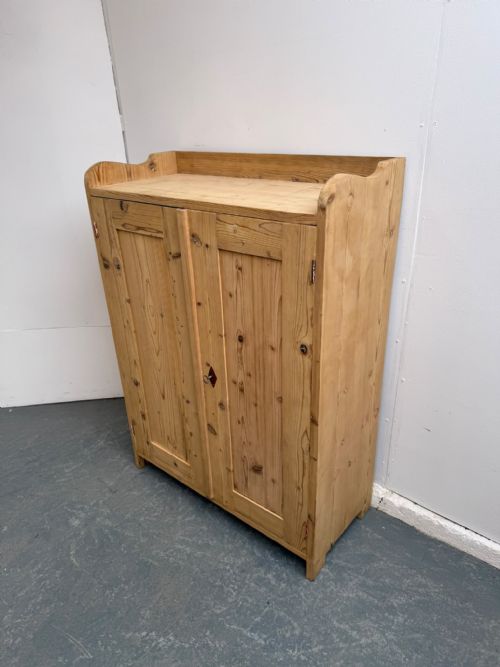
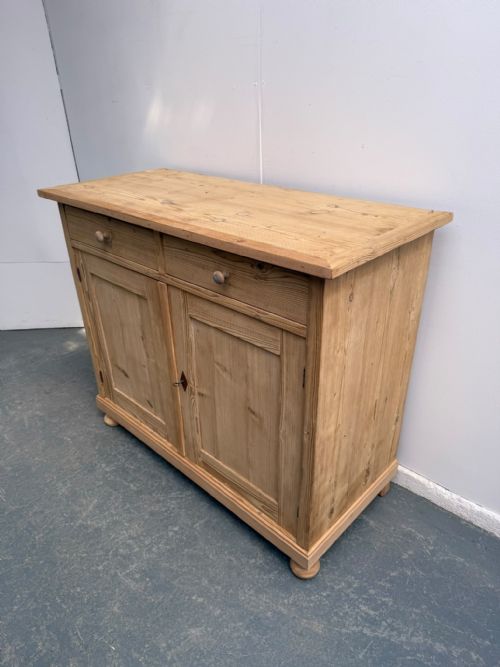
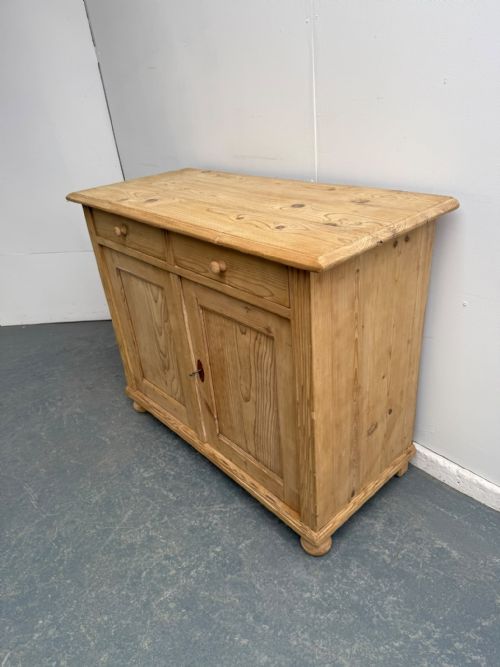
Stripped Pine Dresser
A stripped pine dresser brings rustic utility and honest warmth into a room, offering generous storage through deep cupboards and plate racks.
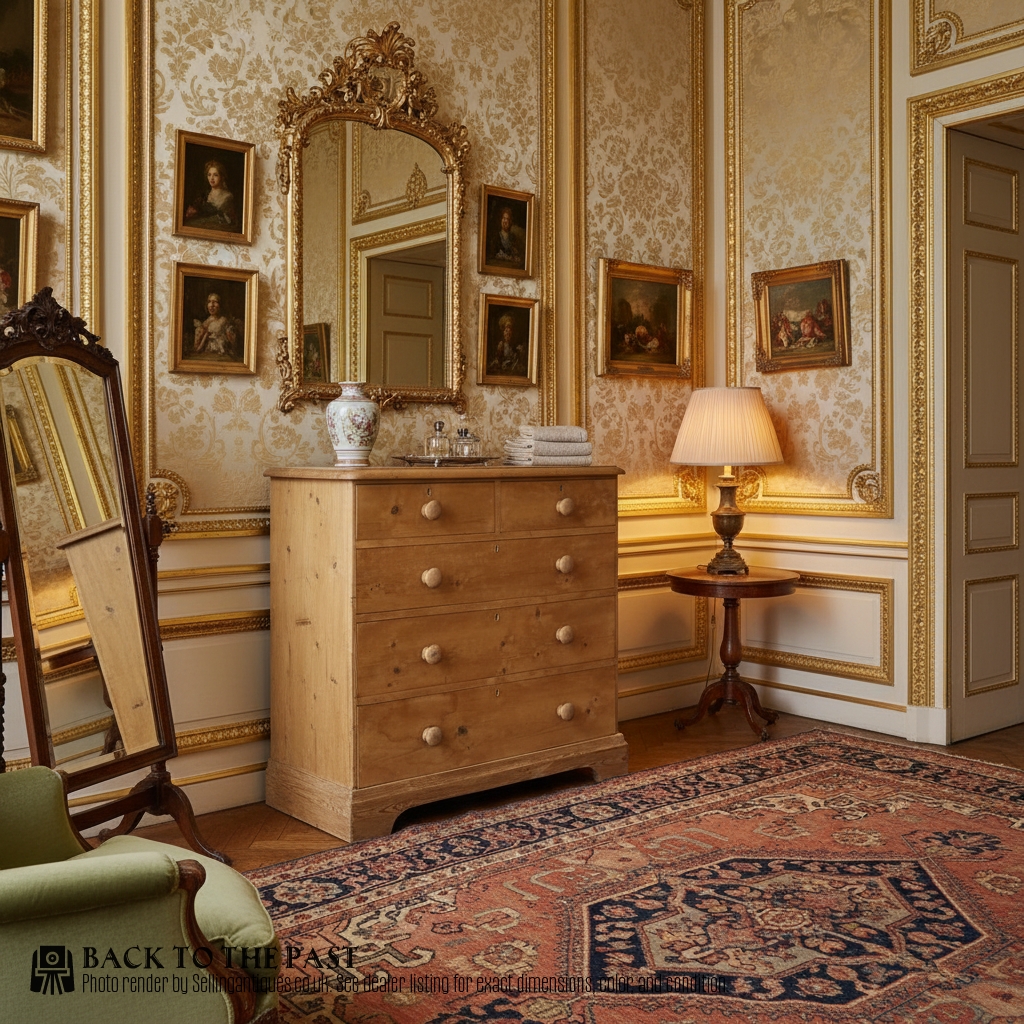
Stripped Pine Dresser
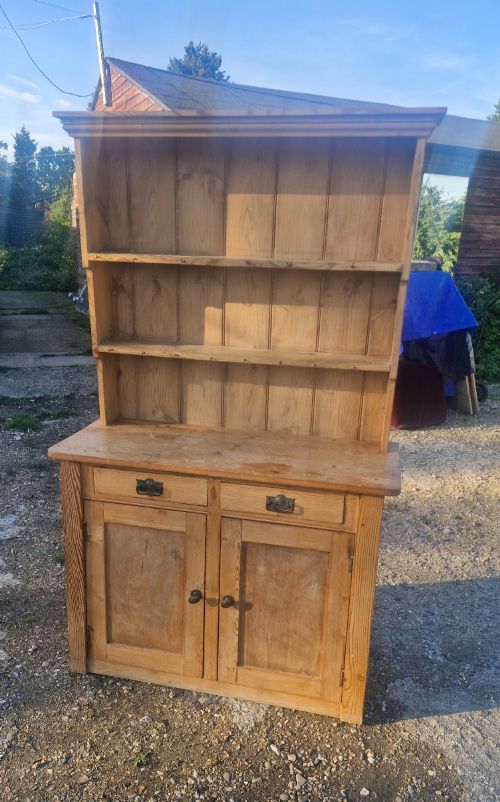
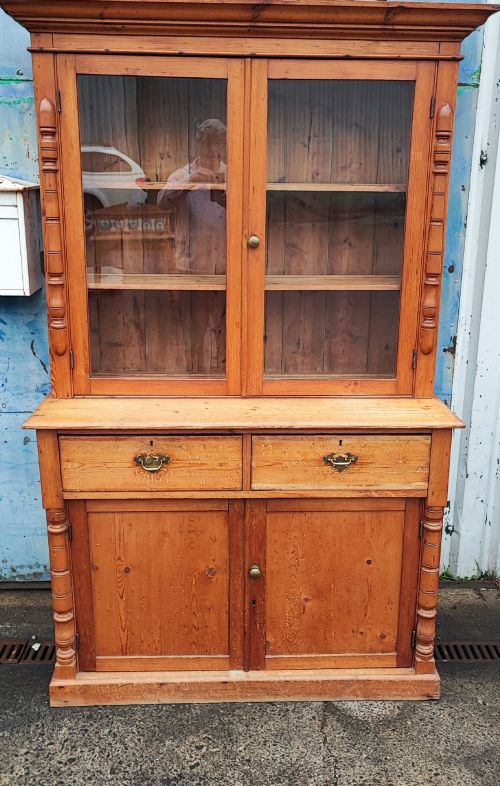
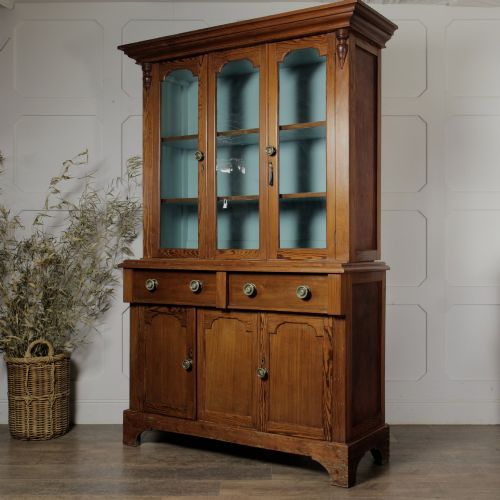
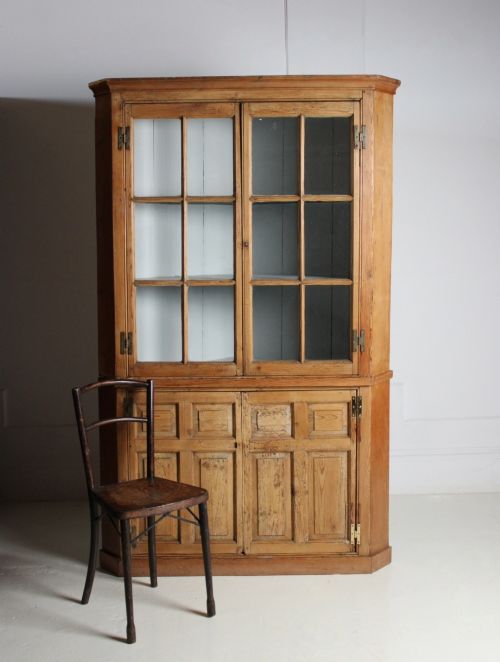
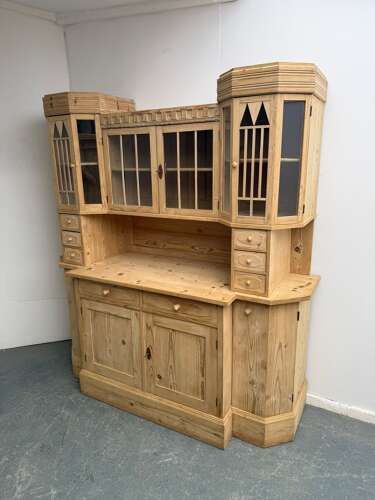
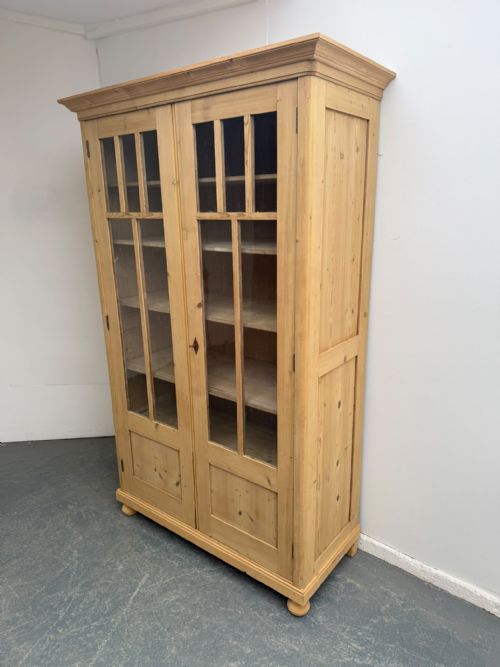
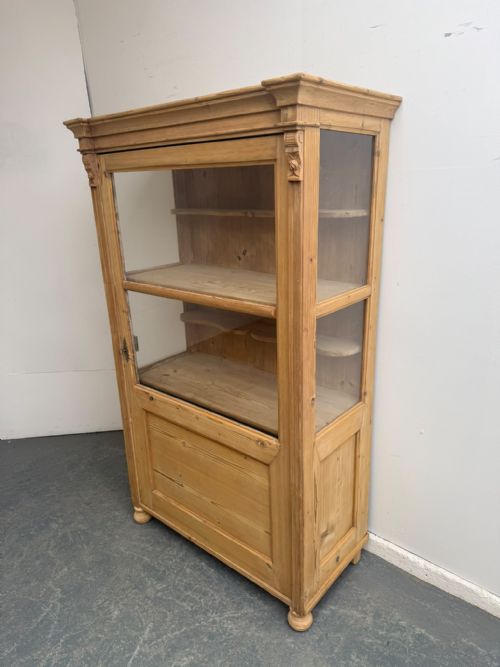
A stripped pine dresser is a substantial storage piece built primarily for kitchen and pantry use, featuring open shelving or glazed cabinets above a base of drawers and cupboards. These items originate predominantly from the Victorian and Edwardian eras, alongside some nineteenth-century examples.
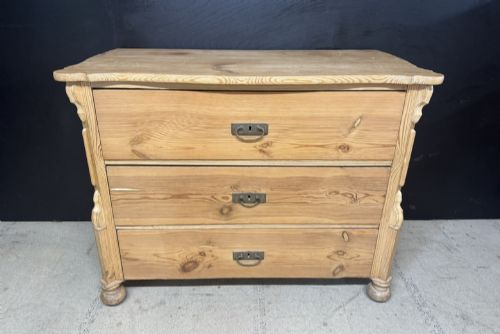
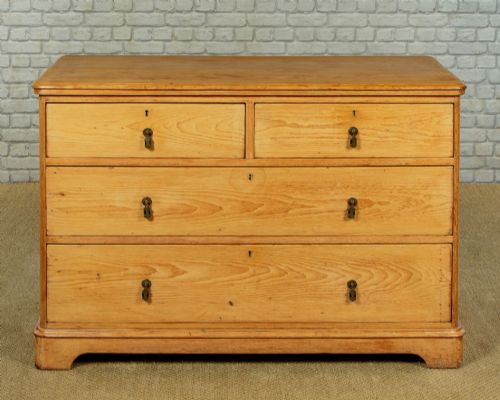
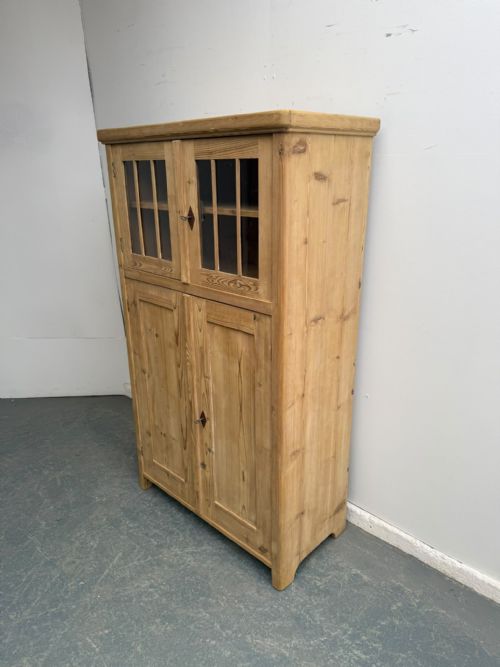
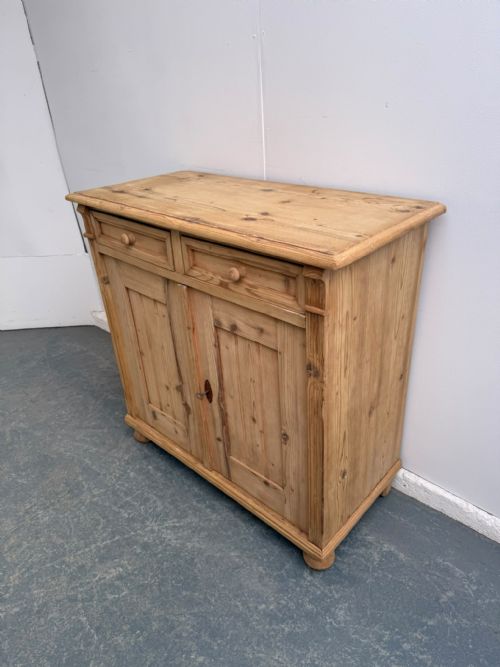
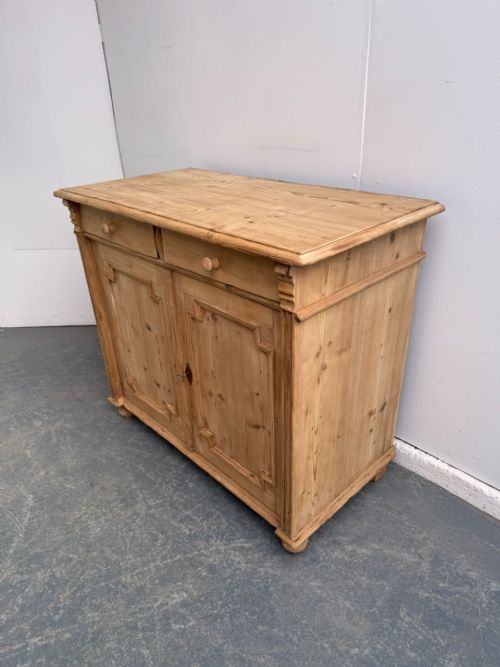
The versions most commonly met on this page range from large farmhouse kitchen dressers to narrow country dressers and lower dresser bases without the upper rack. Regional variations such as Cornish and Westcountry examples occasionally appear, alongside related storage forms like chests of drawers and glazed cabinets.
Makers working within these styles drew upon Victorian country and Arts and Crafts traditions, favouring robust utility over ornate flourish. Each piece carries the marks of domestic service, with stripped surfaces that expose the natural grain of the timber.
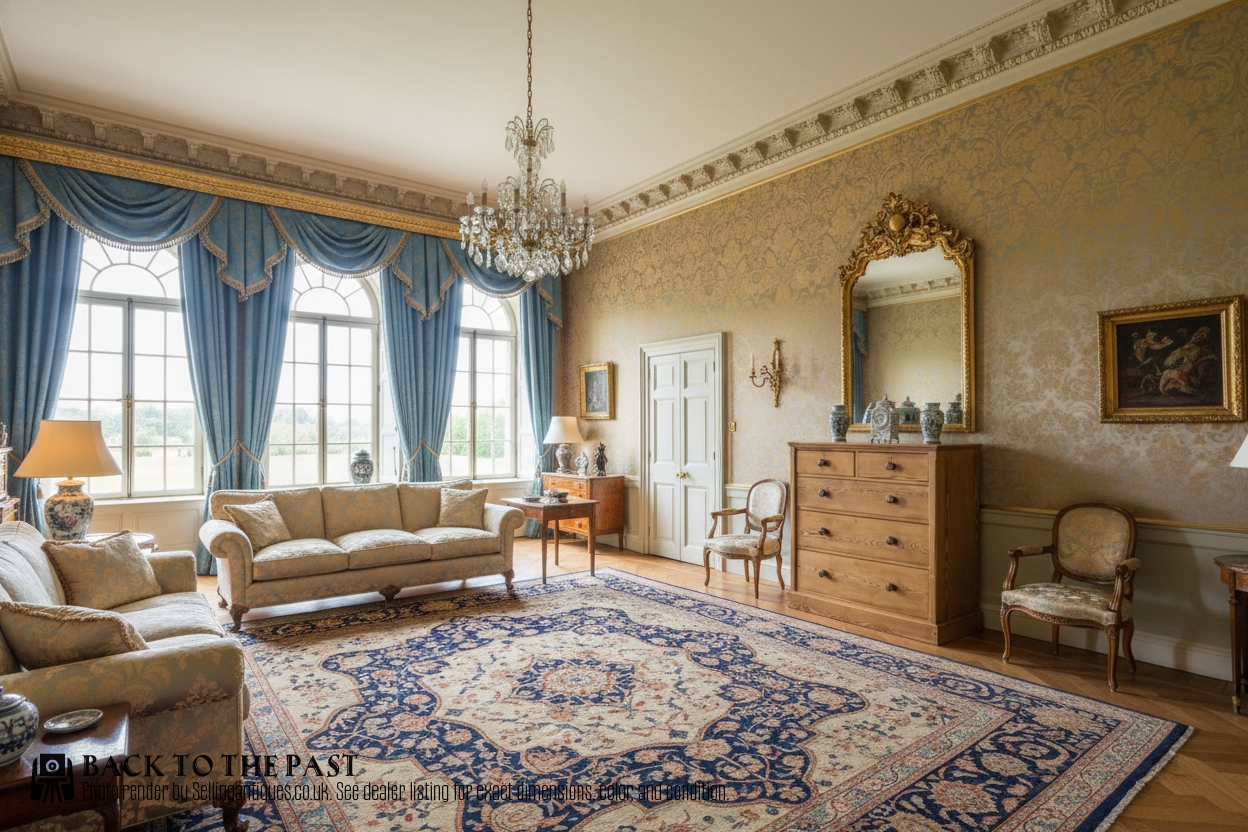
How they were made
Construction relies heavily on solid pine, chosen for its workability and availability in domestic workshops and regional cabinet-making operations. Joinery methods prioritise straightforward strength, accommodating the daily demands of farmhouse and kitchen environments.
Hardware details typically include brass, glass, iron, and other basic metals utilised for drawer pulls, hinges, and cabinet knobs. Surfaces that were originally painted or finished with dark varnishes have subsequently been stripped back to raw pine, preparing the timber for modern waxing or painting.
Stripped Pine Dresser Retail Price Guide 2026
Typical asking prices for stripped pine dresser among the pieces listed under this phrase on Sellingantiques today, from the lower quarter to the upper quarter. They describe what is for sale here now, not the wider market.
Countless generations of boiled potatoes have steamed near these timbers, leaving them thoroughly seasoned by domestic history.
What varies in quality
The distinction between a standard utility piece and a superior example rests in the proportion, timber selection, and originality of structure. Pieces displaying balanced cornices, well-proportioned lower cupboards, and undisturbed backboards command greater interest from collectors.
Proportion and scale dictate much of the character, particularly when comparing narrow country variants against huge farmhouse dressers. The integrity of the original pine and the subtlety of regional joinery further separate everyday storage from finer provincial cabinet work.
The Stripped Pine Dresser Glossary
- Pot board
- A low open shelf positioned near the floor of a dresser base, traditionally used for storing heavy pots and pans. This feature is characteristic of older country and farmhouse examples.
- Dresser base
- The lower section of a kitchen dresser, functioning independently as a sideboard or kitchen cupboard without the upper plate rack. These pieces offer flat top surfaces and enclosed lower storage.
- Cornish dresser
- A regional variant of the traditional kitchen dresser, often featuring specific proportions and local cabinetry details associated with the Westcountry and Cornwall. These pieces reflect distinct provincial building traditions.
- Glazed cabinet
- An upper or standalone storage section featuring glass-fronted doors designed to display crockery while protecting it from dust. This form appears frequently across Victorian dining and kitchen furniture.
- Arts and Crafts
- A design movement valuing handcraftsmanship, plain surfaces, and honest construction over mass-produced ornamentation. Pieces from this tradition emphasise the natural qualities of the timber.
Stripped Pine Dresser: Frequently Asked Questions
What is a stripped pine dresser?
A stripped pine dresser is a traditional kitchen or dining storage unit that has had its original paint or dark finish removed to reveal the natural softwood grain. These pieces typically combine open shelves or glazed upper cabinets with a sturdy base of drawers and cupboards.
Originally designed for practical domestic service in farmhouses and country homes, they now serve as statement storage furniture in modern interiors.
How do I date a pine dresser?
Dating a pine dresser involves examining the construction methods, hardware, and overall proportions against known period styles such as Victorian, Edwardian, or the nineteenth century. Tool marks, joint types, and the presence of original brass or iron fittings offer reliable clues to the era of manufacture.
Later pieces often incorporate simpler machine-cut elements, whereas nineteenth-century examples display more varied hand-planed surfaces and regional quirks.
Where were dressers used?
These dressers were primarily positioned in kitchens, pantries, and sculleries to hold everyday ceramics, dry goods, and culinary utensils. The upper racks displayed plates and platters, while the lower cupboards and drawers secured heavier kitchen inventory.
In contemporary settings, they transition easily into dining rooms, living spaces, and large kitchens for similar display and storage purposes.
How do I care for stripped pine?
Stripped pine benefits from regular applications of natural wax to nourish the dry wood and maintain a soft, protective sheen. Avoiding direct heat sources and excessive moisture prevents the timber from warping or splitting over time.
Gentle dusting with a dry cloth keeps the raw grain clear without stripping away the patina accumulated through decades of use.