

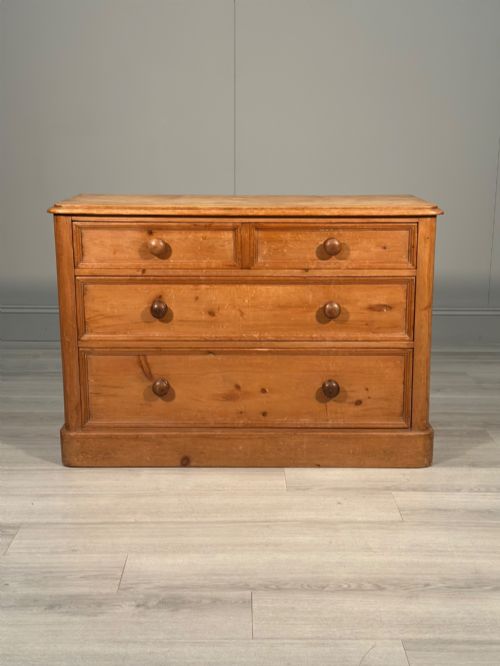
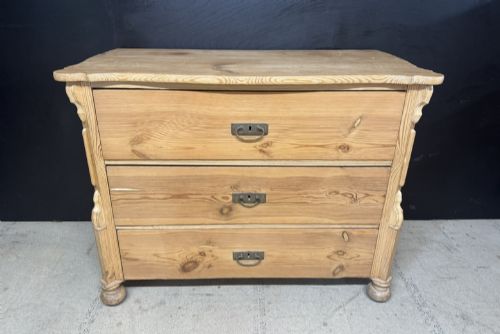
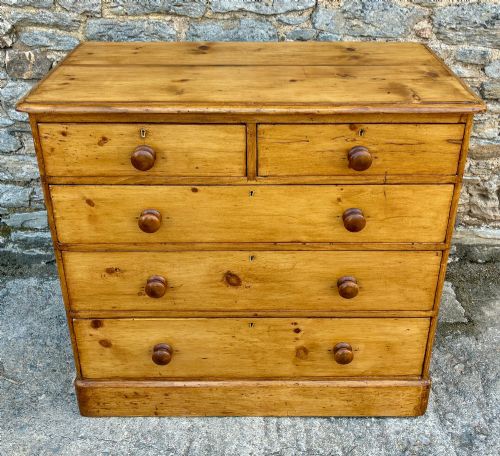
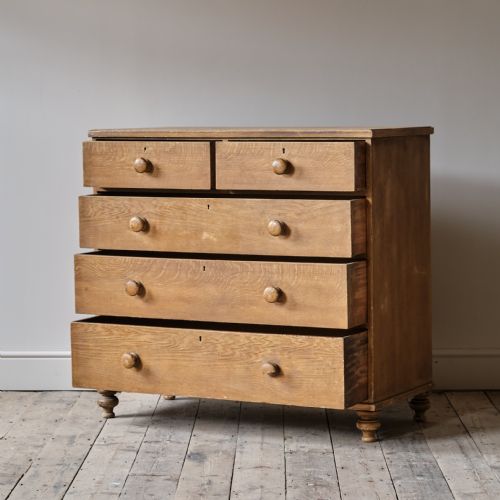
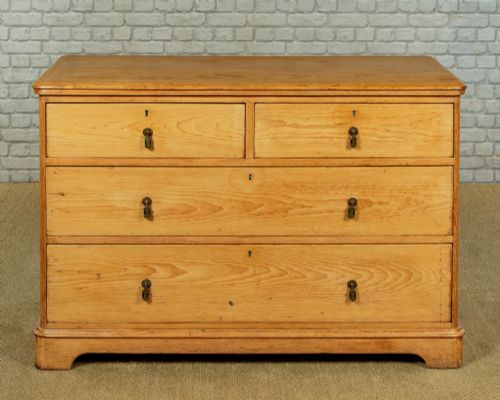
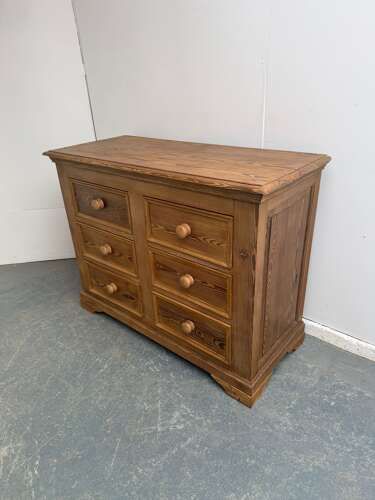
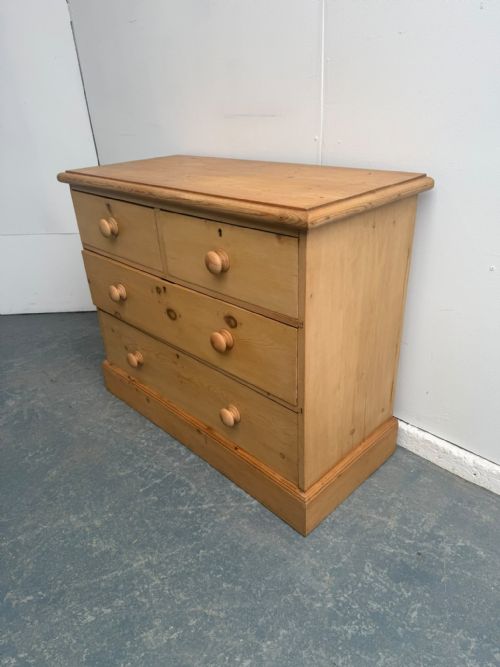
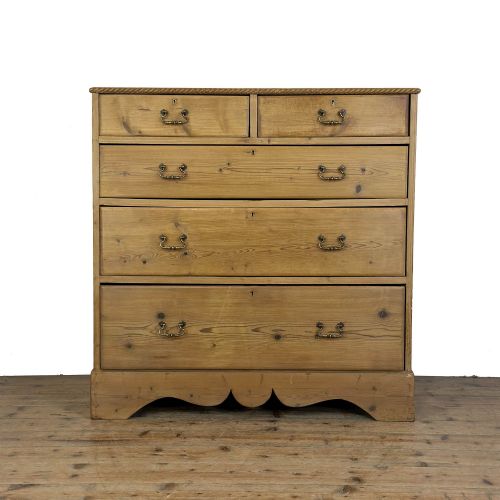

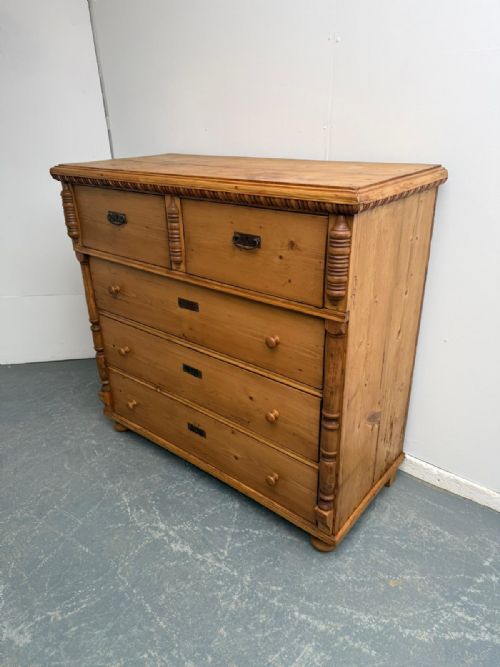

Traditional Pine Bureau
A traditional pine bureau offers rustic charm and practical workspace, combining fitted drawers with a sloping writing surface.
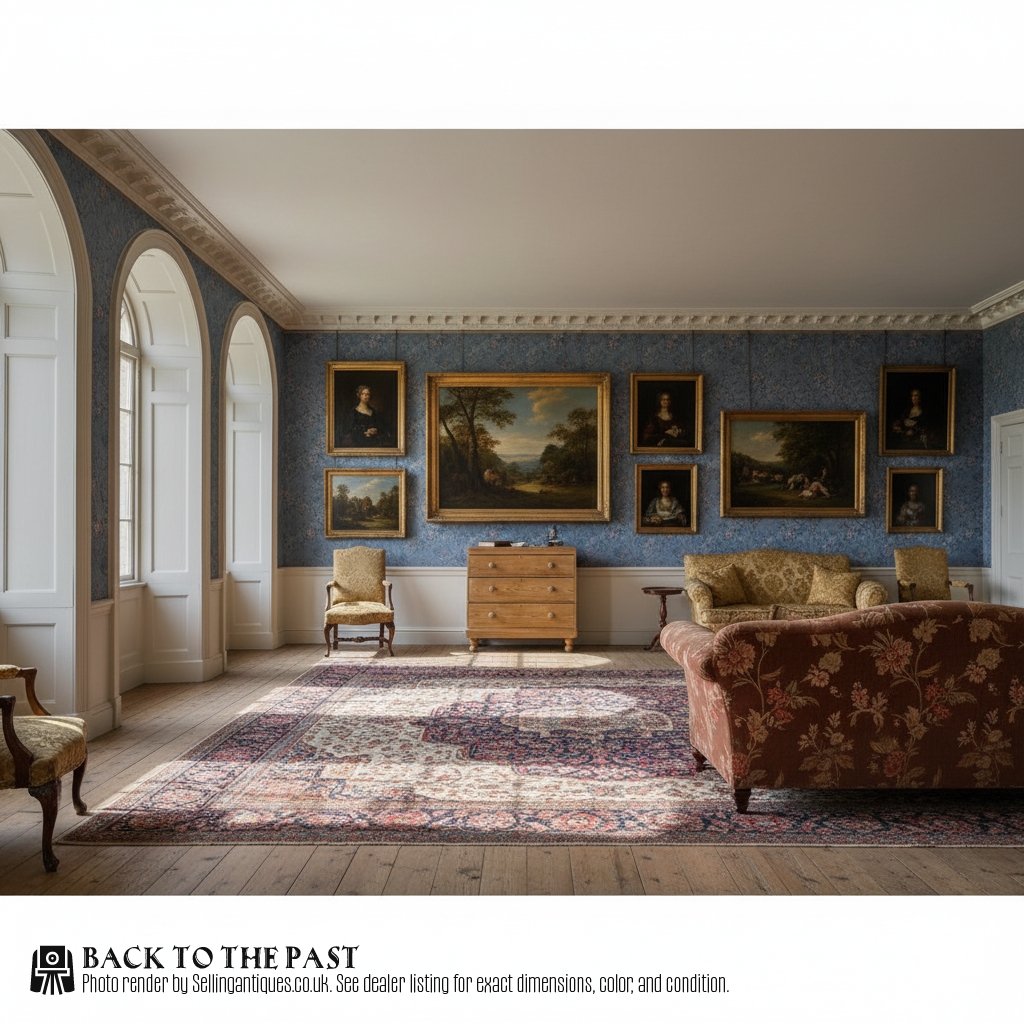
Traditional Pine Bureau
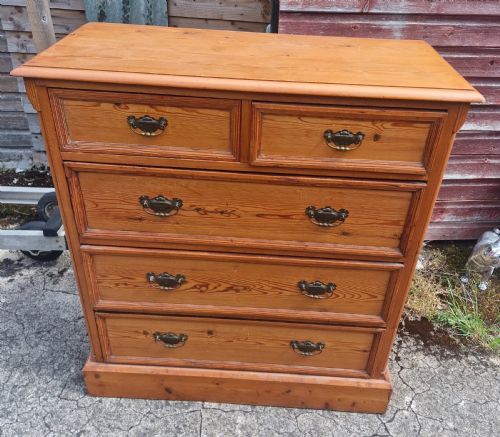
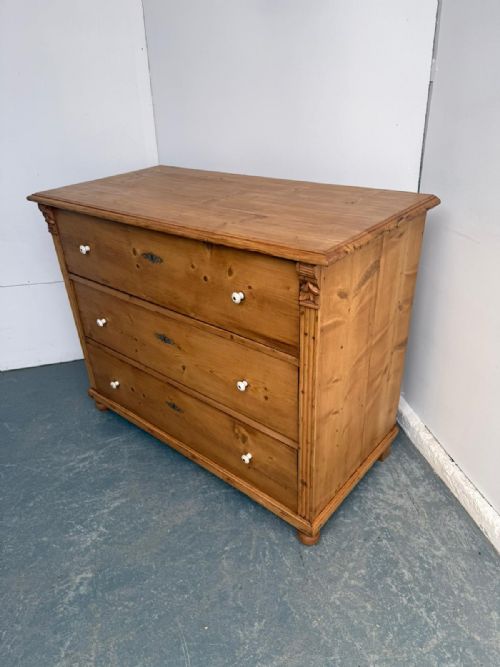
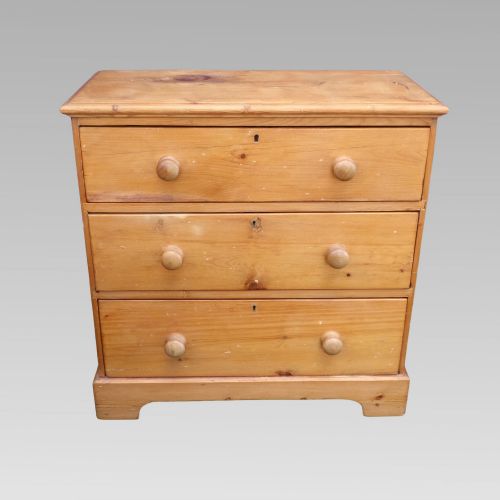
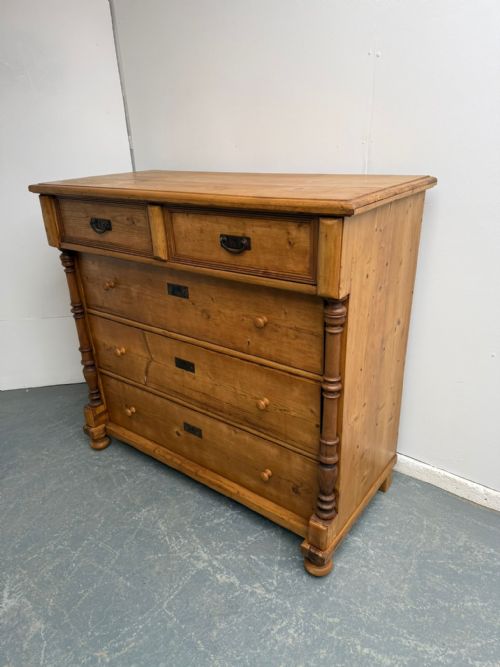
A traditional pine bureau brings together functional storage and a dedicated writing surface, often featuring internal compartments concealed beneath a sloping fall front. These practical pieces serve as both a chest of drawers and a writing desk, making them versatile additions to domestic spaces.
The pieces available on this page predominantly date from the Victorian and Edwardian eras, spanning the nineteenth and early twentieth centuries. Regional and continental styles appear alongside domestic British examples, showcasing diverse proportions and drawer configurations.
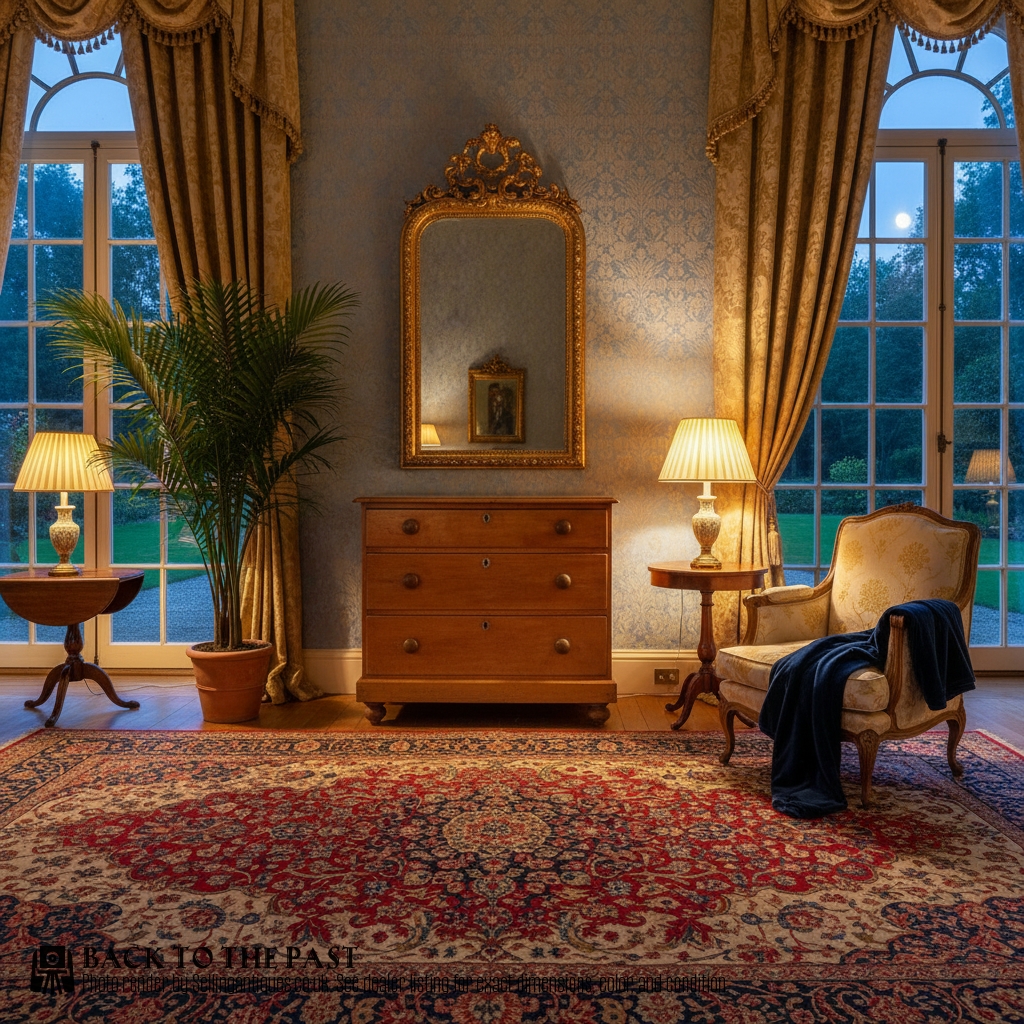
Materials and construction
Craftsmen built these pieces primarily using solid pine, sometimes enhanced with turned wood details, ceramic knobs, and brass or metal hardware. Surfaces were frequently treated with wax to nourish the timber or finished with original paint.
Structural elements often include pegged joints, drawer runners, and galleries mounted to the upper surface. The integration of writing slopes and secondary timber for drawer linings reflects standard cabinet-making practices of the period.
Traditional Pine Bureau Retail Price Guide 2026
Typical asking prices for traditional pine bureau among the pieces listed under this phrase on Sellingantiques today, from the lower quarter to the upper quarter. They describe what is for sale here now, not the wider market.
Listings span the Victorian and Edwardian eras, featuring pine, brass, metal, and turned wood.
Distinctions in quality
Quality in these pieces rests upon the integrity of the timber selection and the retention of original surface treatments, whether historic wax or early paint. Finer examples display thoughtful proportions, such as well-balanced drawer arrangements and proportioned galleries.
The skill of the original construction shows in how smoothly drawers operate and how securely writing slopes and internal fitted compartments are engineered. Pieces maintaining their original hardware and structural stability command greater appreciation.
The Traditional Pine Bureau Glossary
- Bureau
- A desk with a sloping hinged lid that covers compartments for papers and writing materials. It often sits atop a base fitted with multiple drawers.
- Gallery
- A low decorative railing or shelf fitted to the top back edge of a piece of furniture. It prevents items placed on top from sliding off.
- Secretaire
- A cabinet or desk containing a drawer or compartment that pulls down to form a writing surface. This term frequently overlaps with bureau in older listings.
- Waxed
- A timber finish achieved by applying and buffing natural wax into the wood grain. This treatment deepens the colour and protects the surface while maintaining a soft lustre.
- Stripped
- Wood that has had later layers of paint or dark varnish removed to reveal the raw pine beneath. This process uncovers the natural grain and lighter tone of the softwood.
Traditional Pine Bureau: Frequently Asked Questions
What is a traditional pine bureau?
A traditional pine bureau is a compact writing desk featuring a sloping lid that opens to reveal internal pigeonholes and small drawers. Beneath the writing surface, several full-width drawers provide practical storage for household items.
Built mainly from softwood during the nineteenth and early twentieth centuries, these pieces were designed for everyday domestic utility. Their dual function as a desk and a chest of drawers made them popular in studies and bedrooms alike.
How do I date a pine bureau?
Dating a pine bureau involves examining the construction methods, hardware, and overall style visible in the piece. Pieces from the Victorian and Edwardian periods often display hand-cut dovetails on the drawer construction and specific turning styles on the feet or knobs.
Later pieces from around nineteen hundred typically show more standardised manufacturing techniques. The presence of original paint finishes or specific gallery designs also helps narrow down the era of production.
Are these pieces made from solid pine?
Yes, these items are constructed primarily from solid pine timber, which was favoured for its accessibility and workability. Secondary woods like softwood or hardwood might be used internally for drawer linings and framing components.
The use of solid timber means the wood responds naturally to environmental conditions over time. Grain patterns and knot formations vary distinctly across each individual piece.
How should I care for a waxed pine finish?
Caring for a waxed pine surface requires regular dusting with a soft, dry cloth to prevent dirt accumulation. Periodic application of a quality beeswax helps nourish the timber and maintain its protective barrier against moisture.
Avoid placing these items in direct sunlight or near heat sources, which can dry out the softwood and cause the finish to fade. Using coasters and placemats protects the wood surface from rings and spills.