


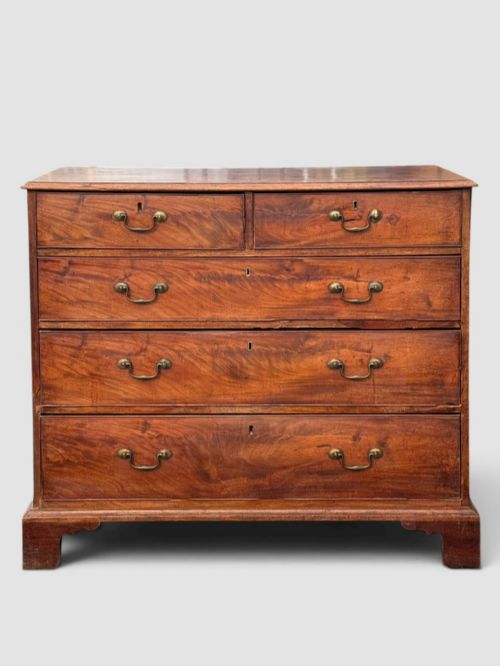
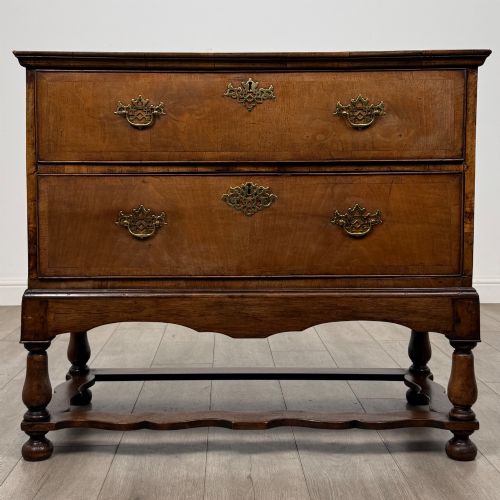
Warm Brown Drawers
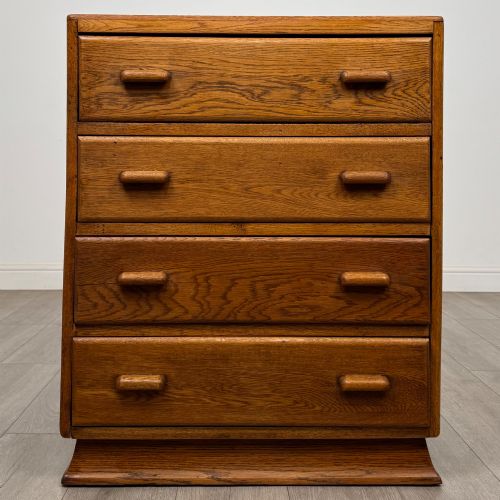
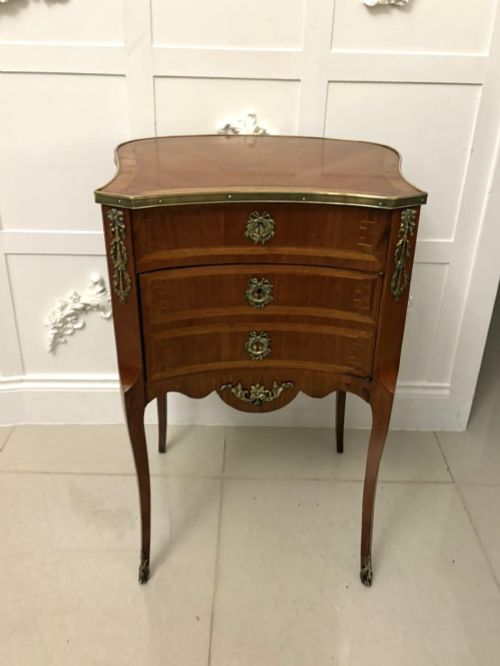
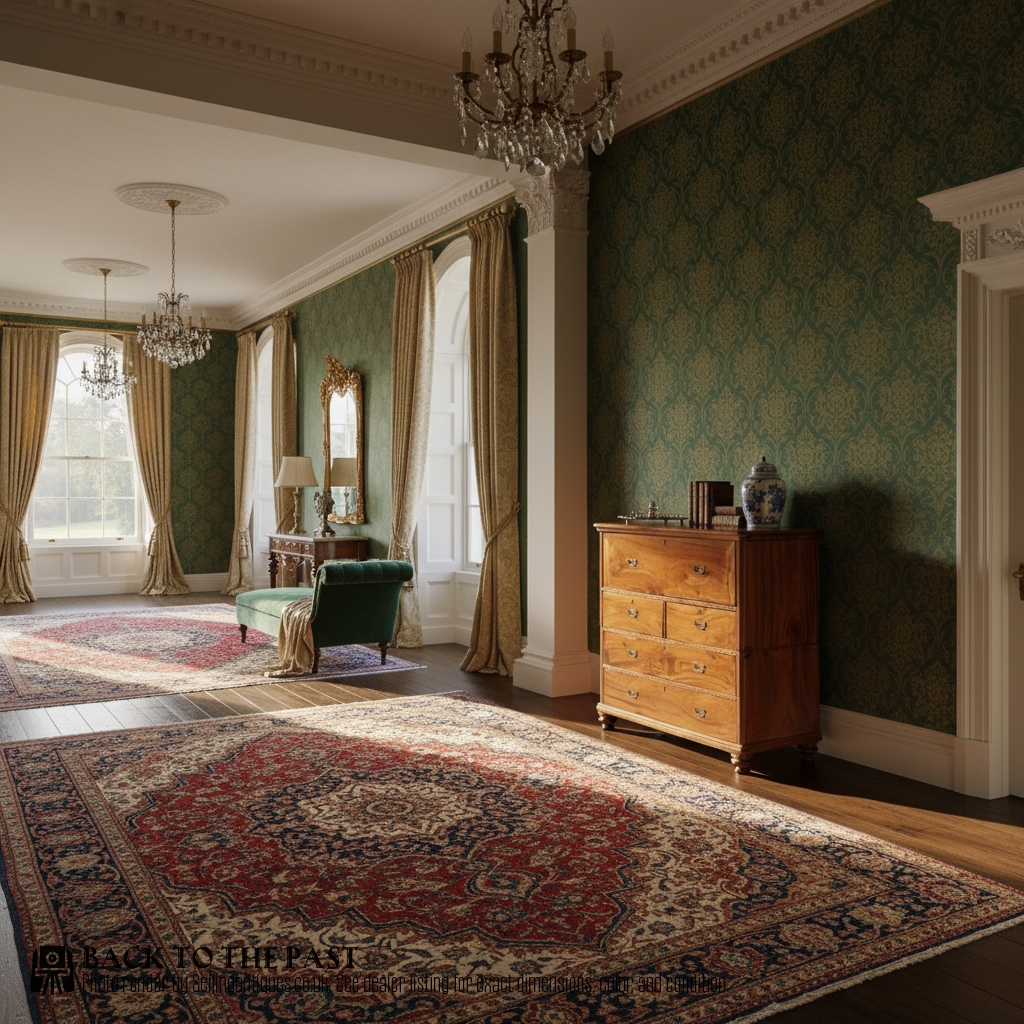
Warm brown drawers bring rich timber tones and solid storage into a room, spanning compact miniatures and sturdy campaign chests.
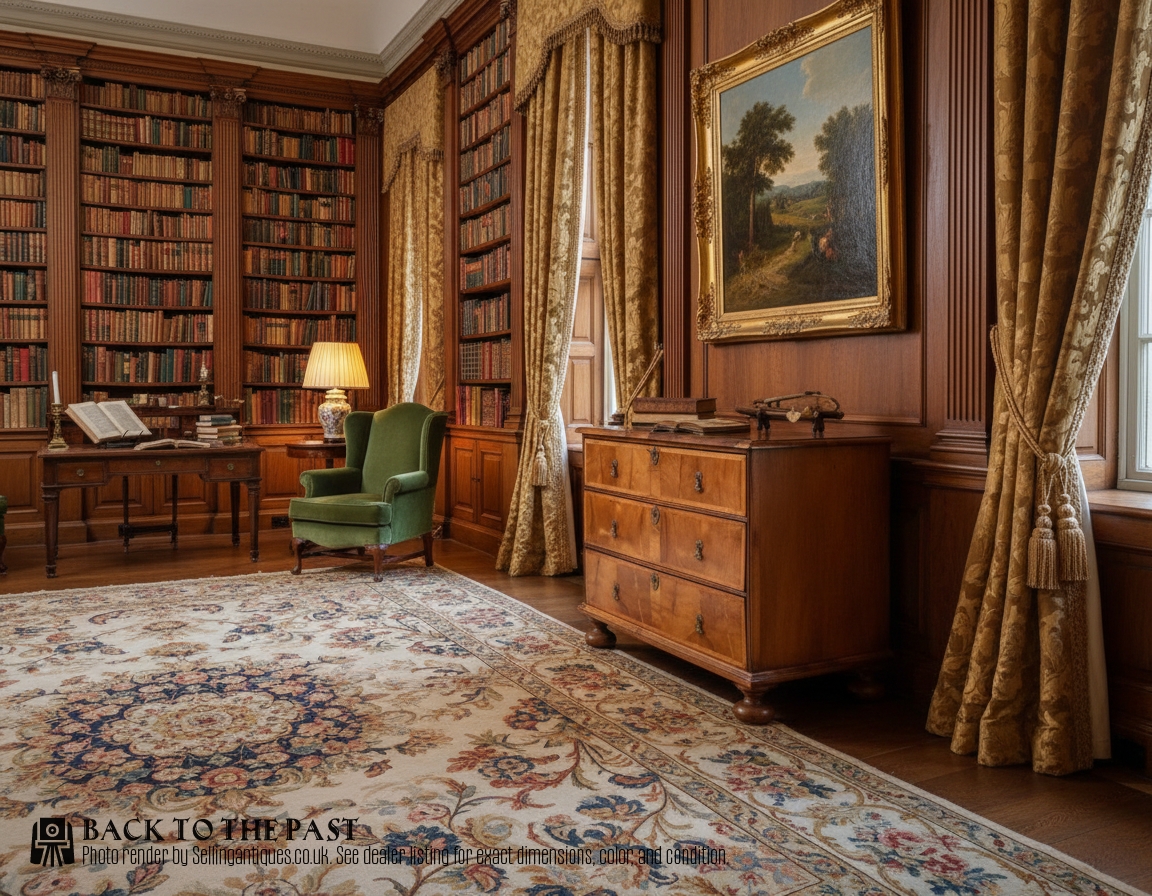
What warm brown drawers are
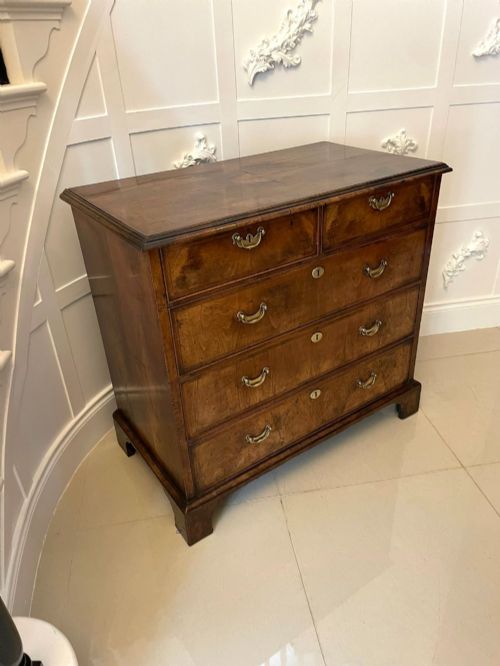
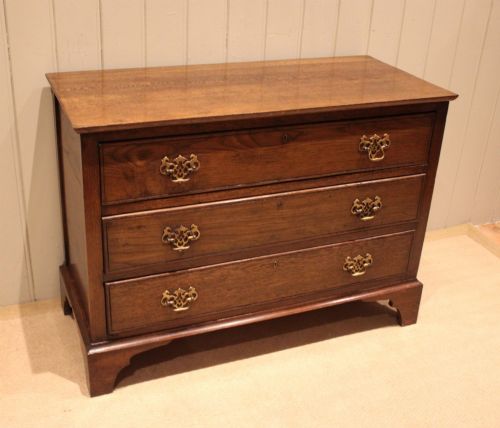
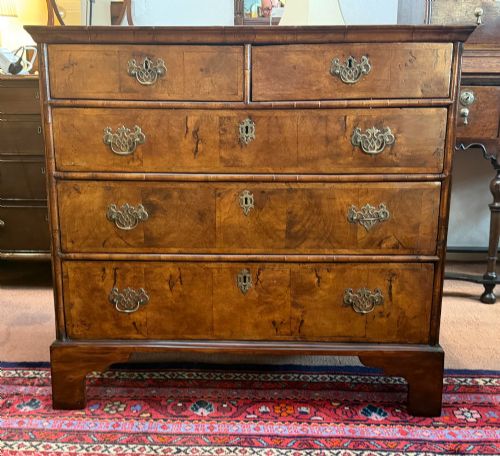
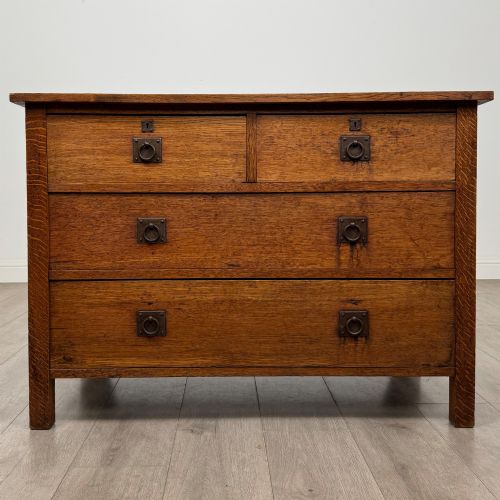
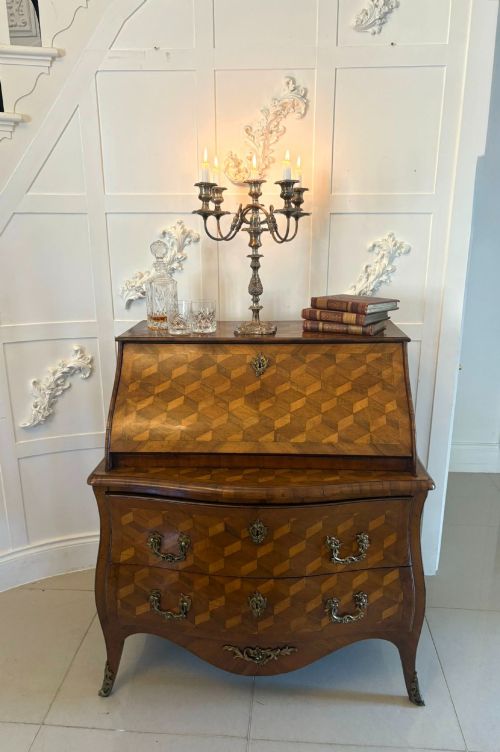
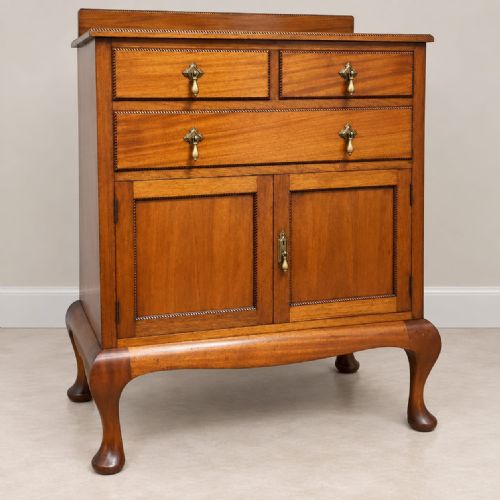
These warm brown drawers encompass chests of drawers, miniature chests of drawers, and secretaire chests originating from the eighteenth and nineteenth centuries. Buyers searching for warm brown drawers encounter maritime pieces, Victorian military campaign designs, and Georgian styles.
The selection ranges from compact desk-top miniatures in mahogany to substantial two-part campaign chests in teak and camphor wood. Pieces reflect distinct domestic and travel uses across historical eras, including specialised maritime items linked to ships.
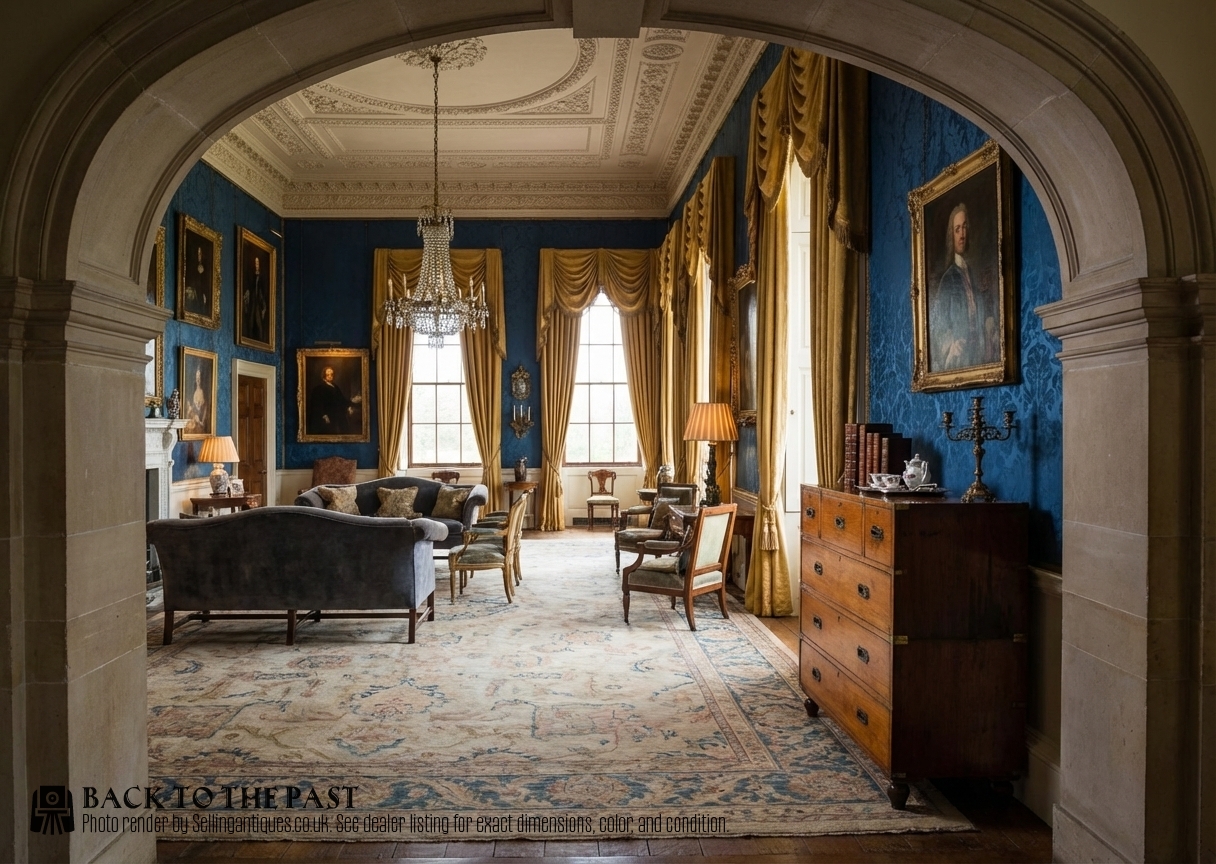
How they were made
Constructed from a variety of timbers including mahogany, teak, pitch pine, camphor wood, walnut, and metal, these pieces utilise traditional cabinet-making methods. Many examples incorporate brass hardware, bone details, and sectional two-part designs suited to transportation.
Surfaces highlight the natural grain and deep colour of the wood, finished to withstand travel or everyday household use. Joinery techniques vary from standard domestic joinery to robust campaign construction with inset handles.
Retail Price Guide 2026
Typical UK retail prices for warm brown drawers, calculated from the Sellingantiques database of over a million retail prices indexed since 2003. This retail price guide relies exclusively on Sellingantiques data; no external sources or auction records are used, so the figures do not describe the wider market.
A shipboard chest from an ocean liner carries the quiet echo of distant ports straight into a modern hallway.
What varies in quality
The distinction between standard domestic items and finer pieces lies in the choice of timber and the complexity of the internal fittings. Elaborate campaign furniture with secretaire drawers and fitted interiors sits at a different level of craftsmanship compared to standard pitch pine maritime pieces.
Materials such as figured walnut, solid mahogany, and dense camphor wood elevate a piece visually. The integration of quality brass fittings and bone escutcheons further defines the standard of execution.
The Warm Brown Drawers Glossary
- Campaign chest
- A piece of furniture built in two sections for easy transport by military officers, typically featuring brass corners and recessed handles. These chests dismantle into separate boxes.
- Secretaire chest
- A drawer that pulls out and folds down to reveal a writing surface and small compartments. This combines storage with a compact writing desk.
- Miniature chest of drawers
- A small-scale version of a full-size chest, often made as an apprentice piece or a detailed desk accessory. These items replicate larger furniture in miniature proportions.
- Pitch pine
- A durable, resinous softwood often used in maritime contexts. It provides a distinct grain pattern visible in shipboard furniture.
Frequently Asked Questions
What is a campaign chest?
A campaign chest is a portable set of drawers designed to be dismantled into sections for military travel. They usually feature recessed brass handles and corner brackets to prevent damage during transit.
These pieces were constructed from durable timbers like teak and camphor wood to withstand harsh conditions while maintaining a refined appearance for officers on campaign.
How do I date an old chest?
Dating involves examining the timber species, construction methods, and hardware styles. Eighteenth-century pieces often display Georgian proportions and fine mahogany or walnut veneers.
Nineteenth-century examples frequently show Victorian characteristics, such as modular campaign designs or pitch pine construction linked to maritime use.
What is a secretaire chest?
A secretaire chest contains a specialised drawer that opens to reveal a fitted writing desk with small pigeonholes and small drawers. This clever design combines standard clothes storage with a workspace.
Such pieces are typically found in larger campaign or domestic furniture from the nineteenth century.
Where were miniature chests used?
Miniature chests served as decorative desktop items, salesman samples, or apprentice pieces showcasing a cabinetmaker's skill. They replicate the joinery and proportions of full-sized furniture on a small scale.
Georgian and eighteenth-century examples are particularly sought after for their detailed proportions.