


Honey Pine Commode
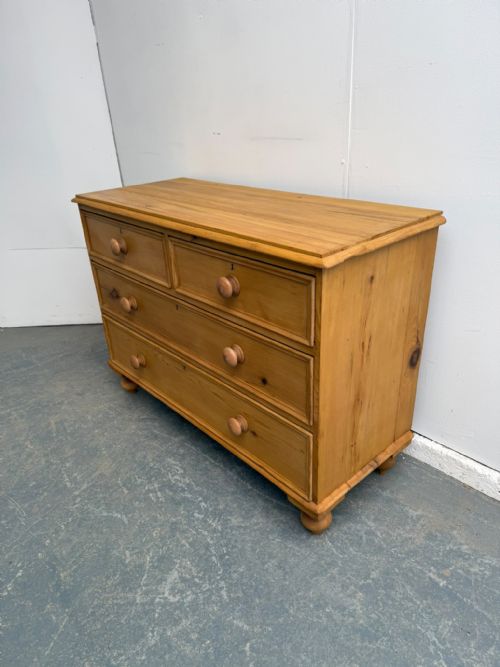
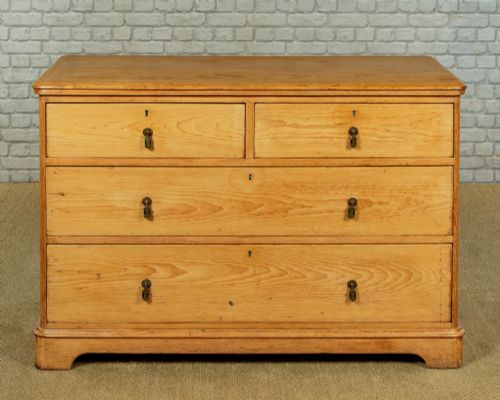
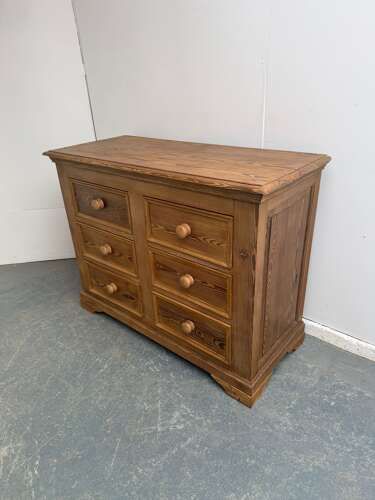
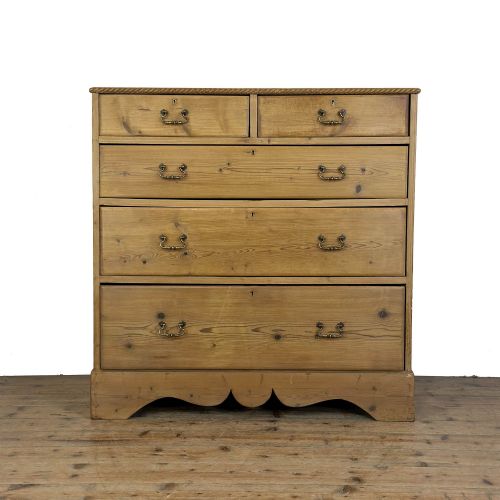
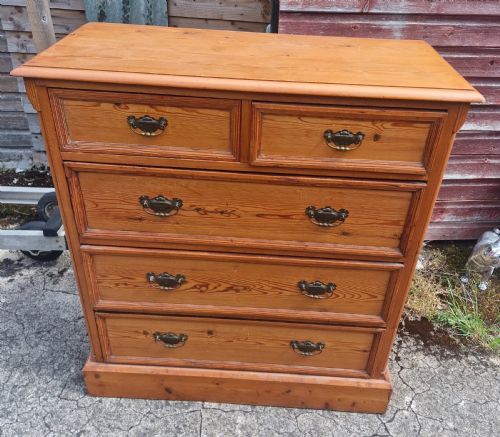
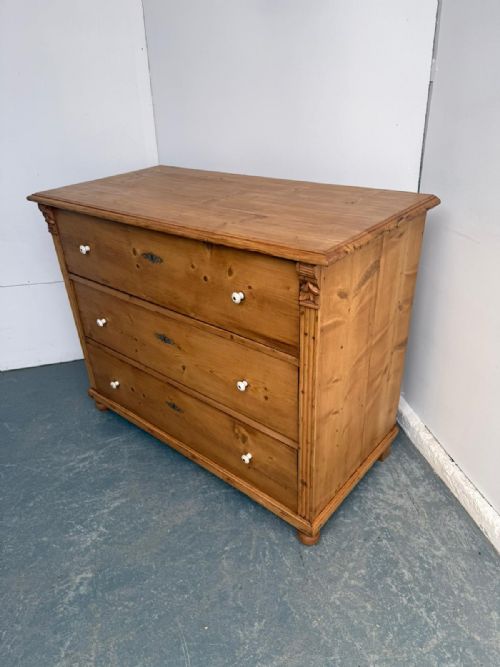
A honey pine commode provides practical storage and warm domestic character.
Honey Pine Commode
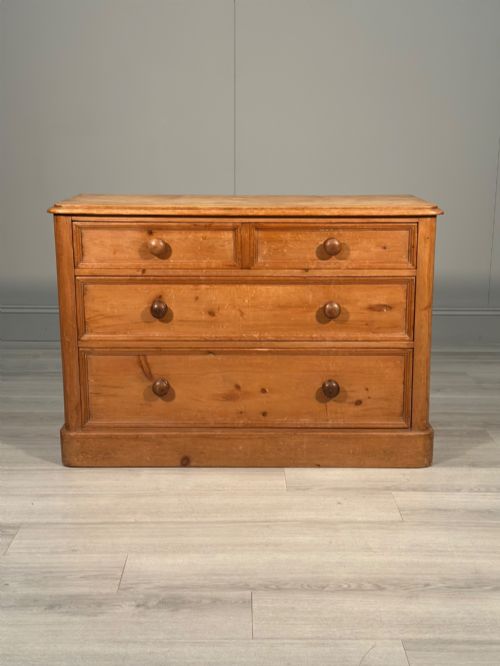
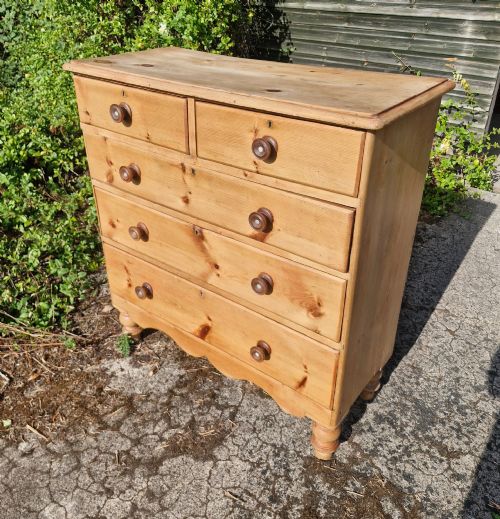
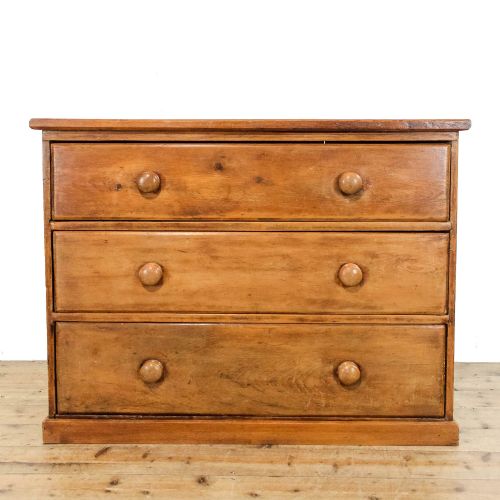
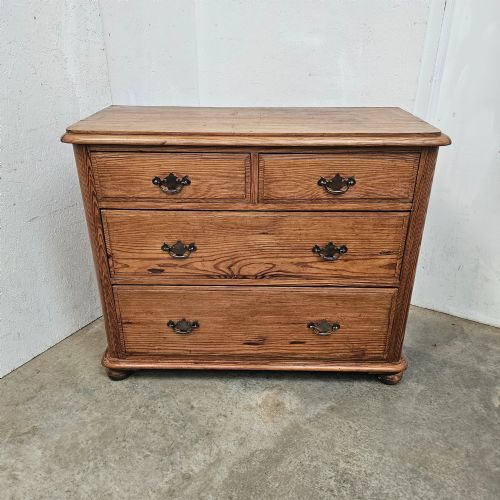
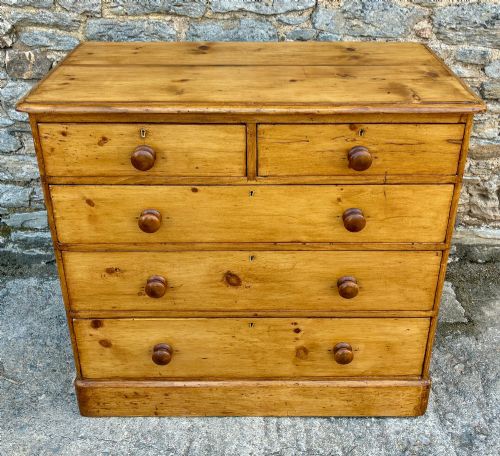
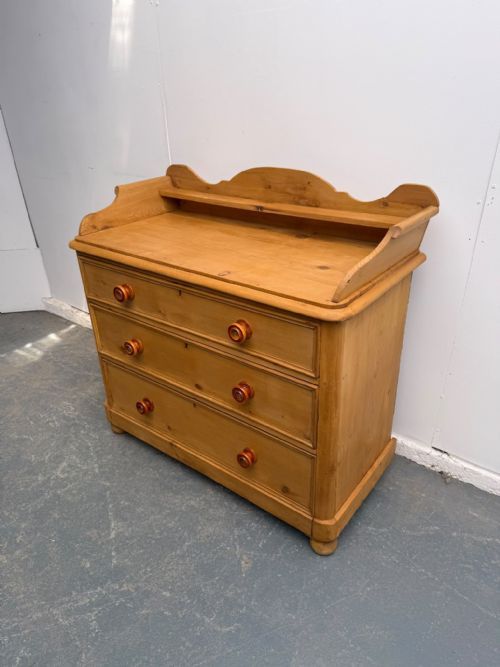
When you search for a honey pine commode, you encounter sturdy chests of drawers built in timber during the nineteenth century and the Edwardian era. These pieces offer deep drawer capacity for daily use in bedrooms and hallways.
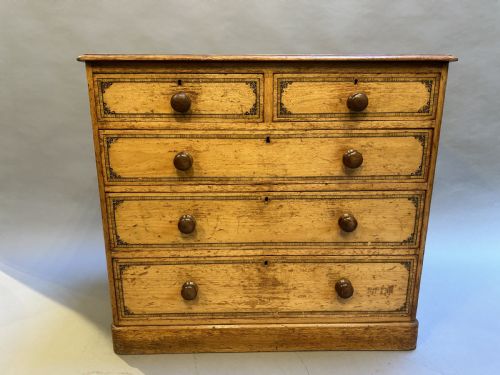
The versions most common on this page date from the Victorian period, including regional variants finished with wax, stencilling, or original paint. They range from low, wide forms to massive multi-drawer configurations.
Makers and workshops across Britain and continental Europe produced these items using native softwoods, giving each chest distinct grain patterns and proportions.
Materials and construction
Carpenters constructed these chests predominantly from solid pine and pitch pine, occasionally incorporating brass hardware, ceramic pulls, and metal elements for handles and escutcheons. Timber selection dictated the weight and durability of the finished furniture.
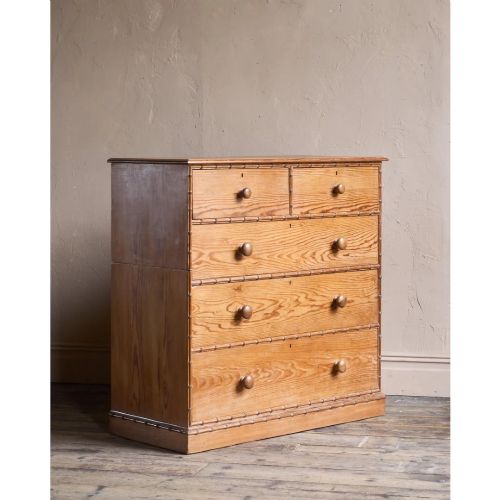
Surface treatments included traditional beeswax finishes to nourish the wood, alongside painted decoration, simulated birch effects, and stencilled motifs applied directly to the softwood grain. Joinery relied on hand-cut dovetails for drawers and solid plank construction for carcases.
One simulated birch chest disguises soft pine beneath hand-painted clever deception.
Factors that separate examples
Quality rests upon the integrity of the original timber and the retention of surface finishes, such as early wax or original paint layers, rather than modern alterations. Pieces retaining uncompromised proportions and original backboards hold greater structural honesty.
Refinement in drawer construction, such as tight dovetailing and smooth operation within the carcase, distinguishes standard utilitarian output from superior workshop production.
Howard and Sons·Gemla Fabrikers
The Honey Pine Commode Glossary
- Pine
- A softwood timber derived from coniferous trees, widely utilised for domestic furniture due to its workability and light natural colour. It accepts wax and paint finishes readily.
- Pitch pine
- A dense, resinous variety of pine timber with prominent grain patterns, frequently selected during the nineteenth century for robust construction. It yields a harder surface than standard softwoods.
- Waxed finish
- A traditional surface treatment consisting of natural wax buffed into the timber to protect the wood and impart a warm sheen. This process enhances the golden tones of aged pine.
- Dovetail
- A traditional wood joint formed by interlocking wedge-shaped fingers, prized for its tensile strength in drawer construction. Hand-cut examples indicate earlier periods of manufacture.
- Escutcheon
- A protective plate surrounding a keyhole, usually fashioned from brass or metal to prevent wear to the surrounding timber. It adds a decorative metal accent to the drawer front.
Honey Pine Commode: Frequently Asked Questions
How do I date a pine chest?
Dating relies on examining construction methods, such as hand-cut dovetails on drawer boxes, alongside timber characteristics and historical surface treatments like original paint or early wax.
Hardware styles, including brass pulls and keyhole escutcheons, also provide chronological markers that align with Victorian or Edwardian manufacturing periods.
What is pitch pine?
Pitch pine is a heavier, more resinous softwood timber featuring prominent growth rings and a dense grain structure. It was often selected for furniture requiring extra durability.
This material develops a distinct visual depth under a waxed finish compared to standard softer pine varieties.
How do I maintain a waxed surface?
Maintaining a waxed pine surface involves periodic application of a quality beeswax polish, followed by gentle buffing with a soft cloth to nourish the wood. Avoid placing these pieces near direct heat sources to prevent the timber from drying out.
Regular dusting with a dry cloth keeps the finish clean without stripping the historical patina.
Are these chests suitable for modern bedrooms?
These chests offer deep drawers and generous internal dimensions, making them practical storage units for contemporary clothing and linens. Their neutral wood tones integrate easily into various interior schemes.
Their sturdy construction ensures they withstand daily domestic use just as they did in the nineteenth century.