


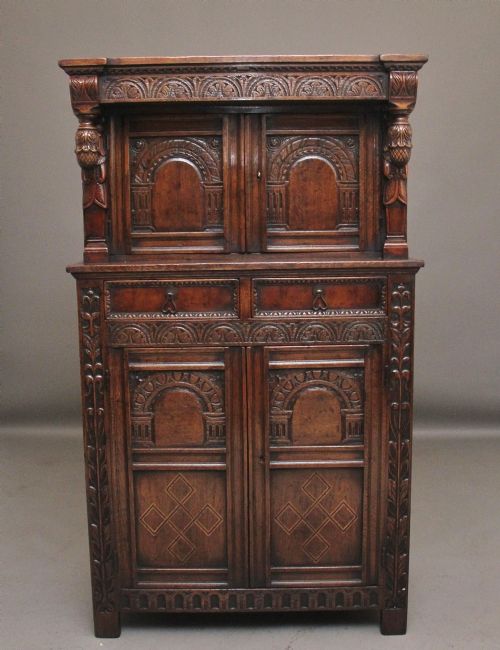

Early 20th Century Dresser
An early 20th century dresser brings robust storage and enduring domestic utility to a room through solid timber construction.

Early 20th Century Dresser
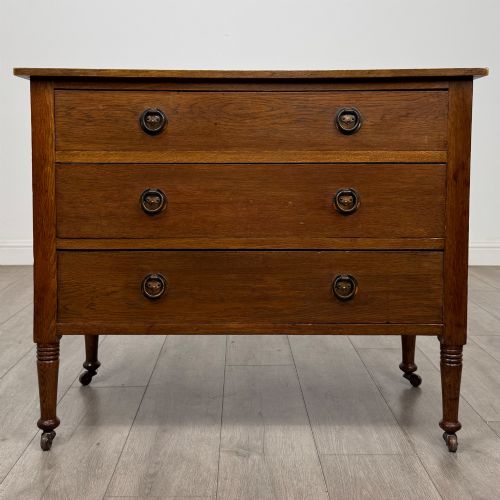
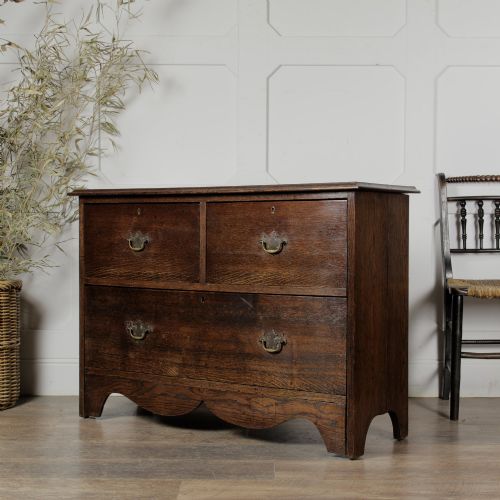
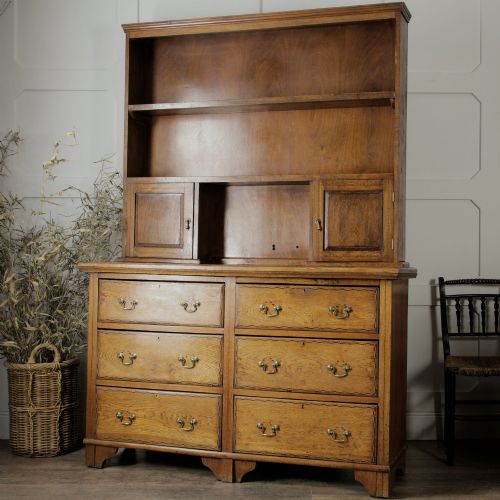
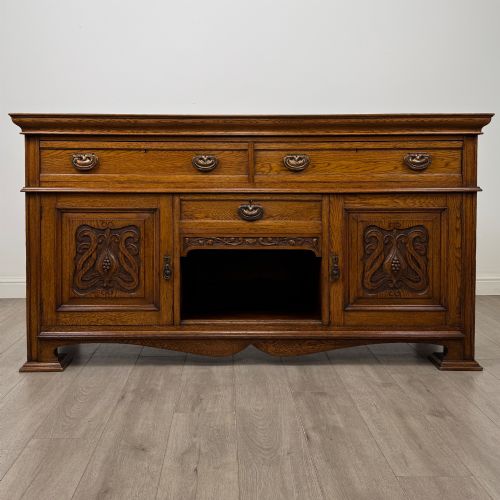
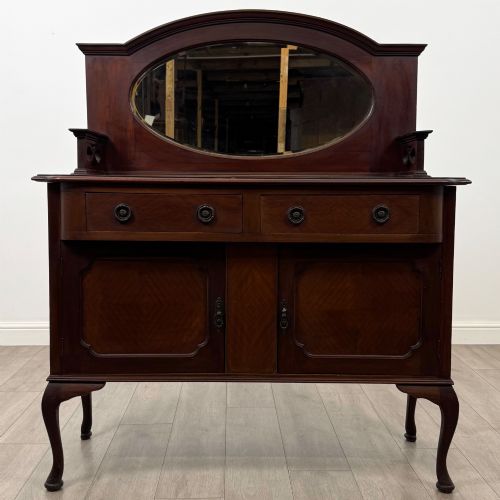
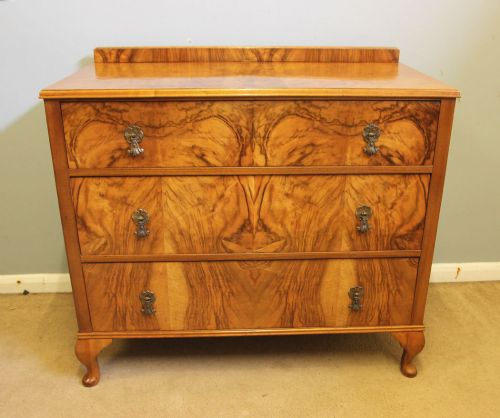
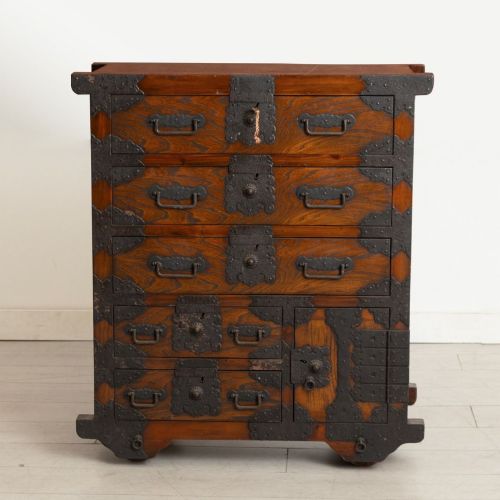
An early 20th century dresser encompasses diverse forms ranging from kitchen dressers with display racks and pot board bases to chests of drawers, sideboards, commodes, and display cabinets.
The version most commonly met on this page is constructed from oak, often appearing as a two-part dresser, a dresser base, or a solid oak chest of drawers.
Originating across periods spanning from 1900 to the 1930s, these pieces reflect Edwardian tastes, Arts and Crafts ideals, and regional English, French, and Austrian stylistic revivals.
How they were made
Cabinetmakers relied heavily on solid oak, walnut, mahogany, and pine, frequently pairing timber with brass hardware, glass panels, and marble tops.
Construction techniques visible across the pieces include panelled framing, inlaid wood details, hand carving, and painted finishes applied to pine and scrubbed oak surfaces.
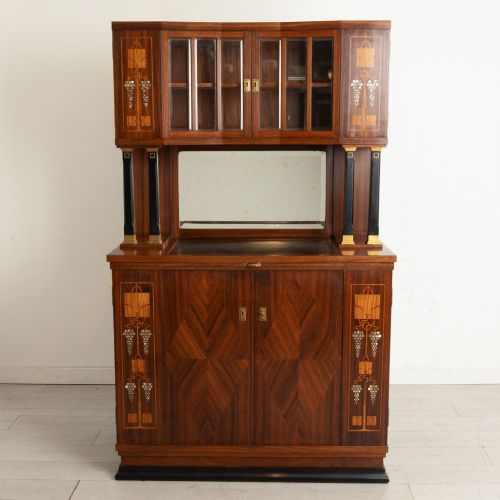
The furniture spans Edwardian, Arts and Crafts, Queen Anne Revival, and Viennese Secessionist styles.
What varies in quality
The distinction between tiers rests on the choice of materials, moving from painted pine and utility timber to figured walnut, Zelkova, and solid honey oak.
Execution of detail separates standard utility pieces from ambitious workshops, evident in inlaid veneers, leaded stained glass, carved doors, and specific regional revival styling.
August Ungethüm·Josef Margold
The Early 20th Century Dresser Glossary
- Dresser rack
- The upper shelving unit mounted to a kitchen dresser or dresser base for displaying tableware. It transforms a simple low sideboard into a prominent kitchen display piece.
- Pot board
- An open lower shelf fitted beneath a dresser base to store pots and heavy kitchenware. This traditional feature provides sturdy horizontal storage close to the floor.
- Commode
- A low cabinet or chest of drawers, frequently finished with a marble top in French or continental examples. The term often overlaps with low sideboards and bedroom drawer units.
- Drapers chest
- A wide, multi-drawer cabinet originally utilised in drapery shops for textiles and haberdashery. These pieces offer exceptionally deep banks of shallow drawers.
Early 20th Century Dresser: Frequently Asked Questions
What is a kitchen dresser?
A kitchen dresser combines a lower storage base, such as drawers or cupboards, with an open upper rack for plates and bowls. They served as central working furniture in domestic farmhouses and kitchens.
Over time, these units transitioned from purely functional workspace storage into prominent dining and living room display furniture.
How do I identify an oak dresser?
An oak dresser is typically recognised by the prominent grain patterns and heavy, durable timber construction. Pieces from this era frequently utilise solid honey oak or scrubbed oak surfaces.
Examining the internal drawer construction and rear panelling helps confirm the use of solid oak throughout the main frame.
What is a dresser base?
A dresser base is the lower portion of a kitchen dresser without the accompanying upper shelving rack. Many examples feature enclosed cupboards or open pot boards beneath the main work surface.
These versatile low sideboards function effectively as sideboards, buffets, or general-purpose storage credenzas in modern interiors.
How do I care for antique wood?
Antique wood surfaces benefit from gentle cleaning with a soft, dry cloth to remove dust. Regular application of traditional beeswax helps nourish the timber and maintain a natural lustre.
Keep wooden furniture away from direct heat sources and strong sunlight to prevent the timber from drying out or splitting.