




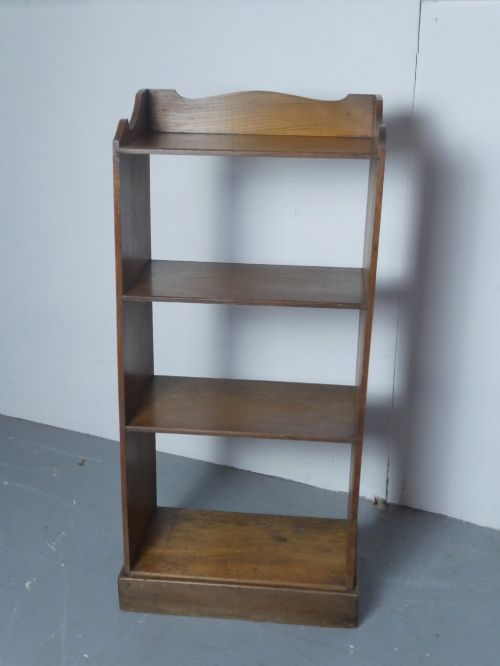
Freestanding Open Shelves
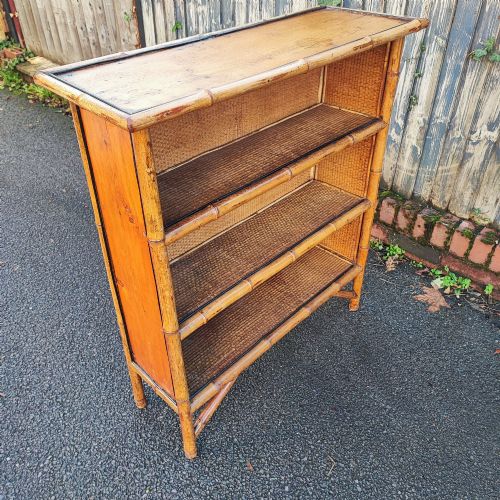
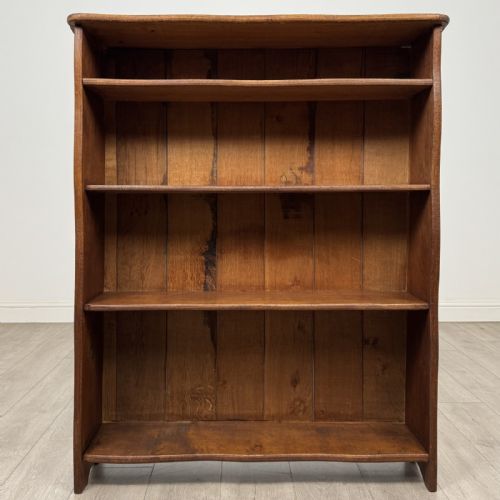
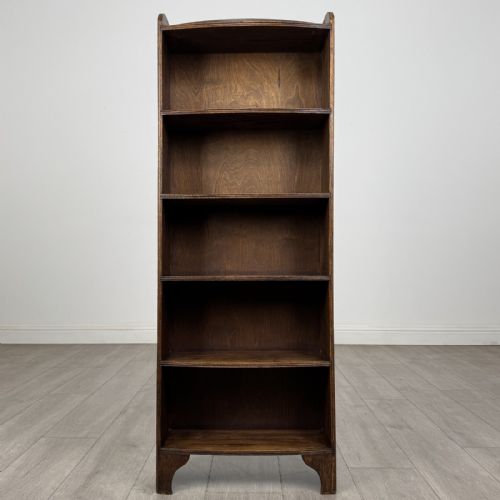
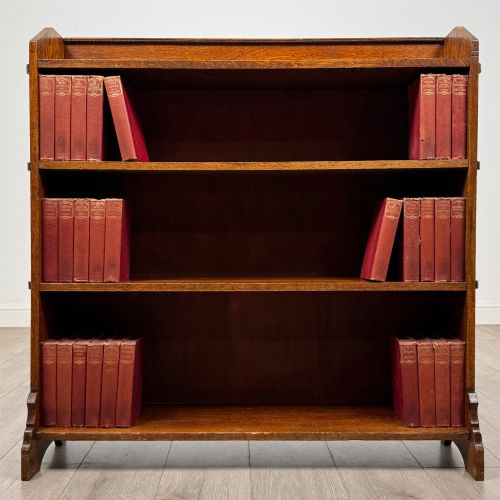
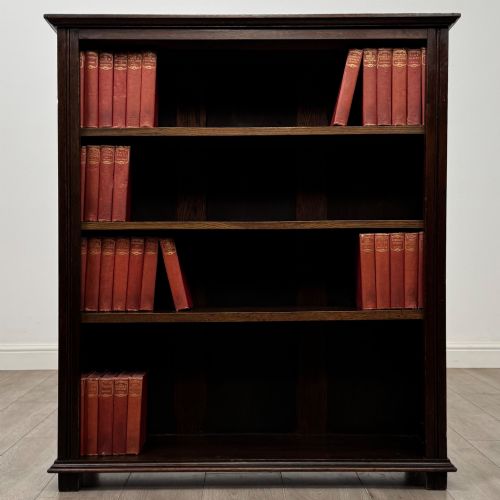
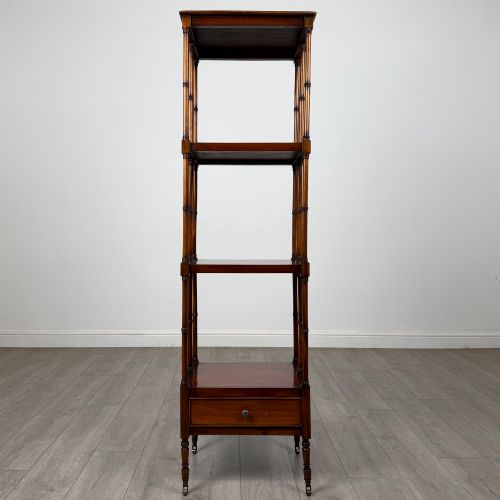
Freestanding open shelves are accessible display units offering unhindered access to books and objects, bringing period craftsmanship directly into domestic spaces.
Freestanding Open Shelves
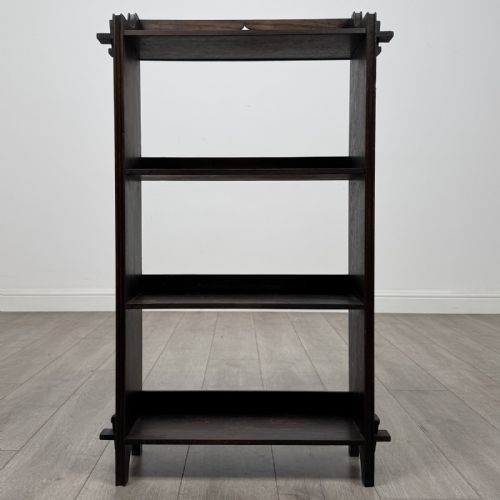
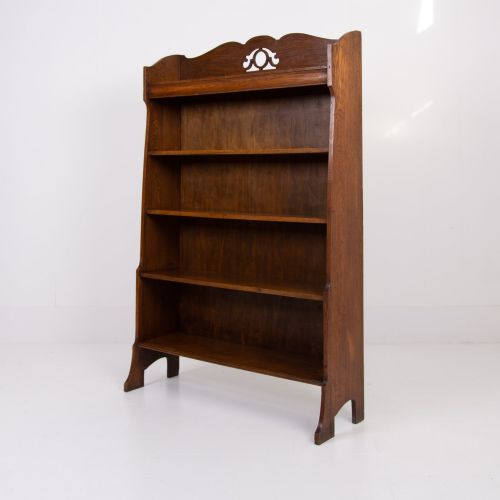
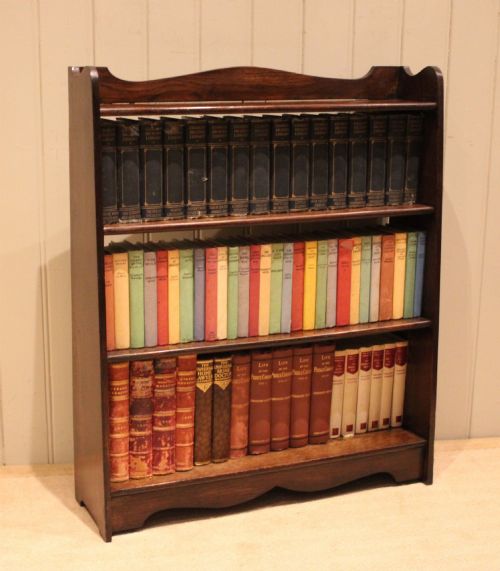
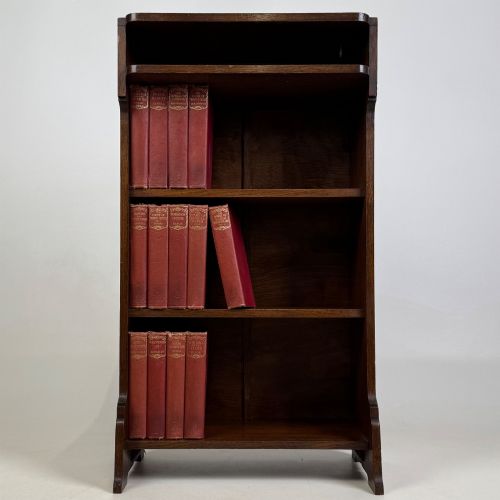
The form stretches across diverse styles, including Arts and Crafts, Regency, and Art Deco interpretations. Pieces range from compact corner units and low oak bookcases to tall architectural library shelves.
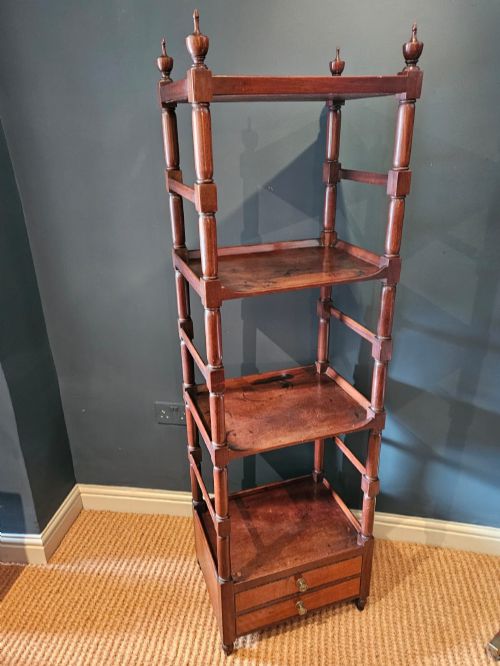
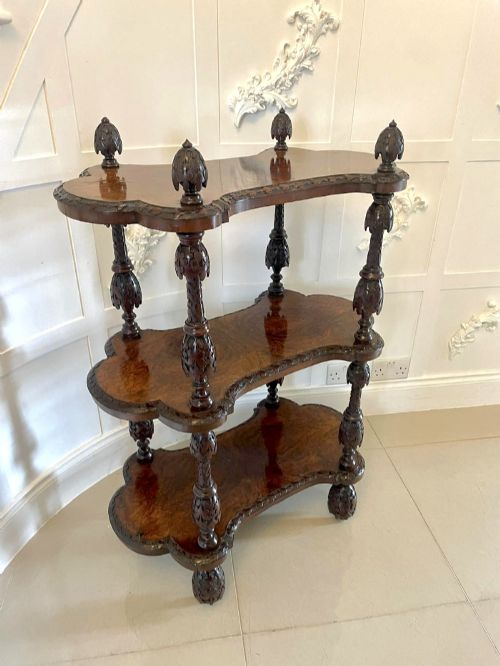
Makers utilised various formats such as tiered whatnots, waterfall displays, and double-sided configurations. These variations accommodate collections of books, ceramics, and decorative objects within domestic rooms.
What varies in quality
Timber selection dictates the distinction between standard utilitarian items and exhibition pieces, with burr walnut, padauk, and figured mahogany marking superior workshops. The depth of carved detailing, the refinement of mouldings, and the presence of double-sided finishing elevate specific bookcases.
Structural integrity relies upon original jointing and the retention of adjustable shelf mechanisms. Examples featuring balanced proportions and integrated decorative elements demonstrate higher design ambition than plain utility shelving.
Freestanding Open Shelves Retail Price Guide 2026
Typical asking prices for freestanding open shelves among the pieces listed under this phrase on Sellingantiques today, from the lower quarter to the upper quarter. They describe what is for sale here now, not the wider market.
Listings feature oak, mahogany, walnut, pine, rosewood, burr walnut, and padauk across diverse nineteenth and twentieth-century periods.
Waring and Gillow
The Freestanding Open Shelves Glossary
- Whatnot
- A moveable set of open shelves used for displaying ornaments or books. These tiered pieces often feature decorative turning or carved supports.
- Waterfall bookcase
- A set of open shelves where each tier steps back progressively from the one below. This tiered profile creates a cascading visual effect.
- Adjustable shelves
- Bookcase interiors fitted with vertical slots or metal pins to alter shelf heights. This mechanism allows for accommodating volumes of varied sizes.
- Padauk
- A dense tropical hardwood displaying rich reddish-brown tones. Cabinet makers utilised this durable material for fine nineteenth-century shelving.
- Arts and Crafts
- A design movement prioritising honest construction, visible joinery, and natural materials. Pieces from this style often display decorative cut-outs and straightforward oak frames.
Freestanding Open Shelves: Frequently Asked Questions
How do I spot an Edwardian bookcase?
Edwardian examples typically feature light oak or mahogany construction with simpler decorative motifs than their Victorian predecessors. They often incorporate adjustable shelving systems suited to domestic reading rooms.
Look for clean lines and lighter timber tones that distinguish twentieth-century production from heavier nineteenth-century library furniture.
Where should I place a whatnot?
Whatnots function effectively in corners or as freestanding room dividers where their multi-tiered shelves remain visible from multiple angles. Their compact footprints suit smaller reception rooms and hallways.
Ensure the piece stands level on period floors and avoid placing heavy loads on upper tiers of lighter decorative models.
How do I care for antique pine bookshelves?
Antique pine bookshelves require consistent humidity levels to prevent timber movement in waxed or polished surfaces. Dust gently with a dry cloth rather than wet cleaners.
Avoid positioning pine furniture near direct heat sources or in strong sunlight that alters the patina of the waxed finish.