


Wooden Book Display
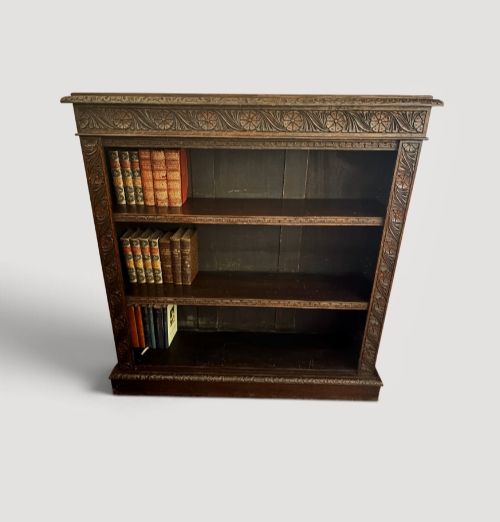
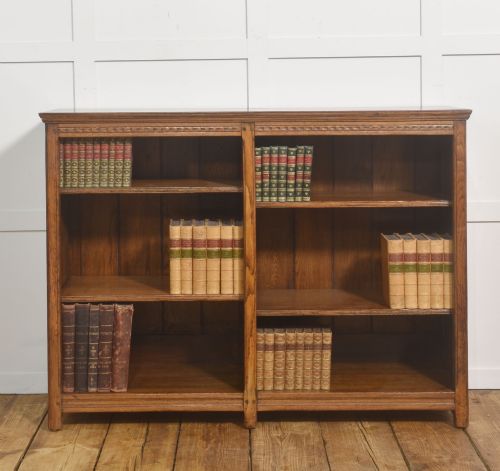
A wooden book display holds volumes within reach while framing paper and bindings as part of the room.
Wooden Book Display
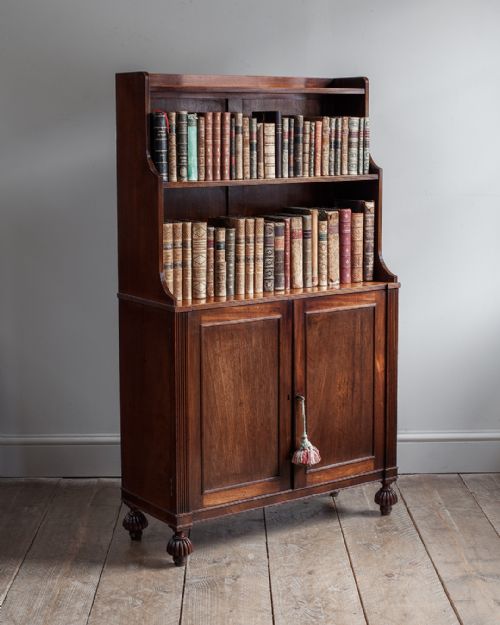
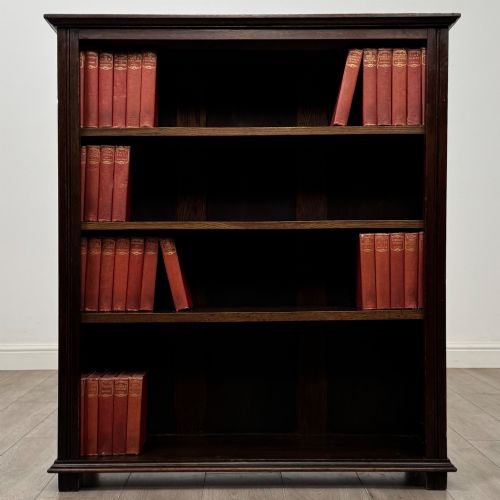
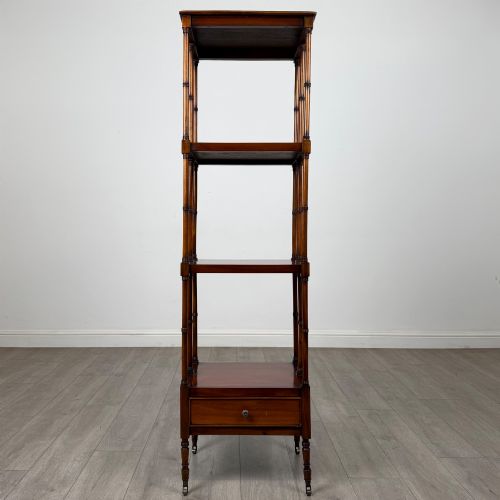
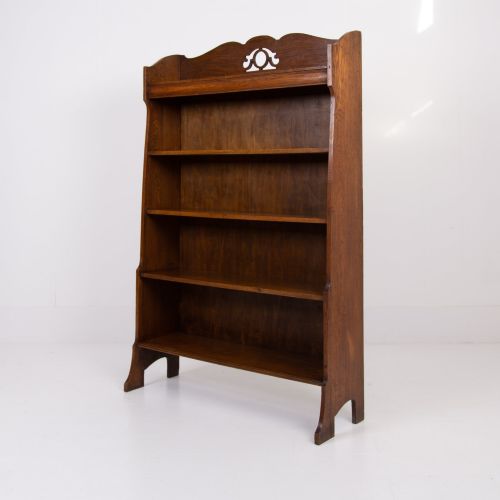
A wooden book display encompasses open bookcases, waterfall shelves, four-tier whatnots, book stands, and display cabinets designed to hold and exhibit volumes. These pieces emerge from periods spanning the nineteenth century through the Edwardian era, 1900, 1910, 1920, and 1930.
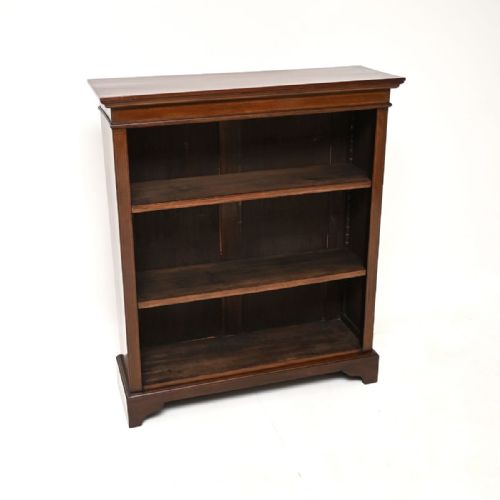
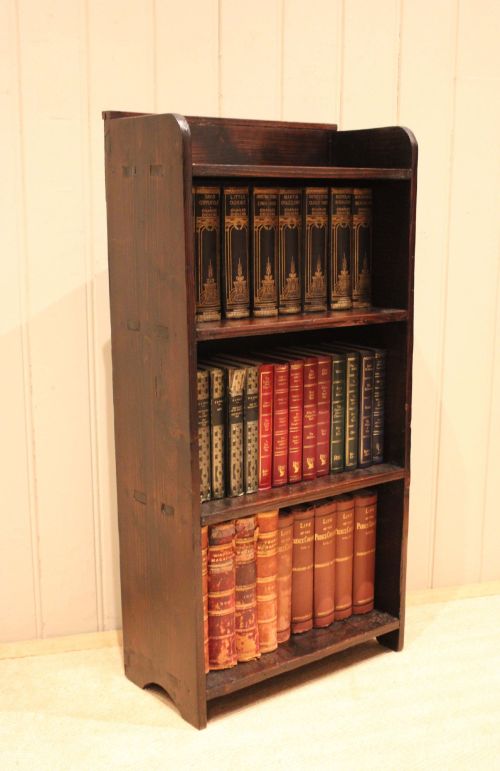
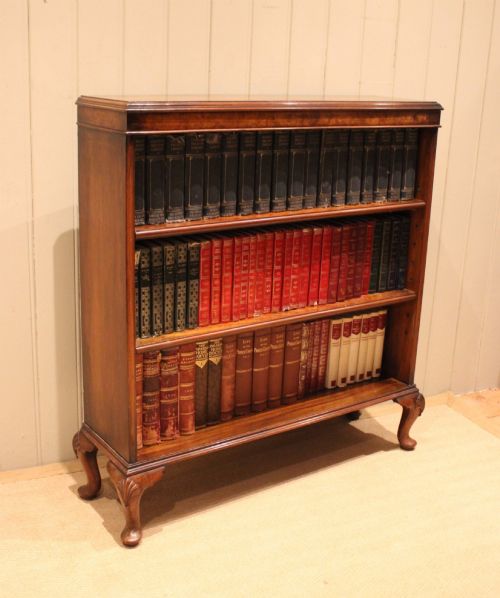
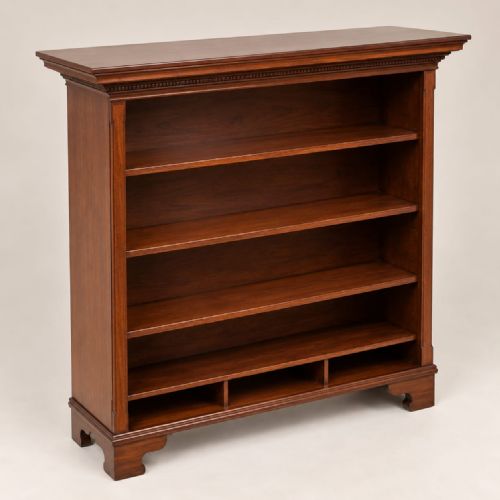
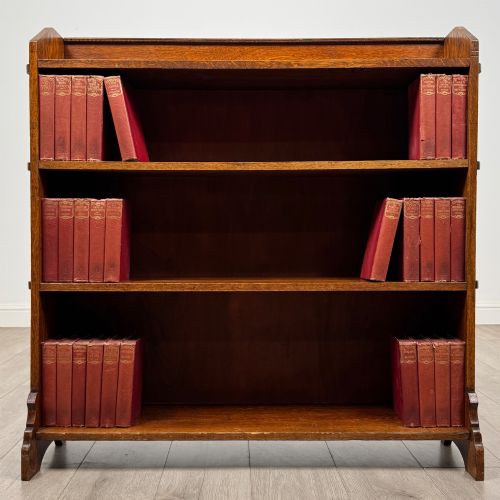
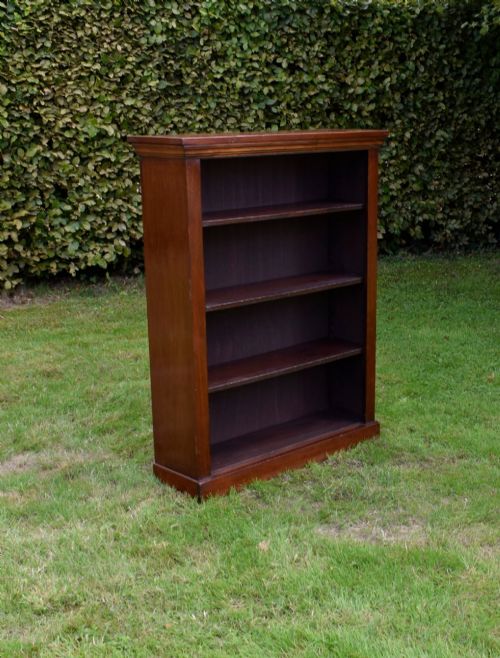
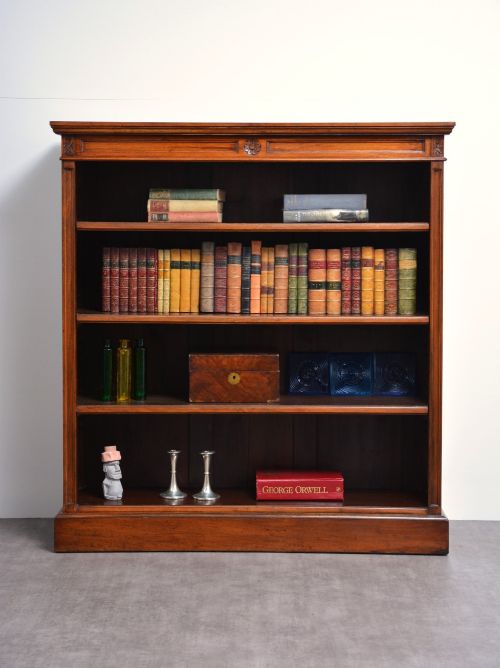
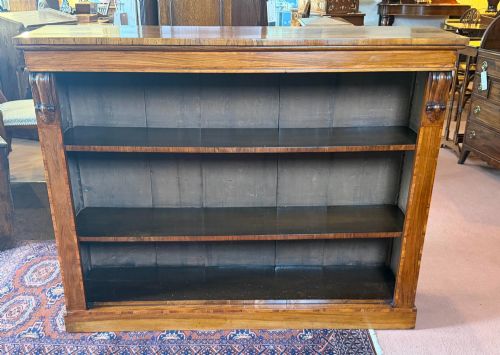
The most common version met on this page is the open bookcase, often rendered in oak, mahogany, or walnut with adjustable shelves. Pieces range from small rustic pine formats to large breakfront configurations, alongside glazed cabinets and tiered stands.
Origins stretch across English workshops, French libraries, and vernacular rural traditions, showing styles from Victorian and Edwardian to Arts and Crafts, Art Deco, and Regency revival. Each form serves the practical demand of organising reading material while displaying timber grain and cabinetmaking details.
How they were made
Cabinetmakers utilised solid timbers such as oak, mahogany, walnut, pine, teak, and rosewood, frequently applying walnut veneer to flat surfaces for decorative grain patterns. Brass hardware supports hinges and locks on glazed doors, while glass panels protect delicate bindings.
Construction methods rely on sturdy joinery to bear the weight of heavy volumes, incorporating adjustable shelf mechanisms that allow interior heights to shift. Carved detailing appears on select Victorian and Arts and Crafts examples, while simpler pieces emphasise clean open framing and rustic planks.
Wooden Book Display Retail Price Guide 2026
Typical asking prices for wooden book display among the pieces listed under this phrase on Sellingantiques today, from the lower quarter to the upper quarter. They describe what is for sale here now, not the wider market.
Some nineteenth-century book stands were built low enough to let readers browse titles while lounging comfortably in an armchair.
What varies in quality
The choice of timber and veneer dictates the initial grade of a piece, with figured burr walnut and dense mahogany sitting apart from utilitarian pine. Timber selection governs how well the frame resists warping and how richly the grain responds to polish over decades of use.
Joinery execution and the integration of functional elements, such as smoothly operating adjustable shelf racks and fitted brass hardware, separate standard workshop output from finer cabinetmaking. The presence of carved ornamentation or thoughtful proportions further distinguishes individual pieces across the range.
The Wooden Book Display Glossary
- Open bookcase
- A shelving unit without doors that provides direct access to books. This form dominates the listings for wooden book display.
- Waterfall bookcase
- A tiered shelving unit where each upper shelf is shallower than the one below, stepping back in a cascade. It offers a compact footprint for smaller collections.
- Whatnot
- A multi-tiered piece of open furniture used for displaying books or small objects. Nineteenth-century examples often feature three or four open tiers.
- Adjustable shelves
- Shelving supported by pegs, racks, or movable pins that can be repositioned at different heights. This mechanism accommodates books of varying sizes.
- Breakfront
- A cabinet design where the central section projects forward from the flanking wings. It adds architectural depth to larger library pieces.
Wooden Book Display: Frequently Asked Questions
How do I choose the right size?
Measure your available wall space and assess the volume of books you need to house.
Consider whether an open bookcase, a compact whatnot, or a glazed display cabinet best suits your room and collection.
Are the shelves adjustable?
Many examples on this page feature adjustable shelves, which allow you to alter the interior spacing for different book formats.
Check the individual description of each piece to confirm whether the shelving mechanism is movable or fixed.
What woods were commonly used?
Oak, mahogany, and walnut appear frequently across these pieces, often finished with polished surfaces that highlight the natural grain.
Pine and rosewood also feature in specific rustic or mid-nineteenth-century examples.
How do I care for wooden shelving?
Keep wooden pieces away from direct heat sources and strong sunlight to prevent the timber from drying out or warping.
Dust regularly with a dry cloth and occasionally apply appropriate wax or polish to maintain the finish.